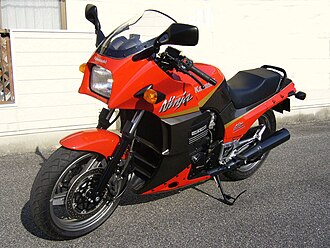
Kawasaki GPZ900R as a Used Motorcycle – The Original Ninja That Changed Sport Bikes Forever
Today, decades after its introduction, the Kawasaki GPZ900R remains a highly respected motorcycle among collectors, classic-bike enthusiasts, and riders who appreciate mechanical character. While modern motorcycles offer significantly greater horsepower, advanced electronics, traction control, riding modes, and sophisticated suspension systems, the GPZ900R provides something different. It offers a direct connection between rider and machine, a sense of mechanical involvement, and the experience of riding a motorcycle that represents a major turning point in engineering history.
As a used motorcycle, the GPZ900R requires a different approach compared with buying a newer machine. Age is now the most important factor, and condition matters far more than mileage alone. A carefully maintained example can still provide enjoyable riding and reliable ownership, while a neglected motorcycle may require significant investment to return to proper condition. Understanding the model’s history, strengths, weaknesses, and mechanical characteristics is essential for anyone considering ownership.
The GPZ900R was not designed merely as transportation. It was designed as a statement from Kawasaki: a demonstration that a production motorcycle could combine high speed, advanced engineering, and everyday usability. Its legacy continues today, and its influence can be seen throughout Kawasaki’s Ninja family of motorcycles.
The History of the Kawasaki GPZ900R
The development of the Kawasaki GPZ900R began during a period of intense competition among Japanese motorcycle manufacturers. In the late 1970s and early 1980s, companies such as Honda, Yamaha, Suzuki, and Kawasaki were competing to create the fastest and most technologically advanced motorcycles available. Kawasaki, already known for powerful machines, wanted to produce a motorcycle that would redefine the performance category.
The result was the GPZ900R, introduced at the Cologne Motorcycle Show in 1983 before entering production for the 1984 model year. It represented a major technological step forward. At the time, many high-performance motorcycles relied on air-cooled engines, but Kawasaki introduced a liquid-cooled 16-valve inline-four engine with modern engineering concepts that improved both performance and reliability.
The motorcycle immediately gained attention because of its extraordinary speed. The GPZ900R was capable of exceeding 240 km/h, making it one of the fastest production motorcycles in the world at the time. This achievement was particularly impressive because the motorcycle remained relatively compact and usable compared with larger machines that relied on engine size rather than advanced design.
The GPZ900R also became famous because of its connection with popular culture. Its appearance in the 1986 film “Top Gun” helped introduce the motorcycle to a global audience and contributed significantly to its legendary status. The motorcycle became associated with speed, freedom, and advanced technology, creating an image that continues to influence Kawasaki’s Ninja brand.
Over the years, Kawasaki produced several updates and variations of the GPZ900R. While the fundamental design remained recognizable, improvements were made to suspension, brakes, reliability, emissions equipment, and comfort. The model continued in production for many years, an impressive achievement that demonstrates the strength of its original engineering.
The Birth of the Ninja Name
The GPZ900R holds special significance because it was the motorcycle that introduced the Ninja name to the world. Kawasaki recognized that the motorcycle represented a new generation of performance machines and wanted a name that reflected its aggressive character. The Ninja identity eventually became one of the most recognized names in motorcycling, appearing on everything from beginner-friendly motorcycles to high-performance superbikes.
The success of the GPZ900R established the foundation for future Ninja models, including the ZX-6R, ZX-7R, ZX-9R, ZX-10R, and other legendary Kawasaki motorcycles. Many enthusiasts consider the GPZ900R the grandfather of the modern Ninja family because it introduced the philosophy that continues today: combining performance, technology, and distinctive styling.
Design and Styling – A Motorcycle Ahead of Its Time
When the Kawasaki GPZ900R was introduced, its design appeared futuristic compared with many motorcycles of the era. It featured full aerodynamic bodywork, integrated styling, and a purposeful appearance that clearly communicated its performance ambitions. Rather than looking like a traditional motorcycle with separate components, the GPZ900R appeared as a complete aerodynamic machine.
The fairing was one of the motorcycle’s most important design features. It reduced wind resistance, improved rider comfort at high speeds, and contributed to the motorcycle’s impressive performance. The aerodynamic development reflected Kawasaki’s focus on achieving high-speed stability rather than simply creating an attractive appearance.
The riding position balanced sport performance with everyday usability. Compared with modern supersport motorcycles, the GPZ900R is relatively comfortable, with higher handlebars and a less extreme seating position. This made it suitable not only for enthusiastic riding but also for touring and longer-distance journeys.
The motorcycle’s proportions also contributed to its timeless appeal. The combination of a narrow engine design, integrated fairing, and distinctive rear section created a shape that remains instantly recognizable. Even today, the GPZ900R does not look like an ordinary older motorcycle; it has a presence that reflects its historical importance.
The Engine – Revolutionary Inline-Four Performance
The 908cc Liquid-Cooled Engine
The centerpiece of the Kawasaki GPZ900R is its 908cc liquid-cooled inline-four engine. This powerplant represented a major technological achievement during the early 1980s and introduced several features that would influence future Kawasaki motorcycles. The engine used double overhead camshafts and four valves per cylinder, allowing efficient airflow and strong high-speed performance.
Producing approximately 115 horsepower, the GPZ900R delivered exceptional performance for its time. However, the importance of the engine was not only its power output but the way it delivered that power. The inline-four configuration provided smooth operation, strong acceleration, and the ability to maintain high speeds comfortably.
Unlike older large-displacement motorcycles that often felt heavy and difficult to manage, the GPZ900R combined performance with relatively compact dimensions. The engine was powerful but refined, making the motorcycle enjoyable for both experienced riders and those transitioning into high-performance machines.
The liquid-cooling system was particularly important because it allowed Kawasaki to maintain consistent engine temperatures under demanding conditions. This contributed to reliability and helped the GPZ900R achieve the durability expected from a motorcycle designed for high-speed riding.
Engine Character and Riding Experience
The GPZ900R’s engine character is one of its greatest attractions today. Modern motorcycles often rely on electronic systems to manage performance, but the GPZ900R provides a purely mechanical experience. The rider controls the motorcycle through throttle input, gear selection, and riding technique rather than computer intervention.
At lower speeds, the engine feels smooth and manageable. As the revs increase, the motorcycle reveals its sporting personality, delivering stronger acceleration and the distinctive sound of a classic inline-four engine. The experience is less about absolute speed and more about feeling connected to the machine.
The engine’s durability is another reason enthusiasts continue to appreciate the GPZ900R. With proper maintenance, these engines can accumulate impressive mileage. Many surviving examples remain operational today because the original design was robust and capable of handling long-term use.
Performance and Riding Experience
Riding a Kawasaki GPZ900R today provides a fascinating contrast between classic and modern motorcycling. While it cannot match the acceleration, braking power, or electronic sophistication of current superbikes, it delivers an experience that many riders find more engaging. The motorcycle requires active involvement, rewarding smooth technique and careful control.
The acceleration remains impressive, especially considering the motorcycle’s age. The inline-four engine provides strong performance throughout the rev range, and the six-speed transmission allows riders to make effective use of the available power. Highway cruising is effortless, and the motorcycle feels stable at speeds where many older designs would feel uncomfortable.
The GPZ900R is especially enjoyable on flowing roads where its stability and smooth power delivery can be appreciated. Rather than encouraging aggressive acceleration alone, it rewards riders who understand momentum, cornering technique, and smooth inputs.
Chassis and Handling
The chassis design of the GPZ900R was advanced for its time. Kawasaki focused on creating a motorcycle that could handle the power of the engine while maintaining stability at very high speeds. The frame, suspension geometry, and weight distribution were developed with performance riding in mind.
Compared with modern lightweight sport motorcycles, the GPZ900R feels heavier and more substantial. However, this weight contributes to its excellent stability. The motorcycle feels planted on fast roads and provides confidence when maintaining high-speed corners.
Steering is predictable and smooth rather than extremely quick. The motorcycle encourages flowing riding styles and rewards riders who make deliberate inputs. This character is part of its charm because it reflects the engineering priorities of its era.
Braking Performance and Suspension Technology
The braking and suspension systems of the Kawasaki GPZ900R reflect the engineering priorities of the early 1980s. At the time of its introduction, the motorcycle represented the cutting edge of performance technology, and Kawasaki equipped it with components capable of handling the impressive speed generated by its powerful inline-four engine. While modern motorcycles feature larger brake discs, radial calipers, electronically controlled suspension, and advanced safety systems, the GPZ900R’s mechanical systems remain an important part of its classic riding character.
The front braking system uses dual hydraulic discs, providing strong stopping capability for its era. When properly maintained, the brakes offer predictable response and adequate power for road riding. Many surviving examples benefit from upgrades such as modern brake pads, stainless-steel braided brake lines, and refreshed calipers, which can significantly improve braking feel while preserving the motorcycle’s original character.
The suspension system was designed to provide a balance between comfort and performance. The GPZ900R was not a pure race replica like some later supersport motorcycles, so Kawasaki developed suspension settings that allowed both spirited riding and longer-distance touring. The front forks provide stability during braking, while the rear suspension contributes to traction and comfort.
However, age is an important factor with any GPZ900R. Suspension components that were excellent when new may require rebuilding after several decades of use. Fork seals, bushings, rear shock absorbers, and steering-head bearings should all be inspected carefully. A properly refreshed suspension system can transform the motorcycle and restore much of the confidence that made the GPZ900R famous.
Comfort and Touring Ability
One of the reasons the Kawasaki GPZ900R has survived as a popular classic motorcycle is its surprising practicality. Unlike many modern supersport machines that prioritize track performance above everything else, the GPZ900R was designed as a high-performance road motorcycle. This means it offers a level of comfort and usability that many enthusiasts appreciate.
The riding position is sporty but relatively relaxed by modern standards. The handlebars are positioned higher than those found on current race-inspired motorcycles, reducing pressure on the wrists during longer rides. The seat provides reasonable support, and the fairing offers excellent wind protection at highway speeds.
The motorcycle’s stability also makes it well suited for touring. The engine operates smoothly at cruising speeds, and the large fuel tank allows respectable distances between refueling stops. Many owners have used GPZ900Rs for long-distance journeys, proving that the motorcycle is more versatile than its aggressive appearance suggests.
City riding is less ideal. The weight, engine heat, and older carbureted fuel system make slow traffic more demanding compared with modern motorcycles. However, experienced riders quickly adapt to the motorcycle’s characteristics and often enjoy the mechanical involvement that older machines provide.
Reliability and Long-Term Durability
The Kawasaki GPZ900R has earned a strong reputation for reliability throughout its long production history. The motorcycle was engineered during a period when Japanese manufacturers placed significant emphasis on mechanical durability, and many examples have remained functional decades after leaving the showroom.
The engine is the motorcycle’s greatest strength. The liquid-cooled inline-four design is robust and capable of covering very high mileages when properly maintained. Many owners report engines continuing to run smoothly after extensive use, demonstrating the quality of Kawasaki’s original engineering.
However, reliability today depends heavily on maintenance quality. A motorcycle that has spent decades neglected in storage will require attention regardless of its original durability. Rubber components, seals, electrical connectors, and fuel system parts naturally deteriorate with age.
Regular oil changes, proper cooling system maintenance, carburetor servicing, valve inspections, and careful storage are essential. Owners who treat the GPZ900R as a classic performance machine rather than an old commuter bike are usually rewarded with dependable service.
Common Problems to Check Before Buying a Used Kawasaki GPZ900R
Carburetor and Fuel System Issues
The carburetor system is one of the most important areas to inspect when purchasing a used GPZ900R. Unlike modern fuel-injected motorcycles, the GPZ900R relies on mechanical carburetors that require regular adjustment and synchronization. Long periods of storage can cause fuel deposits, blocked jets, and poor running conditions.
Typical symptoms of carburetor problems include difficult starting, uneven idle, hesitation during acceleration, and reduced fuel economy. A properly serviced carburetor system allows the engine to run smoothly and deliver the responsive performance expected from the motorcycle.
Cooling System Maintenance
The liquid-cooled engine was one of the GPZ900R’s major technological advantages, but the cooling system requires attention on older examples. Radiators can become damaged or internally blocked, coolant hoses can deteriorate, and thermostats can fail.
Buyers should check for coolant leaks, overheating problems, and signs of previous repairs. The motorcycle should maintain stable operating temperatures during both normal riding and extended high-speed operation.
Electrical System Age-Related Issues
Electrical problems on older motorcycles are often caused by age rather than poor design. Wiring connectors can corrode, charging systems can weaken, and switches may develop faults after decades of use.
When inspecting a GPZ900R, confirm that all lights, indicators, instruments, and charging functions operate correctly. A healthy electrical system is a good indication that the motorcycle has received proper care.
Engine and Transmission Inspection
The GPZ900R engine is generally reliable, but buyers should listen carefully for unusual noises. Excessive rattling, smoke from the exhaust, difficult starting, or inconsistent power delivery may indicate mechanical problems.
The six-speed gearbox should shift smoothly without jumping out of gear. Clutch operation should feel predictable, and there should be no signs of excessive slipping under acceleration.
Frame and Accident Damage
Because the GPZ900R was a performance motorcycle, some examples have experienced crashes or modifications. The frame should be inspected carefully for damage, repairs, or signs of corrosion.
Check the steering head, swingarm area, engine mounts, and wheel alignment. Original paint and matching body panels are valuable indicators of a well-preserved motorcycle.
Maintenance Requirements
Maintaining a Kawasaki GPZ900R requires more involvement than owning a modern motorcycle, but many enthusiasts consider this part of the ownership experience. The motorcycle uses conventional mechanical systems that can be serviced by experienced owners and specialist workshops.
Important maintenance tasks include regular oil changes, valve clearance inspections, carburetor synchronization, cooling system checks, brake servicing, chain adjustment, and suspension maintenance. Because replacement parts availability varies depending on region, preventative maintenance is especially important.
Owners should also pay attention to age-related components. Brake hoses, fuel lines, tires, seals, bearings, and rubber mounts may need replacement even if mileage is low. Restoring these components can greatly improve safety and riding enjoyment.
Buying a Used Kawasaki GPZ900R – What to Look For
Buying a GPZ900R requires patience because condition varies significantly between examples. Some motorcycles have been carefully preserved by enthusiasts, while others have suffered from years of neglect. The best purchase is rarely the cheapest one; a well-maintained example usually provides far greater satisfaction and lower long-term costs.
Service history is extremely valuable. Look for evidence of regular maintenance, previous restoration work, replacement parts, and careful ownership. Original documentation, factory manuals, and spare keys can also indicate that the motorcycle has been appreciated rather than simply used.
A test ride is essential. The engine should start easily, idle smoothly, accelerate consistently, and maintain stable temperatures. Steering should feel straight, brakes should operate confidently, and the gearbox should shift positively.
Potential buyers should also consider whether they want a riding motorcycle or a collectible example. A restored machine may be perfect for regular enjoyment, while an original low-mileage example may be more suitable for collectors.
Advantages of the Kawasaki GPZ900R
- Historic importance as the first Ninja model.
- Revolutionary liquid-cooled inline-four engine.
- Strong mechanical reliability.
- Comfortable compared with many modern sport bikes.
- Excellent highway stability.
- Iconic styling and cultural significance.
- Growing classic motorcycle appeal.
- Strong enthusiast community.
- Enjoyable mechanical riding experience.
Disadvantages of the Kawasaki GPZ900R
- Older technology compared with modern motorcycles.
- Requires regular carburetor maintenance.
- Heavy compared with contemporary sport bikes.
- No electronic rider aids.
- Some original parts can be difficult to source.
- Age-related repairs may be necessary.
Technical Specifications Summary
| Specification | Kawasaki GPZ900R |
|---|---|
| Production Years | 1984–2003 (market dependent) |
| Motorcycle Category | Sport motorcycle / Sport touring motorcycle |
| Engine Type | Liquid-cooled inline four-cylinder |
| Engine Displacement | 908 cc |
| Valve System | DOHC, 16 valves |
| Fuel System | Four Keihin carburetors |
| Bore x Stroke | 72.5 mm x 55.0 mm |
| Compression Ratio | Approximately 10.0:1 |
| Maximum Power | Approximately 115 hp (market dependent) |
| Maximum Torque | Approximately 85 Nm |
| Transmission | 6-speed manual |
| Final Drive | Chain |
| Frame | Steel perimeter-style frame |
| Front Suspension | Telescopic fork |
| Rear Suspension | Uni-Trak single rear shock system |
| Front Brakes | Dual hydraulic discs |
| Rear Brake | Single hydraulic disc |
| Wheel Size | 16-inch front and 18-inch rear on many early models |
| Fuel Tank Capacity | Approximately 22 litres |
| Seat Height | Approximately 780 mm |
| Wet Weight | Approximately 260 kg |
| Top Speed | Approximately 240–250 km/h |
| Main Strengths | Historical importance, reliable engine, comfort, smooth performance, classic Ninja character |
| Ideal Buyer | Classic motorcycle enthusiasts, collectors, and riders seeking an iconic 1980s sport machine |
The Kawasaki GPZ900R Compared With Other Classic Sport Motorcycles
The Kawasaki GPZ900R arrived during one of the most important periods in motorcycle development, when manufacturers were rapidly changing the definition of performance motorcycles. Its competitors included some of the most respected machines of the era, but the GPZ900R stood apart because it introduced technology and performance levels that influenced future generations.
The Honda VF750F was one of the important competitors during the early years of the GPZ900R. Honda focused heavily on refinement with its V4 engine technology, while Kawasaki pursued maximum performance through an advanced inline-four design. The Kawasaki offered stronger high-speed performance and became recognized as one of the fastest production motorcycles in the world.
Suzuki’s GSX-R750, introduced shortly after the GPZ900R, moved the sport-bike category toward lighter and more track-focused designs. While the GSX-R emphasized racing performance and low weight, the GPZ900R maintained a balance between speed, comfort, and everyday usability. This difference explains why many riders still appreciate the Kawasaki as a more versatile classic motorcycle.
Compared with modern superbikes, the GPZ900R is naturally slower and heavier. However, comparing only performance figures misses the reason enthusiasts value it. The motorcycle represents a historic moment when engineering innovation created a new category of machine. Riding one today is about experiencing that character rather than chasing modern lap times.
Collectability and Classic Motorcycle Value
The Kawasaki GPZ900R has become increasingly collectible because of its historical importance. Many motorcycles are remembered for being fast, attractive, or successful, but the GPZ900R is significant because it changed the direction of motorcycle design. It introduced the Ninja name, demonstrated the potential of liquid-cooled inline-four engines, and helped define the modern sport motorcycle.
Early models, especially well-preserved examples from the first production years, are particularly attractive to collectors. Original paint schemes, factory exhaust systems, correct wheels, and complete documentation all contribute to long-term value. Motorcycles that have avoided extensive modifications are generally more desirable among collectors.
The GPZ900R also benefits from strong enthusiast support. Owners’ clubs, specialist suppliers, and restoration communities help keep these motorcycles alive. Unlike some rare classic machines that become difficult to maintain, the GPZ900R remains practical enough for enthusiasts who want to ride rather than simply display it.
As fewer original examples remain, clean motorcycles with documented histories are likely to become increasingly appreciated. The model’s cultural significance, particularly its connection with the Ninja brand and popular media, ensures that it remains recognizable even among people who are not motorcycle enthusiasts.
Living With a Kawasaki GPZ900R Today
Owning a GPZ900R in the modern era is an experience based on appreciation rather than convenience. It is not the fastest, lightest, or most technologically advanced motorcycle available, but it offers something many newer machines cannot replicate: personality. Every ride involves mechanical interaction, from starting the carbureted engine to selecting gears and managing the throttle.
Many owners describe the motorcycle as a bridge between classic and modern motorcycling. It has enough performance to remain enjoyable on today’s roads, but it still retains the mechanical simplicity and character of an earlier generation. The engine sound, smooth acceleration, and substantial chassis create an experience that feels special even during ordinary rides.
Maintenance becomes part of the ownership relationship. Owners often enjoy learning about the motorcycle, performing servicing, and improving small details over time. Unlike modern motorcycles that may require specialized electronic equipment for diagnosis, the GPZ900R allows enthusiasts to understand and work directly on many systems.
The motorcycle is also surprisingly suitable for touring. The comfortable riding position, effective fairing, large fuel tank, and smooth engine make longer journeys enjoyable. Many classic-bike owners choose the GPZ900R specifically because it combines historical significance with genuine usability.
Final Verdict – Is the Kawasaki GPZ900R Worth Buying?
The Kawasaki GPZ900R remains one of the most important motorcycles ever produced. Its significance extends far beyond its performance figures because it represents a major turning point in the evolution of sport motorcycles. It was the machine that introduced the Ninja name, demonstrated the potential of advanced liquid-cooled engines, and helped establish Kawasaki as a leader in high-performance motorcycles.
As a used motorcycle, the GPZ900R requires realistic expectations. It is not a modern superbike replacement, and buyers must accept the realities of owning a machine that may be several decades old. Age-related maintenance, carburetor servicing, electrical checks, and suspension refurbishment are normal considerations rather than signs of failure.
However, a well-maintained GPZ900R offers an experience that remains genuinely rewarding. The smooth inline-four engine, comfortable ergonomics, impressive stability, and unmistakable styling create a motorcycle that feels alive and engaging. It provides the satisfaction of riding a machine with historical importance rather than simply owning another vehicle.
For collectors, the GPZ900R represents a milestone in Japanese motorcycle engineering. For enthusiasts, it provides a connection to the golden era of sport-bike development. For riders who value mechanical character, it delivers a level of involvement that many modern motorcycles have replaced with electronics.
Ultimately, the Kawasaki GPZ900R is not remembered only because it was fast. It is remembered because it changed expectations. It showed the world that a production motorcycle could combine advanced technology, everyday usability, and extraordinary performance in one package. Decades later, it remains a symbol of innovation, ambition, and the beginning of Kawasaki’s legendary Ninja heritage.
