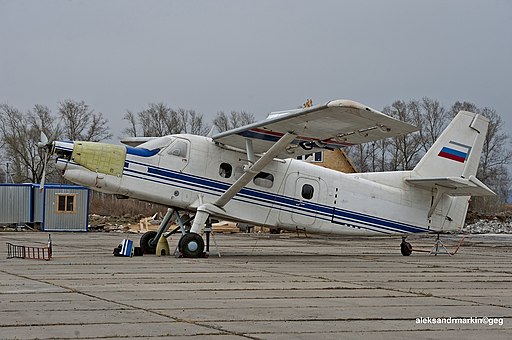
ROS-Aeroprogress T-101 Grach
ROS-Aeroprogress T-101 Grach: The Russian Workhorse of Utility Aviation
The ROS-Aeroprogress T-101 Grach is a rugged, versatile utility aircraft designed to meet the demands of diverse operational needs in challenging environments. Often referred to simply as the “Grach,” this robust platform has its roots in Russian aviation, embodying the country’s focus on durability, reliability, and multi-role capability. Developed by Aeroprogress, a Russian design bureau, the T-101 was intended to fill a gap in medium-sized utility aviation, capable of operating in remote and harsh conditions while providing a cost-effective solution for cargo transport, passenger movement, and special missions.
The T-101 Grach made its first flight in the late 1990s and quickly gained recognition for its practicality and adaptability. The aircraft is especially valued in regions with limited aviation infrastructure, such as Siberia, the Arctic, and remote rural areas where airstrips are minimal or non-existent. The Grach has proven its mettle in extreme temperatures, rugged terrain, and high-altitude operations. With its sturdy construction, spacious cabin, and powerful performance, the T-101 has become a reliable choice for both civilian and government operators seeking an aircraft that can handle demanding missions.
What sets the T-101 Grach apart is its ability to adapt to a wide range of configurations. From passenger seating to cargo hauling and medevac operations, the Grach’s modular design allows operators to tailor the aircraft to their specific needs. Additionally, its low operational costs and ease of maintenance make it an attractive option for organizations with tight budgets. Whether flying supplies to isolated communities or supporting military logistics, the T-101 Grach has cemented its place as a trusted workhorse in aviation.
Design and Features of the T-101 Grach
The T-101 Grach is a high-wing, twin-engine aircraft designed to optimize functionality and performance in utility aviation. Its rugged, all-metal construction provides the durability needed to withstand rough handling and adverse weather conditions, while its high-wing design ensures excellent ground clearance and visibility. The aircraft is equipped with fixed landing gear, designed to handle unpaved airstrips and rough terrain with ease.
Powerful and Reliable Engines
The Grach is powered by two Vedeneyev M-14P radial engines, each producing 360 horsepower. These engines are well-regarded for their reliability, ease of maintenance, and ability to perform in extreme environments. The radial engines are particularly suited for remote operations, where simplicity and robustness are essential. With a cruising speed of approximately 250 km/h (155 mph) and a range of up to 1,200 kilometers (745 miles), the T-101 is capable of supporting medium-haul missions efficiently.
Spacious and Flexible Cabin
One of the standout features of the T-101 Grach is its spacious cabin, which can be easily reconfigured for different missions. The aircraft can accommodate up to 12 passengers in its standard configuration, with options for adding specialized equipment for cargo, medical evacuation, or surveillance. The large rear cargo door facilitates easy loading and unloading of goods, including bulky items such as machinery or emergency supplies.
Rough Field Capabilities
The T-101 Grach is specifically designed to operate from unprepared airstrips, including grass, gravel, and snow-covered runways. Its robust landing gear and reinforced airframe make it suitable for operations in remote locations where traditional infrastructure is unavailable. This capability makes it a popular choice for disaster relief, humanitarian missions, and supply runs to isolated communities.
Operational Roles of the T-101 Grach
The T-101 Grach is a true multi-role aircraft, capable of performing a wide range of missions in both civilian and military contexts. Its versatility has made it an invaluable asset for operators across diverse sectors.
Cargo and Freight Transport
The Grach is widely used for transporting cargo, particularly in regions with limited road networks or during emergencies when rapid delivery is critical. The spacious cabin and high payload capacity allow it to carry essential supplies, construction materials, or agricultural products. The aircraft’s ability to operate in rugged environments makes it ideal for logistics support in remote areas.
Passenger Transport
In its passenger configuration, the T-101 Grach serves as a reliable and cost-effective regional airliner. It is often used to connect rural communities to urban centers, providing an essential link for residents in isolated regions. The comfortable seating and sturdy build make it a dependable option for short-haul flights in harsh weather conditions.
Specialized Missions
The T-101 is also employed for specialized missions such as aerial surveillance, reconnaissance, and medevac operations. Its modular design allows operators to install advanced equipment, such as cameras, sensors, or medical gear, enabling it to support law enforcement, environmental monitoring, and emergency medical services. Additionally, the aircraft has been adapted for agricultural roles, including crop spraying and pest control.
Strengths of the T-101 Grach
Affordability and Efficiency
The Grach is designed to be cost-effective, with relatively low acquisition and operating costs compared to other aircraft in its class. This affordability makes it an attractive choice for small operators, regional airlines, and government agencies working within tight budgets.
Durability and Reliability
Built with Russian engineering expertise, the T-101 is designed to endure some of the harshest flying conditions in the world. Its reliability in extreme temperatures and adverse weather has earned it a reputation as a dependable utility aircraft.
Ease of Maintenance
The T-101 is designed with simplicity in mind, making it easy to maintain even in remote locations. Its engines and systems are straightforward, and spare parts are widely available, further reducing downtime and maintenance costs.
Modern Challenges and Prospects
Despite its many strengths, the T-101 Grach faces challenges in competing with newer, more technologically advanced aircraft in the utility aviation market. However, its simplicity and rugged design continue to make it a preferred choice in regions where high-tech alternatives may not be practical or affordable.
In recent years, there has been growing interest in upgrading the T-101 with modern avionics and more fuel-efficient engines to enhance its performance and appeal. These upgrades could extend the aircraft’s operational lifespan and solidify its place in the evolving aviation landscape.
Conclusion
The ROS-Aeroprogress T-101 Grach is a testament to the enduring value of practicality and ruggedness in aviation. Designed to perform in the most challenging conditions, the Grach has earned its reputation as a dependable workhorse for cargo transport, passenger movement, and specialized missions. Its combination of affordability, durability, and adaptability makes it a vital asset for operators in remote and underserved regions.
While the aviation industry continues to evolve with advanced technologies, the T-101 Grach remains a symbol of reliable, no-nonsense engineering. For those who need an aircraft that can go where others cannot, the Grach is an enduring solution that lives up to its name as a “rook” — a tough and resourceful bird, ready to take on any challenge.
.jpg)