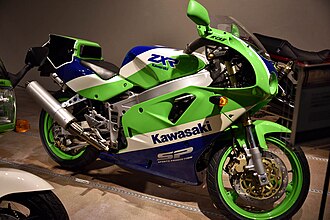
Kawasaki ZXR400 – The High-Revving Lightweight Sport Bike That Became a Modern Classic
The Kawasaki ZXR400 is one of the most fascinating motorcycles to emerge from the golden era of Japanese sport bikes. Built during a time when manufacturers competed intensely to create the most advanced, exciting, and technologically impressive machines possible, the ZXR400 represented Kawasaki’s commitment to bringing racing-inspired engineering to a smaller displacement motorcycle. Although its 398cc engine may appear modest by modern standards, the ZXR400 was never about producing enormous horsepower figures. Instead, it focused on precision, agility, high-revving performance, and the pure mechanical connection between rider and machine.
Today, the Kawasaki ZXR400 has achieved cult status among motorcycle enthusiasts. While newer middleweight bikes offer significantly more power and modern electronics, the ZXR400 remains attractive because of its unique character. It represents an era when motorcycles were developed with lightweight construction, sophisticated chassis design, and engines that demanded involvement from the rider. For many enthusiasts, riding a ZXR400 is not about speed alone; it is about experiencing the sensation of controlling a finely engineered machine that rewards skill and commitment.
As a used motorcycle, the ZXR400 requires a different approach compared with modern beginner bikes. It is an older performance motorcycle, meaning condition, maintenance history, and previous ownership are extremely important. A carefully maintained example can provide an unforgettable riding experience, while a neglected one can become expensive to restore. Understanding the motorcycle’s history, mechanical characteristics, common problems, and ownership requirements is essential for anyone considering adding this Kawasaki classic to their garage.
The History of the Kawasaki ZXR400
The Kawasaki ZXR400 was introduced in the late 1980s during a period often considered one of the most exciting eras in Japanese motorcycle development. Manufacturers including Kawasaki, Honda, Yamaha, and Suzuki were engaged in intense competition to create lightweight motorcycles that could deliver near-racing performance on public roads. This period produced many legendary machines, and the ZXR400 became Kawasaki’s representative in the highly competitive 400cc supersport category.
The motorcycle was heavily influenced by racing technology. In Japan, 400cc motorcycles held particular importance because they offered high performance while fitting within licensing and taxation categories. Kawasaki developed the ZXR400 with a focus on track capability, using advanced suspension components, an aluminum frame, aerodynamic bodywork, and a compact four-cylinder engine capable of extremely high engine speeds.
The ZXR400 was produced through the late 1980s and 1990s, receiving several updates during its lifespan. Early models established the platform, while later versions benefited from improvements in chassis refinement, reliability, braking performance, and engine tuning. The model became especially popular in Europe and the United Kingdom, where many riders appreciated its combination of racing character and manageable size.
Although production eventually ended as emissions regulations and changing market preferences reduced demand for small high-performance motorcycles, the ZXR400 developed a reputation that continues today. It remains remembered as one of Kawasaki’s most authentic supersport machines, a motorcycle that delivered advanced engineering without requiring the financial commitment or physical demands of a larger superbike.
Design and Styling – A True 1990s Supersport Motorcycle
The appearance of the Kawasaki ZXR400 immediately reflects its racing inspiration. Unlike modern motorcycles that often use minimalist bodywork or electronic-focused designs, the ZXR400 features full aerodynamic fairings, aggressive lines, and styling elements created to improve performance rather than simply appearance. Every part of the motorcycle communicates its sporting purpose.
The front fairing incorporates twin headlights and a sharp nose design typical of late-1980s and 1990s Japanese sport motorcycles. The bodywork creates a compact and purposeful silhouette, making the motorcycle appear fast even when standing still. Many enthusiasts consider this era of design particularly appealing because the styling combines mechanical aggression with elegant proportions.
One of the most recognizable features of certain ZXR400 models is the distinctive ram-air style intake system mounted near the steering head. While not identical to the advanced systems found on modern superbikes, this feature demonstrated Kawasaki’s desire to transfer racing concepts into production motorcycles. It became part of the ZXR400’s identity and contributed to its reputation as a serious performance machine.
The compact dimensions are another important characteristic. The motorcycle feels much smaller than modern sport bikes, allowing riders to easily position themselves and control the machine. For smaller riders especially, the ZXR400 provides an ergonomic experience that many larger motorcycles cannot match.
The Engine – A Small Displacement Engine with a Big Personality
The 398cc Inline-Four Engine
The heart of the Kawasaki ZXR400 is its 398cc liquid-cooled inline-four engine. This engine represents the defining feature of the motorcycle because it delivers a riding experience completely different from modern twin-cylinder sport bikes. Instead of relying on low-end torque, the ZXR400 rewards riders who enjoy exploring high engine speeds and using the gearbox effectively.
The engine produces approximately 60 horsepower depending on model and market specification, with power arriving high in the rev range. Below the strongest part of the powerband, the motorcycle feels relatively calm, but as engine speed increases it transforms into a highly energetic machine. The rising pitch of the four-cylinder engine is one of the reasons enthusiasts remain passionate about the ZXR400 decades after production ended.
This high-revving character requires a different riding style compared with modern motorcycles. Riders must maintain momentum, select appropriate gears, and allow the engine to operate where it performs best. Rather than effortless acceleration, the ZXR400 provides a more interactive experience that rewards involvement and technical skill.
Performance on the Road
On winding roads, the ZXR400 remains extremely entertaining. Its relatively low weight, narrow profile, and responsive chassis allow riders to change direction quickly and accurately. While modern motorcycles may produce significantly more power, the ZXR400 allows riders to exploit a greater percentage of the available performance during normal road riding.
Acceleration is impressive once the engine reaches higher rpm, and the motorcycle feels eager during aggressive riding. The six-speed gearbox allows riders to keep the engine within its strongest operating range, making gear selection an important part of the experience.
At highway speeds, the ZXR400 is capable but clearly designed around sporty riding rather than relaxed touring. Wind protection from the fairing is effective, but the riding position places the rider in a committed forward stance. Long journeys are possible, but comfort depends heavily on rider preference and physical condition.
Chassis and Handling
The chassis is where the Kawasaki ZXR400 demonstrates its racing heritage most clearly. The motorcycle was designed during a period when manufacturers invested heavily in creating lightweight, rigid frames that could provide precise handling. Kawasaki equipped the ZXR400 with a strong aluminum frame, quality suspension components, and geometry focused on sporty performance.
Steering response is one of the motorcycle’s greatest strengths. The ZXR400 changes direction quickly, allowing riders to confidently attack corners. The narrow chassis and low weight create a feeling of connection between rider and machine that is often missing from heavier modern motorcycles.
The suspension setup was advanced for its time and remains capable today when properly maintained. However, because many examples are now several decades old, suspension condition is extremely important. Fork seals, shock absorbers, and steering bearings should all be carefully inspected before purchase.
Braking Performance
The ZXR400 was equipped with braking components designed for serious sport riding. Dual front discs provide strong stopping power, while the overall lightweight design reduces braking demands compared with heavier motorcycles.
Modern riders may notice that braking feel differs from contemporary machines equipped with advanced radial calipers and ABS systems. However, a properly maintained ZXR400 still provides excellent braking performance. Upgraded brake lines, fresh fluid, and quality pads can significantly improve braking confidence on older examples.
Comfort and Everyday Usability
Although the ZXR400 was developed as a supersport motorcycle, it is not completely impractical for everyday use. Its compact size makes it easy to maneuver through urban environments, and fuel consumption is reasonable when ridden conservatively.
The main limitation is the aggressive riding position. The low handlebars and rear-set foot controls place the rider in a forward-leaning position designed for performance rather than comfort. Short rides are enjoyable, but longer journeys may become physically demanding.
Passenger accommodation is limited, as expected from a lightweight supersport motorcycle. The small rear seat is suitable for occasional use but not ideal for regular two-person travel.
Reliability and Long-Term Durability
The Kawasaki ZXR400 can be a reliable motorcycle, but age is now the biggest factor affecting ownership. The engineering quality of the original design was excellent, yet even the strongest machines require attention after several decades of use.
The inline-four engine is durable when maintained correctly. Regular oil changes, proper valve adjustment, cooling system maintenance, and careful warming before high-rpm riding are essential. Many examples continue operating successfully because previous owners appreciated the motorcycle’s value and maintained them carefully.
However, neglect can quickly become expensive. Because the ZXR400 is a performance motorcycle, poor maintenance may affect components such as carburetors, cooling systems, suspension, and electrical systems. Buyers should prioritize condition and service history above mileage alone.
Common Problems to Check Before Buying
Carburetor Issues
Many ZXR400 models use carburetors rather than modern fuel injection. After years of storage or poor maintenance, carburetors may become dirty or require synchronization. Symptoms include difficult starting, uneven idle, hesitation, or poor throttle response.
Cooling System Problems
The high-performance engine generates considerable heat, making the cooling system important. Check coolant condition, radiator condition, hoses, and fan operation. Overheating can cause serious engine damage.
Charging System
Older motorcycles can experience alternator, regulator, or battery-related issues. Ensure the electrical system maintains proper voltage and that all lights and instruments operate correctly.
Suspension Wear
Fork seals, rear shocks, and bearings naturally deteriorate with age. Replacement or refurbishment may be necessary to restore the motorcycle’s original handling quality.
Crash Damage
Because many ZXR400 motorcycles were used for spirited riding or track activity, buyers should carefully inspect the frame, swingarm, fairings, and engine covers for crash damage.
Fuel Economy and Ownership Costs
The Kawasaki ZXR400 offers reasonable fuel economy for a high-performance four-cylinder motorcycle. However, ownership costs depend heavily on condition. A well-maintained example can be surprisingly affordable, while a neglected motorcycle can require significant investment.
Parts availability remains good thanks to the model’s popularity among enthusiasts. Specialist suppliers, motorcycle forums, and aftermarket manufacturers continue supporting the ZXR400 community.
Insurance costs vary depending on rider experience and location, but the motorcycle is generally less expensive to insure than larger superbikes while still offering genuine performance.
Buying a Used Kawasaki ZXR400
Purchasing a ZXR400 requires patience. Unlike newer motorcycles where mileage and service intervals are easier to evaluate, classic sport bikes require careful inspection. The best examples are usually owned by enthusiasts who understand the importance of maintenance.
A complete service history is extremely valuable. Look for evidence of oil changes, valve servicing, carburetor maintenance, suspension work, brake servicing, and cooling system care. Original condition is often preferred over heavily modified examples unless modifications have been performed professionally.
A test ride should reveal smooth engine operation, accurate steering, strong braking, and stable handling. Any unusual noises, excessive smoke, overheating, or poor running should be treated as warning signs.
Advantages of the Kawasaki ZXR400
- Legendary high-revving inline-four engine.
- Excellent handling and lightweight chassis.
- Authentic 1990s supersport character.
- Strong enthusiast following.
- Affordable classic performance.
- Excellent cornering ability.
- Unique riding experience compared with modern motorcycles.
- Good availability of specialist knowledge and parts.
- Potential future collectible value.
Disadvantages of the Kawasaki ZXR400
- Age-related maintenance requirements.
- Carburetor complexity.
- Limited comfort on long rides.
- Less powerful than modern 400cc motorcycles.
- Finding an original, well-maintained example can be difficult.
- No modern electronic rider aids such as ABS or traction control.
Technical Specifications Summary
| Specification | Kawasaki ZXR400 |
|---|---|
| Production Years | 1989–1999 (market dependent) |
| Motorcycle Type | Supersport motorcycle |
| Engine Type | Liquid-cooled inline-four |
| Engine Displacement | 398 cc |
| Valve System | DOHC, 16 valves |
| Fuel System | Carburetors |
| Maximum Power | Approximately 60 hp |
| Maximum Torque | Approximately 39 Nm |
| Transmission | 6-speed manual |
| Final Drive | Chain |
| Frame | Aluminum twin-spar frame |
| Front Suspension | Telescopic forks |
| Rear Suspension | Uni-Trak monoshock |
| Front Brakes | Dual disc brakes |
| Rear Brake | Single disc brake |
| Seat Height | Approximately 760 mm |
| Fuel Capacity | Approximately 16 litres |
| Weight | Approximately 170 kg wet |
| Main Strength | Handling, engine character, racing heritage, and classic sport-bike feel |
| Ideal Buyer | Classic motorcycle enthusiasts, experienced riders, collectors, and fans of 1990s Japanese sport bikes |
Final Verdict – Is the Kawasaki ZXR400 Worth Buying?
The Kawasaki ZXR400 is a motorcycle from a different era, and that is exactly why it remains special. Modern motorcycles may offer more horsepower, advanced electronics, and greater convenience, but few provide the same sense of mechanical involvement and connection. The ZXR400 represents a period when lightweight engineering and high-revving engines created excitement through precision rather than overwhelming performance.
As a used motorcycle, it requires careful selection. A neglected example can become expensive, but a well-maintained ZXR400 rewards its owner with one of the most engaging riding experiences available from a classic Japanese sport bike. Its sharp handling, distinctive engine character, and racing-inspired design continue to attract enthusiasts decades after production ended.
For riders who appreciate motorcycles with personality, the Kawasaki ZXR400 remains a fascinating choice. It is not the easiest classic motorcycle to own, nor is it the fastest by modern standards, but it offers something increasingly rare: a direct, exciting, and unforgettable connection between rider and machine. For those seeking a genuine piece of Japanese sport-bike history, the ZXR400 remains an icon worth experiencing.
