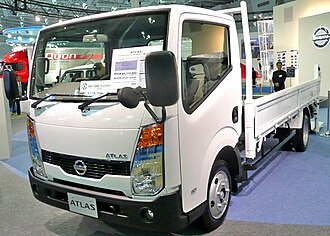
Nissan Atlas – A Complete Guide to Nissan’s Dependable Light-Duty Truck
The Nissan Atlas has earned a reputation as one of the most practical and dependable light-duty commercial trucks produced by Nissan. Designed primarily for businesses, logistics companies, construction firms, farmers, delivery services, and municipal operations, the Atlas has successfully balanced durability, affordability, and ease of maintenance for decades. While many commercial vehicles focus solely on utility, the Nissan Atlas demonstrates that a work truck can also provide reasonable comfort, efficient fuel consumption, and impressive versatility.
Throughout its production history, the Nissan Atlas has evolved alongside changing commercial transportation needs. Improvements in engine technology, driver ergonomics, emissions compliance, payload capacity, and safety have transformed the Atlas from a simple workhorse into a modern commercial platform capable of handling demanding daily operations. Depending on the market, the truck has been offered with multiple wheelbases, cab configurations, engine options, drivetrain layouts, and body styles, making it adaptable for an exceptionally wide range of industries.
This comprehensive guide explores the history, engineering, performance, strengths, maintenance requirements, ownership experience, and technical characteristics of the Nissan Atlas. Whether you are considering purchasing one, maintaining an existing vehicle, or simply learning about one of Nissan’s most successful commercial products, this article provides an in-depth overview of everything you should know.
The History of the Nissan Atlas
The Nissan Atlas first appeared in the early 1980s during a period when compact commercial trucks were becoming increasingly important across Asia and many international export markets. Businesses required vehicles capable of transporting significant loads while remaining compact enough to maneuver through crowded urban streets. Nissan responded by introducing a truck that emphasized reliability, straightforward engineering, and economical operation.
Over the following decades, the Atlas underwent several redesigns. Each new generation incorporated stronger chassis construction, more efficient diesel engines, improved suspension systems, enhanced braking performance, and updated cabins that reduced driver fatigue. As emissions regulations became stricter around the world, Nissan continuously refined the Atlas powertrain lineup to meet environmental standards while maintaining the durability expected by commercial fleet operators.
The Atlas has also benefited from numerous collaborations within the Japanese commercial vehicle industry. In some regions, various generations shared engineering platforms with trucks from other manufacturers through strategic partnerships. Despite these shared components, the Atlas maintained its own identity through Nissan branding, unique configurations, and market-specific equipment.
Exterior Design Philosophy
Unlike passenger vehicles that emphasize styling, the Nissan Atlas prioritizes practicality. Every exterior component serves a functional purpose. The cab-forward layout maximizes cargo space while minimizing the overall vehicle length, making it easier to navigate congested streets, warehouse loading zones, and construction sites. Large windows provide excellent visibility, while oversized mirrors reduce blind spots and improve driver confidence during parking or reversing.
The truck’s simple body panels are designed to withstand everyday wear and facilitate inexpensive repairs. Commercial vehicles inevitably encounter minor impacts during loading operations, so easily replaceable panels reduce repair costs and minimize downtime. Ground clearance is carefully balanced to allow easy loading while maintaining sufficient capability for uneven roads and light off-road conditions.
The front fascia has evolved over time, incorporating larger headlights, improved airflow management, and stronger bumpers. Although aesthetics are secondary, modern Atlas models present a professional appearance suitable for corporate fleets and government agencies alike.
Cabin Comfort and Driver Experience
One of the most significant improvements throughout the Atlas’s development has been the driver’s environment. Earlier generations featured highly utilitarian interiors with minimal equipment, reflecting the expectations of commercial operators at the time. Modern versions offer significantly improved ergonomics, adjustable seating positions, improved insulation against road noise, climate control systems, power windows in many variants, enhanced instrument clusters, and better storage solutions.
Since delivery drivers and commercial operators often spend long hours behind the wheel, comfort directly influences productivity. Nissan focused on reducing fatigue by improving seat support, optimizing steering wheel positioning, enhancing visibility, and simplifying the layout of frequently used controls. Storage compartments throughout the cabin accommodate paperwork, mobile devices, tools, beverages, and personal belongings.
Despite these improvements, the interior remains intentionally durable. Hard-wearing materials resist scratches, stains, moisture, and constant use. Rubber floor coverings simplify cleaning after muddy job sites or dusty construction environments.
Engine Options Throughout the Years
The Nissan Atlas has been offered with a broad selection of gasoline, diesel, and in certain markets alternative fuel powertrains. Diesel engines have traditionally dominated sales because they provide the low-end torque essential for carrying heavy payloads while maintaining excellent fuel economy.
Smaller displacement diesel engines have proven especially popular among urban delivery operators because they balance operating costs with sufficient performance. Larger diesel engines serve customers who routinely transport heavier cargo or operate in mountainous terrain. Many engines prioritize longevity over outright horsepower, producing strong torque at relatively low engine speeds.
Modern diesel engines benefit from common-rail fuel injection, turbocharging, improved combustion efficiency, electronic engine management, and emissions after-treatment technologies. These developments reduce fuel consumption while helping operators comply with increasingly strict environmental regulations.
Gasoline-powered variants remain available in some markets where lower purchase costs or regulatory requirements make them attractive alternatives. Regardless of fuel type, the Atlas powertrain philosophy has consistently emphasized dependability and ease of maintenance rather than maximum performance.
Transmission Choices
Depending on generation and market, buyers could choose between manual and automatic transmissions. Manual gearboxes have traditionally remained the preferred choice for commercial fleets due to their simplicity, lower maintenance costs, and excellent control when carrying heavy loads. Five-speed and six-speed manual transmissions are common across various model years.
Automatic transmissions have become increasingly popular, particularly for urban delivery routes involving frequent stop-and-go traffic. Modern automatic gearboxes improve driver comfort while maintaining competitive fuel efficiency through optimized gear ratios and electronic shift programming.
Payload Capacity and Cargo Versatility
Perhaps the Nissan Atlas’s greatest strength lies in its versatility. The chassis serves as the foundation for countless body configurations tailored to specialized industries. Flatbeds, box vans, refrigerated units, dump trucks, utility service bodies, tow trucks, cranes, ambulances, garbage collection equipment, mobile workshops, food trucks, and camper conversions have all been successfully built using the Atlas platform.
Payload capacity varies significantly depending on wheelbase, suspension specification, axle configuration, and regional regulations. The truck is engineered to distribute weight efficiently across its frame while maintaining predictable handling characteristics under heavy loads. Fleet managers appreciate the Atlas because its flexibility allows one platform to serve multiple operational requirements.
Driving Performance
Although performance is rarely the primary concern for commercial vehicles, the Nissan Atlas delivers predictable handling characteristics that inspire driver confidence. Steering remains light enough for urban maneuverability while providing sufficient feedback at higher speeds. The relatively compact dimensions allow tight turning circles, simplifying navigation through narrow streets and crowded industrial facilities.
Suspension tuning focuses on load carrying rather than passenger-car comfort. When unloaded, the ride can feel firm due to heavy-duty springs designed to support substantial cargo weights. Once loaded, however, the suspension performs exceptionally well, maintaining stability while absorbing road imperfections effectively.
Braking systems have continuously improved through successive generations. Modern Atlas models incorporate advanced safety technologies including anti-lock braking systems, electronic brake-force distribution, stability assistance, and traction control depending on specification.
Fuel Economy and Operating Costs
Commercial operators evaluate vehicles primarily by total operating cost rather than purchase price alone. The Nissan Atlas performs well in this regard because of its fuel-efficient engines, durable mechanical components, widely available replacement parts, and relatively straightforward servicing procedures.
Routine maintenance generally includes oil changes, fuel filter replacement, air filter servicing, brake inspections, cooling system maintenance, transmission fluid replacement, differential servicing, and suspension inspections. Because the Atlas has been produced for many years, aftermarket support remains extensive in numerous countries, reducing ownership costs compared with less common commercial vehicles.
Fleet operators often report excellent long-term durability when preventive maintenance schedules are followed consistently. Many Atlas trucks accumulate hundreds of thousands of kilometers while remaining mechanically dependable.
Reliability and Durability
Reliability is perhaps the defining characteristic of the Nissan Atlas. Commercial customers cannot afford frequent downtime, making dependability one of the vehicle’s strongest selling points. The robust ladder-frame chassis resists twisting under heavy loads, while proven drivetrain components are engineered to endure years of demanding commercial service.
Diesel engines are particularly well known for longevity when maintained properly. Cooling systems, transmissions, differentials, and suspension components are similarly designed with durability in mind. Although no commercial vehicle is immune to wear, the Atlas generally earns favorable reliability ratings among fleet managers who prioritize preventative maintenance.
Safety Features
Earlier generations focused primarily on structural integrity and driver visibility, reflecting commercial vehicle standards of their era. Modern Atlas models incorporate a much broader range of safety technologies. Airbags, reinforced passenger compartments, electronic stability control, anti-lock braking systems, traction control, hill-start assistance, improved seatbelt systems, and collision mitigation technologies have become increasingly common depending on market and trim level.
Visibility remains one of the Atlas’s greatest safety advantages. The elevated seating position combined with large glass areas provides drivers with an excellent view of surrounding traffic, pedestrians, cyclists, and loading zones.
Applications Across Multiple Industries
The Nissan Atlas has found widespread use across countless sectors. Delivery companies rely on refrigerated and enclosed cargo versions for transporting food and pharmaceuticals. Construction firms use flatbeds and dump bodies to carry equipment and materials. Utility providers outfit Atlas chassis with cranes and maintenance equipment. Municipal governments employ them for road maintenance, landscaping, sanitation, and emergency response.
Small business owners also appreciate the Atlas because it offers professional-grade capabilities without the operating costs associated with larger commercial trucks. Its versatility allows entrepreneurs to adapt the vehicle as business requirements evolve.
Maintenance Tips for Long-Term Ownership
Regular Oil Changes
Using high-quality engine oil at recommended service intervals significantly extends engine life. Commercial vehicles operating under heavy loads should receive particularly careful lubrication maintenance because elevated operating temperatures accelerate oil degradation.
Cooling System Inspection
Maintaining coolant quality and inspecting hoses, radiators, and water pumps helps prevent overheating, especially during demanding commercial use or hot climates.
Brake Maintenance
Frequent inspection of brake pads, discs, drums, hydraulic components, and parking brake systems ensures safe operation while reducing the likelihood of expensive repairs.
Suspension and Steering
Heavy payloads place considerable stress on suspension components. Regular inspections help identify worn bushings, shocks, springs, and steering joints before they compromise handling or tire wear.
Advantages of the Nissan Atlas
The Atlas offers numerous advantages that explain its enduring popularity among commercial operators. These include dependable mechanical reliability, efficient diesel engines, extensive aftermarket parts availability, versatile chassis configurations, durable construction, relatively low ownership costs, excellent visibility, practical cabin design, and impressive adaptability for specialized equipment installations.
Businesses seeking predictable operating expenses often favor the Atlas because unexpected repairs remain comparatively uncommon when routine maintenance is performed correctly. Furthermore, its straightforward engineering simplifies servicing in regions where advanced diagnostic equipment may not always be readily available.
Potential Drawbacks
No commercial vehicle is perfect, and the Nissan Atlas has a few limitations. Ride comfort when unloaded can feel firm because of heavy-duty suspension tuning. Older models naturally lack the sophisticated driver assistance technologies found in newer commercial vehicles. Some engines may produce noticeable diesel noise under acceleration, while performance prioritizes torque rather than speed. Nevertheless, these characteristics generally reflect practical engineering decisions rather than significant shortcomings.
Buying a Used Nissan Atlas
Purchasing a used Atlas can represent excellent value provided buyers perform a thorough inspection. Service history is especially important because commercial vehicles often experience demanding operating conditions. Potential buyers should examine chassis corrosion, suspension wear, engine condition, transmission operation, brake performance, cooling system integrity, electrical equipment, and previous accident repairs.
Imported Japanese-market examples remain popular in many countries due to their strong maintenance records and comparatively low mileage. However, availability of replacement parts and compliance with local regulations should always be verified before purchase.
The Future of the Nissan Atlas
Commercial transportation continues evolving toward greater efficiency, lower emissions, and increased connectivity. Future Atlas models are expected to incorporate additional driver assistance technologies, cleaner powertrains, improved telematics integration, and possibly expanded electrification depending on regional market demands. Fleet management systems, predictive maintenance software, and enhanced fuel-saving technologies are likely to become increasingly important components of the Atlas platform.
Despite rapid technological changes, the fundamental mission of the Nissan Atlas remains unchanged: providing businesses with a dependable, versatile, and economical commercial truck capable of performing demanding work every day.
Conclusion
The Nissan Atlas represents decades of continuous refinement focused on the practical needs of commercial vehicle operators. Rather than emphasizing luxury or performance, it delivers exactly what businesses require: durability, flexibility, reliability, manageable operating costs, and dependable everyday performance. Its adaptable chassis supports an enormous variety of specialized applications, while efficient diesel engines and straightforward engineering help minimize lifetime ownership expenses.
Whether transporting goods through busy city centers, supporting construction projects, maintaining public infrastructure, or serving as the foundation for highly specialized commercial equipment, the Nissan Atlas has consistently demonstrated why it remains one of the most respected light-duty trucks in its class. For businesses seeking a capable work vehicle built around long-term dependability, the Atlas continues to stand as a compelling choice.
Technical Specifications Summary
| Specification | Details |
|---|---|
| Manufacturer | Nissan |
| Vehicle Class | Light-duty commercial truck |
| Production Start | 1981 |
| Body Styles | Flatbed, Box Van, Dump Truck, Refrigerated Truck, Chassis Cab, Utility Body |
| Cab Configuration | Single Cab, Double Cab (market dependent) |
| Layout | Cab-over-engine (COE) |
| Drive Configuration | Rear-Wheel Drive (RWD), Four-Wheel Drive (4WD on selected models) |
| Engine Types | Gasoline and Diesel |
| Diesel Technology | Turbocharged, Common-Rail (modern models) |
| Transmission | 5-Speed Manual, 6-Speed Manual, Automatic (selected variants) |
| Frame Type | Ladder Frame |
| Steering | Power Steering |
| Front Suspension | Independent or Solid Axle (generation dependent) |
| Rear Suspension | Leaf Springs |
| Brakes | Disc Front, Drum Rear (varies by model) |
| Payload Capacity | Varies by configuration and market specification |
| Primary Applications | Cargo Transport, Construction, Delivery, Utility Services, Municipal Operations |
| Main Advantages | Reliability, Durability, Fuel Economy, Versatility, Low Operating Cost |
| Typical Fuel | Diesel (most common), Gasoline (selected markets) |
| Safety Features | ABS, Airbags, Stability Control, Traction Control (modern models) |
