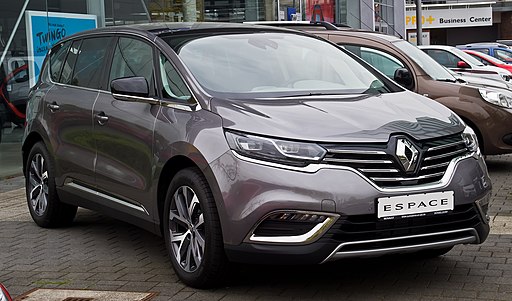
Renault Espace faults
Common Renault Espace Faults
Below is an organized overview of the most frequently reported issues across various Renault Espace generations. Each section groups faults by vehicle system, with details on symptoms, typical causes, and affected models.
Engine and Drivetrain
- Turbocharger Failure Symptoms: Noticeable power loss, increased exhaust smoke, and poor acceleration. Causes: Worn bearings, oil feed/return pipe blockages, overheating. Owners often overlook cleaning or replacing oil supply lines, accelerating turbo wear.
- Timing Belt Wear Symptoms: Engine misfires, rattling noises, or complete engine stoppage in severe cases. Causes: Exceeding recommended intervals. Belts usually require replacement every 5 years or ~70 000 km; chains on later engines around 100 000 km.
- Fuel Injector Problems Symptoms: Rough idling, reduced fuel economy, difficulty starting. Causes: Clogging from poor-quality fuel or infrequent maintenance. Cleaning or replacement is often needed around 100 000 km.
- Engine Overheating and Head Warping Symptoms: Coolant loss, white smoke, oil–coolant mixture. Causes: Faulty radiator hoses, thermostat failure, EGR blockages. Aluminium heads can warp if cooling issues persist, leading to seal failures and costly rebuilds.
- Diesel Particulate Filter (DPF) Blockage Symptoms: Reduced power, warning light, excessive soot. Causes: Short urban trips prevent proper regeneration; regular long drives or manual cleaning can help prevent failures.
Electrical and Climate Control
- Air Conditioning and Heater Matrix Leaks Symptoms: Weak/erratic HVAC control response, wet carpets, scalding coolant spray into cabin. Causes: Cracked heater matrix and faulty A/C control modules. Renault issued recalls for leaking heater cores that could spray hot coolant, potentially injuring occupants.
- Dashboard Electronics & Digital Speedometer Failures Symptoms: Erratic gauge readings or complete instrument cluster blackout. Causes: Failing circuit boards or poor solder joints. Fix often requires dashboard removal and module replacement.
- Electric Parking Brake Malfunction Symptoms: Brake not engaging/disengaging, error light displayed. Causes: Software faults or cable wear in electric handbrake units; diagnostic reset or wiring repair typically resolves it.
- Central Locking and Wiring Harness Issues Symptoms: Doors won’t lock/unlock, intermittent power windows or mirrors. Causes: Damaged door loom, water ingress. Replacing or repairing the harness and sealing door seals mitigates problems.
Suspension, Brakes, and Steering
- Worn Shock Absorbers and Bushings Symptoms: Bumpy ride, clunking noises over bumps, uneven tyre wear. Causes: Age-related wear on dampers and bushes, especially on pre-2006 models. Regular inspections and replacing worn components restore ride comfort.
- Brake Wear and ABS Sensor Faults Symptoms: ABS light illuminated, longer stopping distances, vibration under braking. Causes: Corroded wheel speed sensors or worn pads/rotors; sensor cleaning and brake job cures the issue.
- Steering Rack Leaks Symptoms: Power steering fluid puddles, heavy steering feel. Causes: Rack seals deteriorate with time; seal kit replacement or rack rebuild required.
Body, Trim, and Ancillary Components
- Heater Matrix and Heater Core Leaks Symptoms: Wet carpets, loss of heating, foul odour. Causes: Corroded core; full matrix replacement recommended.
- Spare Wheel Carrier Issues Symptoms: Spare wheel falling off, rattles under the vehicle. Causes: Winch cable corrosion or failure. Renault updated cross-member and winch design to prevent premature breaks.
- Door Seals and Trim Wear Symptoms: Doors stiff to open, wind noise, water ingress. Causes: Hardened rubber seal catches on trim. Replacing door seals and trimming edges fixes the issue.
- Sunroof and Spoiler Detachment Symptoms: Loose roof spoiler, water leaks, or roof panel misalignment. Causes: Age-related bonding failure on spoilers (notably on 2015–2018 models); adhesives and fasteners updated under recall programmes.
Recalls and Safety Notices
- Driver/Passenger “Easy Access” Seat Function Affected Models: 2023 Espace. Fault: Seat frame may retract incompletely, risking occupant injury during exit. Fixed by software update and revised seat mechanism under recall.
- NOx Sensor Retention Bolts Affected Models: 2018–2019 Espace V. Fault: Improperly tightened NOx sensor bolts can loosen, increasing fire risk. Renault issued a recall to retorque or replace the sensor assembly.
- Heater Matrix Coolant Spray Affected Models: Various 2010–2014 Espace IV. Fault: Leaking heater cores that spray hot coolant into the cabin, leading to potential scalds. Covered by recall and heater matrix replacement.
Renault Espace as a used car
When the Renault Espace first hit European roads in 1984, it redefined family transport. Decades later its blend of versatility, modular seating, and evolving design still makes it an attractive proposition on the used-car market. Below, we explore why the Espace remains compelling, dive into its generational evolution, lay out detailed technical specifications, flag common ownership pitfalls, and share buying and maintenance advice.
Why Choose a Used Renault Espace?
Versatility and Interior Space
The Espace pioneered modular cabin layouts. Seats fold flat, slide individually, and can be fully removed. Cargo volume ranges from around 200 L with seven seats up to well over 2 000 L with the cabin re-configured. For families, hobbyists, or small-business owners needing variable load space, that flexibility is hard to beat.
Unique Styling and Road Presence
Even early models boasted a futuristic monoshell body, while later iterations adopted sleeker MPV cues blended with SUV-like proportions. On today’s roads a used Espace still commands attention, offering a refreshing alternative to bland crossover designs.
Competitive Pricing
Depreciation has softened Espace prices substantially. Well-maintained examples from the third and fourth generations (2002–2014) often change hands for one-third of their original list price. For buyers on a budget, that delivers high equipment levels—leather seats, panoramic sunroof, navigation systems—for a fraction of the cost.
Generational Evolution
Espace I (1984–1991)
Developed in collaboration with Matra, the first Espace featured a fiberglass lower body and a steel upper shell. Powerplants included 1.7 L petrol and 2.0 L turbocharged variants. The dashboard’s swiveling seats and removable rows set benchmarks for interior adaptability.
Espace II (1991–1996)
A more robust steel structure improved rigidity and safety. The engine lineup expanded with 2.1 L turbodiesel and 1.8 L 16-valve petrol options. Electronic fuel injection and multi-point injection boosted efficiency and reliability.
Espace III (1996–2002)
Adopting a longer wheelbase and wider track, this generation brought third-row legroom improvements and enhanced crash protection. Diesel engines gained common-rail direct injection, and six-speed manual and four-speed automatic transmissions became available.
Espace IV (2002–2014)
With its monocoque chassis, aluminium liftgate, and integrated chassis electronics, the fourth generation straddled MPV and crossover territory. Engine choices ranged from the refined 1.9 dCi diesel to the 3.0 L V6 petrol, offering up to 230 hp in high-performance variants.
Espace V (2015–Present)
Latest models borrowed styling cues from the Renault Talisman, featuring LED lighting signatures, turbocharged petrol and diesel engines, and advanced driver-assistance systems. Seven-seat layouts returned with improved modularity and a fully digital cockpit.
Technical Specifications by Generation
Below are representative specifications for popular used-market engines and trim levels. Actual values may vary by market and production year.
Espace III (1996–2002)
| Feature | 1.9 dTi Diesel | 2.0 L 16V Petrol |
|---|---|---|
| Power (hp @ rpm) | 98 hp @ 4 000 rpm | 136 hp @ 6 000 rpm |
| Torque (Nm @ rpm) | 210 Nm @ 2 000 rpm | 180 Nm @ 3 750 rpm |
| Transmission | 5-speed manual | 5-speed manual or 4-speed AT |
| Combined Fuel Economy | 6.5 L/100 km | 9.8 L/100 km |
| CO₂ Emissions | 174 g/km | 235 g/km |
| Length × Width × Height | 4 550 × 1 820 × 1 650 mm | 4 550 × 1 820 × 1 650 mm |
| Wheelbase | 2 800 mm | 2 800 mm |
Espace IV (2002–2014)
| Feature | 1.9 dCi 120 Diesel | 3.0 L V6 Petrol |
|---|---|---|
| Power (hp @ rpm) | 120 hp @ 4 000 rpm | 207 hp @ 5 750 rpm |
| Torque (Nm @ rpm) | 300 Nm @ 2 000 rpm | 270 Nm @ 3 750 rpm |
| Transmission | 6-speed manual or CVT (2.2 dCi) | 6-speed manual or AT |
| Combined Fuel Economy | 6.2 L/100 km | 11.5 L/100 km |
| CO₂ Emissions | 162 g/km | 266 g/km |
| Cargo Volume (7 seats up) | 247 L | 247 L |
| Cargo Volume (seats down) | 2 600 L | 2 600 L |
Espace V (2015–)
| Feature | 1.6 dCi 160 Diesel | 1.8 T 225 Petrol |
|---|---|---|
| Power (hp @ rpm) | 160 hp @ 4 000 rpm | 225 hp @ 5 500 rpm |
| Torque (Nm @ rpm) | 380 Nm @ 1 750 rpm | 300 Nm @ 2 000–4 500 rpm |
| Transmission | 6-speed manual or 7-speed DCT | 7-speed dual-clutch |
| Combined Fuel Economy | 5.7 L/100 km | 8.9 L/100 km |
| CO₂ Emissions | 149 g/km | 202 g/km |
| Safety | 6 airbags, lane-assist, AEB | 6 airbags, blind-spot alert |
Common Issues and Maintenance Tips
Engine and Drivetrain
- Timing Belt Intervals Replace every 5 years or 100 000 km. Failure risks catastrophic engine damage.
- Diesel Particulate Filter (DPF) Urban use can clog the DPF. Regular highway runs or professional cleaning keep regeneration cycles healthy.
Electrical and Electronics
- Instrument Cluster Glitches Early Espace IV clusters can suffer from failing solder joints. A refurbished cluster typically resolves erratic gauges.
- HVAC Control Panel Wear Buttons and rotary dials may become unresponsive. Third-party service kits offer replacement actuators.
Suspension and Steering
- Rear Shock Absorber Leaks Inspect for oil residue around dampers. Worn shocks affect handling and ride comfort; replacement recommended every 100 000 km.
- Steering Rack Seals Check for minor leaks under the front subframe. Replacing seal kits restores stiffness to the steering feel.
Body and Trim
- Sunroof Drain Blockages Blocked sunroof drains can flood the footwells. Clearing tubes annually prevents water ingress and damp-rot.
- Door Seal Degradation Persistent wind noise often traces back to perished rubber seals. Door-seal kits are economical DIY replacements.
Buying Advice
Pre-Purchase Inspection
- Service History Verification Look for consistent oil changes, belt replacements, and DPF cleanings. Gaps often hide looming repair bills.
- Test-Drive Checks Listen for turbo whistle on diesel models. Feel for shudder on gear changes. Test all seat-slide functions for binding or noise.
- Rust and Underbody Examine subframes, mounting points, and rear spare-wheel housing. Early models can corrode, especially in cold-climate countries.
Price vs. Specification
- Models with common-rail diesel engines (1.9 dCi, 2.2 dCi) often strike the best balance of efficiency and longevity.
- High-trim variants loaded with electronics fetch premium prices and may present costlier future repairs.
- Third-party extended warranties or certified-pre-owned schemes can offer extra peace of mind.
Conclusion
The Renault Espace remains one of the most original and adaptable family vehicles on the used-car market. Its generations have progressively refined driving dynamics, refinement, and technology, while retaining spacious seating and cargo flexibility. Careful selection—focusing on full service history, sound engines, and rust-free bodies—will reward buyers with years of hassle-free motoring. If you prize modularity, characterful styling, and strong equipment levels, a well-chosen used Espace stands out as a truly compelling choice.
_%E2%80%93_Frontansicht,_2._Mai_2015,_D%C3%BCsseldorf.jpg)