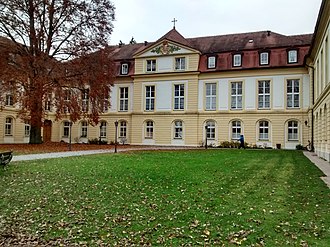
Schloss Bruckberg (Mittelfranken): A Quiet Jewel of Franconian Heritage
Nestled in the gentle landscapes of Middle Franconia, Schloss Bruckberg is one of those places that does not immediately dominate tourist brochures, yet quietly rewards anyone who takes the time to explore it. Surrounded by the rolling countryside, shaped by centuries of regional history, and infused with architectural elegance, the castle embodies the layered identity of Bavaria itself. In a region where medieval towns, baroque churches, and pastoral scenery intertwine, Schloss Bruckberg stands as both a historical landmark and a living cultural site.
Unlike the more famous Bavarian castles that draw crowds from across the globe, Schloss Bruckberg invites a slower, more contemplative experience. Its story is not just one of noble families and architectural transformation, but also of adaptation, resilience, and cultural continuity. In this article, we will explore the origins, architecture, historical significance, and modern-day role of Schloss Bruckberg, shedding light on why it deserves a place on any thoughtful traveler’s itinerary.
The Historical Roots of Schloss Bruckberg
Early Beginnings and Medieval Context
The origins of Schloss Bruckberg can be traced back to the medieval period, when the Franconian region was a patchwork of territories governed by noble families, ecclesiastical authorities, and emerging urban centers. While the exact date of the earliest structure on the site remains uncertain, historical records suggest that a fortified residence existed here by the late Middle Ages.
During this time, castles were not merely residences—they were symbols of power, centers of administration, and defensive strongholds. Positioned strategically near trade routes and agricultural lands, Bruckberg’s early structure would have played a role in controlling local resources and ensuring regional stability.
As with many castles in Franconia, the initial fortification likely consisted of a modest stone structure, perhaps surrounded by wooden palisades or early defensive walls. Over time, as the political climate stabilized and warfare evolved, the need for heavy fortification diminished, allowing the castle to transition into a more refined residential estate.
Renaissance Transformation
The Renaissance period brought significant changes to Schloss Bruckberg. Across Europe, the rigid defensive architecture of medieval castles began to give way to more elegant and comfortable residences that reflected the ideals of humanism, art, and culture.
At Bruckberg, this transformation was marked by structural expansion and stylistic refinement. Windows became larger, interiors more elaborate, and the overall design shifted toward symmetry and aesthetic harmony. The castle began to resemble a stately home rather than a fortress, signaling both the changing times and the aspirations of its owners.
This period also saw the introduction of gardens and landscaped surroundings, which played an increasingly important role in aristocratic life. These outdoor spaces were not only for leisure but also served as displays of wealth and cultural sophistication.
Architectural Features of Schloss Bruckberg
Exterior Design and Layout
One of the most striking aspects of Schloss Bruckberg is its architectural balance. The building does not overwhelm with grandeur but instead impresses through proportion, harmony, and understated elegance. Its façade reflects a blend of Renaissance and later stylistic influences, with clean lines and a sense of order that is characteristic of Franconian noble residences.
The castle is typically organized around a central courtyard, a common feature in regional architecture. This layout creates a sense of enclosure and privacy while also allowing natural light to reach the interior spaces. The surrounding structures, including auxiliary buildings and former service quarters, contribute to the overall composition, forming a cohesive estate rather than a single isolated building.
The use of local materials, such as sandstone, ties the castle visually to its environment. This connection between architecture and landscape is a defining feature of many Franconian structures, and Schloss Bruckberg is no exception.
Interior Spaces and Decorative Elements
Inside the castle, the atmosphere shifts from the structured exterior to a more intimate and detailed environment. Rooms are often arranged in enfilade, allowing for a natural flow from one space to another. High ceilings, decorative moldings, and carefully crafted woodwork reflect the craftsmanship of the period.
While some areas have been modernized over time, many original features remain, offering glimpses into the lifestyle of past inhabitants. Fireplaces, ornate doors, and period-specific details provide a sense of continuity, bridging centuries of use and adaptation.
Particularly noteworthy are the ceremonial rooms, which would have been used for gatherings, receptions, and important social events. These spaces often feature more elaborate decoration, including painted ceilings or wall panels that reflect artistic trends of their respective eras.
The Noble Families of Bruckberg
Ownership and Lineage
Like many historic estates, Schloss Bruckberg has passed through the hands of several noble families over the centuries. Each owner left their mark, whether through architectural modifications, cultural patronage, or changes in estate management.
The lineage associated with the castle is deeply intertwined with the history of Franconia itself. Noble families in the region often maintained close ties to both local governance and broader political structures within the Holy Roman Empire and later the Kingdom of Bavaria.
These connections influenced not only the castle’s development but also its role within the community. As a seat of local authority, Schloss Bruckberg would have been a place where decisions were made, disputes settled, and alliances formed.
Cultural and Social Influence
Beyond politics, the families who lived at Schloss Bruckberg contributed to the cultural life of the region. Patronage of the arts, support for local churches, and involvement in community affairs were all part of their responsibilities and social standing.
The castle likely hosted numerous events, from formal gatherings to seasonal celebrations, reinforcing its role as a cultural hub. Even today, traces of this legacy can be felt in the way the estate is integrated into local life.
Schloss Bruckberg in the Modern Era
Adaptation and Preservation
The transition from a noble residence to a modern heritage site is never simple, and Schloss Bruckberg is no exception. Like many historic buildings, it has faced challenges related to maintenance, funding, and changing societal needs.
However, the castle has managed to adapt while preserving its historical character. Restoration efforts have focused on maintaining structural integrity and protecting original features, ensuring that future generations can continue to experience its unique atmosphere.
In some cases, parts of the castle have been repurposed for new uses, such as cultural events, exhibitions, or educational activities. This adaptive reuse is crucial for the survival of historic sites, allowing them to remain relevant in a contemporary context.
Public Access and Community Engagement
Today, Schloss Bruckberg serves not only as a historical monument but also as a space for community engagement. Events, guided tours, and cultural programs bring the castle to life, offering visitors a chance to connect with its history in a meaningful way.
The surrounding grounds also play an important role, providing a setting for outdoor activities and seasonal events. This integration of history and community creates a dynamic environment where the past is not simply preserved but actively experienced.
The Surrounding Landscape
Franconian Countryside
One of the defining features of Schloss Bruckberg is its setting within the Franconian countryside. Rolling hills, fields, and forests create a picturesque backdrop that enhances the castle’s appeal.
This landscape is not only beautiful but also historically significant. Agriculture has long been a cornerstone of the region’s economy, and estates like Bruckberg were deeply connected to the land they managed.
Walking through the surrounding area, one can gain a deeper appreciation for the relationship between the castle and its environment. The layout of fields, the presence of old pathways, and the positioning of auxiliary buildings all reflect centuries of interaction between human activity and natural surroundings.
Gardens and Outdoor Spaces
While not as expansive as some grand palace gardens, the grounds of Schloss Bruckberg offer a more intimate and accessible experience. Paths wind through landscaped areas, inviting visitors to explore at their own pace.
These outdoor spaces serve as a reminder of the evolving role of gardens in European history—from practical kitchen gardens to ornamental landscapes designed for leisure and contemplation.
Cultural Significance and Legacy
A Reflection of Regional Identity
Schloss Bruckberg is more than just a historic building; it is a reflection of Franconian identity. Its architecture, history, and continued use all contribute to a broader narrative about the region’s past and present.
Franconia, with its distinct cultural traditions and historical development, differs in many ways from other parts of Bavaria. Castles like Bruckberg help illustrate these differences, offering insights into local customs, governance, and artistic expression.
Educational Value
For historians, students, and curious visitors, Schloss Bruckberg provides a valuable educational resource. Its layered history allows for exploration of multiple themes, from medieval fortification to Renaissance design and modern preservation practices.
Guided tours and informational materials help contextualize the site, making it accessible to a wide audience. This educational aspect ensures that the castle’s significance extends beyond its physical presence.
Visiting Schloss Bruckberg
Practical Considerations
For those planning a visit, Schloss Bruckberg offers a quieter alternative to more crowded tourist destinations. Its location in Middle Franconia makes it accessible while still retaining a sense of seclusion.
Visitors should check opening hours and available tours in advance, as access may vary depending on events or restoration work. Comfortable walking shoes are recommended, especially for exploring the grounds.
What to Expect
A visit to Schloss Bruckberg is less about spectacle and more about atmosphere. It is a place to slow down, observe details, and immerse oneself in history.
Whether wandering through its rooms, strolling the grounds, or simply taking in the surrounding landscape, visitors are likely to leave with a deeper appreciation for the subtle beauty and historical richness of the site.
Why Schloss Bruckberg Deserves More Attention
Hidden Gems vs. Famous Landmarks
In an age of mass tourism, lesser-known sites like Schloss Bruckberg offer a refreshing alternative. Without the crowds and commercialization of more famous landmarks, they provide a more authentic and personal experience.
This does not mean they are less significant—on the contrary, their relative obscurity often preserves their character and integrity. Schloss Bruckberg exemplifies this, standing as a testament to the value of exploring beyond the usual destinations.
A Place of Continuity
Perhaps the most compelling aspect of Schloss Bruckberg is its sense of continuity. Despite centuries of change, it remains a place where history is tangible and present.
From its medieval origins to its modern role as a cultural site, the castle has adapted while retaining its core identity. This balance between preservation and evolution is what makes it truly special.
Conclusion
Schloss Bruckberg in Mittelfranken is a quiet yet profound example of Franconian heritage. It may not boast the dramatic towers or fairy-tale reputation of more famous castles, but it offers something equally valuable: authenticity, depth, and a strong connection to its surroundings.
Through its architecture, history, and ongoing role in the community, the castle tells a story that spans centuries. It invites visitors to look beyond the surface, to appreciate the nuances of regional history, and to experience a place where the past and present coexist.
