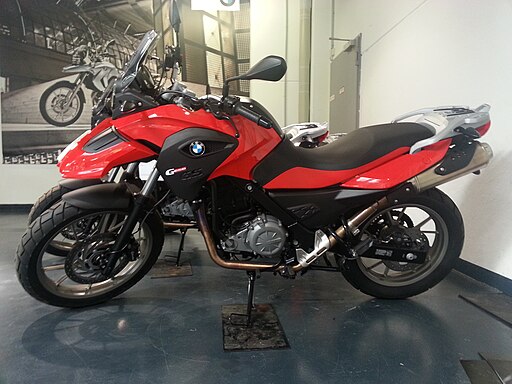
The BMW G 650 GS is a mid-displacement adventure motorcycle developed by BMW Motorrad to offer a versatile and dependable riding experience across both urban and light off-road environments. Positioned between smaller commuters and larger adventure tourers, the G 650 GS delivers a balance of manageable weight, adaptable performance, and everyday usability that appeals to riders seeking a road-friendly machine capable of occasional trail exploration. Its design philosophy emphasizes simplicity, robustness, and a comfortable, upright riding position that enhances control and confidence under varied conditions. Produced throughout the 2000s and into the 2010s with several updates, the G 650 GS has earned a reputation for reliability and practicality in the adventure segment.
Engine Architecture and Performance
The powerplant of the BMW G 650 GS is a 652 cc single-cylinder, water-cooled four-stroke engine equipped with double overhead camshafts (DOHC) and four valves per cylinder, a configuration that promotes efficient airflow and combustion across the rev range. The engine’s bore and stroke measure 100 mm x 83 mm, and it runs with a compression ratio of 11.5 : 1, which allows it to generate a broad torque curve suited to both steady cruising and flexible midrange performance. Output figures vary slightly across model years, with peak power generally around 35 kW (approximately 48 hp) at about 6 500 rpm and maximum torque approximately 60 Nm at around 5 000 rpm, delivering enough thrust to handle highway speeds and spirited back-road riding with ease. Fuel delivery is managed via electronic fuel injection with twin-spark ignition and engine management, combining precise metering with relatively low emissions and responsive throttle feel. The engine breathes through a carefully designed exhaust and catalytic system that meets emission standards while maintaining usable performance.
The transmission system consists of a constant-mesh five-speed gearbox and a wet multi-plate clutch operating in an oil bath, chosen for durability and smooth actuation. Power is ultimately delivered to the rear wheel through an endless O-ring chain with shock damping in the rear hub, a setup that balances minimal maintenance with dependable drive characteristics.
Chassis, Suspension, and Braking
The chassis of the G 650 GS is anchored by a bridge-type steel section frame with a bolted-on rear section, engineered to provide rigidity and stability without excessive weight. The front suspension features a 41 mm telescopic fork with a stabilizer brace, offering approximately 170 mm of travel, which soaks up bumps and irregular terrain while maintaining steering precision. The rear suspension uses a box-section steel dual-sided swingarm with a centrally mounted spring strut, with hydraulically adjustable preload and rebound damping controlled by a handwheel, delivering about 165 mm of travel that contributes to ride comfort and traction on varied surfaces. These suspension components ensure that the bike remains composed whether carving through twisty roads or navigating unpaved backroads.
Stopping power is provided by a 300 mm single front disc with a dual-piston floating caliper and a 240 mm rear disc with a single-piston caliper, both augmented by BMW Motorrad ABS that can be switched off for off-road use when the rider desires less intervention. The wheel arrangement uses cast aluminum rims with a 19-inch front and 17-inch rear fitted with 110/80 R19 and 140/80 R17 tires respectively, striking an effective compromise between on-road grip and off-road capability.
Dimensions, Weight, and Ergonomics
In terms of physical dimensions, the BMW G 650 GS measures approximately 2 165 mm in length, with a width of around 920 mm (including mirrors) and a height near 1 390 mm (excluding mirrors) in its later-generation form. The wheelbase is about 1 477 mm, contributing to stable handling at higher speeds and confidence in off-road conditions, while maintaining agility for urban maneuvering. Seat height is typically around 780 mm, with options for adjustment or variations using accessory equipment that allow riders of different statures to find an optimal riding position. The bike’s ergonomics favor an upright posture, wide handlebars, and well-placed foot controls, delivering comfort over long distances and excellent visibility in traffic.
Weight figures for the G 650 GS can vary by model year and equipment, but a typical wet weight (road-ready) is in the vicinity of 192 kg, with a dry weight around 175 kg, yielding a balanced feel that does not overwhelm less experienced riders while still feeling stable at speed. The fuel tank capacity on later models is around 14.0 litres with a reserve of roughly 4 litres, providing a practical range for touring and commuting alike.
Electrical System and Controls
The electrical architecture of the G 650 GS includes a three-phase alternator rated approximately 400 W paired with a 12 V/12 Ah maintenance-free battery, providing sufficient power for lighting, ignition, and auxiliary systems. The lighting package traditionally uses halogen units for headlight high and low beams, accompanied by standard rear and indicator lights. Instrumentation typically integrates an analog speedometer with an LCD display that offers odometer, trip meter, and other essential readouts, ensuring riders have the information they need at a glance. Electrical controls are intuitive and designed for ease of use, with switchgear that remains accessible even when wearing gloves. (BMW Group PressClub)
Performance Characteristics and Practical Use
From a performance perspective, the BMW G 650 GS delivers a top speed in the region of 170 km/h (about 105 mph), supported by a torque curve that makes overtaking and highway riding comfortable well into legal touring speeds. Fuel economy is efficient for an adventure-oriented single, with real-world figures often around 3.2 to 3.7 litres per 100 km under moderate riding conditions, translating to a respectable range from its modest tank capacity. The bike’s balance of weight, torque, and chassis dynamics allows riders to tackle a broad spectrum of scenarios — from daily commuting and weekend tours to light off-road excursions — without feeling out of place or underspecified.
Summary: A Versatile Mid-Sized Adventure Machine
Overall, the BMW G 650 GS stands as a technically well-rounded adventure motorcycle that delivers a compelling blend of performance, comfort, and practicality. Its single-cylinder engine provides usable power and efficiency, while its suspension and chassis geometry support both road and light off-road use. With approachable ergonomics and thoughtful integration of electrical and braking systems, the G 650 GS remains an enduring choice for riders seeking a versatile all-rounder in the mid-sized adventure category.
