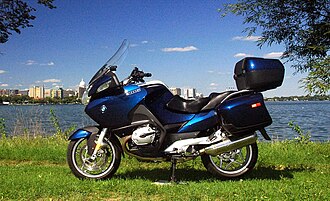
BMW R1200RT – The Motorcycle That Turned Long-Distance Touring Into an Art Form
There are motorcycles that impress during a short test ride, and then there are motorcycles that quietly reshape the way riders think about distance, comfort, and real-world performance. The BMW R1200RT belongs firmly in the second category. It is not a machine designed purely for adrenaline-filled acceleration runs or aggressive track-day heroics. Instead, it was engineered to master the open road in all conditions, carrying rider and passenger across countries, mountains, highways, rainstorms, and endless horizons with a confidence few motorcycles have ever matched.
The R1200RT earned its reputation over years of refinement and development. It became the choice of riders who valued endurance, practicality, and engineering sophistication over flashy marketing. For many motorcyclists, the RT was the first bike that made 1,000-kilometer days feel realistic rather than exhausting. It represented the idea that touring motorcycles could still feel agile, emotional, and engaging while delivering exceptional comfort.
BMW Motorrad already had decades of touring heritage before the arrival of the R1200RT, but this model elevated the concept to another level. It combined the unmistakable boxer engine character with modern electronics, aerodynamic protection, shaft-drive convenience, and ergonomics refined through countless miles of rider feedback. While many touring motorcycles became massive and intimidating, the R1200RT somehow retained balance and composure. It felt substantial without becoming overwhelming.
The motorcycle quickly gained popularity among long-distance enthusiasts, police departments, experienced commuters, and riders who simply wanted one motorcycle capable of doing almost everything. It could handle city traffic during the week, devour highways on weekends, and cross entire continents during summer holidays. That versatility is one of the main reasons the model remains so respected even years after production ended.
To understand the BMW R1200RT properly, however, requires more than simply looking at horsepower figures or equipment lists. The true character of this motorcycle appears only when examining the engineering philosophy behind it, the riding experience it delivers, and the emotional connection riders often develop with it after thousands of kilometers together.
This article explores the BMW R1200RT in detail — its design, technology, riding dynamics, comfort, touring capability, reliability, ownership experience, and enduring legacy among sport-touring motorcycles.
The Origins of the BMW RT Series
Before the R1200RT arrived, BMW already had a long-standing tradition of producing motorcycles designed for long-distance travel. The RT designation itself had become synonymous with touring excellence. Earlier generations like the R100RT and R1150RT established BMW as a dominant force in the touring motorcycle world.
These motorcycles were never simply about luxury. BMW approached touring differently from many competitors. Instead of building oversized highway cruisers focused entirely on straight-line comfort, BMW created machines capable of handling mountain roads, changing weather conditions, and long travel days without sacrificing precision. The RT models became known for combining touring comfort with surprisingly agile handling.
When BMW introduced the R1200RT in 2005, expectations were enormous. The company needed to modernize the platform while preserving the qualities loyal RT owners loved. The result was a motorcycle that represented a major leap forward in technology, weight reduction, and overall performance.
Compared to the older R1150RT, the new R1200RT was lighter, more powerful, and more sophisticated. BMW engineers focused heavily on reducing weight because touring motorcycles often suffered from excessive bulk. The company managed to cut significant kilograms from the platform while increasing power and adding advanced electronic systems.
The new model also reflected changing expectations among touring riders. Motorcyclists no longer wanted machines that excelled only on highways. Riders demanded comfort without sacrificing handling. They wanted electronic rider aids, improved weather protection, better fuel efficiency, and stronger overall performance. The R1200RT delivered all of these qualities in a package that remained unmistakably BMW.
Over time, the motorcycle evolved further. Early air/oil-cooled versions eventually gave way to more advanced liquid-cooled variants. Electronics became more sophisticated. Suspension systems improved. Rider aids expanded. Yet the core identity of the RT remained remarkably consistent.
It was always a motorcycle designed for riders who viewed travel itself as the destination.
Boxer Engine Character – The Soul of the R1200RT
At the center of the BMW R1200RT sits one of the most recognizable motorcycle engines in the world: the boxer twin.
BMW’s boxer engine configuration has been part of the company’s identity for generations, and in the R1200RT it reached an exceptionally refined stage of development. The horizontally opposed cylinders sticking out from both sides of the motorcycle are not merely a visual trademark. They fundamentally shape the riding experience.
The 1170 cc boxer engine provides strong low-end torque, smooth power delivery, and excellent balance characteristics. Unlike high-revving sportbike engines that demand aggressive throttle inputs and constant gear changes, the boxer engine encourages relaxed but confident riding. Torque arrives early and remains accessible across a wide RPM range.
This matters enormously during long-distance travel. On mountain roads, the R1200RT can accelerate out of corners effortlessly without requiring constant downshifting. On highways, overtaking slower traffic feels immediate and controlled. Even with luggage and a passenger onboard, the engine rarely feels strained.
One of the most distinctive sensations of the boxer engine appears during startup. The motorcycle gently rocks sideways due to the crankshaft layout. Riders either love this characteristic immediately or grow deeply attached to it over time. It gives the bike personality in a world where many motorcycles increasingly feel electronically sterilized.
The engine also contributes to the motorcycle’s low center of gravity. Because the cylinders sit low and horizontally opposed, weight distribution remains exceptionally balanced. This is one reason the R1200RT often feels lighter while moving than its specifications suggest.
Early R1200RT models used an air/oil-cooled boxer engine producing approximately 110 horsepower and around 115 Nm of torque. Later updates introduced dual overhead camshaft technology and improved performance characteristics. Eventually, BMW launched the liquid-cooled generation, increasing power to approximately 125 horsepower and significantly improving refinement.
Despite these changes, BMW wisely preserved the boxer’s essential character. Riders still experienced the deep mechanical feel, immediate torque response, and unmistakable pulse that defined the platform.
Importantly, the engine was not designed to dominate drag races. Its purpose was sustainable performance across thousands of kilometers. It excelled in real-world riding situations where usable torque, reliability, and smooth operation mattered more than headline acceleration figures.
The boxer engine became one of the primary reasons many RT owners remained loyal to BMW for decades.
Touring Comfort – Where the R1200RT Truly Dominates
Many motorcycles advertise themselves as touring machines, but relatively few genuinely deliver all-day comfort without major compromises. The BMW R1200RT earned its reputation because it understood touring comfort in a comprehensive way.
Comfort is not simply about having a soft seat. True touring comfort involves wind protection, ergonomics, suspension quality, heat management, vibration control, riding posture, luggage integration, passenger accommodations, and fatigue reduction over long distances.
The R1200RT addressed all of these areas exceptionally well.
The riding position is one of the motorcycle’s greatest strengths. BMW designed the ergonomics to create a natural upright posture that minimizes strain on the wrists, shoulders, and lower back. Riders sit in a commanding but relaxed position with excellent visibility. Unlike aggressive sport-touring motorcycles that lean riders forward, the RT encourages endurance rather than tension.
The seat itself became famous for long-distance capability. BMW also offered multiple seat height options, allowing riders of different sizes to tailor the bike to their needs. This adaptability helped the R1200RT appeal to a broader range of motorcyclists.
Wind protection represented another major achievement. The electrically adjustable windscreen allowed riders to adapt airflow depending on weather conditions and riding speed. In poor weather, the fairing and windscreen created impressive protection from rain and cold air. During hot summer rides, the screen could be adjusted to improve ventilation.
Many riders discovered that the RT dramatically reduced fatigue compared to naked bikes or less sophisticated touring motorcycles. Hours on the highway became easier because wind pressure no longer constantly strained neck and shoulder muscles.
Passenger comfort was equally impressive. The rear seat offered generous space, supportive ergonomics, and secure grab handles. Combined with smooth suspension tuning and excellent stability, the motorcycle became highly attractive for two-up touring.
Heated grips and heated seats further expanded the bike’s practicality in colder climates. Riders frequently used the R1200RT for year-round commuting and long-distance winter travel because the motorcycle handled adverse weather remarkably well.
Storage solutions also demonstrated BMW’s practical engineering mindset. Integrated panniers provided substantial luggage capacity without compromising handling excessively. Optional top cases increased carrying capability even further.
The result was a motorcycle capable of transporting riders across Europe, North America, or virtually any touring route with exceptional comfort.
Telelever and Paralever – BMW’s Unique Suspension Philosophy
One of the most technically fascinating aspects of the BMW R1200RT is its suspension design.
Most motorcycles use conventional telescopic forks in the front and a traditional swingarm in the rear. BMW, however, pursued a different engineering philosophy through its Telelever and Paralever systems.
The Telelever front suspension separates steering forces from suspension movement. Instead of relying entirely on traditional forks for suspension duties, the system uses a wishbone-style design combined with a central shock absorber.
This setup offers several important advantages.
The most noticeable benefit is reduced front-end dive during braking. On conventional motorcycles, hard braking compresses the front suspension significantly, which can alter geometry and unsettle the bike. The Telelever system minimizes this effect, helping maintain stability and composure.
For touring riders, this creates a more controlled and less fatiguing riding experience. The motorcycle remains balanced even during aggressive braking maneuvers or emergency stops.
The Paralever rear suspension system addresses another issue associated with shaft-drive motorcycles. Traditional shaft-drive systems can create undesirable suspension reactions under acceleration and deceleration. BMW’s Paralever design minimizes these effects, helping the motorcycle feel more neutral and predictable.
Together, these systems give the R1200RT a remarkably composed personality.
Some riders initially need time to adapt because the suspension feel differs from conventional motorcycles. The front end provides less dramatic feedback during braking, which can feel unusual at first. However, many experienced RT riders eventually become deeply attached to the system because of its stability and confidence-inspiring behavior.
The suspension also performs exceptionally well during long-distance touring. Road imperfections are absorbed effectively, reducing rider fatigue while preserving handling precision.
Later models equipped with Electronic Suspension Adjustment (ESA) pushed the technology even further. Riders could electronically adjust damping settings depending on riding conditions, passenger load, and road surfaces.
This transformed the motorcycle’s adaptability.
A rider could comfortably commute through urban traffic during the week, then switch settings for aggressive mountain riding or fully loaded touring without manually adjusting suspension components.
BMW’s commitment to engineering innovation clearly separated the R1200RT from many competitors.
Long-Distance Riding Experience – A Motorcycle Built for Continents
The true greatness of the BMW R1200RT reveals itself during long journeys.
Many motorcycles feel exciting for short rides but become exhausting after several hours. The RT was engineered specifically to maintain comfort, stability, and rider confidence over extreme distances.
One of the defining characteristics of the motorcycle is how effortlessly it covers ground. Highway speeds feel calm and composed. Wind protection remains effective even in difficult weather conditions. The engine turns relatively low RPMs during cruising, contributing to reduced vibration and improved fuel efficiency.
The shaft-drive system plays an important role here as well. Unlike chain-driven motorcycles that require regular lubrication and adjustment, the shaft drive significantly reduces maintenance during long trips. Riders can focus on the journey instead of constantly servicing drivetrain components.
Fuel range is another major advantage. With a large fuel tank and respectable fuel economy, the R1200RT can travel substantial distances between stops. This capability becomes especially valuable in remote regions or during high-mileage touring days.
The bike’s stability at speed is particularly impressive. Crosswinds, uneven pavement, and heavy luggage loads rarely upset the chassis significantly. BMW engineered the motorcycle to remain predictable under real-world touring conditions.
This stability contributes enormously to rider confidence.
The RT also handles poor weather exceptionally well. Touring riders inevitably encounter rain, cold temperatures, and changing climates. The extensive fairing, adjustable windscreen, heated accessories, and refined ergonomics help riders remain comfortable when conditions deteriorate.
Many owners describe the R1200RT as a motorcycle that encourages exploration. Riders often discover themselves planning longer trips simply because the machine makes distance feel manageable.
It is not unusual to hear RT owners describe 800-kilometer or even 1,000-kilometer days as surprisingly comfortable.
This ability to transform extreme travel from endurance challenge into enjoyable experience explains much of the motorcycle’s legendary reputation.
Technology and Electronics – BMW’s Touring Innovation
The BMW R1200RT was among the motorcycles that helped normalize advanced electronics in the touring segment.
While earlier generations of touring motorcycles relied mostly on mechanical simplicity, BMW recognized that electronics could genuinely improve comfort, safety, and adaptability when implemented properly.
ABS braking systems became a major part of the RT experience. BMW invested heavily in braking technology, and the motorcycle gained a reputation for excellent stopping performance.
Traction control systems added another layer of safety, especially during wet-weather riding. Touring riders often encounter unpredictable road conditions, and electronic rider aids can significantly improve confidence during difficult situations.
Electronic Suspension Adjustment represented one of the most appreciated features among owners. Rather than manually adjusting suspension settings with tools, riders could alter damping characteristics electronically.
This convenience mattered more than many people initially expected.
For example, a rider traveling alone could select a softer comfort-oriented setup. Adding luggage and a passenger required only a few button presses to optimize the suspension for additional weight.
Cruise control further enhanced long-distance capability. On extended highway sections, riders could relax throttle-hand fatigue while maintaining stable cruising speeds.
The instrument cluster also reflected BMW’s touring priorities. Information was presented clearly and comprehensively. Navigation integration, trip computers, fuel consumption data, temperature readings, and other useful details supported the touring experience.
Later liquid-cooled generations expanded technological sophistication even further with ride modes, semi-active suspension systems, and advanced connectivity features.
Importantly, BMW generally integrated these technologies in ways that enhanced rather than overwhelmed the riding experience.
The R1200RT still felt like a motorcycle first.
Handling and Real-World Agility
At first glance, the BMW R1200RT appears large and substantial. Many riders assume it must handle like a heavy touring machine focused purely on comfort.
Then they ride one.
The motorcycle’s handling surprises many first-time riders because it feels dramatically more agile than expected.
The low center of gravity created by the boxer engine contributes significantly to this sensation. Once moving, the bike disguises its weight remarkably well. Steering remains stable yet responsive. The chassis communicates confidence without nervousness.
On winding mountain roads, the RT demonstrates an unexpectedly sporty side. It transitions smoothly between corners, maintains composure under braking, and delivers predictable traction.
This dual personality became one of the motorcycle’s greatest strengths.
The R1200RT could comfortably cross entire countries while still entertaining experienced riders on technical roads.
BMW carefully balanced stability and agility. Touring motorcycles that prioritize comfort too heavily often feel vague or sluggish during aggressive riding. Sport-oriented machines may feel unstable or tiring during long-distance travel.
The RT occupied a highly effective middle ground.
Riders frequently described the motorcycle as feeling “smaller than it is” while moving. Parking-lot maneuvers still required respect due to the bike’s size and weight, but once underway the chassis became surprisingly manageable.
The suspension quality also contributed to confident handling. Poor road surfaces, expansion joints, and rough pavement rarely unsettled the motorcycle dramatically.
This matters enormously in real-world touring because ideal road conditions are not always available.
The braking system complemented the chassis extremely well. Strong stopping power combined with excellent stability gave riders confidence during spirited riding and emergency situations alike.
As a result, the R1200RT appealed not only to traditional touring enthusiasts but also to riders transitioning from sportier motorcycles who wanted greater comfort without completely sacrificing handling excitement.
Reliability and Ownership Experience
BMW motorcycles often generate passionate discussions regarding reliability, and the R1200RT is no exception.
Overall, the motorcycle earned a strong reputation for durability when maintained properly. Many examples accumulated enormous mileage figures while remaining dependable touring companions.
The boxer engine itself became known for longevity. High-mileage examples exceeding 100,000 kilometers or even 200,000 kilometers are not uncommon.
Shaft drive reliability represented another ownership advantage. Compared to chain-driven touring motorcycles, maintenance demands remained relatively low.
However, ownership was not entirely without complications.
Certain model years experienced specific issues. Early servo-assisted braking systems generated controversy due to complexity and repair costs. Some owners encountered electronic suspension problems, fuel strip sensor failures, or drivetrain concerns.
Liquid-cooled generations introduced additional complexity as BMW expanded electronic systems further.
Nevertheless, many riders considered these concerns acceptable given the motorcycle’s capabilities.
Regular maintenance remained essential. BMW motorcycles generally reward attentive ownership. Valve adjustments, fluid changes, brake servicing, and drivetrain inspections help preserve long-term reliability.
Maintenance costs could be higher than those associated with simpler motorcycles, especially when performed at authorized dealerships. However, many mechanically inclined owners handled substantial portions of servicing themselves.
Importantly, the emotional satisfaction of ownership often outweighed maintenance concerns for dedicated RT riders.
Owners frequently formed deep attachments to their motorcycles because the machines became associated with unforgettable journeys, adventures, and life experiences.
The R1200RT was not merely transportation.
For many riders, it became a trusted traveling companion.
The Police Connection – Why Law Enforcement Trusted the RT
One fascinating aspect of the BMW R1200RT’s history is its widespread adoption by police and law-enforcement agencies worldwide.
Police departments require motorcycles that combine reliability, comfort, maneuverability, durability, and all-weather capability. The RT consistently met these demands.
The motorcycle’s balance and low-speed handling made it highly effective in urban environments. Officers could maneuver through traffic while still benefiting from excellent highway performance.
Comfort mattered enormously for police use because officers often spent entire shifts on the motorcycle. The RT’s ergonomics and weather protection reduced fatigue during long working hours.
The bike’s strong electrical system also supported additional equipment such as radios, emergency lighting, radar systems, and communication devices.
BMW produced dedicated police variants known as the RTP, specifically adapted for law-enforcement duties.
The visibility of police RT motorcycles further reinforced the model’s reputation for professionalism and engineering sophistication.
Many civilian riders became interested in the RT after seeing law-enforcement agencies trust the platform.
There was a perception that if professionals relying on motorcycles daily chose the RT, the machine must possess exceptional real-world capability.
Air/Oil-Cooled vs Liquid-Cooled Generations
One of the most discussed topics among BMW enthusiasts involves the differences between the air/oil-cooled and liquid-cooled R1200RT generations.
Both versions have passionate supporters.
The earlier air/oil-cooled models are often praised for their classic boxer character and mechanical simplicity. Many riders appreciate the rawer personality, traditional feel, and reduced electronic complexity.
These motorcycles possess a deeply mechanical nature that appeals to riders who value analog engagement.
The engine produces strong torque and distinctive vibration characteristics while remaining highly capable for touring.
Later liquid-cooled generations introduced significant performance and refinement improvements. Power increased noticeably, throttle response sharpened, and heat management improved.
BMW also integrated more advanced rider aids, suspension systems, and electronic features.
The liquid-cooled RT feels faster, smoother, and more technologically advanced.
However, some riders believe the newer models sacrificed a small amount of the older bikes’ mechanical charm.
This debate mirrors similar discussions throughout motorcycle culture.
Some riders prioritize modern performance and convenience. Others value simplicity, character, and direct mechanical connection.
Fortunately, both versions of the R1200RT remain highly respected.
Choosing between them often depends more on personal preference than objective superiority.
Touring Across Europe – The Perfect Environment for the RT
The BMW R1200RT feels especially at home in Europe.
Its design philosophy aligns beautifully with European touring culture, where riders frequently travel across multiple countries in a single journey.
The motorcycle excels on high-speed autobahns, narrow Alpine roads, coastal routes, and urban environments alike.
European weather conditions also highlight the RT’s strengths. Riders may encounter cold mornings, afternoon rainstorms, mountain fog, and intense highway heat within the same day. The bike’s adjustable wind protection and rider-focused ergonomics handle these transitions exceptionally well.
The integrated luggage system further supports practical travel. Riders can carry clothing, tools, electronics, and touring equipment securely without dramatically affecting balance.
The boxer engine’s torque-rich delivery suits mountain riding beautifully. Hairpin turns, elevation changes, and steep gradients become enjoyable rather than stressful.
BMW’s German engineering heritage also contributes to the motorcycle’s popularity throughout Europe. The RT feels purpose-built for long continental journeys.
For many riders, crossing borders on an RT becomes more than travel.
It becomes a ritual.
Community and Rider Culture
The BMW R1200RT developed one of the most loyal owner communities in motorcycling.
RT riders often share a particular mindset focused on exploration, endurance, and appreciation for engineering quality.
Unlike certain motorcycle subcultures centered primarily around image or performance statistics, RT culture tends to emphasize experiences and journeys.
Owners frequently discuss memorable trips, favorite roads, camping adventures, and practical touring knowledge.
Long-distance rallies, touring clubs, and BMW rider organizations became important parts of RT ownership culture.
The motorcycle also attracts an unusually broad age range.
Some riders choose the RT after decades of experience on sport bikes or adventure motorcycles. Others begin touring relatively early and immediately appreciate the bike’s comfort and capability.
There is also a strong culture of customization and accessory integration. Riders often add auxiliary lighting, GPS systems, communication equipment, upgraded seats, tank bags, and touring accessories.
Because the motorcycle is designed for serious travel, owners naturally adapt it to their specific touring styles.
Many RT riders also become repeat buyers.
It is remarkably common to encounter owners who progressed through multiple generations of RT motorcycles over many years.
This loyalty says a great deal about the platform’s overall success.
The Emotional Side of the R1200RT
Motorcycles are emotional machines, and the BMW R1200RT creates a unique type of emotional connection.
It is not a motorcycle built around aggression or spectacle. Instead, it earns affection gradually through competence, comfort, and reliability.
The relationship between rider and RT often deepens over time.
Initially, riders may appreciate the bike’s comfort and practicality. Later, they begin recognizing subtler qualities — the boxer engine pulse during sunrise departures, the stability during stormy weather, the confidence entering unfamiliar mountain roads, the satisfaction of crossing huge distances effortlessly.
The motorcycle becomes associated with memories.
Camping trips.
Cross-country adventures.
Unexpected detours.
Remote villages.
Late-night highway rides.
Friendships formed during touring events.
The RT supports experiences rather than dominating them.
That is one reason owners often describe the motorcycle with unusual affection.
It becomes woven into important life moments.
How the R1200RT Compares to Competitors
Throughout its production life, the BMW R1200RT competed against several respected touring and sport-touring motorcycles.
Japanese competitors such as the Yamaha FJR1300, Honda ST1300, and Kawasaki Concours 14 offered strong alternatives.
Each motorcycle possessed distinct strengths.
The Yamaha FJR1300 delivered excellent high-speed performance and strong reliability. The Kawasaki Concours 14 emphasized power and sportier dynamics. The Honda ST1300 became famous for comfort and smoothness.
Yet the R1200RT consistently maintained a unique identity.
Its boxer engine character, Telelever suspension, balanced ergonomics, and low center of gravity created a riding experience competitors struggled to replicate.
BMW also tended to lead the segment technologically. Features such as electronic suspension adjustment, advanced rider aids, and integrated touring systems helped distinguish the RT.
Compared with larger luxury touring motorcycles like the Honda Gold Wing, the RT felt more agile and sporting.
Compared with sport-tourers, it offered superior comfort and weather protection.
This balanced personality became the motorcycle’s defining strength.
The Transition to the R1250RT
Eventually, BMW replaced the R1200RT with the newer R1250RT.
The transition represented evolution rather than revolution.
BMW introduced variable valve timing technology, increased displacement slightly, and refined electronics further. Performance improved while maintaining the platform’s core touring identity.
However, the R1200RT remains highly respected and desirable.
Many riders continue preferring the older model due to its specific character, styling, or mechanical simplicity.
Used examples remain popular in the touring market because the motorcycle still feels highly capable even by modern standards.
In many ways, the R1200RT represents a particularly important period in BMW Motorrad history — a time when modern electronics and traditional boxer-engine identity reached an exceptionally successful balance.
Buying a Used BMW R1200RT Today
For riders considering a used R1200RT today, the motorcycle can represent outstanding value.
The key is understanding maintenance history and selecting the right generation for individual preferences.
Buyers should inspect service records carefully, especially regarding brake systems, final drive maintenance, suspension condition, and electronic functionality.
A well-maintained RT can provide many additional years of reliable touring.
Potential owners should also consider the motorcycle’s intended use.
Riders focused on long-distance touring, commuting, and practical versatility often find the RT exceptionally rewarding.
Those seeking lightweight urban machines or aggressive supersport performance may prefer other categories.
Importantly, the motorcycle rewards riders who actually travel.
Its qualities become increasingly valuable as journey distances increase.
Why the BMW R1200RT Still Matters
The motorcycle industry changes rapidly. Electronics evolve. New adventure bikes dominate sales charts. Performance figures continue climbing.
Yet the BMW R1200RT still matters because it perfected a very specific mission.
It demonstrated that touring motorcycles could combine comfort, technology, agility, practicality, and emotional character without becoming bloated or disconnected.
The RT encouraged riders to travel farther and more often.
It reduced barriers between people and exploration.
The motorcycle also proved that engineering sophistication could genuinely improve real-world riding experiences when implemented thoughtfully.
Even today, many touring motorcycles continue borrowing concepts BMW refined through the RT platform.
The legacy of the R1200RT therefore extends beyond BMW itself.
It influenced the entire touring segment.
Conclusion – A Motorcycle Designed for the Journey Itself
The BMW R1200RT is more than a touring motorcycle. It is a machine built around the philosophy that travel should be comfortable, engaging, practical, and emotionally meaningful.
Few motorcycles balance so many qualities so effectively. The RT offers strong performance without aggression, comfort without dullness, technology without excessive complication, and touring capability without sacrificing agility.
Its boxer engine provides personality and usable torque. The chassis inspires confidence. The suspension systems demonstrate genuine engineering innovation. The ergonomics support endless exploration.
Most importantly, the motorcycle consistently encourages riders to keep going.
Another mountain pass.
Another country.
Another sunrise departure.
Another unforgettable road.
That enduring ability to transform distance into pleasure is the true reason the BMW R1200RT became legendary.
For riders who understand the joy of the open road, the RT was never simply about transportation.
It was about freedom measured not in speed, but in horizons.
BMW R1200RT Technical Specifications
| Parameter | BMW R1200RT |
|---|---|
| Manufacturer | BMW Motorrad |
| Production Years | 2005–2019 |
| Motorcycle Class | Touring / Sport Touring |
| Engine Type | 4-stroke boxer twin |
| Engine Capacity | 1170 cc |
| Cooling System | Air/Oil-cooled (early models), Liquid-cooled (later models) |
| Maximum Power | 110–125 hp depending on generation |
| Maximum Torque | 115–125 Nm depending on generation |
| Transmission | 6-speed manual |
| Final Drive | Shaft drive |
| Fuel System | Electronic fuel injection |
| Front Suspension | BMW Telelever |
| Rear Suspension | BMW EVO Paralever |
| Front Brakes | Dual disc with ABS |
| Rear Brake | Single disc with ABS |
| Front Tire | 120/70 ZR17 |
| Rear Tire | 180/55 ZR17 |
| Fuel Tank Capacity | 25 liters |
| Wet Weight | Approximately 259–276 kg depending on generation |
| Seat Height | Adjustable, approximately 805–840 mm |
| Wheelbase | 1485 mm |
| Top Speed | Approximately 210–222 km/h |
| Average Fuel Consumption | Approximately 5–6 l/100 km |
| Special Features | ESA suspension, heated grips, cruise control, adjustable windscreen, riding modes |
| Successor | BMW R1250RT |
Sources used for factual verification: (en.wikipedia.org)
