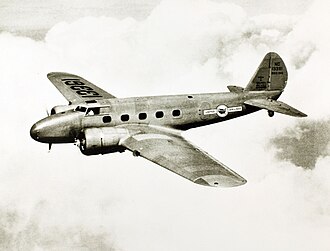
Boeing 247 – The Revolutionary Airliner That Changed Commercial Aviation Forever
The Boeing 247 occupies a special place in aviation history because it was one of the first aircraft to truly represent the beginning of modern air transport. Introduced during the early 1930s, the aircraft transformed passenger aviation by combining advanced aerodynamics, all-metal construction, improved passenger comfort, greater speed, and significantly enhanced reliability compared with the fabric-covered aircraft that dominated airline operations at the time. Although it was eventually surpassed by newer designs, particularly the Douglas DC-3, the Boeing 247 established many principles that became standard features of commercial airliners for decades.
At the time of its introduction, airline travel was still considered a relatively uncomfortable and unpredictable method of transportation. Many early passenger aircraft were small, slow, noisy, and highly affected by weather conditions. Flights often required frequent stops because of limited range, and passengers endured cramped cabins with minimal protection from vibration and engine noise. The Boeing 247 challenged this perception by presenting aviation as a practical and efficient form of modern transportation rather than merely an adventurous alternative to rail travel.
The aircraft was a technological breakthrough that combined lessons from military aircraft development with the growing needs of commercial airlines. It featured a low-wing monoplane design, retractable landing gear, powerful radial engines, a fully enclosed passenger cabin, and a stressed-skin metal structure. These features gave it a level of performance and refinement that was previously associated primarily with military aircraft rather than passenger planes.
The Boeing 247 was not simply another aircraft model; it was a turning point. It demonstrated that passenger aircraft could be designed around speed, efficiency, and passenger experience. Its introduction marked the transition from traditional biplanes and basic transports toward the modern airliner era. Many aviation historians consider it one of the most important aircraft designs of the twentieth century because it changed expectations about what a commercial aircraft could achieve.
This article explores the fascinating history of the Boeing 247, including its development, engineering innovations, operational career, influence on future aircraft, and lasting legacy in the evolution of commercial aviation.
The Development of the Boeing 247
The origins of the Boeing 247 can be traced to the early 1930s, a period when aviation technology was advancing rapidly. Boeing had already gained valuable experience producing military aircraft, including advanced all-metal designs for the United States Navy and Army. The company recognized that many of the technologies developed for military aviation could be adapted to create a new generation of passenger aircraft.
During this period, airlines were searching for aircraft that could improve efficiency and reduce operating costs. The dominant aircraft of the late 1920s and early 1930s were often derived from earlier designs, featuring open cockpits, fixed landing gear, fabric-covered wings, and relatively limited performance. Boeing believed that the future of commercial aviation required a completely new approach.
United Airlines, one of Boeing’s major airline partners, provided significant input into the development process. The airline wanted an aircraft capable of carrying passengers faster and more comfortably while reducing travel times on important routes. Boeing responded by creating a design that incorporated advanced military-inspired features into a commercial platform.
The prototype Boeing 247 first flew on 8 February 1933. From the beginning, it demonstrated performance that exceeded existing passenger aircraft. Its speed, stability, and modern construction immediately attracted attention from airlines and aviation professionals around the world.
The aircraft entered airline service in 1933 with United Airlines, quickly becoming a symbol of technological progress. Compared with earlier airliners, the Boeing 247 offered passengers a much smoother and more comfortable flying experience while allowing airlines to operate more efficiently.
Design Philosophy – Creating the Modern Airliner Concept
A Shift Away From Earlier Aircraft Designs
The Boeing 247 represented a fundamental change in aircraft design philosophy. Earlier passenger aircraft were often designed around existing technology limitations, with passenger comfort and efficiency receiving secondary consideration. Boeing approached the problem differently by designing an aircraft around speed, reliability, and passenger experience from the beginning.
The aircraft adopted a low-wing monoplane configuration rather than the biplane layouts common during the previous decade. This arrangement reduced aerodynamic drag and improved performance. The streamlined shape allowed the aircraft to move through the air more efficiently, increasing speed while reducing fuel consumption.
The use of an all-metal structure was another major advancement. Traditional aircraft relied heavily on wood and fabric construction, which required frequent maintenance and provided limited protection against weather exposure. The Boeing 247 used a stressed-skin aluminum structure, making it stronger, more durable, and better suited for regular airline operations.
These design choices reflected a broader transformation taking place in aviation. Aircraft were becoming engineered machines rather than experimental vehicles. Reliability, efficiency, and passenger acceptance were becoming just as important as raw performance.
Airframe Construction and Structural Innovation
The Boeing 247 was one of the first commercial aircraft to fully embrace modern metal construction techniques. Its fuselage was built using an aluminum alloy stressed-skin design, where the outer skin contributed to the aircraft’s structural strength. This approach reduced weight while improving durability.
The aircraft featured a semi-monocoque fuselage structure, a design method that became standard in later aircraft development. Internal frames and stringers worked together with the outer skin to distribute loads efficiently. This allowed engineers to create a lightweight but strong airframe capable of handling the stresses associated with higher speeds and regular airline operations.
The low-wing configuration provided several advantages. It improved aerodynamic efficiency, lowered the aircraft’s center of gravity, and allowed easier access to engines and landing gear. The design also contributed to improved stability and handling characteristics, making the aircraft easier for pilots to operate.
The Boeing 247’s landing gear was fully retractable, another feature that separated it from many earlier aircraft. Retracting the wheels into the fuselage reduced aerodynamic drag and contributed to the aircraft’s impressive cruising speed. This feature later became standard on nearly all high-performance passenger aircraft.
Aerodynamic Features and Performance Advantages
Aerodynamics played a central role in the Boeing 247’s success. Every aspect of the aircraft’s design was focused on reducing drag and improving efficiency. The smooth fuselage, retractable landing gear, streamlined engine nacelles, and carefully designed wings all contributed to improved performance.
The aircraft’s wing design represented a significant improvement over earlier passenger aircraft. The wings were designed to provide sufficient lift while minimizing drag, allowing the Boeing 247 to achieve higher speeds without requiring excessive engine power.
The aircraft also benefited from improved stability. Long-distance passenger flights required predictable handling characteristics, especially when operating in changing weather conditions. The Boeing 247 provided pilots with a more comfortable and manageable flying experience compared with many earlier aircraft.
These aerodynamic improvements allowed the aircraft to cruise at speeds that were previously associated mainly with military aircraft. This significantly reduced travel times and helped demonstrate that commercial aviation could compete with rail transportation on important routes.
Powerplant and Engine Technology
Pratt & Whitney Wasp Radial Engines
The Boeing 247 was powered by two Pratt & Whitney R-1340 Wasp radial engines, which were among the most reliable and advanced aircraft engines of the era. Each engine produced approximately 550 horsepower, providing enough power for efficient passenger transport while maintaining excellent reliability.
Radial engines were widely used during this period because they offered strong performance and durability. Unlike liquid-cooled engines, radial engines were air-cooled, reducing mechanical complexity and making them suitable for commercial operations where reliability was essential.
The placement of the engines in streamlined nacelles on the wings helped improve aerodynamic efficiency while making maintenance easier. Ground crews could access the engines relatively quickly, reducing aircraft downtime between flights.
The combination of reliable engines and advanced airframe design gave the Boeing 247 a level of operational dependability that airlines greatly valued. Regular schedules became more practical because aircraft could complete longer routes with fewer delays caused by mechanical problems.
Flight Performance and Capabilities
For its time, the Boeing 247 offered exceptional performance. It could cruise significantly faster than many existing passenger aircraft and operate at higher altitudes, improving efficiency and passenger comfort. Its speed advantage allowed airlines to reduce journey times and offer more competitive services.
The aircraft could carry approximately ten passengers along with flight crew members and luggage. Although modest by modern standards, this capacity represented a major improvement over many earlier airliners, which often carried only a handful of passengers.
The combination of speed, range, and comfort made the Boeing 247 particularly attractive for scheduled airline operations. It demonstrated that passenger aviation could become a dependable transportation network rather than a luxury service available only to adventurous travelers.
The Passenger Experience
The Boeing 247 introduced a significantly improved passenger experience compared with earlier aircraft. The enclosed cabin protected passengers from weather conditions, while improved insulation reduced exposure to engine noise and vibration.
The cabin included comfortable seating, windows, heating systems, and basic passenger amenities. Although it lacked the luxury features found in later airliners, it represented a dramatic improvement for travelers of the early 1930s.
Passengers experienced smoother flights, shorter travel times, and greater confidence in air travel. The aircraft helped change public perception by presenting aviation as a practical and modern form of transportation.
The Cockpit and Flight Deck of the Boeing 247
The cockpit of the Boeing 247 reflected the aircraft’s advanced philosophy by placing emphasis on pilot visibility, control, and operational efficiency. Unlike many earlier passenger aircraft that retained open cockpits or exposed flight positions, the Boeing 247 featured a fully enclosed flight deck that protected pilots from weather conditions and improved working conditions during long flights. This was an important step toward the standardized commercial aircraft cockpits used today.
The pilot and co-pilot sat side by side, allowing easier communication and cooperation during flight operations. This arrangement became a common feature of later airliners because it improved crew coordination and reduced workload. The enclosed cockpit also provided better insulation from engine noise and vibration, allowing pilots to concentrate more effectively on navigation and aircraft control.
The instrument panel included the essential flight instruments of the period, such as airspeed indicators, altitude instruments, engine monitoring gauges, compass systems, and navigation equipment. While simple compared with modern digital cockpits, the Boeing 247’s instrumentation represented a major advancement over earlier aircraft that often relied heavily on visual references and basic mechanical indicators.
The aircraft’s improved handling characteristics also contributed to safer operations. The combination of a stable airframe, powerful engines, and advanced aerodynamic design gave pilots greater confidence when operating in changing weather conditions. This was particularly important because commercial airlines needed aircraft capable of maintaining regular schedules despite varying environmental challenges.
Operational History of the Boeing 247
Entry Into Commercial Service
The Boeing 247 entered commercial service in 1933, beginning a new era for passenger aviation. United Airlines became the primary operator of the aircraft and introduced it on important routes across the United States. The aircraft immediately attracted attention because it was significantly faster and more comfortable than many existing passenger planes.
The introduction of the Boeing 247 changed airline economics. Faster flight times allowed airlines to complete more trips per day, increasing aircraft utilization and improving profitability. The aircraft’s reliability reduced cancellations and maintenance delays, helping establish greater public confidence in scheduled air travel.
Passengers quickly noticed the difference between the Boeing 247 and earlier aircraft. Instead of experiencing a slow and uncomfortable journey, travelers could enjoy a smoother, quieter, and more refined flight experience. This helped change public attitudes toward commercial aviation and encouraged more people to consider air travel as a practical transportation option.
United Airlines and Route Expansion
United Airlines used the Boeing 247 extensively during the 1930s, operating the aircraft on major domestic routes. The aircraft became an important symbol of the company’s technological leadership and helped establish United as one of the leading airlines of the period.
The improved speed of the Boeing 247 allowed airlines to connect cities more efficiently. Routes that previously required long travel times could be completed much faster, making business travel by air increasingly attractive. The aircraft played a role in transforming aviation from a niche service into a growing transportation industry.
The success of the Boeing 247 also encouraged airlines worldwide to seek more advanced aircraft. It demonstrated that passengers were willing to choose air travel when aircraft provided sufficient comfort, reliability, and speed.
Competition and the Arrival of the Douglas DC-2
Although the Boeing 247 was revolutionary, its development was closely connected with intense competition within the aviation industry. One of its most important competitors was the Douglas DC-2, which appeared shortly after the Boeing aircraft and offered several advantages.
The Boeing 247 was originally developed with strong involvement from United Airlines, which had close connections with Boeing. Because of this relationship, many early production aircraft were committed to United, limiting availability for competing airlines. This created an opportunity for other manufacturers to challenge Boeing’s position.
The Douglas Aircraft Company responded with the DC-2, an aircraft that incorporated many similar advanced features while offering greater passenger capacity and operational flexibility. The DC-2 became highly successful and later evolved into the famous DC-3, which would dominate commercial aviation during the late 1930s and 1940s.
Although the Boeing 247 was technically advanced, the Douglas designs benefited from lessons learned from the aircraft and improved upon several aspects. This competition accelerated progress in commercial aircraft development and pushed manufacturers to continue improving speed, efficiency, and passenger comfort.
The Boeing 247 and the Development of Modern Air Travel
The Boeing 247’s importance cannot be measured only by the number of aircraft produced. Its greatest contribution was demonstrating what a modern passenger aircraft could be. It introduced a combination of features that later became standard across the aviation industry.
The aircraft proved the value of all-metal construction, retractable landing gear, enclosed cockpits, aerodynamic efficiency, and reliable radial engines. These technologies allowed airlines to operate safer and faster services while reducing maintenance requirements.
The Boeing 247 also changed passenger expectations. Travelers began to expect more than simply reaching a destination. Comfort, reliability, predictable schedules, and improved cabin environments became increasingly important factors in choosing air transportation.
Many aircraft designers studied the Boeing 247 because it represented a complete approach to commercial aircraft development. Rather than improving individual components separately, Boeing created an integrated design where every element worked together to maximize performance and efficiency.
Safety Improvements and Reliability
Safety was one of the Boeing 247’s most important achievements. Aviation during the early 1930s still faced significant challenges, including mechanical failures, limited navigation technology, and weather-related risks. The Boeing 247 addressed many of these issues through improved engineering and construction.
The aircraft’s metal structure provided greater durability and resistance to environmental damage compared with fabric-covered aircraft. Its enclosed cockpit protected pilots from harsh conditions, while reliable engines reduced the likelihood of mechanical problems during flight.
The aircraft also benefited from improved stability and predictable handling. Commercial pilots needed aircraft that could be operated safely over long distances and under varying conditions. The Boeing 247’s design contributed significantly to making airline operations more dependable.
While aviation safety standards continued to evolve after the aircraft’s introduction, the Boeing 247 helped establish expectations for reliability that became essential to the growth of commercial aviation.
Military Use and Alternative Roles
Although primarily designed as a passenger aircraft, the Boeing 247 was also adapted for military and government roles. During the 1930s and World War II period, several examples were used for transport, communications, training, and other support missions.
The United States military operated modified versions under different designations, including aircraft used for personnel transport and utility missions. Their durability and performance made them useful even after newer aircraft had entered airline service.
The aircraft was also used by several foreign operators and governments. Its advanced design attracted international attention, demonstrating that American commercial aircraft technology was becoming increasingly competitive on the global stage.
Boeing 247 Variants
Boeing 247
The standard Boeing 247 was the original production model and formed the foundation of the aircraft family. It featured two Pratt & Whitney Wasp radial engines, accommodation for approximately ten passengers, and the advanced all-metal structure that made the aircraft famous.
Boeing 247A
The Boeing 247A was an improved version developed with refinements to increase performance and reliability. It included modifications to systems, equipment, and operational features based on experience gained from earlier aircraft.
Boeing 247D
The Boeing 247D became one of the best-known variants. It incorporated aerodynamic improvements, enhanced propellers, and other modifications that increased speed and efficiency. The 247D represented the mature form of the design and achieved several aviation records during the 1930s.
A Boeing 247D famously participated in the 1934 MacRobertson Air Race from England to Australia, demonstrating the aircraft’s impressive capabilities on an international stage. Although designed as an airliner rather than a racing aircraft, it proved capable of competing against specialized machines.
The Boeing 247 Compared With the Douglas DC-3
The Boeing 247 and Douglas DC-3 are often discussed together because both played important roles in transforming commercial aviation. The Boeing aircraft arrived first and introduced many revolutionary concepts, while the DC-3 refined those ideas and expanded them into a more commercially successful package.
The DC-3 offered greater passenger capacity, longer range, and improved economics. Airlines eventually favored the Douglas design because it could carry more passengers while maintaining excellent performance. However, the DC-3’s success was built upon the technological foundation established by aircraft such as the Boeing 247.
In many ways, the Boeing 247 was the pioneer that proved the concept, while the DC-3 became the aircraft that fully realized its potential. Both remain among the most important airliners in aviation history.
The Beginning of the Modern Commercial Aircraft Era
The Boeing 247 marked the moment when passenger aviation moved decisively toward modern aircraft design. Before its introduction, many airliners were evolutionary improvements of earlier machines. After the Boeing 247, aircraft designers increasingly focused on integrated engineering solutions combining performance, efficiency, safety, and passenger comfort.
Its influence can be seen in nearly every successful airliner that followed. Low-wing designs, metal construction, retractable landing gear, enclosed cockpits, and improved cabin environments became defining features of commercial aircraft worldwide.
Although later aircraft surpassed it in size and capability, the Boeing 247 remains one of the most important milestones in aviation history because it changed the direction of commercial flight forever.
The Lasting Legacy of the Boeing 247
The Boeing 247 occupies a unique position in aviation history because it represents the moment when commercial aircraft design entered the modern era. While many aircraft before it successfully transported passengers, the Boeing 247 was among the first to combine speed, efficiency, comfort, reliability, and advanced engineering into one complete passenger aircraft concept. Its influence was not limited to a single model or a specific period of operation; instead, it helped establish the basic principles that continue to define commercial airliners today.
The aircraft demonstrated that airlines could benefit from investing in advanced technology. Before the Boeing 247, many commercial aircraft were compromises between available technology and operational needs. The Boeing design showed that a carefully engineered aircraft could reduce travel times, improve safety, lower operating costs, and attract more passengers. This philosophy became the foundation for future generations of commercial aviation.
Although the Boeing 247 was eventually overshadowed by aircraft such as the Douglas DC-3, its pioneering role should not be underestimated. The DC-3 and many later airliners benefited from concepts that the Boeing 247 introduced or helped popularize. In this sense, the aircraft was not merely a successful product; it was a technological milestone that accelerated the development of the entire aviation industry.
The Boeing 247’s Influence on Future Aircraft Design
Many features introduced by the Boeing 247 became standard elements of later commercial aircraft. The use of an all-metal stressed-skin structure became one of the most important developments in aviation engineering. Metal construction provided greater strength, improved durability, and reduced maintenance requirements compared with traditional fabric-covered aircraft.
The low-wing monoplane layout also became a defining feature of future airliners. This configuration offered aerodynamic advantages and allowed designers to create faster and more efficient aircraft. Nearly every successful commercial aircraft developed after the Boeing 247 adopted similar principles.
The aircraft’s retractable landing gear was another important innovation. Reducing aerodynamic drag allowed aircraft to achieve higher speeds and improved fuel efficiency. While retractable landing gear had existed on some aircraft before the Boeing 247, its integration into a practical passenger aircraft helped establish it as a standard feature.
The enclosed cockpit and improved passenger cabin environment also influenced future designs. Commercial aviation increasingly focused not only on aircraft performance but also on passenger comfort and crew working conditions. The Boeing 247 helped demonstrate that these factors were essential to the success of airline operations.
Preservation of the Boeing 247
Because the Boeing 247 was produced in relatively limited numbers compared with later aircraft, surviving examples are rare. Preservation organizations and aviation museums have worked to protect remaining aircraft because of their historical importance. These aircraft provide valuable insight into the early development of modern commercial aviation.
Restoring a Boeing 247 is a challenging process because many original components are no longer manufactured. Specialists must often recreate parts, research historical documentation, and apply traditional aircraft restoration techniques. The complexity of maintaining an aircraft from the 1930s makes every surviving example a significant achievement.
Museum aircraft allow visitors to experience the scale and design philosophy of early modern airliners. Standing inside a Boeing 247 cabin reveals how revolutionary the aircraft was compared with earlier passenger planes. The compact but carefully designed interior demonstrates the transition from basic transportation machines to purpose-built passenger aircraft.
The Boeing 247 in Aviation Museums and Historical Collections
Several aviation museums preserve Boeing 247 aircraft or components as part of their historical collections. These examples are important educational resources because they demonstrate the technological progress achieved during the early years of commercial aviation.
Unlike many later aircraft that were produced in thousands of examples, the Boeing 247 represents a more experimental stage of aviation development. Each surviving aircraft provides historians, engineers, and enthusiasts with valuable information about manufacturing techniques, airline operations, and passenger experiences during the 1930s.
The aircraft’s historical value extends beyond its physical structure. It represents the efforts of engineers, pilots, mechanics, and airline workers who helped transform aviation from a risky adventure into a dependable transportation system.
Why the Boeing 247 Remains Important Today
More than ninety years after its first flight, the Boeing 247 remains one of the most important aircraft ever created. Its significance does not come from being the largest, fastest, or most numerous aircraft of its era. Instead, its importance comes from the fact that it changed expectations about commercial aviation.
The Boeing 247 proved that passengers could travel by air in comfort and safety. It showed airlines that advanced engineering could improve profitability and reliability. It demonstrated that aircraft design could focus on the complete transportation experience rather than simply improving individual performance characteristics.
Modern passenger aircraft, from regional airliners to wide-body jets, continue to reflect ideas that became important during the Boeing 247 era. Efficient structures, aerodynamic optimization, enclosed crew areas, reliable propulsion systems, and passenger-focused design all have roots in this period of aviation development.
Technical Specifications of the Boeing 247
| Specification | Boeing 247 |
|---|---|
| Manufacturer | Boeing Airplane Company |
| Aircraft Type | Twin-engine commercial passenger airliner |
| First Flight | 8 February 1933 |
| Introduction Into Service | 1933 |
| Production Period | 1933–1934 |
| Total Production | Approximately 75 aircraft |
| Crew | Two pilots and flight attendant depending on operator |
| Passenger Capacity | Approximately 10 passengers |
| Length | 15.72 metres |
| Wingspan | 22.56 metres |
| Height | 3.93 metres |
| Wing Area | 78.04 square metres |
| Empty Weight | Approximately 3,750 kg |
| Maximum Takeoff Weight | Approximately 6,200 kg |
| Engines | 2 × Pratt & Whitney R-1340 Wasp radial engines |
| Engine Power | Approximately 550 horsepower each |
| Total Power Output | Approximately 1,100 horsepower |
| Maximum Speed | Approximately 322 km/h |
| Cruising Speed | Approximately 280 km/h |
| Range | Approximately 1,200 km |
| Service Ceiling | Approximately 7,600 metres |
| Construction | All-metal stressed-skin semi-monocoque structure |
| Landing Gear | Retractable tailwheel landing gear |
| Main Operators | United Airlines and several international operators |
| Major Variants | Boeing 247, 247A, 247D, military transport versions |
Conclusion – The Aircraft That Started a New Era
The Boeing 247 was more than an aircraft; it was a symbol of aviation’s transition into the modern age. Before its introduction, commercial flight was still developing and lacked many of the characteristics passengers expect today. The Boeing 247 changed that by introducing a combination of advanced engineering, improved comfort, and dependable performance.
Its all-metal construction, streamlined design, retractable landing gear, enclosed cockpit, and reliable engines represented a dramatic step forward. The aircraft proved that commercial aviation could become faster, safer, and more practical, encouraging further investment and innovation throughout the industry.
Although later aircraft surpassed it in size, range, and commercial success, the Boeing 247 deserves recognition as one of the true pioneers of passenger aviation. It created the foundation upon which future airliners were built and helped transform air travel from a limited experiment into a global transportation system.
Today, the Boeing 247 remains a reminder of the creativity and ambition of early aviation engineers. It represents a moment when aircraft design changed forever and when the dream of efficient, reliable air transportation began to become reality. Few aircraft have had such a profound influence, and fewer still have earned such an important place in aviation history.
