Fiat Croma as a Used Car: A Deep-Dive Buying Guide
The used car market is full of hidden gems, overlooked family cars, and models that quietly deliver a lot more value than their reputation suggests. One of those often underestimated vehicles is the Fiat Croma, a practical estate-style hatchback produced by the Italian manufacturer Fiat. While it never reached the cult status of some German rivals or the popularity of mainstream compact cars, the Fiat Croma has built a reputation over the years as a spacious, comfortable, and reasonably economical used car option—especially for families or drivers who prioritize comfort and practicality over prestige.
In this article, we will explore the Fiat Croma in its used-car context in great detail. We will look at its history, engineering choices, driving characteristics, reliability profile, ownership costs, and what to watch out for when buying one on the second-hand market. By the end, you should have a clear idea whether this somewhat forgotten model deserves a place in your driveway.
The Background of the Fiat Croma
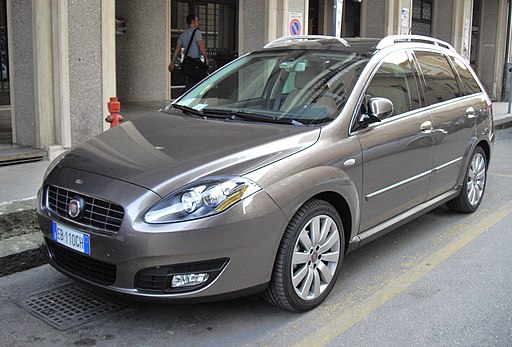
The Fiat Croma originally appeared in the mid-1980s as a large family liftback, but the version most people encounter on the used market today is the second generation, produced between 2005 and 2010. This iteration was a completely different concept compared to its predecessor. Instead of a traditional sedan-like liftback, Fiat repositioned the Croma as a high-roof, spacious estate-like vehicle built on a platform shared with General Motors models of the era, including the Opel Vectra and Saab 9-3 derivatives.
This collaboration was part of a broader strategy by Fiat to reduce development costs while improving competitiveness in the mid-size segment. The result was a car that combined Italian styling cues and interior flexibility with more internationally sourced mechanical components. While it didn’t achieve massive sales success, it carved out a niche among buyers looking for comfort-oriented family transport.
At the time, competitors included the Ford Mondeo, Volkswagen Passat, Peugeot 407 SW, and Opel Signum/Vectra Caravan. Against these rivals, the Croma stood out not through sportiness or brand prestige, but through its exceptional interior space and relaxed driving character.
Design and Practical Philosophy
The second-generation Fiat Croma was designed with a very clear goal: maximize interior comfort and usability without pushing costs too high. The exterior design is understated and somewhat conservative, especially compared to other Italian cars known for emotional styling. However, this simplicity is intentional.
The body shape is tall and elongated, with a high roofline that creates an airy cabin. Large windows contribute to excellent visibility, which is one of the car’s most appreciated traits in everyday use. The rear design resembles an estate car, although Fiat marketed it more as a “Comfort Wagon.”
Inside, the design philosophy continues with a focus on practicality rather than visual drama. The dashboard is logical and straightforward, with controls placed for ease of use. Materials vary depending on trim level, but overall the Croma prioritizes durability over luxury aesthetics.
While some competitors from Germany offered more premium-feeling interiors, the Fiat Croma countered with space—lots of it. Front and rear passengers benefit from generous legroom, and the flat floor in the rear improves usability for three passengers sitting side by side.
Engine Range and Mechanical Layout
One of the most important aspects of any used car is its engine lineup, and the Fiat Croma offers a relatively straightforward but solid selection of powertrains. Most versions are front-wheel drive and come with either petrol or diesel engines.
Petrol Engines
Petrol variants are less common on the used market, but they include naturally aspirated and turbocharged options. The most notable is the 2.2-liter petrol engine, which offers smooth performance but relatively high fuel consumption compared to diesel alternatives. Petrol versions tend to be cheaper to buy, but they are less economical in long-term ownership.
Diesel Engines
The real strength of the Croma lies in its diesel lineup, particularly the 1.9 Multijet and later 2.0 Multijet engines. These engines are widely regarded as durable and fuel-efficient, making them the preferred choice for high-mileage drivers.
The 1.9 Multijet comes in various power outputs, typically ranging from around 120 hp to 150 hp. It delivers strong torque, making the car feel relaxed in highway driving and fully capable of carrying passengers and luggage without strain.
The later 2.0 Multijet engine improves refinement and efficiency, offering smoother power delivery and lower emissions.
Transmission Options
Most Croma models are equipped with manual transmissions, which are generally more reliable and cost-effective to maintain. Some automatic versions exist, but they are less common and can be more expensive to repair if issues arise.
Driving Experience: Comfort Over Sportiness
The Fiat Croma is not a car designed for enthusiastic driving. Instead, it focuses on comfort, stability, and ease of use. On the road, the suspension is tuned to absorb bumps and uneven surfaces effectively, making it particularly suitable for long-distance cruising and daily commuting.
Steering is light and predictable, though not especially sharp. This makes city driving and parking relatively effortless, especially considering the car’s size. On highways, the Croma feels stable and composed, with good noise insulation for its class.
Diesel engines provide strong mid-range torque, which means overtaking is smooth and requires minimal gear changes. However, drivers expecting sporty handling or dynamic cornering performance will find the Croma quite soft and unengaging.
In essence, the driving experience can be summarized as calm, comfortable, and functional.
Interior Comfort and Everyday Usability
One of the strongest arguments in favor of the Fiat Croma as a used car is its interior space. The cabin is designed with families and long-distance travelers in mind, and it shows in nearly every aspect of usability.
Front seats are wide and comfortable, with good adjustment range in higher trims. Rear passengers enjoy excellent legroom, often exceeding expectations for this segment. The tall roofline also means headroom is generous, even for taller occupants.
The boot is another highlight. With a large and practical loading area, it easily accommodates luggage, shopping, strollers, or sports equipment. Folding rear seats expand cargo capacity further, making the Croma suitable for road trips or even light utility use.
Storage compartments inside the cabin are well distributed, including door pockets, center console storage, and cup holders. While not luxurious, the layout is highly functional.
Reliability and Common Issues
When considering a used Fiat Croma, reliability is an important topic. Overall, the model is considered moderately reliable, especially in diesel form, but it is not free of known issues.
Diesel Engine Concerns
The 1.9 Multijet engine is generally robust, but it can suffer from EGR valve clogging, turbo wear in high-mileage examples, and occasional injector issues. Regular maintenance is key to long-term durability.
The 2.0 Multijet is slightly more refined but can also experience diesel particulate filter (DPF) issues, especially if used primarily for short urban trips.
Electrical Issues
Like many cars of its era, the Croma can experience minor electrical faults. These may include sensor failures, window regulator issues, or dashboard warning lights appearing intermittently.
Suspension and Wear Items
Given the car’s focus on comfort, suspension components such as bushings and shock absorbers may wear over time, especially on poorly maintained roads. These are not excessively expensive to replace but should be checked carefully.
General Build Quality
Interior trim durability is decent, though not premium. Some plastics may show wear or rattling in higher-mileage vehicles.
Ownership Costs and Fuel Economy
One of the Croma’s strongest advantages as a used car is its relatively low running cost, especially for diesel versions. Fuel consumption is competitive, with diesel models often achieving very good highway efficiency.
Insurance costs tend to be moderate, as the Croma is not considered a high-performance vehicle. Maintenance and parts availability are generally good due to shared components with other GM-based models.
However, buyers should budget for potential maintenance on higher-mileage examples, particularly in areas such as turbo systems, suspension, and emissions-related components.
Overall, the Croma can be considered a cost-effective long-distance family car when properly maintained.
What to Check When Buying a Used Fiat Croma
When inspecting a used Croma, several key areas deserve attention:
Engine Condition
Check for smooth startup, absence of excessive smoke, and stable idle. Diesel models should not exhibit strong rattling or hesitation.
DPF and EGR Health
If the car has been used mainly in city driving, ensure that the diesel particulate filter is not clogged. Warning lights or reduced performance may indicate issues.
Suspension Wear
Listen for knocking noises over bumps and test for uneven ride behavior.
Electrical Systems
Test all windows, air conditioning, infotainment systems, and dashboard indicators thoroughly.
Service History
A well-documented maintenance record is highly valuable for this model, especially for diesel variants.
Pros and Cons of the Fiat Croma
Advantages
The Fiat Croma offers a strong combination of space, comfort, and affordability. It is particularly appealing for drivers who value practicality over prestige. Diesel engines are efficient, and the cabin is spacious enough for families or long journeys.
Disadvantages
On the downside, the Croma lacks emotional appeal and sporty driving dynamics. Some interior materials feel basic compared to rivals, and electrical or emission-related issues may arise in older examples.
Who Should Buy a Fiat Croma?
The Fiat Croma is best suited for practical-minded drivers who need a spacious, comfortable, and affordable family car. It is particularly attractive for:
- Long-distance commuters
- Families needing generous interior space
- Budget-conscious buyers seeking diesel efficiency
- Drivers who prefer comfort over performance
It is less suitable for enthusiasts or those seeking a premium badge experience.
Market Prices and Availability
On the used market, the Fiat Croma is generally affordable due to its low demand and understated reputation. Prices vary depending on condition, mileage, and engine type, but diesel versions in good condition tend to hold slightly more value due to their efficiency and durability.
Well-maintained examples with full service history are becoming harder to find, which may gradually increase their desirability among niche buyers.
Conclusion
The Fiat Croma represents a classic case of an underrated used car. It may not be flashy or particularly exciting, but it delivers where it matters most for many drivers: space, comfort, and efficiency. Built by Fiat during a period of platform-sharing and cost optimization, it reflects a pragmatic approach to family motoring.
As a used purchase, the Croma makes the most sense for those who prioritize practicality and value over prestige. With careful selection and proper maintenance history, it can still serve as a comfortable and capable everyday vehicle even years after production ended.
For buyers willing to overlook its conservative image, the Fiat Croma remains a quietly competent choice in the used family car market.
Technical Parameters (Fiat Croma – Second Generation)
| Parameter | Specification |
|---|---|
| Model | Fiat Croma (2nd Generation) |
| Production Years | 2005–2010 |
| Body Style | 5-door liftback / estate-style wagon |
| Platform | GM Epsilon platform |
| Drive Layout | Front-engine, front-wheel drive |
| Engine Options (Petrol) | 2.2L inline-4 |
| Engine Options (Diesel) | 1.9 Multijet, 2.0 Multijet |
| Power Output Range | ~120 hp – 200 hp (depending on version) |
| Transmission | 5/6-speed manual, 6-speed automatic (select models) |
| Fuel Tank Capacity | ~62 liters |
| Boot Capacity | ~500–1610 liters (rear seats folded) |
| Top Speed | ~190–220 km/h (varies by engine) |
| 0–100 km/h | ~8.5–11.5 seconds |
| Fuel Consumption | ~5.5–8.5 L/100 km (diesel/petrol mixed range) |
| Vehicle Length | ~4,750 mm |
| Width | ~1,770 mm |
| Height | ~1,600 mm |
| Wheelbase | ~2,830 mm |
| Curb Weight | ~1,500–1,650 kg |
