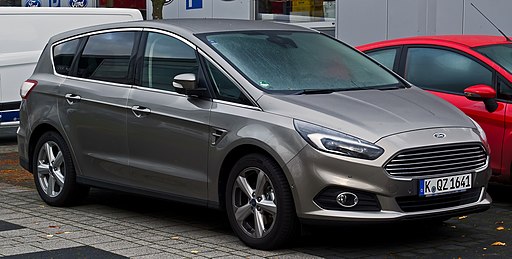
Ford S-Max faults
1. Engine Problems
1.1. Diesel Engine Issues
- Symptoms: Loss of power, rough idling, or black smoke from the exhaust.
- Cause: Clogged Diesel Particulate Filter (DPF) or EGR (Exhaust Gas Recirculation) valve failure.
- Impact: Leads to reduced performance and increased emissions. Regular regeneration or cleaning is required for the DPF, and EGR valves may need replacement.
1.2. EcoBoost Engine Overheating
- Symptoms: Coolant leaks, overheating, or engine warning lights.
- Cause: Defective coolant systems, including leaks from the degas pipe or radiator.
- Impact: Can cause severe engine damage if not promptly repaired.
1.3. Turbocharger Problems
- Symptoms: Whistling noises, lack of power, or excessive exhaust smoke.
- Cause: Oil starvation or carbon build-up in the turbocharger.
- Impact: Requires costly turbo repairs or replacement if neglected.
1.4. Timing Belt Wear
- Symptoms: Ticking noises from the engine or misfiring.
- Cause: Timing belt wear in higher-mileage models.
- Impact: A failed timing belt can result in catastrophic engine damage.
2. Transmission and Clutch
2.1. Powershift Automatic Transmission Issues
- Symptoms: Jerky gear changes, hesitation, or failure to engage gears.
- Cause: Faulty dual-clutch system or inadequate lubrication.
- Impact: Requires clutch replacement or a mechatronic unit repair, both of which can be expensive.
2.2. Manual Clutch Wear
- Symptoms: Slipping clutch, difficulty shifting gears, or a burning smell.
- Cause: Clutch wear, particularly in models used for towing or frequent stop-start driving.
- Impact: Can necessitate clutch replacement sooner than expected.
3. Electrical and Software Faults
3.1. Infotainment System Glitches
- Symptoms: Frozen screens, unresponsive controls, or audio malfunctions.
- Cause: Software bugs in the SYNC system or faulty connections.
- Impact: Reduces user convenience and may require software updates or module replacement.
3.2. Parking Sensors and Cameras
- Symptoms: False alerts or a completely non-functional system.
- Cause: Sensor failure or wiring issues.
- Impact: Can make parking more challenging, particularly for larger S-Max models.
3.3. Battery Drain
- Symptoms: Frequent dead batteries even with regular use.
- Cause: Parasitic drain from electrical components, such as the Bluetooth module or SYNC system.
- Impact: Requires diagnosis and repair to prevent further inconvenience.
3.4. Dashboard Instrument Issues
- Symptoms: Flickering or complete failure of instrument cluster lights.
- Cause: Faulty wiring or aging components.
- Impact: May mask important warning lights or fuel readings.
4. Suspension and Steering
4.1. Suspension Wear
- Symptoms: Knocking noises over bumps or uneven tire wear.
- Cause: Worn bushings, control arms, or anti-roll bars.
- Impact: Can affect ride comfort and handling, requiring replacement of worn parts.
4.2. Power Steering Failures
- Symptoms: Stiff steering or inconsistent steering response.
- Cause: Issues with the electric power steering system or hydraulic fluid leaks.
- Impact: Reduces safety and ease of driving.
5. Bodywork and Trim
5.1. Rust
- Symptoms: Corrosion around wheel arches, sills, or the undercarriage.
- Cause: Poor rust-proofing, especially in older models or those exposed to salted roads.
- Impact: Cosmetic and structural concerns if not treated.
5.2. Tailgate Alignment
- Symptoms: Difficulty closing the boot or misaligned panels.
- Cause: Weak hinges or manufacturing defects.
- Impact: Leads to wear on paintwork and seals, potentially allowing water ingress.
5.3. Water Leaks
- Symptoms: Damp carpets or water pooling in the cabin or boot.
- Cause: Faulty door seals, clogged sunroof drains, or windshield leaks.
- Impact: Can damage interior materials and electrical systems.
6. Fuel System Faults
6.1. Fuel Injector Problems
- Symptoms: Misfiring, rough idling, or black smoke from the exhaust.
- Cause: Clogged or failing injectors, especially in diesel engines.
- Impact: Leads to reduced performance and increased emissions.
6.2. Fuel Pump Issues
- Symptoms: Difficulty starting, engine stalling, or loss of power under acceleration.
- Cause: Worn or faulty fuel pumps.
- Impact: May leave the car undriveable if the pump fails completely.
7. Braking System Faults
7.1. Premature Brake Wear
- Symptoms: Reduced braking performance or squealing noises.
- Cause: Subpar brake pads or discs that wear unevenly.
- Impact: Requires frequent replacements to maintain safety.
7.2. ABS System Malfunctions
- Symptoms: ABS warning light or lack of anti-lock braking function.
- Cause: Faulty ABS sensors or control units.
- Impact: Reduces braking safety, especially in wet or icy conditions.
8. Heating, Ventilation, and Air Conditioning (HVAC) Issues
8.1. Air Conditioning Failures
- Symptoms: Weak cooling or unusual noises from the AC system.
- Cause: Compressor failure or refrigerant leaks.
- Impact: Reduces comfort, especially in hot climates.
8.2. Heater Fan Problems
- Symptoms: Inconsistent airflow or complete failure of the heater fan.
- Cause: Faulty blower motor or resistor.
- Impact: Makes defogging and cabin temperature control difficult.
Conclusion
The Ford S-Max is a versatile MPV that combines practicality with an engaging driving experience, making it a popular choice among families and those seeking a spacious vehicle. However, like any car, it has its share of common faults. Potential buyers should prioritize models with a documented service history and conduct thorough inspections to identify issues such as engine wear, transmission faults, and suspension problems.
With proper care and maintenance, a used Ford S-Max can provide years of reliable and enjoyable driving, especially for those who value space and comfort in a vehicle.
Ford S-Max as a used car
Ford S-Max as a Used Car: A Detailed Overview
The Ford S-Max, a model launched in 2006, quickly became a favorite among family car buyers due to its blend of practicality, performance, and style. Known for its spacious interior, versatile seating, and engaging driving experience, the S-Max offers a compelling alternative to traditional MPVs (multi-purpose vehicles) and large family cars. As a used car, the S-Max continues to stand out for its quality, reliability, and value for money, making it an appealing choice for those looking for a practical yet enjoyable vehicle.
Design and Features
The Ford S-Max features a sleek, modern design that stands out from many of its boxier competitors. While still maintaining the practicality expected from a family car, the S-Max’s flowing, sporty lines and bold front grille give it a more dynamic and stylish appearance. The vehicle was designed with European family life in mind, and this is evident in its emphasis on both interior space and exterior proportions.
Exterior
The exterior of the S-Max is well-balanced, combining the functionality of a minivan with the sophistication of a crossover. Its high roofline ensures ample headroom for both front and rear passengers. It’s a well-proportioned vehicle, with an attractive blend of curves and edges that keeps it from looking too large or imposing on the road.
Interior and Comfort
One of the most appealing aspects of the Ford S-Max as a used car is its spacious and practical interior. The cabin is designed to offer a flexible layout with room for seven passengers in a 2-3-2 seating arrangement. The seats are comfortable, and the cabin materials generally feel of high quality, with soft-touch surfaces and a well-organized dashboard. If you are seeking versatility, the second- and third-row seats can be folded down flat to provide generous boot space, making it easier to load large items.
The front seats are supportive, and the driving position is adjustable to suit a wide range of drivers. Additionally, the driving experience itself is surprisingly engaging for an MPV, thanks to the S-Max’s car-like handling and solid road presence.
Technology and Equipment
Even as a used car, many Ford S-Max models come equipped with a wide range of technology and comfort features. Depending on the trim and year, you can expect features like:
- Infotainment System: A central touchscreen (up to 8 inches in later models), Bluetooth connectivity, and navigation systems.
- Climate Control: Dual-zone climate control ensures comfort for both front and rear passengers.
- Advanced Safety Features: Features like front and rear parking sensors, lane departure warning, and adaptive cruise control were available in higher-spec models.
- Driver Assistance: Some versions feature Ford’s SYNC infotainment system, which provides voice control for phone calls and music, as well as emergency assistance features.
Driving Experience
One of the key reasons the Ford S-Max remains popular as a used car is its driving dynamics. The S-Max is often described as having the handling of a smaller car, making it more engaging and less cumbersome than other larger family vehicles. The steering is precise, and the suspension strikes a good balance between comfort and sportiness, ensuring that the car handles well on twisty roads without compromising on comfort over longer distances.
In terms of performance, the S-Max offers a wide range of engines, which should appeal to a broad range of buyers:
- Petrol Engines: For those who want a more dynamic driving experience, the petrol variants (such as the 2.5-liter turbocharged engine) offer responsive performance.
- Diesel Engines: The 2.0-liter TDCi diesel engine, available in different power outputs, offers great fuel efficiency and is well-suited to long-distance driving. The diesel variants also offer plenty of torque, making the S-Max capable of towing heavier loads, which is ideal for families with caravans or trailers.
The diesel variants also tend to offer better fuel economy, which could be a deciding factor for those who plan to use the car for longer trips or daily commuting.
Reliability and Running Costs
When buying a used car, reliability is a crucial factor, and the Ford S-Max performs reasonably well in this regard. However, like all vehicles, it has its potential issues. Common problems reported by owners of older S-Max models include:
- Electrical Issues: Some S-Max owners have reported electrical gremlins, particularly with the central locking system and the dashboard electronics.
- Suspension Wear: While generally solid, the suspension components, especially on high-mileage vehicles, can start to show signs of wear, leading to potential costs down the line.
- Turbocharged Engine Problems: The turbocharged petrol variants may experience some turbo failure or performance degradation if the car has not been properly maintained.
That said, many owners of the Ford S-Max report high satisfaction with the vehicle’s durability and longevity, provided it has been well-maintained. Regular servicing and proper care will help mitigate most of these issues.
Fuel Economy
Fuel economy can vary depending on the engine and driving conditions, but overall, the Ford S-Max is relatively efficient for its size. The diesel engines typically return between 40-50 mpg on the combined cycle, while petrol engines average around 30-35 mpg. For those primarily using the S-Max for family trips or commuting, the diesel engines are usually the better choice due to their better fuel economy.
The Used Market
The used Ford S-Max market offers excellent value for money, especially for buyers looking for a practical yet stylish family vehicle. The S-Max has generally retained its value well, with prices varying depending on the year, mileage, and trim level. When shopping for a used S-Max, it’s important to check for the following:
- Service History: A full service history is essential to ensure the vehicle has been properly maintained.
- Mileage: While the S-Max is a robust vehicle, it’s still worth considering mileage when purchasing a used model. Look for one with a reasonable mileage range to avoid potential issues down the line.
- Previous Ownership: Vehicles with fewer previous owners or a single owner are typically in better condition.
Conclusion
The Ford S-Max is an excellent choice for anyone looking for a used family car that combines practicality, space, and driving enjoyment. Its spacious interior, flexible seating, and user-friendly technology make it an appealing option for families, while its strong road manners and good build quality ensure that it remains a reliable and enjoyable car to drive.
As a used car, the S-Max offers great value for money, with low running costs, decent fuel economy, and a practical design that makes it a perfect fit for modern family life. If you’re in the market for a used family vehicle, the Ford S-Max is a model well worth considering.
