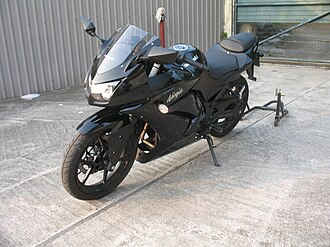
Kawasaki Ninja 250R: The Lightweight Sport Motorcycle That Introduced Generations of Riders to Performance Riding
The Kawasaki Ninja 250R is one of the most important lightweight sport motorcycles ever produced. For decades, it represented the gateway into the world of performance riding, offering a combination of sporty styling, reliable engineering, approachable power, and engaging handling that made it one of the most popular motorcycles in its class. While many motorcycles attempt to impress with extreme horsepower figures or advanced technology, the Ninja 250R succeeded because it focused on the fundamentals that make riding enjoyable: balance, control, confidence, and connection between rider and machine.
Introduced as part of Kawasaki’s legendary Ninja family, the Ninja 250R brought the excitement and appearance of a full-size sport motorcycle into a package that was accessible to new riders and enjoyable for experienced enthusiasts. It allowed beginners to learn essential riding skills without being overwhelmed, while also providing veteran riders with an agile and entertaining motorcycle that could be pushed hard on winding roads.
The success of the Ninja 250R helped define the modern lightweight sport motorcycle category. It demonstrated that smaller-displacement motorcycles could provide a genuine sporting experience rather than simply serving as basic transportation. Its popularity around the world helped inspire a new generation of riders and encouraged manufacturers to continue developing high-quality small sport machines.
The Kawasaki Ninja 250R remains remembered not only because of its specifications but because of the experiences it created. It introduced countless riders to cornering, motorcycle maintenance, group rides, track days, and the unique excitement of owning a sport bike. Its influence continues to be felt throughout the motorcycle industry.
The History and Evolution of the Kawasaki Ninja 250R
The origins of the Kawasaki Ninja 250R can be traced back to Kawasaki’s long history of producing compact sport motorcycles. Before the Ninja 250R became globally recognized, Kawasaki had already developed smaller performance machines that combined everyday practicality with sporting characteristics. These motorcycles helped establish the idea that lightweight motorcycles could still carry the spirit of larger performance models.
The Ninja 250R name became especially significant when Kawasaki introduced a redesigned version for the 2008 model year. This generation transformed the motorcycle from a niche lightweight machine into a worldwide success. With updated styling inspired by larger Ninja models, improved performance, and greater refinement, the new Ninja 250R attracted riders who wanted an affordable entry into sport motorcycling.
The motorcycle arrived at an ideal time. Many new riders were looking for alternatives to increasingly powerful middleweight and supersport motorcycles. The Ninja 250R offered an approachable option that allowed riders to develop skills gradually while still enjoying the appearance and excitement associated with sport bikes.
The Rise of the Lightweight Sport Motorcycle
The Ninja 250R played a major role in changing perceptions about small motorcycles. Before its popularity increased, many riders viewed entry-level motorcycles as temporary machines that would quickly be replaced. The Ninja 250R challenged this idea by proving that a smaller motorcycle could remain enjoyable even after a rider gained experience.
Its success came from a combination of thoughtful engineering and practical design. The motorcycle was lightweight, efficient, affordable, and reliable, but it also delivered genuine sport riding capability. Riders discovered that carrying speed through corners on a lightweight motorcycle could be just as rewarding as managing a more powerful machine.
This philosophy helped create a renewed interest in lightweight motorcycles and influenced later models from multiple manufacturers. The Ninja 250R became a benchmark for what an entry-level sport motorcycle could achieve.
Design Philosophy: A True Ninja in a Compact Package
The Kawasaki Ninja 250R was designed to capture the appearance and spirit of Kawasaki’s larger Ninja motorcycles while remaining approachable for a wide range of riders. Its full fairing, aggressive front styling, and sporty riding position gave it the visual presence of a larger performance machine.
The design was not only about appearance. The aerodynamic bodywork improved wind protection and created a more comfortable experience during higher-speed riding. The fairing helped distinguish the Ninja 250R from standard motorcycles while reinforcing its identity as a genuine sport machine.
Kawasaki focused heavily on creating a motorcycle that felt natural and confidence-inspiring. The compact dimensions, manageable seat height, and narrow profile made it easy for riders to control, especially during low-speed situations and everyday commuting.
Sporty Ergonomics for Real-World Riders
The riding position of the Ninja 250R was carefully balanced between sport performance and everyday comfort. Unlike extreme supersport motorcycles that prioritize racing posture, the Ninja 250R provided a more relaxed arrangement suitable for daily use.
The handlebars, seat, and footpeg placement allowed riders to experience a sporty feel without creating excessive discomfort. This made the motorcycle suitable for commuting, weekend rides, and longer recreational trips.
The narrow chassis was another major advantage. New riders often feel more confident on motorcycles that are easy to balance and maneuver, and the Ninja 250R provided exactly that type of experience.
The 249 cc Parallel-Twin Engine: Smooth, Reliable, and Exciting
One of the defining features of the Kawasaki Ninja 250R was its 249 cc liquid-cooled parallel-twin engine. This engine configuration gave the motorcycle a character that separated it from many other lightweight motorcycles of the time.
The parallel-twin design provided smooth power delivery, strong reliability, and an enjoyable high-revving personality. While the engine did not produce the overwhelming acceleration of larger motorcycles, it rewarded riders who enjoyed exploring the upper range of the rev counter.
The engine’s smoothness was especially valuable for new riders. It provided predictable acceleration and reduced the intimidation factor often associated with sport motorcycles. Riders could focus on developing technique rather than simply managing excessive power.
Power Delivery and Riding Character
The Ninja 250R’s engine was designed around usable performance rather than maximum output. Its power delivery encouraged riders to maintain momentum, choose smooth lines, and develop proper cornering skills.
At lower speeds, the engine provided enough flexibility for city riding and daily transportation. As engine speed increased, it delivered a more exciting character that rewarded enthusiastic riding.
This balance was one of the motorcycle’s greatest strengths. It could be practical during the week and entertaining on winding roads during weekends.
Chassis Engineering and Handling Performance
The Kawasaki Ninja 250R became famous for its excellent handling characteristics. Its lightweight chassis allowed riders to change direction quickly, making it especially enjoyable on technical roads and urban streets.
The motorcycle’s handling philosophy was based on agility rather than brute force. Instead of relying on engine power to create excitement, the Ninja 250R encouraged riders to use technique and precision.
This made it an excellent motorcycle for learning advanced riding skills. Riders could practice braking, cornering, and throttle control in a forgiving environment.
Suspension Balance and Ride Quality
The suspension system of the Ninja 250R was designed to provide a combination of comfort and sporty control. The front fork offered stability during braking and cornering, while the rear suspension helped maintain traction and balance.
The motorcycle was not designed as a dedicated racing machine, but its suspension performance was more than capable for enthusiastic street riding and beginner track use.
The forgiving nature of the suspension contributed to the motorcycle’s reputation as a confidence-building machine.
Braking Performance and Rider Confidence
Braking performance is an essential part of any sport motorcycle, and the Ninja 250R provided dependable stopping ability suited to its performance level. The brakes offered predictable feedback, allowing riders to develop smooth braking habits.
Because the motorcycle was lightweight, the braking system did not need to manage the extreme forces associated with larger sport bikes. This contributed to a controlled and accessible riding experience.
For beginners, this predictability was extremely valuable because it allowed them to build confidence while learning proper motorcycle control.
The Ninja 250R Riding Experience
The true appeal of the Kawasaki Ninja 250R becomes clear when the road starts to twist. The motorcycle feels alive in situations where agility and precision matter more than outright speed.
Riders quickly discover that the Ninja 250R rewards smooth inputs. Careful throttle control, proper braking technique, and thoughtful cornering lines result in a highly satisfying experience.
The motorcycle encourages involvement. Rather than simply twisting the throttle and relying on horsepower, riders become active participants in creating speed and enjoyment.
Everyday Practicality and Comfort
Although the Kawasaki Ninja 250R was developed with a strong sport motorcycle identity, one of its greatest strengths was its ability to function as an everyday machine. Many motorcycles designed primarily around performance can become uncomfortable or inconvenient during normal use, but the Ninja 250R succeeded because it offered a practical balance between excitement and usability. It was a motorcycle that could handle commuting, errands, weekend rides, and occasional longer journeys without demanding major compromises from its owner.
The relatively upright sport riding position allowed riders to spend extended periods on the motorcycle without excessive fatigue. Compared with aggressive supersport machines, the Ninja 250R placed less strain on the wrists and shoulders while still providing the feeling of riding a genuine sport bike. This made it especially attractive to new riders who wanted the appearance and experience of a Ninja without the physical demands of a race-inspired motorcycle.
The compact dimensions also contributed to everyday confidence. The motorcycle felt manageable in traffic, easy to maneuver in parking areas, and simple to control at low speeds. These qualities helped thousands of riders gain experience and develop their skills before moving to larger motorcycles.
Urban Riding and Commuting Ability
In city environments, the Kawasaki Ninja 250R demonstrated many advantages associated with lightweight motorcycles. Its narrow profile allowed riders to navigate congested roads comfortably, while the smooth parallel-twin engine provided reliable performance in stop-and-go traffic.
The motorcycle’s fuel efficiency made it an economical choice for daily transportation. Riders could enjoy the excitement of owning a sport motorcycle while keeping operating costs reasonable. This practicality helped expand the appeal of sport riding beyond traditional enthusiasts.
For many owners, the Ninja 250R became more than a beginner motorcycle. It became a trusted daily companion that provided enjoyment even during ordinary trips.
Fuel Economy and Cost of Ownership
One of the most attractive aspects of the Kawasaki Ninja 250R was its affordable ownership experience. The motorcycle combined excellent fuel economy, reasonable maintenance requirements, and strong reliability, making it accessible to a wide range of riders.
The efficient 249 cc engine allowed riders to travel significant distances while using relatively little fuel. This made the motorcycle attractive for commuters, students, and riders who wanted an economical but exciting form of transportation.
Insurance costs were also generally lower compared with larger sport motorcycles, further increasing the Ninja 250R’s appeal as an entry point into performance riding.
Reliability and Mechanical Durability
The Kawasaki Ninja 250R developed a strong reputation for reliability. Its parallel-twin engine was designed for long-term durability, and many examples have accumulated significant mileage with proper maintenance.
Routine maintenance tasks such as oil changes, chain care, brake inspections, and tire replacement are straightforward, allowing owners to keep the motorcycle in excellent condition without excessive expense.
The motorcycle’s dependable nature was one of the reasons it became such a popular choice among new riders. A motorcycle that starts easily, runs smoothly, and requires minimal attention allows riders to focus on enjoying the experience.
Maintenance and Ownership Experience
The Kawasaki Ninja 250R was designed with simplicity and accessibility in mind. Owners often appreciated that the motorcycle did not require complicated procedures or expensive specialized equipment for basic maintenance.
The engine’s proven design contributed to confidence among owners who wanted a motorcycle they could maintain themselves. Regular servicing helped preserve performance and reliability over many years.
The large number of Ninja 250R motorcycles produced worldwide also created a strong supply of replacement parts, technical information, and community knowledge. This made ownership easier compared with less common motorcycles.
The Importance of the Ninja 250R Community
A major part of the Ninja 250R’s success came from its enthusiastic owner community. Riders around the world shared maintenance advice, riding experiences, customization ideas, and technical solutions.
Online forums, motorcycle clubs, and local riding groups helped create a strong culture around the model. New owners could easily find guidance about everything from basic servicing to advanced modifications.
This community support added significant value to the motorcycle and helped create long-lasting relationships between riders and their machines.
Customization and Aftermarket Potential
The Kawasaki Ninja 250R became one of the most customized lightweight motorcycles because of its popularity and strong aftermarket support. Owners modified their motorcycles to improve performance, comfort, appearance, or touring capability.
Common upgrades included aftermarket exhaust systems, upgraded brake components, performance tires, windscreens, suspension improvements, frame sliders, cosmetic accessories, and luggage solutions.
Some owners focused on creating a more aggressive racing appearance, while others transformed their Ninja 250R into a practical commuter or weekend touring machine.
Track Riding and Skill Development
The Ninja 250R also became popular among beginner track riders. Its manageable power output and predictable handling allowed riders to learn performance riding techniques in a controlled environment.
On a racetrack, the motorcycle’s lightweight chassis became a major advantage. Riders could focus on improving braking points, corner speed, and body positioning without being overwhelmed by excessive acceleration.
Many experienced riders consider lightweight motorcycles like the Ninja 250R excellent tools for developing fundamental skills that remain valuable even when riding larger machines.
The Kawasaki Ninja 250R Compared With Competitors
During its production years, the Kawasaki Ninja 250R competed against several other lightweight sport motorcycles, including the Honda CBR250R, Yamaha YZF-R25, Suzuki GSX250, and other small-displacement machines.
The Ninja 250R’s greatest advantage was its combination of sporty performance, smooth engine character, reliability, and attractive design. The parallel-twin engine provided a unique riding experience compared with many single-cylinder competitors.
While some competitors emphasized efficiency or simplicity, the Ninja 250R focused strongly on delivering the emotional experience associated with sport motorcycles.
Why the Ninja 250R Became a Favorite
The motorcycle succeeded because it offered something rare: a genuine sport bike experience without unnecessary barriers. It looked exciting, sounded engaging, handled well, and remained easy to own.
For beginners, it provided a safe and confidence-building introduction to motorcycling. For experienced riders, it offered the pure enjoyment of riding a lightweight machine at realistic speeds.
The Legacy of the Kawasaki Ninja 250R
The Kawasaki Ninja 250R holds a special place in motorcycle history because it helped redefine what an entry-level sport motorcycle could be. It proved that smaller motorcycles could be desirable, exciting, and respected by serious enthusiasts.
Its influence extended beyond sales numbers. The Ninja 250R helped create a new generation of riders who developed their passion through lightweight sport bikes. Many riders who started with the Ninja 250R eventually moved to larger Kawasaki models while maintaining appreciation for their first motorcycle.
The motorcycle’s legacy continues because it represents an important idea: great motorcycles are not defined only by speed or power. They are defined by the experiences they create.
Kawasaki Ninja 250R Technical Specifications
| Specification | Kawasaki Ninja 250R Details |
|---|---|
| Manufacturer | Kawasaki |
| Model | Ninja 250R |
| Production Period | 1988–2012 (varies by market, major redesign in 2008) |
| Category | Lightweight Sport Motorcycle |
| Engine Type | Four-stroke parallel-twin DOHC |
| Engine Displacement | 249 cc |
| Bore × Stroke | 62.0 mm × 41.2 mm |
| Cooling System | Liquid cooled |
| Fuel System | Carburetor (earlier models), fuel injection (later markets/models) |
| Compression Ratio | Approximately 11.6:1 |
| Maximum Power | Approximately 30–33 hp depending on market and model year |
| Maximum Torque | Approximately 20–22 Nm |
| Transmission | 6-speed manual |
| Final Drive | Chain |
| Frame Type | High-tensile steel diamond frame |
| Front Suspension | 37 mm telescopic fork |
| Rear Suspension | Uni-Trak single shock with adjustable preload |
| Front Brake | Hydraulic single disc |
| Rear Brake | Hydraulic single disc |
| Front Wheel Size | 17 inches |
| Rear Wheel Size | 17 inches |
| Fuel Capacity | Approximately 17 liters |
| Seat Height | Approximately 775 mm |
| Wheelbase | Approximately 1,405 mm |
| Ground Clearance | Approximately 135 mm |
| Wet Weight | Approximately 170 kg |
| Primary Use | Sport riding, commuting, beginner motorcycle training |
Conclusion: The Kawasaki Ninja 250R as a Motorcycle Icon
The Kawasaki Ninja 250R is remembered as one of the most influential lightweight sport motorcycles ever produced. Its success came from understanding what riders truly need: a motorcycle that is exciting, reliable, affordable, and enjoyable.
Rather than overwhelming riders with excessive power, the Ninja 250R encouraged skill development and confidence. It rewarded smooth technique and created a connection between rider and machine that remains memorable long after ownership ends.
For many riders, the Ninja 250R was the motorcycle that started their journey. It introduced them to the joy of cornering, the excitement of sport riding, and the unique community that surrounds motorcycles.
The Kawasaki Ninja 250R remains a symbol of accessible performance and intelligent engineering. It proves that a motorcycle does not need massive displacement or extreme specifications to create unforgettable experiences. Sometimes the most rewarding machines are those that allow riders to fully participate in the adventure.
