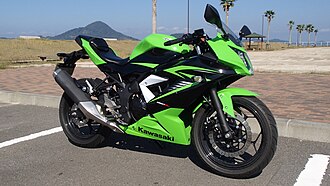
Kawasaki Ninja 250SL: The Lightweight Sport Motorcycle That Brings Pure Riding Excitement
The Kawasaki Ninja 250SL represents a unique chapter in Kawasaki’s long history of producing performance-focused motorcycles. Designed as a lightweight single-cylinder sport machine, the Ninja 250SL was created for riders who wanted the excitement and styling of a Ninja motorcycle in a compact, affordable, and easy-to-manage package. Rather than competing purely through engine size, the Ninja 250SL focused on agility, efficiency, and rider involvement, delivering a motorcycle experience centered around precision and enjoyment.
In a world where many sport motorcycles continued to grow larger, heavier, and more powerful, the Kawasaki Ninja 250SL followed a different philosophy. It embraced simplicity and lightweight performance. With a narrow chassis, responsive engine, aggressive styling, and sharp handling characteristics, it was designed to provide an accessible entry point into the world of sport riding while still offering enough capability to satisfy experienced riders.
The Ninja 250SL belongs to Kawasaki’s legendary Ninja family, a name associated with speed, technology, and racing inspiration. However, unlike larger Ninja models that emphasize outright performance, the 250SL focuses on the fundamentals of motorcycling: smooth control, cornering confidence, and the connection between rider and machine. It is a motorcycle that rewards skill rather than simply relying on horsepower.
The appeal of the Kawasaki Ninja 250SL comes from its balance. It is lightweight enough for beginners to feel comfortable, yet engaging enough for experienced riders who appreciate the fun of a small, responsive motorcycle. Its compact dimensions make it ideal for urban environments, while its sporty character allows riders to enjoy winding roads and technical corners.
The History and Development of the Kawasaki Ninja 250SL
The Kawasaki Ninja 250SL was introduced during a period when lightweight sport motorcycles were becoming increasingly important in global motorcycle markets. Rising fuel costs, crowded urban environments, and a growing interest in accessible performance created demand for motorcycles that offered excitement without excessive size or complexity.
Kawasaki already had significant experience in the lightweight sport category through models such as the Ninja 250R, which became one of the most popular entry-level sport motorcycles worldwide. The Ninja 250SL was developed as a different interpretation of the lightweight Ninja concept. Instead of using a parallel-twin engine, Kawasaki equipped the motorcycle with a single-cylinder powerplant, creating a lighter and more compact machine.
The goal behind the Ninja 250SL was clear: create a motorcycle that felt sporty, responsive, and easy to control. Engineers focused on reducing weight, improving agility, and creating a direct connection between rider input and motorcycle behavior. The result was a machine that emphasized cornering ability and everyday usability.
A Different Approach to Lightweight Sport Riding
The Ninja 250SL demonstrated that performance motorcycles do not need large engines to provide excitement. Its lightweight design allowed riders to carry speed through corners, learn advanced riding techniques, and experience the satisfaction of precise motorcycle control.
For newer riders, this approach offered an excellent learning platform. The motorcycle’s manageable power output allowed riders to develop throttle control, braking skills, and cornering confidence without being overwhelmed. For experienced riders, the Ninja 250SL provided an entertaining machine that could be pushed hard while remaining approachable.
This philosophy has always been part of Kawasaki’s sport motorcycle identity. From small-displacement Ninjas to high-performance superbikes, Kawasaki has often emphasized the importance of rider connection and chassis performance.
Design Philosophy: Compact Performance With Ninja DNA
The Kawasaki Ninja 250SL immediately communicates its sporting intentions through its aggressive styling. Although it is a smaller motorcycle, it carries the visual identity of the Ninja family with sharp bodywork, aerodynamic surfaces, and a focused riding position.
The design is not simply about appearance. Every element of the motorcycle contributes to its performance goals. The narrow bodywork allows riders to move easily, while the compact dimensions improve maneuverability in both traffic and technical riding situations.
The motorcycle’s styling reflects Kawasaki’s racing influence. The front fairing, low windscreen, and sharp lines create a connection to larger Ninja models while maintaining the practical advantages of a lightweight machine.
A Slim and Rider-Focused Ergonomic Package
One of the most important characteristics of the Ninja 250SL is its slim profile. A narrow motorcycle provides several advantages, especially for newer riders. It feels less intimidating, allows easier foot placement, and makes low-speed maneuvering more comfortable.
The riding position is sporty but not extreme. Unlike dedicated racing motorcycles that place significant weight on the wrists, the Ninja 250SL balances sportiness with everyday usability. The handlebars, seat height, and footpeg position create an ergonomic layout suitable for commuting, weekend rides, and learning performance riding techniques.
This balance makes the Ninja 250SL attractive to riders who want a motorcycle that feels exciting without becoming uncomfortable during normal use.
The 249 cc Single-Cylinder Engine: Lightweight Performance and Efficiency
At the center of the Kawasaki Ninja 250SL is a 249 cc liquid-cooled single-cylinder four-stroke engine. This engine configuration gives the motorcycle a unique personality compared with many other lightweight sport bikes that use twin-cylinder designs.
A single-cylinder engine provides several advantages. It is compact, lightweight, mechanically simple, and capable of producing strong low-to-midrange torque. These characteristics perfectly match the Ninja 250SL’s goal of creating an agile and responsive sport motorcycle.
The engine is designed to provide accessible performance rather than overwhelming power. Its output is sufficient for urban riding, highway travel, and enthusiastic cornering while remaining easy to control for less experienced riders.
The lightweight nature of the motorcycle allows the engine’s performance to feel stronger than the numbers might suggest. Because there is less mass to accelerate and change direction, the Ninja 250SL delivers a lively riding experience.
Power Delivery and Riding Character
The character of the Ninja 250SL engine is defined by responsiveness. Riders experience immediate throttle reaction and predictable acceleration, making the motorcycle enjoyable in a wide variety of situations.
In city environments, the engine provides enough flexibility for navigating traffic and maintaining comfortable speeds. On winding roads, the motorcycle rewards riders who enjoy carrying momentum and using smooth technique rather than relying on excessive horsepower.
The engine’s manageable power delivery also makes it an excellent training platform. Riders can focus on improving fundamentals such as braking points, corner entry, and throttle control.
Chassis Engineering and Lightweight Handling
The chassis of the Kawasaki Ninja 250SL is one of its strongest features. Kawasaki designed the motorcycle around the principle that lightweight handling creates an engaging riding experience. Rather than relying on large amounts of power, the Ninja 250SL achieves performance through agility and precision.
The lightweight frame contributes to quick direction changes and confidence-inspiring handling. Riders can easily maneuver the motorcycle through tight corners, urban streets, and technical roads.
This focus on agility makes the Ninja 250SL particularly enjoyable for riders who appreciate the art of cornering. The motorcycle encourages smooth inputs and rewards careful technique.
Suspension and Ride Quality
The suspension system of the Ninja 250SL is designed to provide a balance between comfort and sport performance. The front fork provides stability during braking and cornering, while the rear suspension helps maintain traction during acceleration.
For everyday riding, the suspension offers enough compliance to handle imperfect roads while maintaining the control needed for spirited riding. The motorcycle feels stable without becoming difficult to manage.
The suspension setup reflects the overall philosophy of the motorcycle: practical enough for daily use but sporty enough to deliver an enjoyable riding experience.
Braking Performance and Rider Confidence
Effective braking is essential for any sport motorcycle, regardless of engine size. The Kawasaki Ninja 250SL features a braking system designed to provide predictable control and confidence.
The front brake delivers strong stopping performance while allowing riders to develop smooth braking technique. The rear brake assists with stability and control during different riding situations.
Because the motorcycle is lightweight, the braking system does not need to manage the same forces as larger machines. This contributes to a responsive and controlled riding experience.
The Ninja 250SL on the Road: Sport Riding Experience
The true character of the Kawasaki Ninja 250SL becomes clear when the road begins to curve. This is where its lightweight design, responsive engine, and agile chassis work together to create an engaging experience.
Rather than overwhelming the rider with acceleration, the Ninja 250SL encourages involvement. Riders must choose lines carefully, maintain momentum, and use smooth technique. This creates a rewarding connection between rider and machine.
The motorcycle feels especially at home on twisty roads where handling ability matters more than outright speed. Its compact dimensions allow riders to explore the limits of cornering performance in a controlled environment.
Everyday Usability and Practical Riding
Although the Kawasaki Ninja 250SL carries the aggressive appearance of a sport motorcycle, it was designed to be practical enough for everyday use. This balance between performance and usability is one of the reasons lightweight motorcycles continue to attract riders around the world. The Ninja 250SL offers the excitement of a fully faired motorcycle while remaining economical, manageable, and comfortable for regular transportation.
In urban environments, the motorcycle’s compact size becomes a major advantage. Its narrow body allows riders to move easily through traffic, park in limited spaces, and handle low-speed situations with confidence. The lightweight construction makes it approachable for newer riders while also providing experienced riders with a convenient and enjoyable commuter machine.
The riding position provides a reasonable compromise between sportiness and comfort. While the rider sits in a forward-leaning posture compared with standard motorcycles, the ergonomics are not as aggressive as dedicated track machines. This makes the Ninja 250SL suitable for longer city rides, weekend trips, and recreational riding.
Highway Capability and Longer Rides
The Kawasaki Ninja 250SL is capable of highway riding, although its ideal environment is not extended high-speed touring. The single-cylinder engine provides enough performance for normal highway speeds, but riders looking for effortless long-distance cruising may prefer larger motorcycles.
However, the motorcycle’s lightweight nature creates advantages during real-world riding. It feels easy to control, requires less physical effort, and remains enjoyable at speeds where larger motorcycles may become excessive.
For many riders, the Ninja 250SL represents an ideal balance. It provides enough capability for occasional longer journeys while maintaining the simplicity and affordability that make small motorcycles attractive.
Fuel Efficiency and Ownership Costs
One of the strongest advantages of the Kawasaki Ninja 250SL is its efficiency. The lightweight chassis and economical single-cylinder engine allow the motorcycle to achieve excellent fuel economy compared with larger sport bikes.
Lower fuel consumption reduces the cost of ownership and makes the motorcycle practical for daily transportation. Riders who commute regularly can benefit from reduced operating expenses while still enjoying the excitement of riding a sporty machine.
The efficient nature of the Ninja 250SL also increases its usefulness as a travel companion. A motorcycle that requires fewer fuel stops provides additional convenience during longer rides and exploration.
Affordable Performance
The Ninja 250SL represents an affordable entry into sport motorcycling. It offers many of the visual and emotional qualities associated with larger Ninja models without the higher purchase price, insurance costs, and maintenance expenses often associated with bigger motorcycles.
This accessibility is one of Kawasaki’s greatest achievements with the model. The motorcycle allows more riders to experience the excitement of sport riding without requiring a major financial commitment.
Reliability and Maintenance Experience
Reliability is a key consideration for any motorcycle, especially one intended for daily use. The Kawasaki Ninja 250SL benefits from Kawasaki’s reputation for producing durable and dependable machines.
The single-cylinder engine design contributes to mechanical simplicity. With fewer moving parts compared with multi-cylinder engines, maintenance requirements are generally straightforward. Regular servicing, including oil changes, chain maintenance, brake inspections, and general checks, helps ensure long-term performance.
The motorcycle’s design also makes it approachable for owners who prefer to perform basic maintenance themselves. This creates a stronger connection between rider and machine while reducing ownership costs.
Long-Term Ownership Experience
Many owners appreciate the Ninja 250SL because it delivers reliable performance without unnecessary complexity. The motorcycle is designed to be ridden frequently, whether for commuting, recreation, or skill development.
Its durability makes it suitable for riders who want a dependable first motorcycle or an economical second machine. Even after years of ownership, the Ninja 250SL remains enjoyable because its fundamental qualities—light weight, agility, and efficiency—do not become outdated.
Customization and Modification Potential
Like many Kawasaki Ninja models, the Ninja 250SL has attracted riders who enjoy personalizing their motorcycles. Modifications allow owners to improve comfort, appearance, performance, or practicality according to their individual preferences.
Common upgrades include aftermarket exhaust systems, frame sliders, windscreens, luggage solutions, upgraded tires, brake improvements, and cosmetic accessories. Some riders focus on creating a sharper sport appearance, while others prioritize everyday usability.
Because the motorcycle is lightweight and responsive, even small changes can noticeably affect the riding experience. Tires, suspension settings, and ergonomic adjustments can significantly improve handling and comfort.
Track Riding and Performance Upgrades
The Ninja 250SL’s agile chassis also makes it suitable for beginner track riders. While it is not a dedicated racing machine, its predictable handling and manageable power output allow riders to learn performance riding techniques safely.
Track-focused owners often improve suspension settings, install protective equipment, and optimize tires for increased grip. The motorcycle’s lightweight character allows riders to focus on improving technique rather than simply managing power.
This makes the Ninja 250SL an excellent platform for developing riding skills that can later transfer to larger sport motorcycles.
The Kawasaki Ninja 250SL Compared With Other Lightweight Sport Motorcycles
The lightweight sport motorcycle category includes many respected models, including the Kawasaki Ninja 250R, Honda CBR250R, Yamaha YZF-R25, KTM RC 250, and other small-displacement sport machines. Each motorcycle approaches performance differently, but the Ninja 250SL stands out because of its lightweight single-cylinder design.
Compared with twin-cylinder motorcycles, the Ninja 250SL offers a lighter and simpler package. While twin-cylinder engines may provide smoother high-speed performance, the single-cylinder engine provides strong low-end response and contributes to the motorcycle’s compact character.
Compared with larger motorcycles, the Ninja 250SL offers easier handling and lower ownership costs. It allows riders to enjoy sport riding without the intimidation or expense of high-performance machines.
Why Riders Choose the Ninja 250SL
Many riders choose the Kawasaki Ninja 250SL because it focuses on the essentials of motorcycling. It is not designed to impress through extreme specifications but rather through the quality of the riding experience.
The motorcycle rewards smooth technique, encourages confidence, and provides genuine enjoyment at realistic speeds. These qualities make it appealing to beginners and experienced riders alike.
The Legacy of the Kawasaki Ninja 250SL
Although the Kawasaki Ninja 250SL was produced for a relatively limited period compared with some other Ninja models, it made an important contribution to Kawasaki’s lightweight sport motorcycle lineup. It demonstrated that a smaller motorcycle could still provide excitement, style, and genuine performance character.
The Ninja 250SL represented a return to the fundamentals of sport riding. Instead of focusing only on horsepower, it emphasized balance, agility, and rider involvement. These qualities helped it develop a loyal following among riders who appreciated its unique personality.
Its influence can be seen in the continued popularity of lightweight sport motorcycles. Riders increasingly recognize that smaller motorcycles can provide some of the most rewarding riding experiences because they encourage skill, precision, and connection.
Kawasaki Ninja 250SL Technical Specifications
| Specification | Kawasaki Ninja 250SL Details |
|---|---|
| Manufacturer | Kawasaki |
| Model | Ninja 250SL |
| Production Period | 2015–2019 (varies by market) |
| Category | Lightweight Sport Motorcycle |
| Engine Type | Four-stroke single-cylinder DOHC |
| Engine Displacement | 249 cc |
| Bore × Stroke | 72.0 mm × 61.2 mm |
| Cooling System | Liquid cooled |
| Fuel System | Electronic fuel injection |
| Compression Ratio | Approximately 11.3:1 |
| Maximum Power | Approximately 28 hp |
| Maximum Torque | Approximately 22.6 Nm |
| Transmission | 6-speed manual |
| Final Drive | Chain |
| Frame Type | Steel trellis-style frame |
| Front Suspension | 37 mm telescopic fork |
| Rear Suspension | Uni-Trak single shock |
| Front Brake | Single hydraulic disc |
| Rear Brake | Single hydraulic disc |
| Front Wheel Size | 17 inches |
| Rear Wheel Size | 17 inches |
| Fuel Capacity | Approximately 11 liters |
| Seat Height | Approximately 780 mm |
| Ground Clearance | Approximately 165 mm |
| Wheelbase | Approximately 1,330 mm |
| Wet Weight | Approximately 151 kg |
| Primary Use | Sport riding, commuting, beginner performance riding |
Conclusion: The Kawasaki Ninja 250SL and the Joy of Lightweight Performance
The Kawasaki Ninja 250SL proves that motorcycle enjoyment is not determined solely by engine size or horsepower. Its greatest strengths come from its lightweight design, responsive handling, approachable performance, and strong connection between rider and machine.
For new riders, it provides an ideal introduction to sport motorcycling. It allows them to develop skills, build confidence, and experience the excitement of riding without unnecessary complexity. For experienced riders, it offers a reminder that precision and agility can create just as much enjoyment as raw speed.
The Ninja 250SL represents Kawasaki’s commitment to creating motorcycles that are accessible, engaging, and enjoyable. It carries the spirit of the Ninja family while delivering a unique lightweight character that makes every ride rewarding.
Ultimately, the Kawasaki Ninja 250SL is a motorcycle built around the pure fundamentals of riding: balance, control, and the simple pleasure of connecting with the road. Its legacy continues because it demonstrates an important truth in motorcycling—sometimes the smallest machines create some of the biggest smiles.
