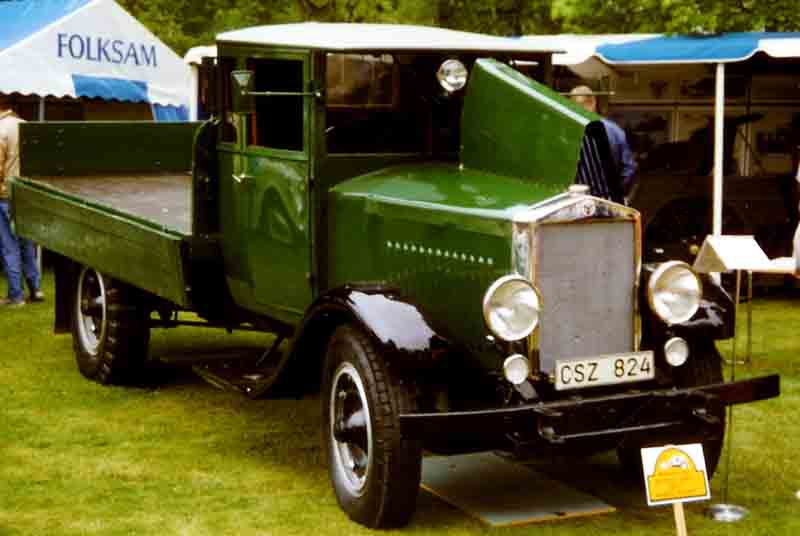
Scania-Vabis 314
The Scania-Vabis 314 stands as a testament to Scandinavian engineering prowess, embodying a legacy of durability and performance in the realm of heavy-duty commercial vehicles. Introduced during the mid-20th century, this truck exemplified robust construction and steadfast reliability, earning accolades for its resilience in demanding transport operations. Powered by a formidable inline 6-cylinder diesel engine, the Scania-Vabis 314 delivered impressive power and torque, establishing itself as a formidable contender in the world of long-haul transportation.
One of the defining attributes of the Scania-Vabis 314 was its versatility and adaptability to a wide range of transport tasks. Whether navigating treacherous mountain passes or hauling freight across expansive highways, this truck demonstrated exceptional agility and resilience in various operating environments. Its sturdy leaf spring suspension system provided stability and comfort, ensuring a smooth and reliable journey for both driver and cargo. Additionally, the Scania-Vabis 314 offered customizable configuration options, including different cab styles and wheelbase lengths, catering to the diverse needs of commercial operators.
Beyond its practical functionality, the Scania-Vabis 314 exuded a timeless charm in its design, reflecting the automotive aesthetics of its era. Its sleek yet purposeful appearance was complemented by distinctive design elements, such as the iconic grille and prominent Scania-Vabis emblem, symbolizing the brand’s commitment to quality and reliability. With a legacy built on durability, performance, and style, the Scania-Vabis 314 continues to hold a revered place in the annals of commercial vehicle history, embodying the ingenuity and craftsmanship of its creators for generations to come.
Scania-Vabis 314 parameters
While specific technical parameters may vary depending on the year of production and model specifications, here are some general parameters for the Scania-Vabis 314:
- Engine: Inline 6-cylinder, diesel
- Displacement: Approximately 7.0 to 9.0 liters (based on historical data for similar engines)
- Power: Typically around 120 to 160 horsepower (89 to 119 kW) at the time of production
- Torque: Approximately 500 to 700 Nm (depending on engine variant and configuration)
- Transmission: Manual transmission, typically with 4 or 5 gears
- Wheelbase: Varies depending on the specific configuration and model variant
- Gross Vehicle Weight (GVW): Depending on the configuration, GVW could range from 10 to 18 metric tons.
- Payload Capacity: Depending on the GVW and configuration, payload capacity could range from 5 to 10 metric tons.
- Dimensions: Overall length, width, and height varied based on the specific configuration, including options for different cab styles and wheelbase lengths.
- Brakes: Hydraulic brakes, typically with drum brakes on all wheels.
- Suspension: Leaf spring suspension on both front and rear axles.
- Fuel Tank Capacity: Varies depending on the configuration, typically between 150 to 300 liters.
- Top Speed: Typically around 70 to 80 km/h (43 to 50 mph) depending on load and road conditions.
- Tires: Standard truck tires for the era, typically with sizes around 9.00-20 or similar dimensions.
Please note that these parameters are generalizations based on historical data and the typical specifications of trucks from that era. Actual specifications may vary depending on the specific model year, market requirements, and optional features chosen by customers.
