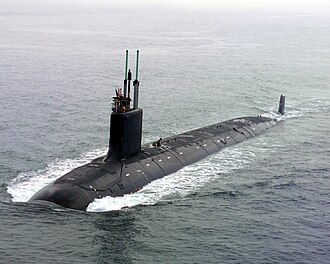
USS Barb (SSN-804): The Next Generation of American Undersea Warfare
The USS Barb (SSN-804) represents the continuation of one of the most celebrated names in United States Navy history while introducing a new era of advanced nuclear-powered submarine technology. As a Virginia-class fast attack submarine, SSN-804 is designed to operate at the forefront of modern naval operations, combining stealth, intelligence-gathering capability, precision strike power, and the ability to support a wide range of missions beneath the world’s oceans. The submarine’s name honors the legacy of previous U.S. Navy vessels named Barb, most famously the World War II submarine USS Barb (SS-220), which became legendary for its aggressive combat operations in the Pacific. By assigning this historic name to a modern Virginia-class submarine, the Navy connects the courage and innovation of earlier generations of submariners with the technological demands of twenty-first-century maritime security.
Modern naval competition increasingly depends on the ability to control information, remain undetected, and project power across great distances. The USS Barb is designed around these principles. Unlike surface ships that operate in visible environments, submarines rely on concealment, endurance, and advanced sensors to influence events without revealing their presence. A fast attack submarine such as SSN-804 can track enemy vessels, collect intelligence, conduct surveillance missions, launch precision weapons, support special operations forces, and protect larger naval formations. These capabilities make submarines among the most versatile and strategically important assets in the United States Navy.
As part of the Virginia-class submarine program, USS Barb benefits from decades of American experience in nuclear propulsion, underwater engineering, and submarine warfare. The Virginia class was developed to replace aging Los Angeles-class submarines while providing greater flexibility for a changing security environment. The class emphasizes quiet operation, advanced sonar technology, improved mission systems, and lower operating costs compared with previous generations. SSN-804 is expected to serve as a critical component of the Navy’s undersea fleet as the United States continues to prioritize dominance beneath the ocean surface.
The Historic Legacy of the USS Barb Name
The name Barb carries an exceptional reputation in American submarine history. The most famous predecessor was USS Barb (SS-220), a Gato-class submarine that served during World War II. Commissioned in 1942, SS-220 became one of the most successful submarines in U.S. naval history, earning recognition for daring attacks against Japanese forces and demonstrating the effectiveness of aggressive submarine tactics in the Pacific Theater. Under the command of Commander Eugene B. Fluckey, USS Barb conducted several highly successful patrols and became known for innovation, determination, and unconventional combat methods.
During World War II, USS Barb achieved a remarkable record by sinking numerous Japanese vessels and conducting operations that pushed the boundaries of submarine warfare. The submarine’s crew developed creative approaches to combat, including shore bombardment operations and highly risky missions close to enemy-controlled waters. Commander Fluckey’s leadership and the crew’s willingness to take calculated risks contributed to Barb’s reputation as a symbol of submarine excellence. The vessel received multiple awards, including the Presidential Unit Citation, and remains one of the most famous submarines in U.S. Navy history.
A later submarine, USS Barb (SSN-596), continued the name’s association with nuclear-powered submarine technology. Commissioned in 1963, SSN-596 was a Permit-class attack submarine and represented the transition from the diesel-electric submarines of World War II and the early Cold War into the age of nuclear propulsion. The current USS Barb (SSN-804) therefore connects multiple generations of American naval innovation, from World War II combat submarines to modern nuclear-powered platforms capable of worldwide operations.
Development and Construction of USS Barb (SSN-804)
USS Barb is being constructed as part of the Virginia-class submarine program, a major effort by the United States Navy to maintain a capable and technologically advanced undersea fleet. Virginia-class submarines are built through a partnership between two major American shipbuilders: General Dynamics Electric Boat in Connecticut and Newport News Shipbuilding in Virginia. This industrial partnership allows the Navy to increase submarine production while preserving specialized shipbuilding expertise required for nuclear-powered vessels.
The construction of a Virginia-class submarine is an extremely complex process involving thousands of workers and years of engineering effort. Submarine construction requires advanced manufacturing techniques, precision welding, nuclear engineering expertise, and extensive testing. Every portion of the submarine must meet strict standards because the vessel must withstand enormous underwater pressure while maintaining quiet operation and reliable performance during long deployments.
SSN-804 is part of the Virginia-class Block IV series, which incorporates improvements intended to increase operational availability and reduce lifecycle costs. Earlier Virginia-class submarines introduced significant advances in sensors, automation, and mission flexibility, while Block IV submarines focus on maintaining effectiveness over a longer service life. The design incorporates modifications that allow submarines to spend more time deployed and less time undergoing major maintenance periods.
The Virginia-Class Block IV Program
The Virginia-class program represents one of the largest submarine construction initiatives in modern U.S. naval history. Unlike previous submarine classes that were often designed around a specific Cold War mission, Virginia-class submarines were created as multi-purpose platforms capable of adapting to changing threats. Their missions include anti-submarine warfare, anti-surface warfare, intelligence collection, special operations support, and precision land attack.
Block IV submarines such as USS Barb are designed with improvements that increase their availability throughout their service lives. A major objective of the Block IV design is reducing the amount of time submarines spend in maintenance while increasing the number of days they can remain operational. This approach reflects the Navy’s need for more persistent undersea presence as global competition expands across the maritime domain.
The submarine’s advanced design allows it to operate alongside surface combatants, aircraft, unmanned systems, and allied naval forces. Modern naval warfare increasingly depends on networks of sensors and platforms working together, and submarines provide a unique advantage because they can gather information and influence events while remaining hidden beneath the surface.
Advanced Technology and Undersea Capabilities
The defining characteristic of USS Barb is its ability to operate covertly. Submarine warfare is fundamentally shaped by the struggle between detection and concealment. A submarine that can avoid detection gains significant advantages because it can choose when and where to engage. Virginia-class submarines incorporate advanced acoustic quieting technologies, sophisticated sonar systems, and computer-controlled systems designed to improve awareness of the underwater environment.
The submarine’s sonar suite allows its crew to detect and analyze underwater contacts, including other submarines, surface ships, and environmental conditions. Because radar is ineffective underwater, submarines rely heavily on acoustic information. Highly trained sonar operators analyze sounds from the ocean environment to identify potential threats and opportunities.
Nuclear propulsion provides USS Barb with exceptional endurance. Unlike conventionally powered submarines that must periodically surface or use specialized systems to recharge batteries, nuclear-powered submarines can remain submerged for extended periods. This gives them the ability to conduct long-duration missions across vast ocean areas without requiring frequent support.
Weapons Systems and Combat Missions
While stealth is one of the submarine’s greatest advantages, USS Barb is also a powerful combat platform. Virginia-class submarines are equipped with advanced weapons systems designed to counter a wide range of threats. Their primary offensive weapons include heavyweight torpedoes and land-attack cruise missiles, providing commanders with options against submarines, surface vessels, and selected land targets.
The submarine’s torpedo capability allows it to conduct anti-submarine and anti-surface warfare missions. Modern heavyweight torpedoes combine sophisticated guidance systems with powerful warheads, allowing submarines to engage targets at significant distances. These weapons remain an important part of submarine warfare because they provide a reliable method for defeating hostile naval forces.
Virginia-class submarines also feature systems that expand their ability to conduct strike missions. Through vertical launch systems and payload capabilities, these submarines can support precision attacks while maintaining the concealment advantages of an underwater platform. This combination of stealth and striking power makes submarines valuable tools for both deterrence and combat operations.
The Strategic Role of USS Barb in Modern Naval Operations
The USS Barb (SSN-804) is being introduced during a period when control of the undersea environment has become increasingly important to global security. Oceans remain critical pathways for international commerce, military movement, and communication networks, making the ability to operate beneath the surface a major strategic advantage. Submarines provide the United States Navy with a unique capability: the ability to maintain a hidden presence in contested regions while collecting information, deterring adversaries, and responding rapidly when required.
Fast attack submarines like USS Barb serve several interconnected roles within the broader naval force. They can independently conduct intelligence, surveillance, and reconnaissance missions, providing commanders with valuable information about maritime activity. They can also operate alongside aircraft carriers, surface combatants, and allied naval forces by protecting friendly vessels and detecting potential threats before they become immediate dangers. Their ability to remain concealed allows them to operate close to potential adversaries while reducing the risk of detection.
The modern security environment requires naval forces to prepare for conflicts involving advanced sensors, cyber warfare, long-range missiles, and increasingly capable submarine fleets. In such an environment, the ability to remain hidden while gathering information and maintaining strike capability becomes especially valuable. USS Barb contributes to this strategy by providing commanders with options that are difficult for opponents to predict or counter.
Another important mission area for Virginia-class submarines is special operations support. These submarines are designed to transport and support special operations personnel, allowing teams to conduct missions in difficult maritime environments. Their ability to approach areas without detection makes them valuable platforms for missions that require secrecy and precision.
Life and Service Aboard USS Barb
Life aboard a nuclear-powered submarine is unlike service aboard any other naval vessel. The crew of USS Barb will operate in a highly controlled environment where teamwork, technical knowledge, and discipline are essential. A submarine crew must maintain the vessel’s nuclear reactor, propulsion systems, weapons, sensors, and life-support equipment while simultaneously preparing for operational missions.
Space aboard a submarine is carefully managed. Every compartment serves a specific purpose, and sailors must adapt to limited living areas and a demanding schedule. Unlike surface ships, submarines do not have windows or access to natural light, making crew organization and morale particularly important. Sailors rely on routines, training, and strong relationships with their shipmates to successfully complete long deployments.
The crew is divided into specialized departments responsible for different aspects of submarine operations. The engineering department maintains propulsion and electrical systems, ensuring the submarine remains safe and operational. The navigation and operations teams manage movement, mission planning, and tactical information. Sonar operators monitor the underwater environment, while weapons specialists maintain combat systems and ensure readiness.
Officers and enlisted sailors aboard USS Barb must undergo extensive training before serving on a nuclear-powered submarine. Nuclear operators receive some of the most demanding technical education in the Navy, while all submariners must develop the ability to perform effectively under pressure. The success of a submarine mission depends not only on advanced technology but also on the skill and dedication of the people operating the vessel.
The Importance of Submarine Technology in the Twenty-First Century
Submarine technology has evolved dramatically since the early days of underwater warfare. Early submarines were limited by battery capacity, range, and reliability, but nuclear propulsion transformed the possibilities of undersea operations. Modern submarines such as USS Barb can travel vast distances, remain submerged for extended periods, and perform missions that earlier generations of submariners could only imagine.
Advances in computing, sensors, materials science, and propulsion systems have further expanded submarine capabilities. Modern submarines are not simply underwater ships; they are sophisticated information platforms capable of collecting, processing, and sharing large amounts of data. Their ability to operate quietly while gathering intelligence makes them essential components of modern military networks.
The Virginia-class program also demonstrates the importance of maintaining a strong domestic industrial base. Nuclear submarine construction requires specialized facilities, highly trained workers, and decades of accumulated knowledge. Shipbuilders, engineers, and technicians across the United States contribute to the creation of these vessels, ensuring that the Navy retains the ability to produce advanced undersea platforms.
USS Barb and the Future of the U.S. Submarine Fleet
USS Barb represents more than a single submarine; it represents the future direction of American undersea warfare. As older submarines leave service, Virginia-class vessels are becoming increasingly important for maintaining fleet strength. Their combination of stealth, flexibility, and advanced technology allows them to perform a wide variety of missions while adapting to future challenges.
The Navy’s long-term submarine strategy depends on maintaining enough attack submarines to meet worldwide commitments. These vessels support deterrence, protect strategic assets, and provide commanders with options during times of crisis. USS Barb will join a growing fleet of Virginia-class submarines designed to operate alongside advanced naval systems and allied forces.
The submarine also honors the legacy of previous USS Barb vessels. The World War II submarine earned its reputation through bold operations and innovative tactics, while the Cold War-era nuclear submarine demonstrated the advantages of atomic propulsion. The new SSN-804 combines those traditions by pairing the aggressive spirit associated with the name Barb with the most advanced submarine technology available today.
Technical Specifications of USS Barb (SSN-804)
The following table summarizes publicly available information about USS Barb (SSN-804) and its Virginia-class Block IV design. Certain military details, including exact operating depth, acoustic performance, sensor capabilities, and classified systems, are not publicly released.
| Specification | Details |
|---|---|
| Name | USS Barb |
| Hull Number | SSN-804 |
| Class | Virginia-class fast attack submarine |
| Variant | Virginia Block IV |
| Type | Nuclear-powered attack submarine |
| Builder | General Dynamics Electric Boat / Newport News Shipbuilding industrial partnership |
| Displacement | Approximately 7,800 tons submerged |
| Length | Approximately 377 feet (115 meters) |
| Beam | Approximately 34 feet (10.4 meters) |
| Propulsion | Nuclear reactor with electric drive propulsion system |
| Reactor Type | S9G nuclear reactor |
| Speed | More than 25 knots submerged (public estimate) |
| Endurance | Limited primarily by food supplies and crew requirements rather than fuel |
| Crew | Approximately 130 personnel |
| Primary Weapons | MK-48 heavyweight torpedoes and cruise missile systems |
| Torpedo Tubes | Four 533 mm torpedo tubes |
| Sonar Systems | Advanced integrated sonar suite for detection and tracking |
| Primary Missions | Anti-submarine warfare, anti-surface warfare, intelligence collection, surveillance, reconnaissance, strike operations, special operations support |
| Construction Program | Virginia-class submarine program |
| Expected Service Life | Approximately 33 years |
Conclusion: USS Barb as a Symbol of American Undersea Excellence
The USS Barb (SSN-804) represents the combination of history, technology, and strategic capability that defines the modern United States submarine force. By carrying forward a name associated with courage and innovation, the submarine connects today’s sailors with generations of submariners who operated in some of the most challenging environments imaginable.
As a Virginia-class Block IV submarine, USS Barb will provide the Navy with advanced stealth, intelligence capabilities, and combat flexibility. Its mission will extend beyond traditional submarine warfare by supporting a wide range of operations essential to maritime security. Whether gathering intelligence, protecting naval forces, or delivering precision strikes, the submarine will serve as a powerful example of modern undersea engineering.
The legacy of USS Barb has always been defined by determination and innovation. The new SSN-804 continues that tradition by combining the lessons of the past with the technologies of the future. As it joins the expanding fleet of American nuclear-powered submarines, USS Barb will stand as a symbol of the enduring importance of undersea power and the sailors who operate beneath the waves in defense of national security.
_returns_to_the_General_Dynamics_Electric_Boat_shipyard.jpg)