Hyundai i30 Fastback as a Used Car – A Stylish Alternative Worth Buying?
When Hyundai introduced the i30 Fastback in 2017, it surprised both automotive journalists and ordinary buyers. The company had already established the conventional i30 hatchback and estate as practical, dependable family cars, but the Fastback brought something entirely different to the compact segment. Rather than simply creating another variation of the standard hatchback, Hyundai developed a sleek five-door coupe-like model with a lower roofline, more elegant proportions, and a noticeably more premium appearance. It was aimed at drivers who wanted practicality without sacrificing style, offering an attractive alternative to traditional hatchbacks while remaining considerably more affordable than premium German competitors such as the Audi A5 Sportback or BMW 4 Series Gran Coupé.
Today, the Hyundai i30 Fastback occupies an interesting position on the used car market. Because it was never produced in the same numbers as the regular i30 hatchback, it remains a relatively uncommon sight on European roads. This exclusivity gives it a certain appeal, yet depreciation has made many examples surprisingly affordable. Buyers searching for a modern family car with elegant styling, reliable engineering, generous equipment, and sensible ownership costs often discover that the Fastback offers exceptional value compared with rivals of similar age and specification.
However, like every used vehicle, the Hyundai i30 Fastback deserves careful evaluation before purchase. Although it shares much of its proven mechanical platform with the conventional i30, engine choice, maintenance history, driving habits, and previous ownership all influence long-term reliability. Understanding the strengths and potential weaknesses of this distinctive model is essential for making an informed purchasing decision. This guide examines every important aspect of buying a used Hyundai i30 Fastback, from its history and design to reliability, running costs, driving experience, common problems, and technical specifications.
The Story Behind the Hyundai i30 Fastback
The Hyundai i30 Fastback was introduced as part of Hyundai’s ambitious strategy to broaden the appeal of its compact family car range. Instead of relying solely on practical hatchbacks and estates, Hyundai recognized that many buyers wanted a more emotional design without moving into the premium segment. The Fastback answered this demand by combining the practicality of a five-door liftback with styling traditionally associated with luxury grand touring cars.
Unlike many manufacturers that simply lowered the roofline of an existing hatchback, Hyundai redesigned much of the rear body structure to create smoother proportions and improved aerodynamics. The roof extends gracefully into the rear hatch, creating a silhouette that looks considerably more expensive than the vehicle’s actual price suggests. Designers also lowered the suspension slightly, giving the Fastback a sportier stance while maintaining everyday usability.
Mechanically, the Fastback shares its platform with the third-generation Hyundai i30. This means buyers benefit from the same well-proven engineering, suspension layout, safety systems, and powertrains. The result is a vehicle that combines proven reliability with distinctive styling, making it an attractive proposition for buyers who appreciate individuality without compromising practicality.
Exterior Design – A More Elegant Hyundai
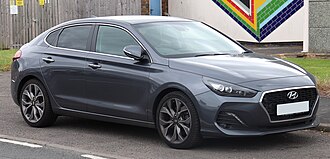
One of the strongest reasons to consider the Hyundai i30 Fastback is undoubtedly its appearance. In an era when many compact hatchbacks resemble one another, the Fastback manages to stand apart without appearing overly dramatic. The elongated roofline, frameless-looking rear profile, integrated spoiler, and carefully sculpted body panels create an elegant shape that remains attractive years after its introduction.
Compared with the standard hatchback, the Fastback sits slightly lower, creating a more athletic stance. The front retains Hyundai’s familiar cascading grille and sharp headlamp design, while the rear receives a completely different treatment featuring slim taillights and a wide tailgate opening. These details give the vehicle a more premium character while preserving the practicality expected from a family car.
Build quality is equally impressive. Hyundai’s manufacturing standards had improved dramatically by the time the Fastback entered production, and this is evident in the consistency of panel gaps, the quality of paint finishes, and the overall solidity of the body structure. Even older examples generally retain a solid feel with few squeaks or rattles, provided they have not been subjected to poor repairs following accident damage.
Interior Quality and Everyday Comfort
Inside, the Hyundai i30 Fastback shares much of its cabin with the regular i30 hatchback, which is excellent news for used buyers. The dashboard design is modern, ergonomically arranged, and constructed from materials that compare favourably with many competitors. Soft-touch plastics appear on frequently touched surfaces, while switches and controls operate with reassuring precision.
The driving position is excellent, offering a wide range of seat and steering wheel adjustments. Visibility towards the front is good, although the sloping rear roof inevitably reduces rearward visibility slightly compared with the hatchback. Fortunately, many examples are equipped with reversing cameras and parking sensors, making parking straightforward.
Despite the coupe-inspired roofline, rear passenger accommodation remains surprisingly generous. Headroom is slightly reduced, particularly for taller occupants, but legroom remains excellent thanks to the shared wheelbase with the standard i30. Families with children are unlikely to encounter any practical limitations, while adults can comfortably travel in the rear during longer journeys.
The luggage compartment remains one of the Fastback’s strongest practical features. Thanks to its liftback design, loading bulky items is remarkably easy, and folding rear seats further increase carrying capacity. This versatility makes the Fastback significantly more practical than traditional sedans with conventional boot lids.
Driving Experience
The Hyundai i30 Fastback delivers a driving experience that successfully balances comfort and responsiveness. Hyundai engineers slightly revised the suspension compared with the hatchback, lowering the ride height by approximately five millimetres while making subtle adjustments to spring and damper calibration. These changes improve body control without significantly compromising ride comfort.
Steering is light enough for city driving while remaining sufficiently precise for motorway journeys and winding roads. Although the Fastback does not attempt to rival dedicated sports cars, it feels composed, predictable, and reassuring under a wide variety of driving conditions. This approachable nature makes it suitable for both experienced motorists and less confident drivers.
High-speed refinement is another notable strength. Wind noise remains well controlled, road noise is modest, and the vehicle feels stable even during long motorway journeys. The aerodynamic body shape contributes not only to appearance but also to reduced wind resistance and improved fuel efficiency.
Engine Options
1.0 T-GDi Petrol
The turbocharged 1.0-litre three-cylinder engine is the entry-level petrol option. Despite its relatively small displacement, modern turbocharging technology allows it to deliver respectable performance for everyday driving. It is particularly attractive to drivers prioritising fuel economy, urban commuting, and lower insurance costs. Regular maintenance, including timely oil changes using the correct specification, is essential for long-term reliability.
1.4 T-GDi Petrol
Many buyers consider the 1.4-litre turbocharged petrol engine the ideal compromise within the Fastback range. It provides noticeably stronger acceleration than the 1.0-litre unit while maintaining excellent fuel efficiency. Power delivery is smooth, making motorway overtaking and fully loaded driving effortless. Reliability is generally very good provided scheduled servicing has been followed.
1.5 T-GDi Petrol
Later facelifted models introduced the 1.5-litre turbocharged engine featuring mild-hybrid technology in certain versions. This powertrain offers improved efficiency, lower emissions, and stronger mid-range performance while retaining the smooth characteristics expected from modern Hyundai petrol engines.
1.6 CRDi Diesel
For drivers covering substantial annual mileage, the 1.6-litre CRDi diesel remains an excellent option. It combines impressive fuel economy with generous torque, making long motorway journeys particularly relaxing. As with any modern diesel, buyers should verify that servicing has been completed correctly and ensure the vehicle has not spent its entire life performing short urban trips that could accelerate wear of emissions-related components.
Hyundai i30 Fastback N
The high-performance Fastback N deserves separate mention. Powered by a turbocharged 2.0-litre petrol engine producing between 250 and 280 horsepower depending on model year, it transforms the elegant Fastback into a genuine performance car. While reliability remains strong, buyers should recognise that maintenance costs, insurance premiums, and tire expenses are naturally higher than those of standard models.
Reliability and Long-Term Ownership
The Hyundai i30 Fastback benefits enormously from sharing its engineering with the highly successful third-generation i30 hatchback. Hyundai’s reliability record during this period was already excellent, and the Fastback continues this tradition. Engines are generally dependable, transmissions perform well when serviced correctly, and electronic systems rarely develop serious faults.
Routine maintenance remains the single most important factor influencing long-term reliability. Regular oil changes, coolant replacement, brake servicing, transmission fluid changes where applicable, and prompt attention to minor faults can significantly extend the vehicle’s lifespan. Many examples are expected to exceed very high mileages without requiring major mechanical repairs.
The quality of materials also contributes to long-term durability. Interior trim generally resists wear effectively, seats retain their shape, and bodywork ages gracefully when properly cared for. Hyundai’s corrosion protection is excellent, although inspections underneath the vehicle remain advisable, particularly in regions where winter road salt is common.
Common Problems to Check Before Buying
Turbocharged Engine Maintenance
All turbocharged petrol engines depend upon correct lubrication. Buyers should confirm that previous owners followed recommended oil change intervals using approved oil grades. Delayed servicing may accelerate turbocharger wear.
Dual-Clutch Transmission
Vehicles equipped with Hyundai’s seven-speed dual-clutch transmission generally perform well, but smooth operation should be verified during a test drive. Hesitation, jerking, or warning lights deserve further investigation before purchase.
Suspension Components
Although suspension durability is generally excellent, anti-roll bar links, bushes, and dampers naturally wear over time, particularly on vehicles driven regularly over poor road surfaces.
Infotainment Updates
Some early infotainment systems may require software updates to improve functionality or smartphone compatibility. Fortunately, these updates are usually straightforward.
Running Costs
One of the Fastback’s greatest strengths is that it delivers premium styling without premium ownership costs. Fuel consumption is competitive throughout the range, particularly with the smaller turbocharged petrol engines and diesel variants. Insurance remains reasonable compared with similarly styled premium alternatives, while servicing costs are generally modest thanks to Hyundai’s widespread dealer and independent service network.
Replacement parts are widely available because most mechanical components are shared with the standard i30. This significantly reduces repair expenses compared with lower-volume specialist vehicles. Depreciation has also made used examples excellent value, allowing buyers to obtain a stylish modern family car for substantially less than many direct competitors.
What to Inspect Before Purchase
Service history should always receive the highest priority. Verify regular servicing, particularly oil changes, brake maintenance, and software updates where applicable. Inspect body panels carefully for evidence of accident repairs, paying close attention to panel alignment and paint consistency.
During a comprehensive test drive, confirm that the engine accelerates smoothly, the transmission shifts correctly, the steering remains precise, and the suspension operates quietly. Test every electrical feature, including climate control, infotainment, parking sensors, reversing camera, lighting, and safety systems.
Advantages of Buying a Used Hyundai i30 Fastback
- Elegant and distinctive fastback styling.
- Excellent build quality.
- Proven mechanical reliability.
- Comfortable long-distance driving.
- Practical liftback luggage compartment.
- Wide range of efficient engines.
- Affordable servicing and maintenance.
- Strong safety equipment.
- Excellent value compared with premium competitors.
Disadvantages of Buying a Used Hyundai i30 Fastback
- Rear headroom slightly reduced compared with the hatchback.
- Limited availability because production numbers were lower.
- Turbocharged engines require regular maintenance.
- Rear visibility is slightly compromised by the sloping roofline.
- Performance N models have significantly higher running costs.
Technical Specifications Summary
| Specification | Hyundai i30 Fastback |
|---|---|
| Production Years | 2017–present |
| Vehicle Class | Compact Fastback (C-segment) |
| Body Style | 5-door fastback liftback |
| Seating Capacity | 5 passengers |
| Drive Layout | Front-wheel drive |
| Transmission Options | 6-speed manual, 7-speed dual-clutch automatic (DCT) |
| Petrol Engines | 1.0 T-GDi, 1.4 T-GDi, 1.5 T-GDi, 2.0 T-GDi (N) |
| Diesel Engine | 1.6 CRDi |
| Power Output | Approximately 120–280 hp depending on engine |
| Fuel Type | Petrol or diesel |
| Length | Approximately 4.46 metres |
| Wheelbase | 2.65 metres |
| Boot Capacity | Approximately 450 litres |
| Main Strength | Premium styling combined with proven Hyundai reliability |
| Ideal Buyer | Drivers seeking a stylish, practical and dependable compact family car |
Final Verdict: Is the Hyundai i30 Fastback a Good Used Car?
The Hyundai i30 Fastback successfully demonstrates that practicality and style do not need to exist in separate automotive categories. By combining the proven engineering of the conventional i30 with elegant fastback styling, Hyundai created a vehicle that appeals both emotionally and rationally. It offers dependable mechanical components, impressive comfort, generous practicality, strong safety credentials, and ownership costs that remain refreshingly sensible compared with many premium alternatives.
For used car buyers, the Fastback represents an opportunity to purchase a distinctive and well-equipped family vehicle at a highly competitive price. Its relative rarity adds exclusivity without creating maintenance difficulties because most components are shared with the widely available standard i30. Buyers who prioritise complete service history, careful previous ownership, and thorough inspection are likely to enjoy many years of reliable motoring.
Whether chosen with an efficient petrol engine for daily commuting, a diesel for frequent motorway travel, or the exhilarating N variant for enthusiastic driving, the Hyundai i30 Fastback remains one of the most underrated used cars in its class. It combines modern design, dependable engineering, everyday practicality, and long-term value into a package that deserves far more attention than it often receives, making it an outstanding option for anyone seeking a stylish yet sensible used family car.
