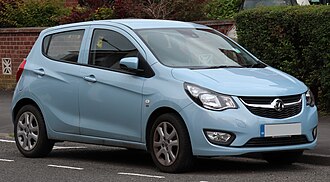
Opel Karl as a Used Car: Reliability, Common Problems, Engines, Fuel Consumption and Buying Advice
The Opel Karl is one of the smallest and most affordable cars produced by Opel in recent years. Introduced in 2015, it was developed as a practical city car designed to offer economical motoring, compact dimensions and surprisingly good everyday usability. Although it never achieved the same popularity as larger Opel models such as the Corsa or Astra, the Karl has become an interesting option on the second-hand market, particularly for drivers looking for an inexpensive vehicle for commuting, shopping and everyday urban journeys.
Unlike many modern small cars that focus heavily on fashionable styling or sporty driving characteristics, the Opel Karl was designed primarily around practicality. It has five doors, five seats, a relatively spacious cabin for its class and a simple petrol engine. Its compact exterior dimensions make parking and manoeuvring in crowded streets easy, while its lightweight construction helps keep fuel consumption and running costs relatively low. It is also available in selected markets with a factory LPG system, which can make it particularly attractive to drivers who cover a considerable number of kilometres.
However, buying a used Opel Karl still requires some consideration. Although its relatively simple mechanical design can be an advantage, the car is not without weaknesses. Engine performance is modest, motorway comfort is limited compared with larger vehicles, and the quality of individual used examples depends heavily on previous maintenance and driving conditions. Buyers should also pay attention to the clutch, gearbox, suspension, brakes, electrical equipment and possible oil leaks.
In this article, we will take a detailed look at the Opel Karl as a used car, examining its engine, reliability, common problems, fuel consumption, interior, practicality, maintenance requirements and overall ownership costs. We will also explain what to inspect before buying one and which versions make the most sense for different types of drivers.
Opel Karl: Model History and Background
The Opel Karl was introduced in 2015 as a small five-door city car positioned below the Opel Corsa. In some international markets, the same basic vehicle was marketed as the Chevrolet Spark, while the Karl name was used for the European Opel version. The model was developed to provide an affordable alternative to competitors such as the Hyundai i10, Kia Picanto, Volkswagen up!, Škoda Citigo and Toyota Aygo.
Production continued until 2019, meaning that the used-car market offers a relatively narrow range of production years. Unlike models that have gone through several generations, the Karl remained essentially the same generation throughout its production life, although equipment, engine specifications and available features varied according to the year and market.
The Karl was designed with a clear purpose: to provide inexpensive and uncomplicated transportation without sacrificing the practicality expected from a modern small car. Its five-door body makes it considerably easier to use than many older three-door city cars, particularly when transporting passengers in the rear seats or installing a child seat.
One of the Karl’s most important characteristics is its naturally aspirated 1.0-litre three-cylinder petrol engine. Rather than using a turbocharger to increase performance, Opel chose a relatively simple engine that delivers modest power but is suitable for everyday driving. This approach helps make the car mechanically less complicated than some competing small turbocharged models.
The Karl was also offered with different equipment packages, including versions featuring a more comfortable interior, touchscreen infotainment, parking assistance and additional convenience features. Depending on the market, buyers could find trims such as Selection, Edition, Enjoy, Rocks and other special versions. The Rocks variant stands out because of its crossover-inspired exterior styling, increased visual body protection and slightly more rugged appearance.
The model was discontinued in 2019, with Opel subsequently focusing on other vehicles within its small-car range. Nevertheless, the Karl remains an appealing second-hand purchase because its compact size, five-door configuration and relatively straightforward mechanical design suit many everyday driving requirements.
Engines: Which Opel Karl Engine Is the Best?
One of the advantages of buying a used Opel Karl is that the engine range is relatively straightforward. Unlike larger family cars, which may be offered with numerous petrol and diesel engines, automatic transmissions and different power outputs, the Karl was primarily designed around a single small petrol engine.
This makes choosing a used example somewhat easier. However, there are still differences between standard petrol versions, ecoFLEX models, LPG variants and cars equipped with the Easytronic automated manual transmission.
1.0 ECOTEC Petrol Engine – 75 HP
The most common Opel Karl engine is the naturally aspirated 1.0 ECOTEC three-cylinder petrol unit. It has a displacement of 999 cm³ and produces approximately 75 hp, equivalent to 55 kW, with maximum torque of around 95 Nm.
Although these figures may seem modest, the Karl is a lightweight vehicle, meaning that the engine is sufficient for normal urban driving. Acceleration is adequate when driving alone or carrying one passenger, and the car feels reasonably responsive at lower speeds. Its small dimensions and relatively low weight also mean that it does not require a particularly powerful engine to move through city traffic.
However, the engine’s limitations become more noticeable outside urban areas. When travelling on motorways, overtaking requires planning, especially when the vehicle is fully occupied or carrying luggage. Drivers may need to use lower gears and allow the engine to reach higher revolutions to maintain acceleration. This is not necessarily a mechanical weakness, but simply a consequence of the engine’s modest power and torque.
The three-cylinder engine produces a characteristic sound and vibration pattern, particularly during acceleration. Some vibration at idle is normal for this type of engine, but excessive shaking, irregular running or unusual mechanical noises should be investigated.
One of the main advantages of the 1.0 ECOTEC is its relatively simple construction. It does not use a turbocharger, which eliminates one potentially expensive component found in many modern small petrol engines. It is therefore a sensible choice for drivers who value straightforward mechanical design over strong performance.
When buying a used example, the most important considerations are regular oil changes, correct oil specification, cooling-system condition and evidence of consistent maintenance. The engine should start easily when cold, maintain a stable idle and accelerate without hesitation.
1.0 ecoFLEX Start/Stop
The ecoFLEX version uses the same basic 1.0-litre petrol engine but incorporates fuel-saving measures designed to reduce consumption and emissions. Depending on the specification, these may include start/stop technology, aerodynamic improvements and low-rolling-resistance tyres.
The engine still produces approximately 75 hp, so performance is broadly similar to that of the standard version. The main difference is the emphasis on efficiency rather than additional power.
The start/stop system automatically switches the engine off when the car is stationary under suitable conditions and restarts it when the driver is ready to move. This can reduce fuel consumption in urban traffic, although the actual benefit depends on how frequently the vehicle stops and starts.
When inspecting a used ecoFLEX model, check whether the start/stop system works correctly and whether the battery is suitable for this technology. A weak or incorrectly specified battery can cause the system to stop operating, although this does not automatically indicate a serious engine fault.
For drivers who mainly use their car in the city, the ecoFLEX version can be a sensible option, particularly when the vehicle has a good maintenance history.
1.0 LPG ecoFLEX – Petrol and LPG
In selected European markets, Opel offered the Karl with a factory LPG system. This version can operate on both petrol and liquefied petroleum gas, allowing the driver to benefit from lower LPG fuel prices where the infrastructure and taxation make it economical.
The LPG system is integrated into the vehicle rather than being an aftermarket conversion, which is an advantage when compared with poorly installed or undocumented modifications. The engine produces approximately 75 hp when operating on petrol and around 73 hp when using LPG, depending on the specification.
The biggest attraction is the possibility of reducing fuel expenditure. LPG consumption is normally higher in litres per 100 kilometres than petrol consumption because the fuels have different energy densities, but the lower price per litre can compensate for this difference.
However, LPG vehicles require additional maintenance. The gas installation, pressure regulator, injectors, filters, hoses and tank must be inspected according to the manufacturer’s recommendations and applicable local regulations. Buyers should also check the LPG tank’s inspection or expiry requirements in their country.
An LPG Karl is particularly attractive for drivers who cover regular distances and have convenient access to LPG stations. For someone who drives only a few kilometres each week, the financial advantage may be less significant.
Easytronic Automated Manual Transmission
Some Opel Karl versions were offered with an Easytronic automated manual transmission. Despite sometimes being described as an automatic, it is important to understand that Easytronic is based on a conventional manual gearbox with electronically controlled clutch and gear-selection mechanisms.
This means that it does not behave exactly like a traditional torque-converter automatic. Gear changes can be more noticeable, and the system may pause briefly between shifts. Drivers accustomed to conventional automatic transmissions may find its operation less smooth, particularly in slow-moving traffic.
The main advantage is convenience, especially for people who want to avoid operating a clutch pedal in city driving. However, the automated clutch mechanism introduces additional components that can require specialist diagnosis and repair.
Before purchasing an Easytronic Karl, test the transmission carefully in different conditions. It should engage gears predictably, move away smoothly and avoid excessive hesitation, unexpected neutral selection or warning messages. A diagnostic inspection is particularly important because problems involving the clutch actuator or gearbox control system can be expensive relative to the value of the car.
For buyers who prioritise simplicity and lower potential repair costs, a conventional five-speed manual Karl is generally the more straightforward choice.
Fuel Consumption and Running Costs
Fuel economy is one of the main reasons why people consider the Opel Karl as a used car. Its small petrol engine, lightweight construction and compact body make it suitable for economical everyday transportation, particularly in urban environments.
Official fuel consumption figures for early 1.0-litre manual versions were approximately 4.3–4.5 litres per 100 kilometres in the combined cycle, depending on specification and equipment. ecoFLEX versions could achieve lower official figures under the measurement procedures used at the time.
Real-world consumption is usually higher. In normal mixed driving, a well-maintained Karl may achieve approximately 5–6 litres per 100 kilometres, although urban traffic, short journeys, winter conditions and frequent acceleration can increase this figure. On open roads, consumption can be relatively low when the vehicle is driven smoothly and at moderate speeds.
The small fuel tank, with a capacity of approximately 32 litres, helps keep the car lightweight but means that drivers may need to refuel more frequently than they would in larger vehicles.
The LPG version can offer additional savings, particularly where LPG is significantly cheaper than petrol. However, its fuel consumption must be evaluated in relation to local fuel prices, additional servicing requirements and the condition of the gas installation.
Other running costs are generally reasonable. The Karl uses relatively small tyres, modest braking components and a straightforward suspension design. Routine servicing is normally less expensive than maintaining a large family car or a premium vehicle.
Nevertheless, low running costs should not be confused with an absence of maintenance requirements. An older Karl may need a new clutch, suspension components, wheel bearings, brakes, battery or exhaust components. These repairs are usually manageable individually, but several neglected items can quickly make a cheap used car an expensive purchase.
Insurance costs and vehicle taxation depend on the country, driver profile and local regulations. In many European markets, the Karl’s small engine and modest performance can make it an economical vehicle to insure and operate.
Interior, Comfort and Practicality
The Opel Karl’s interior is designed primarily around practicality rather than luxury. The dashboard layout is relatively simple, the controls are easy to understand and the driving position provides good visibility for urban use.
Although the vehicle is small on the outside, Opel made a considerable effort to provide a useful amount of passenger space. The five-door body makes access to the rear seats convenient, while the relatively upright roofline helps create a sense of space inside the cabin.
The front seats are comfortable enough for everyday journeys, although they do not provide the same level of support or adjustment as those found in larger vehicles. The rear seats can accommodate adults for shorter journeys, but legroom becomes limited when taller passengers sit behind taller front occupants.
The boot is relatively small, which is normal for this class. Standard versions offer approximately 206 litres of luggage capacity, increasing to around 1,013 litres when the rear seats are folded down. LPG versions can have a smaller boot because of the additional gas tank, with some specifications offering approximately 151 litres of standard luggage capacity.
This means that the Karl is suitable for shopping, small suitcases, everyday bags and occasional luggage, but it is not an ideal choice for families who regularly travel with several large suitcases or bulky equipment.
Interior materials are generally simple, with hard plastics used throughout much of the cabin. This is understandable for an affordable city car, but the finish may show signs of wear in heavily used examples. Before purchasing, check the condition of the steering wheel, gear lever, seats, door handles, dashboard surfaces and other frequently touched components.
Depending on the equipment level, the Karl can include air conditioning, Bluetooth connectivity, touchscreen infotainment, smartphone integration, heated seats, cruise control and parking assistance. Not every version has these features, so it is important to check the actual specification rather than relying on the model name or year.
Driving Characteristics: Is the Opel Karl Comfortable?
The Opel Karl was developed primarily for urban driving, and this is where it performs best. Its compact dimensions make it easy to manoeuvre through narrow streets, while the relatively light steering helps when parking or making tight turns.
Some versions include Opel’s City steering mode, which reduces steering effort at low speeds. This feature can make everyday driving easier, particularly for people who frequently park in confined spaces or drive through busy city centres.
The suspension is designed to cope with ordinary road conditions, although the Karl does not offer the same level of refinement as larger and more expensive cars. Short wheel travel, small wheels and the compact body can make potholes and uneven surfaces more noticeable.
On country roads, the car feels reasonably agile because of its low weight and compact dimensions. However, the modest engine means that drivers need to plan overtaking carefully. When climbing steep hills or travelling with several passengers, the engine may need to work hard to maintain speed.
Motorway driving is possible, but it is not the Karl’s strongest area. At higher speeds, engine noise, wind noise and limited acceleration become more noticeable. Crosswinds and the relatively short wheelbase can also make the car feel less settled than a larger hatchback.
For occasional longer journeys, the Karl is perfectly usable, but people who regularly travel hundreds of kilometres on motorways may be more comfortable in an Opel Corsa or another vehicle from a larger segment.
Common Problems with a Used Opel Karl
The Opel Karl is relatively simple compared with many modern vehicles, but age, mileage and maintenance history still influence reliability. It is important not to assume that every Karl has the same weaknesses or that a particular problem will affect every vehicle.
The following areas deserve attention during a used-car inspection.
Engine Oil Leaks
Oil leaks are among the issues that prospective buyers should check carefully. Seals and gaskets can deteriorate over time, allowing engine oil to escape around various parts of the engine.
A small leak may initially appear insignificant, but it can become more serious if oil levels are not monitored. Oil reaching hot exhaust components can also create unpleasant smells and potentially increase the risk of damage.
Before buying, inspect the engine and the area underneath the vehicle for fresh oil traces. Check the oil level and ask the seller whether the car requires frequent topping up between services.
A clean engine does not automatically guarantee that there are no leaks, as it may have been recently washed. If there are signs of fresh cleaning, it is worth checking the vehicle again after a test drive.
Clutch Wear
The clutch is a component that deserves attention, particularly on vehicles that have spent most of their lives in heavy urban traffic.
Frequent stop-start driving, hill starts and repeated clutch operation can accelerate wear. A worn clutch may slip under acceleration, engage unusually high in the pedal travel or produce judder when moving away.
During a test drive, check whether the clutch engages smoothly and whether the engine speed increases without a corresponding increase in vehicle speed. Unusual noises when pressing or releasing the clutch should also be investigated.
A replacement clutch may represent a significant expense relative to the value of an older Karl, so it is worth identifying any symptoms before completing the purchase.
Gearbox and Transmission Problems
The conventional five-speed manual gearbox is relatively straightforward, but it should still be checked for smooth operation. Difficulty selecting gears, excessive play in the gear lever, grinding noises or whining during acceleration can indicate wear or mechanical problems.
The Easytronic version requires additional attention because it uses an electronically controlled clutch and gear-selection mechanism. Poor shifting behaviour, warning lights, hesitation and inconsistent engagement should not be ignored.
If the car has an automated transmission, a diagnostic scan and inspection by a specialist familiar with the system are advisable.
Driveshaft and Recall Checks
A particularly important point when buying an early Opel Karl is checking whether all relevant manufacturer safety campaigns and recalls have been completed.
A reported campaign involving the Karl and related vehicles concerned driveshaft corrosion and the possibility of the component fracturing. Because recall applicability depends on production details and vehicle identification, buyers should not assume that every car is affected or that every vehicle has already received the necessary work.
The safest approach is to provide the vehicle identification number (VIN) to an Opel dealer or authorised service centre and request confirmation of any outstanding recalls or technical campaigns.
This is an important check because safety-related recall work should be completed regardless of whether the vehicle currently displays any symptoms.
Suspension and Steering Components
The suspension of a small city car must deal with potholes, speed bumps, kerbs and frequent changes in direction. Over time, shock absorbers, suspension bushes, stabiliser links and ball joints can develop wear.
Common symptoms include knocking noises over uneven surfaces, excessive bouncing, vague steering or uneven tyre wear.
During a test drive, drive over a variety of road surfaces and listen for unusual sounds. The vehicle should remain stable during braking and should not pull strongly to either side.
Also check the condition of the tyres. Uneven wear may indicate incorrect wheel alignment, worn suspension components or previous damage.
Brakes and Lighting
The braking system should be inspected carefully on any used car, particularly one that has spent most of its life in urban traffic.
Repeated braking, infrequent maintenance and corrosion can affect discs, pads and other components. During a test drive, the brakes should operate smoothly without excessive vibration, pulling or unusual noises.
The lights should also be checked individually, including dipped beams, high beams, indicators, brake lights, reverse lights and rear fog lights. Faulty lighting can be an indication of electrical problems or simply neglected maintenance, but either way it should be corrected before the vehicle is used regularly.
Electrical and Infotainment Problems
The Karl can be equipped with a variety of electrical convenience features, depending on the trim level. These include central locking, electric windows, touchscreen infotainment, Bluetooth connectivity, parking sensors and climate-control equipment.
As the car ages, electrical faults can develop in switches, wiring connections, sensors and control units. Infotainment systems should be tested carefully, particularly if the touchscreen is slow to respond or frequently disconnects from a connected phone.
Check that all dashboard warning lights illuminate during the ignition self-test and disappear as expected after starting the engine. A diagnostic scan can help identify stored faults that may not be immediately apparent.
Exhaust and Cooling System
The exhaust system can deteriorate because of corrosion, age and repeated short journeys. Listen for unusual exhaust noises and inspect visible sections for rust or damage.
The cooling system should also be examined. Check the coolant level, look for leaks around hoses and connections, and ensure that the engine reaches its normal operating temperature without overheating.
The temperature should remain stable during a longer test drive. Any unexplained coolant loss, overheating or persistent coolant smell should be investigated before purchase.
Opel Karl Reliability: Is It a Dependable Used Car?
The Opel Karl has several characteristics that make it an appealing choice for buyers who value straightforward motoring. Its naturally aspirated petrol engine avoids turbocharger-related complications, its mechanical design is relatively uncomplicated and its modest performance places less emphasis on high-output components.
However, reliability should always be assessed at the level of the individual vehicle. A Karl that has received regular oil changes, timely brake servicing and proper repairs can be a much better purchase than an example with lower mileage but incomplete maintenance records.
The car’s relatively simple engine is one of its biggest strengths. There is no need to deal with a diesel particulate filter, diesel injection system or high-pressure turbocharger on the standard petrol version. This can make the Karl particularly suitable for short journeys, where a modern diesel car might experience repeated emissions-system problems.
On the other hand, the vehicle is now old enough for age-related deterioration to become increasingly important. Rubber components, suspension parts, seals, batteries and electrical connections can all deteriorate regardless of the engine’s basic reliability.
A complete maintenance history is therefore more important than simply choosing the newest or lowest-mileage example available.
What to Check Before Buying a Used Opel Karl
A careful inspection can help identify problems before they become your responsibility. Because the Karl is an affordable used car, it is especially important to avoid buying an example that requires several immediate repairs.
Check the Service History
Start by examining the service documentation. Look for evidence of regular oil changes, filter replacements, brake servicing and other scheduled maintenance.
Check whether the mileage recorded in the service history is consistent with the vehicle’s odometer and available inspection records. A complete history is particularly valuable when the car has had several owners.
Ask whether any major repairs have been completed and whether the seller has documentation for replacement parts.
Inspect the Engine When Cold
Whenever possible, inspect the vehicle before the engine has been started that day. A cold start can reveal noises and behaviour that may disappear once the engine reaches operating temperature.
The engine should start without excessive hesitation, settle into a reasonably stable idle and respond smoothly to the accelerator.
Listen for unusual rattling, knocking or persistent mechanical noises. Some three-cylinder vibration is normal, but excessive shaking or irregular running deserves attention.
Check the Clutch and Gearbox
Test all gears during the drive and check that they engage without excessive force. The clutch should operate smoothly and should not slip under acceleration.
For Easytronic versions, test the system in both normal driving and slow-moving traffic. Watch for warning messages, delayed engagement or unusual changes between gears.
Examine the Bodywork
Inspect the car from different angles and look for differences in paint colour, uneven panel gaps and signs of previous accident repairs.
Pay particular attention to the underside, wheel arches, door edges and areas where moisture and road dirt can accumulate. Check the windscreen, lights and mirrors for damage.
Test All Equipment
Do not assume that every electrical feature works simply because the car looks well maintained.
Test the air conditioning, heating, windows, central locking, infotainment system, Bluetooth, lights, parking sensors and any additional equipment fitted to the vehicle.
If the car has a touchscreen system, check that it responds correctly and that there are no obvious display problems.
Check the LPG System
For LPG versions, verify that the installation is factory-fitted and that the system has been serviced correctly.
Test operation on both petrol and LPG, and check for warning lights, irregular running or unusual smells. Review the tank documentation and any applicable inspection requirements.
Verify Recalls by VIN
Ask an Opel dealer or authorised service centre to check the VIN for outstanding safety recalls and technical campaigns. This is particularly important for early production vehicles where driveshaft-related campaign work may be relevant.
Arrange an Independent Inspection
A professional pre-purchase inspection is worthwhile even if the vehicle appears to be in excellent condition.
A mechanic can inspect the underside, check for leaks, assess suspension wear, examine the braking system and perform an electronic diagnostic scan. This is often the best way to avoid buying a vehicle that appears inexpensive but needs substantial work.
Opel Karl vs Opel Corsa: Which Is the Better Used Car?
The Opel Karl and Opel Corsa are aimed at slightly different buyers, even though they overlap in terms of everyday use.
The Karl is smaller, lighter and primarily designed for urban driving. It is easy to park, economical to operate and offers a straightforward mechanical package. Its five-door body and relatively practical interior make it more versatile than many older small city cars.
The Corsa is larger and generally offers more engine choices, better motorway performance and additional interior and luggage space. It is therefore a more suitable option for people who regularly travel longer distances or need a vehicle that can comfortably accommodate passengers and luggage.
The Karl can be the better choice for drivers who spend most of their time in town and want a compact, uncomplicated vehicle. The Corsa is usually the more versatile choice for mixed driving and frequent longer journeys.
When comparing prices, remember that the condition of the individual vehicle matters more than the model name. A well-maintained Karl can be a better purchase than a neglected Corsa, particularly if its smaller dimensions suit your daily requirements.
Opel Karl as a First Car
The Opel Karl can be an excellent first car for a new driver. Its compact dimensions, relatively light steering and modest engine performance make it approachable and easy to operate.
The naturally aspirated 1.0-litre petrol engine does not deliver excessive power, which can be an advantage for inexperienced drivers. The five-door body also makes it practical for carrying friends, while its relatively small dimensions make learning to park easier.
The car’s modest fuel consumption and generally affordable routine maintenance can also help young drivers manage their ownership expenses.
However, buyers should not assume that a small car is automatically safe simply because it is modern enough to have airbags and electronic stability control. The exact safety equipment depends on the year and specification, so it is important to verify the presence of features such as ESC, side airbags and other driver-assistance systems.
The Karl can be a sensible first vehicle, provided that the chosen example has good tyres, properly functioning brakes and a documented maintenance history.
Opel Karl: Advantages and Disadvantages
Main Advantages
One of the biggest advantages of the Opel Karl is its compact size. It is particularly well suited to urban environments where parking spaces are limited and traffic conditions frequently require manoeuvring through narrow streets.
Its naturally aspirated petrol engine is relatively simple and avoids the additional mechanical complexity associated with turbocharged alternatives. The modest power output is sufficient for everyday city driving, while fuel consumption and routine servicing costs are generally reasonable.
The five-door body is another significant advantage. Unlike some small cars that sacrifice rear passenger access for styling, the Karl provides practical access to all seating positions.
Other benefits include relatively good visibility, straightforward controls, a useful selection of comfort features in higher trims and the availability of a factory LPG version in selected markets.
Main Disadvantages
The biggest disadvantage is the limited performance of the 1.0-litre engine. Although sufficient for urban use, it can feel underpowered on motorways, steep hills and when carrying several passengers.
The boot is also relatively small, particularly in the LPG version. Families who regularly carry large amounts of luggage may find the available space restrictive.
Interior materials are basic, and motorway noise levels are higher than those of larger vehicles. The suspension is also less refined on rough roads, and the car does not provide the same level of long-distance comfort as a larger hatchback.
Finally, Easytronic versions introduce additional mechanical and electronic complexity, while older examples may require attention to suspension, clutch, brakes, lighting and age-related electrical components.
Which Opel Karl Version Should You Buy?
For most buyers, the standard 1.0 ECOTEC with the five-speed manual gearbox is the most straightforward option. It combines a relatively simple engine with modest fuel consumption and a conventional transmission.
The ecoFLEX version is also worth considering, particularly if it has a good service history and the start/stop system operates correctly.
Drivers who cover higher annual mileage and have convenient access to LPG may find the factory LPG version financially attractive. However, it is important to check the condition and maintenance history of the gas installation and remember that its luggage compartment is smaller.
The Easytronic version is best considered by buyers who specifically want an automated transmission and are comfortable with its operating characteristics. A detailed inspection is essential before purchasing one.
In terms of equipment, it is worth looking for a vehicle with air conditioning, parking sensors, a good infotainment system and other useful convenience features. However, mechanical condition should always take priority over optional equipment.
A well-maintained basic version is generally a better purchase than a neglected, highly equipped example.
Is the Opel Karl Worth Buying as a Used Car?
The Opel Karl is a sensible choice for people who need a small, economical and practical vehicle for everyday transportation. Its compact dimensions make it particularly suitable for city driving, while the five-door body and relatively spacious cabin provide enough practicality for normal daily activities.
The naturally aspirated 1.0-litre petrol engine is one of its strongest features because it offers straightforward mechanical construction and avoids some of the complications associated with small turbocharged engines. The factory LPG version provides another interesting option for drivers who want to reduce their fuel expenditure.
However, the Karl is not suitable for everyone. Its modest engine performance, relatively small boot and limited motorway comfort mean that it is best used as a city car rather than as a primary vehicle for frequent long-distance journeys.
Before purchasing one, pay particular attention to the engine’s condition, oil leaks, clutch, gearbox, suspension, brakes and electrical equipment. Check the VIN for outstanding recalls and arrange a professional inspection if possible.
Overall, a well-maintained Opel Karl can be an affordable and practical used car with relatively low everyday running costs. It is particularly attractive as a first car, a second household vehicle or a commuter car for people who mainly drive in urban areas. The most important thing is to choose an example with a good maintenance history rather than simply buying the cheapest one available.
Opel Karl Technical Specifications: Summary Table
The following table summarises the main technical specifications of the Opel Karl. Figures are based primarily on the standard 1.0-litre petrol version, with differences noted for the LPG variant where relevant.
| Technical specification | Opel Karl 1.0 ECOTEC |
|---|---|
| Production period | 2015–2019 |
| Vehicle category | City car / small hatchback |
| Body style | Five-door hatchback |
| Number of seats | 5 |
| Engine type | Naturally aspirated petrol |
| Engine displacement | 999 cm³ |
| Number of cylinders | 3 |
| Maximum power | 75 hp (55 kW) |
| Maximum torque | Approx. 95 Nm |
| Fuel injection | Multipoint petrol injection |
| Turbocharger | No |
| Transmission | 5-speed manual |
| Alternative transmission | Easytronic automated manual, selected versions |
| Drivetrain | Front-wheel drive |
| Fuel type | Petrol; petrol/LPG in selected versions |
| Emissions standard | Euro 6 |
| Length | 3,675 mm |
| Width (without mirrors) | 1,698 mm |
| Height | Approx. 1,476 mm |
| Wheelbase | 2,385 mm |
| Ground clearance | Approx. 150 mm |
| Kerb weight | Approx. 939 kg, depending on specification |
| Fuel tank capacity | 32 litres |
| LPG tank capacity | Approx. 24.8 litres |
| Boot capacity | Approx. 206 litres |
| Boot capacity with rear seats folded | Approx. 1,013 litres |
| LPG boot capacity | Approx. 151 litres |
| Maximum speed | Approx. 170 km/h |
| Acceleration 0–100 km/h | Approx. 13.9 seconds |
| Official combined fuel consumption | Approx. 4.3–4.5 l/100 km |
| Typical real-world petrol consumption | Approx. 5–6 l/100 km |
| Typical use | Urban driving, commuting and short journeys |
Technical specifications may differ according to model year, equipment, transmission, market and LPG configuration. Official fuel consumption figures were measured using the testing procedures applicable at the time of production and should not be confused with real-world consumption.
Final Conclusion
The Opel Karl is not a car designed to impress with high performance, premium materials or advanced technology. Instead, it focuses on the things that matter most to many everyday drivers: affordability, compact dimensions, straightforward operation and economical transportation.
Its naturally aspirated 1.0-litre engine is suitable for city driving, and the five-door body makes it more practical than its small exterior dimensions might suggest. The relatively simple mechanical design is another positive feature, while the factory LPG option can provide additional savings for drivers who regularly cover longer distances.
Its weaknesses are equally clear. Motorway performance is limited, the boot is small, interior materials are basic and the driving experience is less refined than that of larger vehicles. Older examples also require careful inspection for mechanical wear, oil leaks, electrical problems and outstanding recalls.
For the right buyer, however, these compromises are perfectly reasonable. If you need an affordable second car, a practical first vehicle or an economical commuter for city driving, the Opel Karl deserves consideration. A carefully selected example with a documented service history can provide many years of useful and inexpensive transportation.
