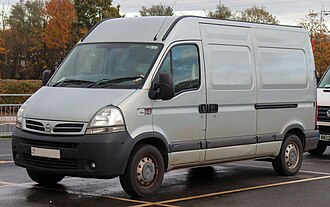
This guide looks at the Nissan Interstar as a used vehicle, covering its generations, engines, driving experience, practicality, running costs, common inspection points and suitability for different types of buyer. It also includes a technical specification table and SEO keyword suggestions for publishing the article on an automotive blog. Because specifications vary by model year, market, engine, body length, roof height and gross vehicle weight, the figures below should be treated as a guide rather than a substitute for checking the specification of the individual van.
What Is the Nissan Interstar?
The Nissan Interstar is a large commercial van designed primarily for carrying goods, equipment and tools. Unlike a passenger car, it is built around working requirements: the ability to transport bulky loads, withstand regular use, accommodate different business conversions and provide a driving position suitable for long hours on the road. Depending on the version, the Interstar can be found as a panel van, chassis cab or a base vehicle for specialist conversions. Some examples have been adapted for refrigeration, delivery work, construction, removals or motorhome use, so two vans with the same badge and similar registration dates may have very different practical capabilities.
One of the Interstar’s key characteristics is its relationship with other European commercial vehicles. Earlier versions shared their basic design with the Renault Master and Opel or Vauxhall Movano, depending on the generation. This shared engineering can be helpful when looking for parts, technical information or a workshop familiar with the underlying platform, although buyers should never assume that every component is interchangeable. Engine versions, equipment levels, body configurations and production changes can affect compatibility, making the vehicle identification number (VIN) and exact specification important when ordering parts.
Why Consider a Used Nissan Interstar?
The strongest reason to consider a used Interstar is the amount of working space it can provide for the purchase price. A large van is often essential for businesses that carry tools, building materials, furniture, parcels or equipment that will not fit into a smaller commercial vehicle. Choosing a used example can reduce the initial financial commitment and allow a business to invest more of its budget in equipment, insurance, maintenance or other operating costs. It can also be attractive to private buyers planning a campervan conversion, because the basic van provides a large enclosed space that can be adapted to suit individual requirements.
The Interstar may also be appealing to buyers who value function over luxury. In most versions, the cabin is designed to be durable and practical rather than luxurious, with storage spaces and controls intended for everyday work. Newer models may provide more modern infotainment, driver assistance and comfort features, but older examples can still serve well if the seating, heating, ventilation, visibility and basic controls are in good order. For a business purchasing a working vehicle, the condition of the engine, gearbox, brakes, tyres, load area and service history will usually matter much more than whether the dashboard looks modern.
Who Is the Nissan Interstar Best Suited To?
A used Interstar can be particularly suitable for tradespeople who need to transport tools and materials every day, delivery operators who require a large cargo area, and small businesses that want a vehicle capable of handling different types of work. It may also be a sensible option for furniture transport, courier services, event equipment, gardening businesses and specialist conversions. Buyers planning to use the van as a motorhome base should pay particular attention to body length, roof height, payload and the condition of the base vehicle, because conversion materials, water tanks, batteries, furniture and passengers all contribute to the final weight.
However, a large van is not automatically the best choice simply because it offers more space. A long-wheelbase, high-roof Interstar may be inconvenient in tight streets, multi-storey car parks and crowded urban areas, while a smaller vehicle could be easier to park and cheaper to operate if the full cargo capacity is rarely needed. The right choice depends on the kind of work the vehicle will perform, how far it will travel, how much weight it must carry and whether it will spend most of its time on motorways, rural roads or in stop-start city traffic.
Nissan Interstar Generations: What Should You Know?
The Interstar name has been used across several generations, and understanding which version you are buying is important because engines, transmissions, equipment and typical age-related concerns differ. Older vehicles may be cheaper to purchase but can require more work to keep roadworthy; newer versions may provide better comfort and emissions equipment but cost more initially and can have more complex systems to diagnose. It is therefore useful to compare vans by generation and exact specification instead of treating all Interstars as mechanically identical.
First Generation: Older, Budget-Friendly Work Vans
Earlier Interstars, including the generation associated with the Renault Master II, are now firmly in the older used-van category. They can be attractive to buyers who need a basic work vehicle at a limited purchase price, especially when a well-maintained example is available from a known owner. Their relatively straightforward cabin and established mechanical layout may appeal to people who want a practical tool rather than a sophisticated vehicle. Nevertheless, age has become one of the biggest factors to consider: corrosion, worn suspension, tired interiors, damaged cargo areas, ageing electrical components and evidence of previous repairs may be more significant than the mileage displayed on the dashboard.
Transmission condition deserves particular attention on older versions. Buyer and repair guides for the related Renault Master II identify manual gearbox bearing wear as a known concern, often associated with a whining noise that increases with road speed and may be especially noticeable in higher gears. EGR-related faults are also reported on some diesel variants. These issues should not be assumed to affect every Interstar, but they make a thorough test drive and an inspection by a commercial-vehicle specialist especially worthwhile.
Second Generation: The 2010-Era Interstar and Its Successors
Later Interstar models, introduced during the era of the Renault Master III platform, are common candidates in the used large-van market. They offer a more contemporary design than the oldest vehicles and were sold in different body lengths, roof heights and engine specifications. In European markets, many examples use a 2.3-litre dCi diesel engine, although buyers should confirm the precise engine and emissions specification of the individual vehicle rather than relying on registration year alone. The availability of different outputs and payload ratings means that two similar-looking vans may perform differently when loaded or have different legal carrying capacities.
These models can make sense for businesses that need a relatively modern working vehicle without stretching to the latest generation. Yet commercial use can be demanding: a van may have spent years carrying heavy loads, making frequent short journeys, idling for long periods or operating across multiple drivers. Consequently, service documentation, cold-start behaviour, clutch operation, gearbox feel, suspension condition and emissions-system health deserve close attention. A clean-looking exterior does not necessarily mean that the vehicle has had an easy life, especially if the load compartment has been heavily used or the bodywork has been repaired after knocks.
Newer Interstar Models and the Electric Option
The latest generation broadens the choice beyond conventional diesel power. Nissan introduced a new Interstar generation in 2024, including a fully electric version known as the Interstar-e alongside diesel models. The new electric van has been announced with battery options of 40 kWh and 87 kWh, while the diesel range includes modern powertrains and, depending on specification, manual or automatic transmissions. These newer vehicles are likely to sit at a different price point from older used Interstars, but they may be relevant to buyers looking for a nearly new van, a fleet vehicle or a base for work in areas with tighter emissions rules.
A used electric Interstar requires a different inspection approach from a diesel version. In addition to checking bodywork, brakes, suspension and service records, buyers should review battery health information where available, charging behaviour, warning messages, remaining warranty and the vehicle’s suitability for the intended daily route. Real-world range will depend on battery version, temperature, speed, payload, terrain and the use of heating or air conditioning. For an operator who returns to a depot every evening and covers predictable local routes, an electric van may be worth investigating; for long-distance work with heavy loads and limited charging opportunities, the diesel version may remain the more practical choice.
Engines and Performance: Which Used Interstar Should You Choose?
The engine is one of the most important factors when choosing a used Nissan Interstar, but the most powerful version is not necessarily the best one for every buyer. An unloaded van used for local deliveries has different requirements from a vehicle that regularly carries heavy construction materials or tows a trailer. Buyers should consider how the van will be loaded, the type of roads it will use, the distance travelled each day and the emissions rules that apply in their area. A well-maintained engine that suits the job is generally a better purchase than a higher-output version with an uncertain service history.
2.5 dCi Diesel Engines in Older Models
Some earlier Interstars were available with a 2.5-litre dCi diesel engine in several power outputs, including versions rated at approximately 100, 120 and 150 hp, depending on the model and market. These engines were intended to provide useful pulling power for commercial work rather than sports-car acceleration. When buying an older vehicle, the priority should be smooth starting, consistent running, sensible exhaust behaviour and evidence of regular servicing. The engine should start from cold without excessive cranking, settle into a stable idle and accelerate without unexplained hesitation, heavy smoke or warning lights. A short test drive may not reveal every developing fault, so a proper inspection and diagnostic scan can be worthwhile.
2.3 dCi Diesel Engines in Later Used Models
The 2.3-litre dCi diesel is associated with many later diesel Interstars and related Renault Master models. Its appeal lies in the balance between useful torque and suitability for a large commercial vehicle. In some later specifications, Nissan offered twin-turbo versions with outputs such as 135 and 150 hp; exact availability varies by year and market. Nissan’s published information for one later Interstar specification lists a six-speed manual gearbox and a stated consumption figure from 8.3 litres per 100 kilometres for a particular 150 hp front-wheel-drive version, but this should not be treated as a guaranteed real-world result for every used van. Actual fuel use will vary with load, traffic, route, speed, maintenance and body configuration.
For a buyer, condition matters more than the engine badge alone. Look for evidence that oil and filters have been changed at suitable intervals, and check whether any scheduled maintenance involving the timing system or other major components has been completed according to the exact engine’s service requirements. During the test drive, the engine should deliver power smoothly, without repeated loss of power or persistent warning messages. Pay particular attention to emissions-related equipment on vehicles used mainly for short journeys, as repeated cold running and stop-start driving can be hard on diesel particulate filters and exhaust-gas recirculation systems. A specialist diagnostic check can help identify stored faults that are not obvious from the dashboard.
Manual or Automatic Transmission?
Many used Interstars have a manual gearbox, and this may suit buyers who prefer a familiar, straightforward driving experience. However, a manual transmission still needs careful inspection. The clutch should engage predictably without excessive slipping, judder or an unusually high biting point, and gear changes should be reasonably smooth. Any persistent whining, grinding or rumbling should be investigated rather than dismissed as normal commercial-vehicle noise. On older related Master-based vans, gearbox bearing wear is a documented concern, so a test drive should include acceleration and deceleration in different gears and at different road speeds.
Newer versions may be offered with automatic transmissions, depending on the model year and specification. An automatic can be particularly convenient for urban delivery work, where frequent gear changes and traffic queues are part of the daily routine. Before buying one, check that it selects drive and reverse without excessive delay, accelerates smoothly and does not produce warning messages or unexpected changes in behaviour. Because a transmission repair can be costly, a specialist inspection is sensible if the gearbox feels inconsistent or the vehicle has an incomplete maintenance history.
Fuel Consumption and Running Costs
Fuel consumption is an important part of the ownership calculation because a large van can cover many kilometres each year. Even a modest difference in fuel use can add up when a vehicle is driven daily for work, so it is worth comparing real-world figures from vehicles with similar engines, loads and routes. Published figures are useful as a reference, but they cannot reliably predict the consumption of a heavily loaded van driven through city traffic, on hilly roads or at sustained motorway speeds. Tyre pressure, wheel alignment, engine condition, roof height and driving style can all influence the result.
What Fuel Economy Can You Expect?
Diesel Interstars are designed to move substantial loads, and their fuel consumption should be judged in the context of their size and purpose rather than compared directly with a small passenger car. A lightly loaded van on a steady route will generally operate under different conditions from one carrying building materials with frequent stops and extended idling. The higher the roof and the larger the body, the more important aerodynamics can become at motorway speeds. Before committing to a vehicle, ask the seller about its typical use and fuel consumption, then compare that information with your own expected workload. Treat unusually low claimed figures with caution if they are not supported by fuel records or credible trip data.
Maintenance, Repairs and Parts Availability
The purchase price is only one part of the cost of owning a used Interstar. Regular servicing, tyres, brakes, suspension components, clutch wear, exhaust-system repairs and unexpected mechanical faults can all affect the total cost. Since many Interstars share their basic platform with related Renault Master and Opel/Vauxhall Movano models, there may be more than one route to finding suitable parts or a workshop familiar with the mechanical layout. However, compatibility should always be confirmed by VIN, engine code and production details rather than assumed from a shared model family.
For business users, it is useful to think in terms of cost per kilometre or cost per working day rather than simply asking whether the van is cheap. A lower-priced vehicle that spends several days off the road waiting for repairs may be more expensive overall than a better-maintained example bought for more money. Before purchasing, set aside a realistic reserve for initial servicing and wear items, especially if the service history is incomplete. If the seller cannot document important maintenance, price the van on the assumption that some overdue work may be necessary.
Practicality and Load Capacity
The Interstar’s main selling point is its cargo-carrying ability. Its large enclosed load area can accommodate tools, bulky packages, furniture, appliances and many types of commercial equipment. Different wheelbases and roof heights allow buyers to prioritise overall length, interior height or a balance between the two. A shorter van may be easier to park and manoeuvre, while a longer version can make it possible to transport items that would otherwise require a trailer or a second trip. A high roof is useful for bulky cargo and camper conversions, but it also increases the vehicle’s overall height and can restrict access to car parks, garages and some loading areas.
Nissan’s published specifications for the newer panel-van range show cargo volumes from approximately 8 to 14.8 cubic metres across selected L1H1 to L3H3 configurations, with maximum payload figures that vary by gross vehicle weight and body style. These figures illustrate the breadth of the range, but they should not be applied indiscriminately to older used vehicles.
Payload: The Figure That Matters More Than Cargo Volume
Payload is the amount of weight a vehicle can legally carry after accounting for its own operating weight under the applicable definition. A van can have a large cargo area but a relatively modest payload, particularly if it has been converted or fitted with heavy equipment. Buyers should check the permitted gross vehicle weight and axle limits on the vehicle’s documentation and identification plate, then calculate the weight of the intended load, occupants, tools and any permanent fittings. This is especially important for campervan conversions, where insulation, furniture, batteries, water, cooking equipment and passengers can consume a surprising proportion of the available payload.
Do not rely solely on the seller’s description or an online listing that says the van has a particular payload. The exact figure depends on the version, factory options, body conversion and any modifications made since registration. If the van will regularly carry heavy materials or machinery, consider weighing it in its current condition before purchase and checking that the planned load will remain within the legal limits. Overloading can affect braking, tyre wear, handling and safety, as well as create legal and insurance problems.
Load Doors, Interior Wear and Everyday Use
The load area can reveal a great deal about how a used Interstar has been treated. Scratched panels and worn flooring are normal on a working vehicle, but serious dents, badly repaired sections, damaged mounting points or signs of water ingress deserve closer inspection. Open and close every door several times, checking that sliding doors move freely, the rear doors latch securely and the seals are intact. Examine the floor for corrosion or damage, especially around the edges and areas where heavy equipment may have been dragged or bolted into place. Look for signs that a previous conversion has left exposed wiring, poorly sealed holes or unsupported fittings.
The cab should be inspected just as carefully. Worn seats, damaged seatbelts, loose trim and non-functioning switches may indicate intensive use, although none of these alone proves that the vehicle is mechanically unsound. More important is whether the steering wheel, pedals, seats and other touchpoints appear consistent with the recorded mileage and service history. A commercial vehicle can accumulate substantial mileage without being a poor purchase if it has been maintained properly, but a combination of heavy wear, missing records and a seller who cannot explain the vehicle’s history should encourage caution.
Driving Experience: Is the Nissan Interstar Easy to Live With?
A large van will never feel exactly like a passenger car, but the Interstar can be perfectly manageable when matched to the right job. The high driving position provides a useful view of the road ahead, while large mirrors help the driver judge the sides of the vehicle and nearby traffic. The cabin is designed around practicality, and later models generally offer a more modern driving environment than the oldest examples. However, the van’s size, height and turning circle require attention, especially when reversing into loading bays, navigating narrow streets or entering unfamiliar car parks.
On longer journeys, the most important factors are seat comfort, cabin noise, stable steering and the engine’s ability to maintain speed without excessive effort. A van that feels acceptable when empty may behave very differently under a heavy load, so buyers should evaluate the intended use rather than judging the vehicle solely on a short drive around the dealership. Check for steering vibration, uneven braking, excessive body movement over bumps and noises from the suspension. The vehicle should track predictably and stop without pulling to one side, while the clutch and gearbox should behave consistently once the drivetrain is warm.
Visibility and Manoeuvrability
Visibility is a practical strength of many large vans, thanks to the elevated seating position and large exterior mirrors. Even so, the rear of a panel van can be difficult to judge because the load compartment blocks the driver’s direct view. Rear parking sensors or a reversing camera can make daily work easier, but these features vary by trim level and may not be present on older models. Test any fitted assistance systems during the inspection rather than assuming they work simply because they appear on the specification list.
The long body and high roof can also create challenges that are not obvious from photographs. Check the height of the van against the garages, depots, car parks and loading areas you use regularly, and think about whether its turning circle suits the streets where you work. If you often park in crowded urban areas, a shorter wheelbase may be a more practical choice than the largest available configuration. Conversely, if the van is primarily used for motorway transport or carrying long items, the extra cargo space of a longer model may justify the inconvenience.
Common Problems to Check on a Used Nissan Interstar
There is no single list of faults that applies equally to every Interstar, because age, engine, mileage, maintenance and previous workload all make a difference. The most useful approach is to identify the common concerns associated with the particular generation and then inspect the actual vehicle for evidence. A service record showing that problems have been repaired properly can be reassuring; an unexplained noise, warning light or recurring fault is more concerning, especially when the seller is unable to provide supporting paperwork.
Gearbox and Clutch Wear
On older Interstars based on the Master II platform, manual gearbox bearing wear is a known issue in repair and buyer guides. A rising whine that changes with road speed, especially in higher gears, should be investigated by a specialist rather than accepted as normal. During a test drive, listen carefully with the windows closed and the radio switched off, and pay attention to whether the noise changes when accelerating, cruising or lifting off the throttle. Check that the clutch engages smoothly and that the vehicle does not judder excessively when moving away. These symptoms do not prove a specific fault, but they can be reasons to seek a professional diagnosis before agreeing a price.
EGR, DPF and Engine Management
Diesel emissions systems can be a source of trouble on vehicles that spend much of their life on short urban routes. Depending on the engine and emissions specification, the vehicle may use exhaust-gas recirculation and a diesel particulate filter, both of which need to operate correctly. Symptoms such as persistent engine warning lights, reduced power, unusual smoke, repeated regeneration messages or poor running deserve investigation. A dashboard with no illuminated warning lights does not guarantee that there are no stored diagnostic codes, so a scan using suitable equipment can be helpful. The right repair depends on the underlying cause; replacing parts based on guesswork can become expensive.
Corrosion and Previous Accident Damage
Corrosion is especially important on older working vans, which may have spent years exposed to road salt, moisture, loading damage and poorly repaired bodywork. Inspect the sills, wheel arches, underside, chassis and structural mounting areas as far as access allows. Look closely at the condition of the floor, suspension mounting points and areas where water or road dirt can accumulate. Surface rust on a used commercial vehicle is not automatically a reason to walk away, but serious corrosion affecting structural areas can be costly and may compromise roadworthiness. If the underside is heavily coated in fresh material that obscures the condition of the metal, ask why and arrange an independent inspection.
Suspension, Brakes, Tyres and Steering
A van that has regularly carried heavy loads may have worn suspension bushes, joints, springs, dampers or other components. During the drive, listen for knocking over bumps, check whether the vehicle wanders or pulls to one side and note any vibration through the steering wheel. Inspect tyres for uneven wear, cuts, bulges and mismatched specifications, and verify that they are suitable for the vehicle’s load requirements. The brakes should operate smoothly without grinding, severe vibration or a tendency to pull sideways. These are ordinary used-vehicle checks, but they matter particularly on commercial vans because poor maintenance and heavy use can accelerate wear.
Electrical Equipment and Safety Recalls
Test all fitted equipment, including exterior lights, wipers, heating, air conditioning, electric windows, central locking, parking sensors and reversing cameras. On newer models, check that infotainment and driver assistance systems operate correctly and that no warning messages remain after starting the vehicle. Recall status should be checked by VIN with Nissan or an authorised dealer, because a recall may apply only to particular production batches or configurations. For example, an older Interstar buyer’s guide documented a seat-related recall affecting certain vehicles produced between February 2008 and May 2009; this is not a claim that every vehicle from those years is affected, which is precisely why a VIN-specific check is important.
How to Buy a Used Nissan Interstar Safely
A successful purchase begins before the viewing. Ask the seller for the registration details, mileage, service records, inspection history where applicable, information about previous owners and a clear explanation of how the van has been used. If the vehicle has been part of a fleet, ask whether it was used for local deliveries, long-distance work, construction or another purpose. Different types of work create different patterns of wear, and knowing the previous role can help you decide where to focus the inspection. If the seller cannot answer basic questions or refuses to allow an independent check, it is usually wiser to consider another vehicle.
Check the Paperwork and Mileage
Compare the recorded mileage with available inspection records, service invoices and any fleet maintenance documents. Look for gaps that need explaining and check whether the vehicle’s identity matches the paperwork. Confirm that the VIN is consistent across the relevant locations and documents, and check for outstanding finance, theft markers, write-off history or other issues using the appropriate vehicle-history service for the country where it is registered. Mileage should never be judged from the dashboard alone; the overall condition of the cab, load area, pedals, steering wheel and seat can provide useful context, though none is definitive in isolation.
Arrange a Proper Cold Start and Test Drive
If possible, ask to see the van before the engine has been warmed up. A cold start can reveal issues that may be less obvious once the engine is hot, including difficult starting, irregular idle or unusual noises. Observe the exhaust without making assumptions from a single puff of smoke in cold weather, then listen for persistent rattles, knocks or whines. During the test drive, use different gears, test the brakes in a safe location, check steering behaviour and drive over a variety of road surfaces. The vehicle should accelerate consistently and should not exhibit unexplained warning lights, serious vibrations or obvious transmission problems.
Pay for an Independent Inspection
An independent inspection by a mechanic familiar with large diesel vans is one of the most useful steps you can take before buying. A professional can examine the underside, assess corrosion, check suspension and brakes, scan the engine and emissions systems, and identify signs of leaks or previous repairs. The cost of an inspection is small compared with the potential expense of a major engine or gearbox repair. This is particularly important when buying an older Interstar at a price that appears unusually attractive, because a low asking price can sometimes reflect upcoming maintenance rather than a genuine bargain.
Nissan Interstar Compared with Its Rivals
The used large-van market includes several alternatives, such as the Ford Transit, Mercedes-Benz Sprinter, Volkswagen Crafter, Fiat Ducato and the closely related Renault Master. Each has different strengths, and the best option depends on price, configuration, maintenance history, parts access and the type of work required. The Interstar’s relationship with the Master can be useful when looking for parts or a workshop, but buyers should compare actual vehicles rather than assuming that one badge is automatically more reliable than another. A well-kept Interstar may be a better buy than a neglected rival, while a rival with a stronger service history or more suitable configuration may be the more sensible choice.
Nissan Interstar vs Renault Master
The Renault Master is the most obvious comparison because many Interstar generations share a basic platform and major mechanical components with it. Buyers may find that the two models offer similar cargo capacity and engine choices for comparable years, although equipment, trim, exact engines and individual specifications can differ. It is worth comparing both badges when searching for a used van, since availability, condition and price may vary in your local market. Shared engineering can also broaden the pool of workshops familiar with the vehicle, but parts compatibility should always be confirmed for the specific VIN and component.
Nissan Interstar vs Ford Transit and Mercedes-Benz Sprinter
The Ford Transit and Mercedes-Benz Sprinter are established alternatives in the large-van segment, with broad used markets and many different body and powertrain configurations. They may offer a wider choice in some regions, but the price of a particular vehicle will depend on age, mileage, condition and specification. Rather than choosing by reputation alone, compare the vans you can actually buy: assess payload, loading dimensions, service records, previous use, insurance costs, parts availability and the cost of likely maintenance. The Interstar should remain on the shortlist if it meets your practical requirements and the individual example passes a thorough inspection.
Is a Used Nissan Interstar a Good Choice for a Campervan Conversion?
The Interstar can provide a useful base for a campervan conversion because its enclosed load area offers space for a bed, storage, a kitchen unit and other living equipment. A high-roof version may allow some users to move around more comfortably inside, while a longer wheelbase can provide more flexibility for layout design. The vehicle’s suitability depends on the intended conversion, however, and buyers should not choose the largest body without considering where it will be driven, stored and parked. A well-planned layout that preserves useful payload and allows access to service points is often more practical than an ambitious conversion that leaves little room for passengers or luggage.
Before buying a van for conversion, inspect the body carefully for leaks, corrosion and signs of previous structural modifications. Consider the weight of the proposed conversion from the beginning, including insulation, furniture, electrical equipment, batteries, water, heating, cooking facilities and passengers. Check the legal requirements for vehicle classification and registration in your country, as converting a commercial van into a motor caravan may involve specific inspection or documentation rules. If the vehicle has already been converted, request documentation for the work and inspect the installation quality rather than assuming that a finished interior guarantees a sound base vehicle.
Final Verdict: Should You Buy a Used Nissan Interstar?
A used Nissan Interstar can be a practical and cost-effective large van when you choose the right specification and buy on condition rather than appearance alone. Its main advantages are generous cargo space, a broad range of commercial body configurations and a shared engineering background that may help with parts and servicing. It can be a good fit for tradespeople, delivery operators, small businesses and campervan converters, provided that the vehicle’s payload, dimensions and engine suit the intended use. Newer examples also broaden the choice with more modern diesel powertrains and, in the latest generation, an all-electric version for buyers whose routes and charging arrangements make electric operation realistic.
The main risks are those associated with any hard-working commercial vehicle: uncertain maintenance, excessive wear, corrosion, transmission problems, emissions-system faults and the possibility of expensive repairs soon after purchase. The best strategy is to shortlist several vehicles, verify their history, test them thoroughly and pay for an independent inspection if possible. Do not be tempted by the cheapest van if its condition or paperwork raises doubts, and do not pay a premium for low mileage without checking whether the rest of the evidence supports the seller’s claims. Ultimately, a well-maintained Interstar with a clear history and the right body configuration can be a dependable working partner; a neglected one can cost far more than the initial saving.
Nissan Interstar Technical Specifications: Summary Table
The following table summarises broad specifications and representative figures. Because the Interstar has been offered in multiple generations, engines and body styles, the exact figures for a used vehicle should always be confirmed from its registration documents, VIN-specific data and manufacturer specifications.
| Specification | Used Nissan Interstar: general guide |
|---|---|
| Vehicle type | Large commercial van |
| Body styles | Panel van, chassis cab and specialist conversions, depending on generation |
| Related models | Renault Master; Opel/Vauxhall Movano on shared-platform generations |
| Older diesel engines | Includes 2.5-litre dCi versions on earlier models |
| Later diesel engines | Many later European versions use a 2.3-litre dCi diesel |
| Diesel power outputs | Vary by year and engine; some older 2.5 dCi versions offered around 100, 120 and 150 hp |
| Transmission | Manual on many used versions; automatic available on selected newer specifications |
| Drivetrain | Front-wheel drive on many versions; check the specific model and conversion |
| Cargo volume | Newer panel-van specifications range from about 8 to 14.8 m³ across selected configurations |
| Maximum payload | Highly dependent on gross vehicle weight, body size and equipment; some newer configurations exceed 1,500 kg |
| Maximum gross vehicle weight | Varies by generation and derivative; many conventional versions are in the 3.0–3.5-tonne class, with heavier variants in some ranges |
| Cargo-area dimensions | Depend on wheelbase and roof height; check the specific L/H configuration |
| Fuel type | Diesel for conventional versions; electric powertrain available on the latest Interstar generation |
| Electric battery options | Latest Interstar-e announced with 40 kWh and 87 kWh battery options |
| Main strengths | Large load area, multiple body configurations, practical working cabin |
| Main inspection points | Service history, gearbox and clutch, engine and emissions systems, corrosion, suspension, brakes, tyres and load-area damage |
