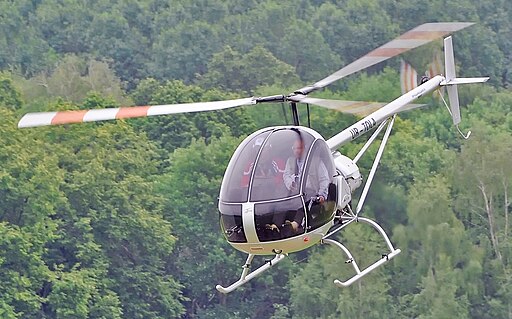
Aerokopter AK1-3 Sanka
Aerokopter AK1-3 Sanka: A Pioneer in Rotorcraft Innovation
The Aerokopter AK1-3 Sanka is a remarkable example of modern rotorcraft design, blending cutting-edge technology with performance and versatility in a compact, easy-to-operate package. Manufactured by Aerokopter, a company based in Ukraine with a growing reputation in the light aircraft industry, the AK1-3 Sanka has carved out its own niche in the world of gyrocopters, also known as autogyros. This article delves into the history, design, performance, and applications of the Aerokopter AK1-3 Sanka, highlighting why it has become a popular choice for both recreational and professional pilots.
The Origins of the Aerokopter AK1-3 Sanka
Aerokopter, founded in Ukraine, has a longstanding commitment to producing advanced light aviation products, with a focus on rotorcraft. The company’s goal is to provide reliable, efficient, and affordable flying machines that can cater to a variety of aviation needs, from personal flying to utility roles. The development of the AK1-3 Sanka is a testament to this mission, as the aircraft combines advanced engineering, durability, and ease of use in a compact form.
The AK1-3 Sanka was developed in response to the growing demand for lightweight, safe, and versatile rotorcraft that could offer the benefits of both airplanes and helicopters without the complexities of the latter. Autogyros, which use a freely spinning rotor to generate lift while being powered by an engine-driven propeller for forward thrust, provide a unique flying experience and can be used in a variety of applications where traditional helicopters or fixed-wing aircraft might not be as efficient or practical.
First introduced in the early 2000s, the AK1-3 Sanka has seen continual improvements, and it remains one of the most advanced and capable gyrocopters in its class. It has gained popularity among recreational pilots, flight schools, and even in certain commercial roles, thanks to its agility, simplicity, and exceptional flight characteristics.
Design and Construction
The design of the Aerokopter AK1-3 Sanka reflects a perfect balance between modern aviation technology and the proven principles of autogyro design. Its structure, aerodynamics, and materials make it a robust, efficient, and easy-to-fly aircraft with an emphasis on safety and durability.
Airframe and Materials
The airframe of the AK1-3 Sanka is constructed from a combination of metal and composite materials, designed to keep weight low while ensuring strength and longevity. The use of composites helps to reduce the overall weight of the aircraft, contributing to better performance, lower fuel consumption, and the ability to carry heavier payloads. This choice of materials is essential for rotorcraft, as it affects both the structural integrity and the overall weight-to-power ratio, which is critical for performance.
The fuselage is streamlined to reduce drag, while also providing sufficient space for the pilot and a passenger in the tandem seating arrangement. This layout maximizes the use of the available space while maintaining the aircraft’s small footprint, making it well-suited for both private and commercial use.
Rotors and Propulsion System
As an autogyro, the AK1-3 Sanka uses a freely rotating rotor for lift, a characteristic that sets it apart from conventional helicopters. The rotor is designed for maximum efficiency and is capable of providing the lift necessary to allow the aircraft to take off and remain airborne, even at low speeds. The rotor system on the AK1-3 Sanka is crafted to withstand high forces while ensuring smooth and stable flight characteristics.
The aircraft is powered by a modern engine that drives a pusher propeller at the rear of the fuselage. This configuration allows for quieter operation, as well as improved aerodynamics. The engine is typically a Rotax 912 or similar lightweight four-stroke engine, which is known for its reliability, efficiency, and ease of maintenance. These engines provide more than enough power to give the AK1-3 Sanka an impressive performance while ensuring that the aircraft remains fuel-efficient and easy to operate.
The engine’s pusher configuration ensures that the propeller’s slipstream does not interfere with the airflow over the rotor, reducing drag and increasing efficiency. This also contributes to improved safety, as it minimizes the chance of a propeller-related failure affecting the aircraft’s control.
Tail and Control Surfaces
The tail section of the AK1-3 Sanka features a traditional fixed vertical stabilizer and a rudder for yaw control, allowing the aircraft to maintain stability and control at low speeds. The horizontal stabilizer, located at the rear of the aircraft, helps control pitch and ensures the stability of the aircraft during straight and level flight.
The tail design on the AK1-3 Sanka contributes significantly to its overall stability and ease of handling. It is engineered to ensure that the aircraft responds predictably to control inputs, making it suitable for both novice pilots and experienced aviators. The aircraft’s overall simplicity and responsive control surfaces make it a joy to fly.
Cockpit and Features
The cockpit of the Aerokopter AK1-3 Sanka is designed with the pilot’s comfort and ease of operation in mind. It features a side-by-side seating arrangement for two, with controls arranged in an intuitive and straightforward layout. The tandem seating allows for an unobstructed view for both the pilot and the passenger, which is particularly important for the visibility required when flying in various conditions, such as during low-level flights or when performing maneuvers.
The instrument panel of the AK1-3 Sanka is simple and user-friendly, containing essential flight instruments such as altimeters, airspeed indicators, and compass systems. The layout is designed to keep everything within easy reach, minimizing pilot workload and ensuring a smooth and efficient flight experience.
One notable feature of the Sanka is its minimalist approach to the cockpit, with an emphasis on functionality over luxury. The open cockpit allows for better visibility and airflow, making it ideal for pilots who enjoy the sensory experience of flying in an open-air environment.
Engine and Performance
The Aerokopter AK1-3 Sanka is powered by a lightweight engine that provides ample thrust for its small frame, allowing the aircraft to achieve impressive performance characteristics. The engine options typically include the Rotax 912 or 914 series engines, which are well-suited for this type of aircraft. These engines are known for their efficiency and reliability, ensuring that the Sanka is both fuel-efficient and capable of sustained flight.
The typical performance parameters of the Aerokopter AK1-3 Sanka include:
- Max Speed: The AK1-3 Sanka has a top speed of around 120 knots (222 km/h), making it suitable for long-distance travel or faster cross-country trips.
- Cruising Speed: It cruises comfortably at about 80-90 knots (148-167 km/h), balancing speed and fuel efficiency for most general flying purposes.
- Range: The range of the AK1-3 Sanka is approximately 400-500 nautical miles (740-925 km), depending on the specific configuration and flight conditions.
- Climb Rate: The aircraft can climb at a rate of around 1,000 feet per minute, allowing it to reach cruising altitude quickly and efficiently.
- Takeoff and Landing: The AK1-3 Sanka is capable of short takeoff and landing (STOL), with takeoff distances typically around 100-150 meters in favorable conditions. This ability makes the aircraft ideal for operations at smaller airstrips and in rural areas with limited infrastructure.
These performance characteristics give the AK1-3 Sanka the flexibility to serve in various roles, including recreational flying, surveillance, and even aerial photography, thanks to its agility and relatively low operating costs.
Applications and Versatility
The Aerokopter AK1-3 Sanka is a highly versatile aircraft with a wide range of applications. Its ability to operate in confined spaces, combined with its impressive performance and ease of operation, makes it popular for several purposes:
Recreational Flying
One of the most common uses for the AK1-3 Sanka is recreational flying. Gyrocopters, by their very nature, offer a unique flying experience that many pilots find exciting and rewarding. The AK1-3 Sanka offers an excellent entry point for those looking to experience the joys of rotorcraft flying, thanks to its user-friendly controls and relatively low operating costs. Its ability to operate in varied conditions and land on smaller airfields makes it a perfect choice for aviation enthusiasts who prefer a more intimate flying experience.
Flight Training
Due to its simplicity and forgiving flight characteristics, the AK1-3 Sanka is also a popular choice for flight schools looking to train new pilots. The aircraft’s stability and responsiveness at low speeds make it an excellent tool for teaching the fundamentals of flight, and its relatively low cost makes it accessible for a wide range of training organizations.
Aerial Surveillance and Photography
The AK1-3 Sanka’s low operational costs, short takeoff and landing capabilities, and stable flight characteristics make it an ideal platform for aerial surveillance, law enforcement, and aerial photography. Its compact size and quiet operation allow it to perform these roles efficiently and effectively, especially in environments where other aircraft might struggle to operate.
Conclusion: The Aerokopter AK1-3 Sanka’s Lasting Impact
The Aerokopter AK1-3 Sanka represents the pinnacle of modern gyrocopter design, with a focus on performance, simplicity, and versatility. Its ability to combine the benefits of fixed-wing aircraft and helicopters, coupled with its relatively low cost and ease of operation, makes it an ideal choice for a wide range of applications.
Whether used for recreational flying, training, or commercial operations, the AK1-3 Sanka continues to be a favorite among rotorcraft enthusiasts and professional pilots alike. Its adaptability, coupled with the reliability and craftsmanship of Aerokopter, ensures that it will remain a significant player in the world of light aviation for years to come.
.jpg)