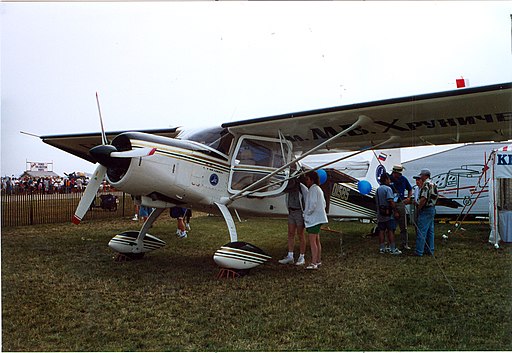
Khrunichev T-411 Aist
Khrunichev T-411 Aist: A Versatile Russian Utility Aircraft
The Khrunichev T-411 Aist is a single-engine, light utility aircraft designed and manufactured by the Khrunichev State Research and Production Space Center in Russia. Known for its rugged construction, dependable performance, and versatility, the T-411 Aist (meaning “stork” in Russian) represents the marriage of aviation and space-age technology. Developed in the 1990s, the T-411 was primarily intended for regional transportation, agricultural purposes, and utility roles, with its design emphasizing simplicity, cost-effectiveness, and adaptability to challenging environments.
The T-411 Aist was one of the rare aviation projects undertaken by Khrunichev, a company otherwise known for its contributions to aerospace and rocket technology. Leveraging their experience in precision engineering and materials science, the company aimed to produce an aircraft that could meet the diverse needs of Russia’s vast and often remote regions. From its inception, the T-411 was designed to excel in rural operations, offering the capability to take off and land on unpaved airstrips while handling harsh weather conditions and rugged terrain.
One of the distinguishing features of the T-411 is its flexibility. The aircraft is capable of performing a variety of roles, including passenger transport, cargo hauling, surveillance, and agricultural spraying. It has also been widely recognized for its straightforward design and low maintenance requirements, making it an appealing choice for operators in isolated areas where aviation infrastructure is limited. With its reliable performance and utility-focused design, the Khrunichev T-411 Aist remains a valuable tool in the world of light aviation.
Design and Features of the Khrunichev T-411 Aist
The Khrunichev T-411 Aist is a high-wing, single-engine aircraft designed to optimize visibility, stability, and performance in utility roles. It is a robust and reliable platform that has gained a reputation for being capable of enduring extreme environmental conditions and operating in remote areas where other aircraft may struggle.
Airframe and Construction
The T-411 is built using an all-metal construction, which enhances its durability while keeping its weight manageable. Its rugged design makes it resistant to wear and tear, particularly when operating on rough terrain or unpaved airstrips. The high-wing configuration not only provides excellent ground clearance but also ensures superior visibility for pilots, which is especially useful during low-altitude operations like aerial surveillance or agricultural spraying.
The aircraft features fixed tricycle landing gear, which simplifies maintenance and allows for stable landings on uneven or unprepared surfaces. This setup is particularly beneficial for operators in rural or undeveloped regions where runways may be little more than dirt or grass strips.
Engine and Performance
The T-411 is powered by a Lycoming IO-540 engine, a six-cylinder air-cooled powerplant known for its reliability and ease of maintenance. This engine produces 300 horsepower, allowing the aircraft to achieve a cruising speed of approximately 190 km/h (118 mph) and a maximum range of around 1,200 kilometers (745 miles). The aircraft’s fuel efficiency and operational endurance make it an ideal choice for regional and utility flights.
Thanks to its lightweight construction and powerful engine, the T-411 is capable of short takeoff and landing (STOL) performance. This characteristic is particularly advantageous for operations in areas with limited runway infrastructure or in emergency situations where quick landings are necessary.
Cabin and Payload
The T-411’s cabin is designed for versatility and comfort, with space for up to four passengers, including the pilot. The interior is modular, allowing for rapid reconfiguration depending on the mission. For example, seats can be removed to accommodate cargo or specialized equipment. The aircraft has a payload capacity of approximately 500 kilograms (1,100 pounds), making it suitable for transporting supplies, medical equipment, or agricultural products.
Large doors on the side of the aircraft facilitate easy loading and unloading of passengers or cargo. Additionally, the wide visibility provided by the cockpit windows makes the T-411 well-suited for aerial observation and patrol missions.
Applications and Operational Roles
The Khrunichev T-411 Aist is a multi-role aircraft that has proven its utility in a wide variety of operational contexts. Its combination of durability, simplicity, and cost-effectiveness makes it a valuable asset for civilian, agricultural, and governmental use.
Regional and Rural Transport
The T-411 is frequently used for regional transportation in remote areas where road infrastructure is limited or non-existent. It serves as a lifeline for isolated communities, delivering passengers, mail, and essential supplies to locations that would otherwise be difficult to reach. Its ability to operate from short, rough airstrips ensures it can connect even the most remote regions to urban centers.
Agricultural Aviation
In the agricultural sector, the T-411 is often employed for crop dusting, aerial spraying, and pest control. Its low-altitude flying capabilities and high-wing design make it ideal for precision application of fertilizers, pesticides, and other agricultural products. The aircraft’s rugged build ensures it can withstand the rigors of frequent takeoffs and landings in fields or rural airstrips.
Surveillance and Emergency Services
The T-411 has also been adapted for use in surveillance and emergency response roles. Equipped with specialized cameras or observation equipment, it can be used for aerial monitoring of forests, wildlife, and infrastructure. In disaster relief scenarios, the T-411 can transport medical personnel, supplies, or injured individuals to safety.
Advantages of the T-411 Aist
The Khrunichev T-411 Aist offers several advantages that have contributed to its popularity in light utility aviation:
- Durability: The aircraft’s rugged construction ensures it can endure challenging environments, from Siberian winters to unpaved runways.
- Versatility: The modular design of the cabin allows for quick adaptation to various missions, including passenger transport, cargo hauling, and aerial observation.
- Cost-Effectiveness: With low operating costs and straightforward maintenance, the T-411 is an affordable option for small operators and regional governments.
- STOL Performance: The ability to take off and land in short distances makes it an excellent choice for remote operations.
- Ease of Maintenance: The use of widely available components, including the Lycoming engine, ensures that the aircraft can be serviced even in regions with limited aviation infrastructure.
Challenges and Prospects
While the T-411 has many strengths, it faces competition from newer and more advanced aircraft in the global market. Additionally, its relatively basic avionics and lack of advanced features may limit its appeal to operators seeking cutting-edge technology. However, its simplicity and ruggedness remain significant advantages in regions where reliability and low operating costs are paramount.
To remain competitive, there has been discussion about potential upgrades to the T-411, such as modernizing its avionics, incorporating more fuel-efficient engines, and enhancing its payload capacity. These improvements could broaden its appeal and extend its operational lifespan.
Conclusion
The Khrunichev T-411 Aist is a testament to the enduring value of practical, rugged aviation design. Built to thrive in the challenging conditions of Russia’s vast and often unforgiving landscape, the T-411 has proven itself as a reliable workhorse for utility aviation. Whether transporting passengers and cargo, supporting agricultural operations, or conducting aerial surveillance, the Aist continues to play a vital role in connecting remote regions and serving diverse operational needs.
With its affordability, durability, and adaptability, the T-411 remains a valuable aircraft for operators who require dependable performance in demanding environments. As aviation technology evolves, the Khrunichev T-411 Aist is likely to remain a symbol of resilience and utility in light aviation for years to come.
