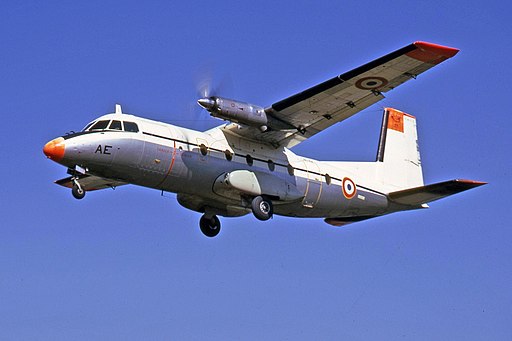
Aérospatiale N 262
The Aérospatiale N 262 is a remarkable example of French aerospace ingenuity, representing a pivotal moment in the evolution of regional and utility aviation. Born out of a need for a versatile, robust, and efficient transport aircraft during an era of rapid change, the N 262 has left its mark on both military and civilian operations. Its development, design philosophy, and enduring legacy are a testament to the innovative spirit that has long characterized European aerospace engineering.
Historical Development
The origins of the Aérospatiale N 262 can be traced back to the dynamic environment of the 1970s, when aviation authorities and operators were seeking new solutions for regional connectivity and utility roles. Initially developed by Nord Aviation—a company renowned for its commitment to reliable and adaptable aircraft designs—the N 262 emerged as a direct response to the increasing demand for short-haul transport aircraft that could serve remote airfields and austere environments alike.
As Nord Aviation evolved and eventually became part of Aérospatiale, the N 262 benefited from a wealth of research and engineering expertise. This collaboration led to a platform that not only met the rigorous performance standards of its time but also provided operators with a flexible tool capable of adapting to a variety of missions. From cargo transport to passenger services and even specialized military applications, the N 262 quickly gained recognition for its ability to perform consistently under diverse and often challenging conditions.
Design and Engineering Excellence
At the heart of the Aérospatiale N 262’s enduring success is its thoughtfully engineered design. The aircraft features a high-wing configuration that offers multiple advantages. This design not only ensures excellent downward visibility and situational awareness for pilots but also enhances ground clearance—a crucial factor when operating from unprepared or short runways. The high-wing layout further contributes to superior stability during low-altitude flights, making the N 262 a reliable performer in varied weather conditions.
The robust airframe was designed to endure the stresses of frequent takeoffs and landings, as well as the rigors of operation in harsh environments. A carefully optimized wing design, coupled with strong landing gear, ensures that the aircraft can navigate rough terrain and uneven surfaces with confidence. Additionally, the spacious and versatile cabin was engineered to allow for rapid reconfiguration. Whether the mission calls for a passenger layout, cargo transport, or specialized equipment installation, the N 262 can be adapted with relative ease, providing operators with a true multi-role platform.
Performance and Technical Specifications
Powered by twin turboprop engines, the N 262 delivers a blend of power and efficiency that is well-suited for regional operations. These engines provide ample thrust to ensure reliable performance, even when the aircraft is heavily loaded or operating at high altitudes. The choice of turboprop propulsion strikes an effective balance between speed, fuel efficiency, and maintenance costs—attributes that have made the N 262 particularly attractive to a wide range of operators.
In terms of performance, the N 262 is capable of achieving respectable speeds for its class while maintaining a commendable range on a single fuel load. Its short takeoff and landing (STOL) capabilities allow it to operate from relatively short runways, which is a key requirement for servicing remote or underserved regions. Furthermore, the aircraft’s handling characteristics are marked by stability and predictability, attributes that have contributed to its reputation as a dependable workhorse in both routine operations and emergency missions.
Operational Roles and Versatility
The true strength of the Aérospatiale N 262 lies in its versatility. Its design was intentionally kept flexible to meet a variety of operational demands, making it suitable for both civil and military applications. In the civilian sphere, the N 262 has been employed as a regional airliner, providing vital connectivity between smaller communities and major hubs. Its ability to transport a modest number of passengers or substantial cargo loads makes it an ideal choice for short-haul routes where larger aircraft might not be economically viable.
In military and government service, the N 262 has found a niche as a utility and liaison aircraft. Its robust construction and reliable performance have made it a favorite for tasks such as troop transport, reconnaissance, and logistical support. In many instances, the aircraft has been modified to include specialized equipment for surveillance or to serve as an airborne command post, highlighting its adaptability to mission-specific requirements.
Emergency services and humanitarian operations have also benefitted from the N 262’s capabilities. The aircraft’s capacity to operate from limited infrastructure allows it to deliver critical supplies, medical aid, or personnel to remote disaster zones where rapid response is essential. In this way, the N 262 has not only facilitated everyday transportation needs but has also played a role in saving lives during times of crisis.
Modernization and Legacy
While the Aérospatiale N 262 was conceived during an earlier era of aviation, its design has proven to be timeless. Over the years, various operators have undertaken modernization programs to update avionics, enhance engine performance, and improve overall safety. These efforts have ensured that the aircraft remains competitive and relevant, even as newer models have entered the market.
The legacy of the N 262 is one of resilience and adaptability. Its influence can be seen in subsequent regional aircraft designs that emphasize flexibility, reliability, and the capacity to operate in diverse environments. The lessons learned from its development and operational history have contributed significantly to the evolution of regional aviation, particularly in terms of how aircraft can be engineered to serve multiple roles without compromising on performance.
Moreover, the N 262 stands as a symbol of the collaborative spirit that has driven European aerospace innovation for decades. The integration of Nord Aviation’s pioneering approach with Aérospatiale’s extensive resources resulted in an aircraft that not only met the demands of its time but also anticipated future needs. In doing so, the N 262 has earned a place in the annals of aviation history as a model of efficiency and versatility.
Conclusion
The Aérospatiale N 262 remains a noteworthy chapter in the story of regional aviation. Its development marked a turning point where the need for flexible, reliable, and cost-effective aircraft led to innovative design solutions that continue to influence modern aerospace engineering. With its high-wing configuration, robust construction, and adaptable interior, the N 262 has proven itself in a wide range of operational roles—from connecting remote communities to supporting critical military and humanitarian missions.
Even as aviation technology advances at a rapid pace, the core principles embodied by the N 262—efficiency, adaptability, and resilience—continue to resonate with operators around the world. Today, the aircraft’s enduring presence in various fleets serves as a reminder that well-conceived engineering can transcend the constraints of its era and remain relevant long into the future. The legacy of the Aérospatiale N 262 is not just found in its technical specifications or performance records, but in its lasting impact on the way we approach regional and utility aviation.
