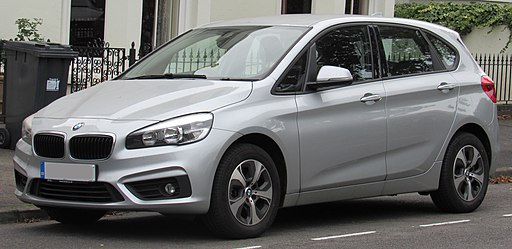
The BMW 2 Series represents one of the most diverse model families in BMW’s lineup, and this diversity is clearly reflected in the used car market. Unlike many compact premium models that follow a single body and drivetrain concept, the 2 Series encompasses rear-wheel-drive coupes and convertibles, front-wheel-drive-based Active Tourer and Gran Coupe variants, and high-performance M derivatives. As a used car, this range allows buyers to choose between driver-focused dynamics and practical daily usability, depending on the specific model and generation. Understanding the technical foundations of each version is essential, as the driving experience, maintenance requirements, and long-term reliability differ significantly across the lineup.
Platform Architecture and Structural Design
The technical basis of the BMW 2 Series depends largely on body style and production year. The coupe and convertible models, including the M240i and earlier M2, are built on rear-wheel-drive platforms derived from BMW’s compact longitudinal architecture. This layout enables balanced weight distribution and precise steering geometry, which are central to the dynamic character of these models. In contrast, the Active Tourer and Gran Coupe variants use the UKL front-wheel-drive platform, with optional xDrive all-wheel drive, prioritizing interior space and efficiency.
Structural rigidity is enhanced through the use of high-strength steel and aluminum components in critical load-bearing areas. Suspension mounting points, subframes, and crash structures are designed to withstand high dynamic loads, particularly in performance-oriented versions. In the used market, body alignment, panel gaps, and underbody condition should be carefully examined, as even minor accident damage can compromise handling precision and long-term durability.
Engine Range and Technical Characteristics
The BMW 2 Series offers a broad selection of turbocharged petrol and diesel engines, ranging from efficient three-cylinder units to powerful six-cylinder configurations. Four-cylinder petrol engines are common in entry- and mid-level models, delivering a balance of smoothness, responsiveness, and fuel efficiency. Diesel variants are characterized by strong low-end torque and reduced fuel consumption, making them well suited for long-distance driving.
Performance-oriented models, such as the M240i and M2, feature turbocharged six-cylinder engines with reinforced internals, high-capacity cooling systems, and optimized engine management. These engines deliver high specific output and sustained performance under load, but they also place greater demands on lubrication quality and cooling system maintenance. Used examples should be evaluated for oil change frequency, cooling component condition, and any signs of thermal stress, as neglect in these areas can lead to expensive repairs.
Transmission Systems and Drivetrain Configuration
Manual and automatic transmissions have been offered across much of the 2 Series range, with automatic gearboxes becoming increasingly prevalent in later models. The automatic transmissions, particularly those supplied by ZF, are known for fast shift times, smooth operation, and robust construction when serviced according to schedule. Fluid changes, while sometimes described as lifetime, are advisable at higher mileages to ensure longevity.
Drivetrain configuration plays a central role in the vehicle’s character. Rear-wheel-drive models deliver traditional BMW handling traits, with strong traction balance and the ability to manage power delivery effectively during cornering. Front-wheel-drive variants prioritize predictable behavior and traction in everyday conditions, while xDrive-equipped models enhance stability on low-grip surfaces. Each configuration introduces different maintenance considerations, such as differential servicing and driveline component inspection.
Suspension, Braking, and Handling Dynamics
Suspension design in the BMW 2 Series varies by model but generally combines MacPherson struts at the front with a multi-link rear arrangement. Sport suspension options feature firmer springs, revised damper tuning, and lower ride height, improving body control and steering response. Adaptive suspension systems provide electronically controlled damping, allowing a broader range of comfort and performance but increasing system complexity and potential repair costs in used vehicles.
Braking systems are appropriately sized for each performance level, with larger discs and upgraded calipers on higher-output models. Brake wear rates depend heavily on driving style, particularly in performance variants where spirited driving can accelerate pad and rotor consumption. Steering systems transition from hydraulic assistance in earlier models to electric power steering in later generations, offering improved efficiency and integration with driver assistance systems, though with a different steering feel.
Interior Engineering and Technology Integration
The interior of the BMW 2 Series reflects a balance between compact dimensions and premium materials. Driver-oriented ergonomics, supportive seating, and a clear instrument layout contribute to a focused driving environment. Higher trim levels and later model years introduce digital instrument clusters, advanced infotainment systems, and connectivity features that enhance usability but also increase electronic complexity.
In the used market, attention should be paid to the condition of interior surfaces, particularly seat bolsters and control interfaces that experience frequent use. Electronic systems such as infotainment displays, climate control modules, and driver assistance sensors should be tested thoroughly. Software updates and system calibration can influence performance and reliability, making a complete service and update history a valuable asset.
Reliability, Maintenance, and Operating Costs
The BMW 2 Series generally demonstrates solid reliability when maintained in line with manufacturer recommendations, but it is not tolerant of neglected servicing. Regular oil changes, cooling system inspections, and timely replacement of wear components are essential for long-term durability. Diesel models may require attention to emissions-related systems, particularly if used predominantly for short-distance driving.
Operating costs reflect the vehicle’s premium positioning, with higher parts prices and insurance premiums compared to mainstream compact cars. However, the availability of independent BMW specialists and shared components across the BMW range helps manage long-term expenses. A well-documented service history significantly reduces the risk of unexpected costs and improves ownership confidence.
Practicality, Comfort, and Daily Usability
Practicality varies considerably across the 2 Series lineup. Coupe and convertible models emphasize driving engagement over interior space, with limited rear seat room and smaller cargo areas. Active Tourer and Gran Coupe variants provide more generous interior packaging, making them suitable for family or commuting use.
Ride comfort is generally well controlled, particularly in non-sport suspension configurations, while long-distance refinement is supported by effective sound insulation and stable high-speed behavior. Fuel efficiency is competitive, especially in lower-output petrol and diesel variants, making the 2 Series viable as a daily driver as well as an enthusiast-oriented vehicle.
Used Market Position and Long-Term Value
In the used car market, the BMW 2 Series offers a wide range of price points and specifications, reflecting its diverse model range. Rear-wheel-drive coupes and high-performance M variants tend to retain value more strongly due to enthusiast demand, while front-wheel-drive models offer attractive value for buyers prioritizing practicality and modern features.
As a used car, the BMW 2 Series stands out for its combination of premium engineering, varied technical configurations, and strong driving character. Careful selection based on platform type, engine choice, and maintenance history is key to ensuring a rewarding and cost-effective ownership experience over time.
_%E2%80%93_Frontansicht,_26._Juli_2015,_D%C3%BCsseldorf.jpg)