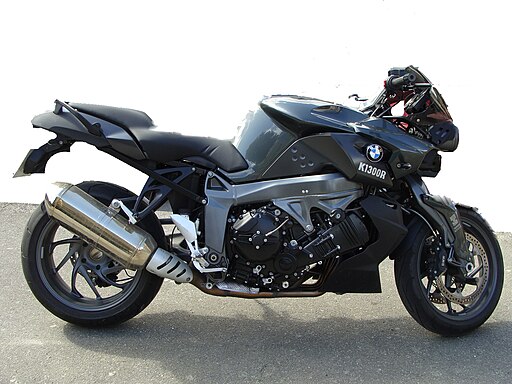
The BMW K1300R is a high-performance naked sport motorcycle developed by BMW and manufactured by its motorcycle division BMW Motorrad. Introduced in 2008 as the successor to the K1200R, the K1300R was designed to offer even greater performance, improved engine refinement, and advanced electronic technologies. The model quickly became one of the most powerful naked motorcycles available on the market and represented the pinnacle of BMW’s K-series roadster development during its production years.
Unlike many naked motorcycles that are simply stripped-down versions of sport bikes, the K1300R was engineered as a performance machine from the beginning. It combined a highly powerful inline-four engine with advanced suspension technology, a shaft drive system, and sophisticated electronics that enhanced both performance and rider safety. The result was a motorcycle capable of delivering superbike-level acceleration while maintaining everyday usability and long-distance riding comfort.
Development and Design Philosophy
The development of the BMW K1300R focused on refining the already impressive concept introduced with the K1200R. Engineers aimed to increase engine displacement, improve throttle response, and enhance the overall riding experience. At the same time, BMW designers wanted to maintain the distinctive aggressive appearance that had become a defining feature of the K-series roadsters.
The motorcycle’s styling reflects a bold streetfighter aesthetic with minimal bodywork and exposed mechanical components. The asymmetrical headlight design, muscular fuel tank, and compact tail section emphasize the bike’s powerful character. The overall silhouette communicates both performance and mechanical precision, characteristics that align closely with BMW’s engineering philosophy.
Although the motorcycle has a strong sporting focus, the K1300R was also designed to provide a high level of practicality. Its ergonomics allow for a relatively upright riding position compared with supersport motorcycles, which reduces fatigue during longer rides while still allowing the rider to maintain excellent control during aggressive riding.
Engine Architecture and Performance
At the core of the BMW K1300R lies a large liquid-cooled inline four-cylinder engine with a displacement of 1,293 cc. The engine features double overhead camshafts and four valves per cylinder, ensuring efficient airflow and high-revving capability. Compared with the earlier K1200 engine, the K1300 unit incorporates numerous refinements that improve smoothness and throttle response.
The engine produces approximately 173 horsepower at 9,250 rpm and delivers a strong 140 Nm of torque at 8,250 rpm. This impressive power output allows the K1300R to accelerate extremely quickly, making it one of the fastest naked motorcycles of its era. The strong torque curve provides powerful acceleration across a wide range of engine speeds, enabling effortless overtaking and dynamic riding on open roads.
Fuel delivery is controlled by an advanced electronic fuel injection system that continuously adjusts the air-fuel mixture for optimal performance and efficiency. Power is transmitted through a six-speed gearbox, and the motorcycle is equipped with an optional quickshifter system that allows clutchless upshifts for faster gear changes during sporty riding.
Like many BMW motorcycles, the K1300R uses a shaft drive system instead of a traditional chain drive. This design provides smooth power delivery, reduced maintenance requirements, and exceptional durability, making it particularly suitable for long-distance riding.
Frame Construction and Structural Design
The structural foundation of the BMW K1300R is an aluminum bridge frame that integrates the engine as a stressed structural element. This architecture provides high torsional rigidity while keeping the overall weight of the motorcycle relatively low.
The frame geometry is designed to deliver a balance between agility and stability. A relatively long wheelbase contributes to excellent high-speed stability, while the carefully engineered steering geometry ensures responsive handling in corners. This combination allows the K1300R to perform confidently both on winding mountain roads and high-speed highways.
At the rear, the motorcycle features a single-sided swingarm that houses the shaft drive system. This design not only enhances the mechanical aesthetics of the motorcycle but also simplifies maintenance and wheel removal.
Suspension Technology
One of the most distinctive engineering features of the BMW K1300R is its advanced suspension system. At the front, the motorcycle uses BMW’s Duolever suspension, which is based on a double-wishbone design rather than conventional telescopic forks. This system separates steering and suspension forces, significantly reducing front-end dive during heavy braking.
The rear suspension utilizes BMW’s Paralever system, which integrates the shaft drive into the swingarm structure. This configuration reduces torque reactions typically associated with shaft-driven motorcycles, ensuring smoother acceleration and improved traction.
Many versions of the K1300R were equipped with Electronic Suspension Adjustment (ESA). This system allows riders to electronically adjust suspension damping and preload settings according to riding conditions. By selecting different modes such as comfort, normal, or sport, the rider can quickly adapt the motorcycle’s suspension characteristics to match road conditions or riding style.
Braking System and Safety Technologies
To control the motorcycle’s powerful performance, BMW equipped the K1300R with a high-performance braking system. The front wheel is fitted with dual large-diameter brake discs combined with multi-piston calipers that provide exceptional stopping power and consistent braking performance.
The rear brake uses a single disc that complements the front braking system and improves stability during deceleration. Many versions of the K1300R were equipped with ABS (Anti-lock Braking System), which prevents wheel lock during emergency braking and enhances overall rider safety.
BMW also offered optional traction control systems, which monitor wheel speed and reduce engine power if excessive wheel spin is detected. This technology improves stability when accelerating on slippery surfaces and enhances rider confidence in challenging conditions.
Ergonomics and Riding Comfort
Despite its extreme performance capabilities, the BMW K1300R was designed to remain comfortable and practical for everyday use. The handlebar position allows a more upright riding posture compared with full supersport motorcycles, reducing strain on the rider’s wrists and shoulders.
The seat height of approximately 820 mm makes the motorcycle accessible to a wide range of riders. The seat itself is well padded and designed to provide support during longer journeys. Combined with the smooth operation of the inline four-cylinder engine, this ergonomic design allows riders to travel long distances without excessive fatigue.
The fuel tank capacity of around 19 liters provides a respectable touring range, making the K1300R suitable not only for aggressive riding but also for extended road trips.
Legacy and Position in the Motorcycle Market
The BMW K1300R represents one of the most powerful and technologically advanced naked motorcycles produced by BMW. Its combination of extreme performance, advanced suspension systems, and distinctive design made it a standout model within the naked sportbike category.
The motorcycle demonstrated that high-performance roadsters could deliver superbike-level acceleration while still maintaining practicality and comfort. Although production eventually ended, the K1300R remains highly regarded among enthusiasts and collectors for its impressive engineering and unique character.
Today, the model is often considered one of the most iconic BMW naked motorcycles ever produced, representing the peak of the K-series roadster concept before BMW shifted its focus toward newer engine platforms and electronic technologies.
Technical Specifications – BMW K1300R
| Parameter | Specification |
|---|---|
| Manufacturer | BMW Motorrad |
| Production years | 2008–2015 |
| Motorcycle type | Naked sport / roadster |
| Engine type | Liquid-cooled inline 4-cylinder, DOHC, 4 valves per cylinder |
| Displacement | 1,293 cc |
| Bore × Stroke | 80 mm × 64.3 mm |
| Compression ratio | 13.0:1 |
| Maximum power | 173 hp (127 kW) at 9,250 rpm |
| Maximum torque | 140 Nm at 8,250 rpm |
| Fuel system | Electronic fuel injection |
| Transmission | 6-speed manual |
| Final drive | Shaft drive |
| Frame | Aluminum bridge frame |
| Front suspension | BMW Duolever |
| Rear suspension | BMW Paralever single-sided swingarm |
| Front brakes | Dual 320 mm discs with multi-piston calipers |
| Rear brake | Single 265 mm disc |
| Wheelbase | 1,585 mm |
| Seat height | approx. 820 mm |
| Fuel tank capacity | 19 L |
| Wet weight | approx. 243 kg |
| Top speed | approx. 260 km/h |
| 0–100 km/h acceleration | approx. 2.8 s |
