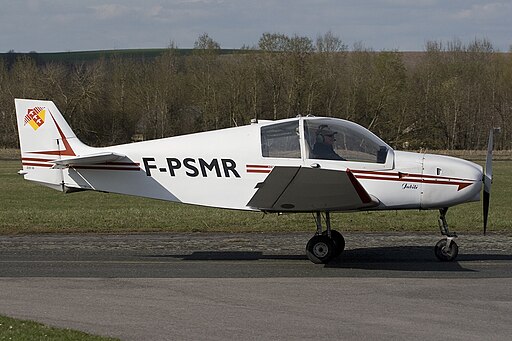
Aero Synergie Jodel D20
Aero Synergie Jodel D20: A Classic in Modern Aviation Design
The Aero Synergie Jodel D20 is an iconic light aircraft that blends decades of aviation history with modern design philosophies. Originally conceived by French engineer and designer Jean Délémontez, the Jodel series of aircraft has long been known for its simplicity, efficiency, and outstanding flying characteristics. Among the many variants of the Jodel, the Jodel D20 stands out as one of the more refined and versatile models, offering exceptional performance for both recreational flying and training purposes.
This article delves into the history, design, technical specifications, flight performance, and overall impact of the Aero Synergie Jodel D20, emphasizing its significance in the world of light aircraft and why it remains relevant even today in the rapidly evolving world of aviation.
The History of the Jodel Aircraft Series
The Jodel series of aircraft has a rich history that dates back to the mid-20th century. The first Jodel aircraft, the D9, was introduced in 1953 by French engineer Jean Délémontez. It was designed as a small, efficient, and affordable light aircraft that could be used for recreational flying, cross-country trips, and flight training. Its design combined simplicity, practicality, and excellent flying characteristics, making it a favorite among private pilots and flight schools.
Following the success of the D9, a number of other variants were developed, including the Jodel D11, D18, and D20. Each new iteration offered improvements in performance, safety, and versatility, ensuring that the Jodel aircraft continued to be highly regarded in the aviation community.
The Jodel D20, introduced in the early 1960s, was a significant leap forward in the evolution of the Jodel line. It was designed to meet the needs of a broader range of aviators, offering both better performance and more modern features. Over the years, the Jodel D20 has remained a favorite among pilots due to its ease of handling, efficiency, and affordability.
Design and Construction
The design philosophy behind the Jodel D20 was centered around the creation of a lightweight, simple-to-operate aircraft with outstanding flight characteristics. The Jodel D20 features a low-wing configuration, which is known for providing excellent stability, particularly during turns and other maneuvers. Its design draws upon the lessons learned from earlier Jodel models, ensuring a seamless blend of classic design and modern functionality.
Airframe and Materials
The airframe of the Jodel D20 is constructed from a combination of wood, fabric, and some metal components. This traditional construction method is typical of many light aircraft from the era, offering a balance of strength, weight reduction, and ease of maintenance. The wooden structure provides a unique tactile quality to the aircraft, as well as a sense of nostalgia for those who appreciate classic aviation techniques.
The fuselage is made from a strong wooden frame, covered with a fabric that is both lightweight and durable. This construction style is not only cost-effective but also easy to repair, which makes the Jodel D20 an excellent choice for homebuilders or owners who wish to maintain their aircraft independently. The wings are similarly constructed, with wooden spars and ribs covered in fabric.
This simple construction also allows the Jodel D20 to have a low empty weight, which contributes to its agility and efficiency in the air. The overall build of the aircraft is highly regarded for its durability, as well as the ease with which repairs and modifications can be carried out.
Wings and Aerodynamics
The wing design of the Jodel D20 plays a key role in the aircraft’s excellent performance and handling. The low-wing configuration provides the plane with better roll stability and smoother handling, particularly during steep turns or turbulence. The wings are designed to be moderately tapered, which reduces drag and increases aerodynamic efficiency. The design also allows for better lift distribution across the entire surface of the wing, ensuring stable flight in various conditions.
The wing’s aspect ratio is optimized for both cruise efficiency and short-field performance, giving the D20 the ability to perform well in a range of flying scenarios, from cross-country navigation to small airfield operations. Additionally, the D20 is equipped with split flaps, which help to increase lift and allow for smoother, slower approaches during landings.
Cockpit and Seating
The cockpit of the Jodel D20 is designed with simplicity in mind, but with enough comfort and functionality to provide an enjoyable flying experience. The tandem seating arrangement, with the pilot sitting ahead of the passenger or co-pilot, is ideal for training purposes, where the instructor can provide direct feedback and control inputs during flight.
The cockpit is open and spacious, with clear visibility in all directions, making it easier for pilots to assess the surrounding environment during flight. The controls are arranged in a straightforward manner, with a yoke or control stick (depending on the model) for the pilot to manipulate the ailerons, while rudder pedals control the aircraft’s yaw. The instrument panel houses the essential flight instruments, such as airspeed indicators, altimeters, and navigation systems, ensuring that the pilot has all the information needed for a safe and efficient flight.
One notable feature of the Jodel D20 is its easy accessibility for both the pilot and the passengers. The aircraft is designed to be simple and intuitive, so even pilots with limited experience can get accustomed to it quickly. The seating is comfortable for short to medium flights, though the focus is on practical, rather than luxurious, design.
Engine and Performance
The Jodel D20 typically uses a piston engine for power, with options such as the Lycoming O-235 or similar engines. These engines, which produce between 100 and 115 horsepower, provide ample power for the D20’s lightweight frame. The engine configuration is simple and reliable, offering good fuel efficiency and ease of maintenance.
Performance Specifications
The Jodel D20 is known for its excellent performance in the air, particularly considering its relatively small engine size and light weight. Some of the key performance statistics of the Jodel D20 include:
- Cruising Speed: The typical cruising speed of the Jodel D20 is around 115 to 125 knots (213-232 km/h), making it a capable aircraft for cross-country flights.
- Max Speed: The maximum speed of the Jodel D20 is around 130 knots (240 km/h), which is sufficient for more advanced pilots looking to take the aircraft on longer, faster flights.
- Stall Speed: The stall speed of the Jodel D20 is low, typically around 45 knots (83 km/h), which is excellent for slow-speed maneuvers, particularly during landings.
- Range: With a fuel capacity that allows for around 3 to 4 hours of flying, the Jodel D20 has a range of approximately 400 to 500 nautical miles (740-930 km), depending on the engine and flying conditions.
- Climb Rate: The aircraft has a climb rate of around 800 to 1,000 feet per minute, which is considered efficient for an aircraft of its class, allowing it to reach cruising altitude quickly and with minimal effort.
These performance characteristics make the Jodel D20 an excellent choice for both beginner and experienced pilots who want a reliable and efficient aircraft for a variety of flying applications.
Flying the Jodel D20
The flight characteristics of the Jodel D20 are one of its most praised attributes. Pilots often describe the aircraft as highly responsive and forgiving, making it an ideal trainer for students and a fun aircraft for experienced aviators.
The Jodel D20 is known for its stability and control, particularly in turbulent conditions. Its low-wing design offers a smooth ride, with minimal roll or yaw when responding to control inputs. The aircraft is also capable of performing tight, steep turns with ease, which is particularly useful during training or recreational flying.
Additionally, the Jodel D20’s short-field performance is exceptional. Thanks to its low stall speed and efficient wing design, the aircraft can take off and land in relatively small spaces, making it ideal for rural or private airfields.
The Legacy and Continued Relevance of the Jodel D20
Although it has been over half a century since the Jodel D20 was first introduced, the aircraft continues to hold a place in the hearts of aviation enthusiasts around the world. The Jodel D20’s legacy is one of simplicity, reliability, and exceptional performance in a small package. As a testament to its design, the D20 remains a popular choice for homebuilders, flight schools, and recreational pilots alike.
Furthermore, the Jodel D20’s straightforward design and availability as a kit aircraft have kept it alive in modern aviation circles. With the continued support of Aero Synergie, the aircraft is still produced and flown today, offering a timeless flying experience for pilots who appreciate the joy of classic aviation.
Conclusion
The Aero Synergie Jodel D20 is a remarkable aircraft that has withstood the test of time. Its combination of simplicity, performance, and classic design makes it an ideal choice for those interested in light aviation. Whether for training, recreational flying, or as a classic piece of aviation history, the Jodel D20 continues to captivate pilots around the world. It remains a testament to the ingenuity and vision of its designers, and its enduring popularity ensures that it will continue to inspire aviators for many years to come.
