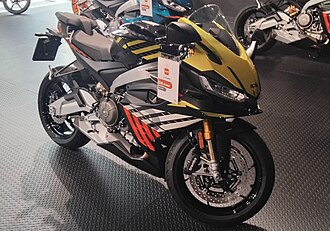
Discovering the Aprilia RS 660
The Aprilia RS 660 is one of the most interesting motorcycles to emerge from the modern middleweight sportbike segment. Combining Italian design, racing-inspired engineering, advanced electronic technology, and an impressive power-to-weight ratio, this motorcycle represents a fresh approach to what a contemporary sportbike should offer. Rather than focusing exclusively on maximum horsepower or extreme racetrack performance, Aprilia has developed a machine that aims to deliver excitement, precision, and versatility in a package that can be enjoyed on ordinary roads as well as demanding circuits. Its distinctive appearance, lightweight construction, responsive parallel-twin engine, and sophisticated rider assistance systems make it an appealing option for motorcyclists who want genuine sporting character without necessarily moving into the demanding world of large-capacity superbikes.
Manufactured by the renowned Italian motorcycle company Aprilia, the RS 660 carries a considerable amount of the brand’s racing heritage. Aprilia has established an international reputation through its involvement in motorcycle racing, particularly in the world of Grand Prix competition, where engineering innovation, chassis development, and rider-focused technology are essential. The RS 660 brings some of this philosophy into a more accessible category, offering a combination of performance and practicality that appeals to experienced riders, enthusiastic newcomers to middleweight sportbikes, and track-day enthusiasts. With its aerodynamic bodywork, modern electronics, and carefully developed chassis, the RS 660 demonstrates that an enjoyable sporting motorcycle does not need an enormous engine to deliver an exciting riding experience.
The latest generation takes this concept further with improved engine performance, revised aerodynamic elements, and an expanded electronic equipment package. Its 659 cc parallel-twin engine produces up to 105 horsepower in the unrestricted version, while its relatively low wet weight helps provide responsive acceleration and agile handling. The result is a motorcycle that feels focused and athletic without sacrificing all the comfort and convenience required for everyday use. Whether navigating winding mountain roads, commuting through urban traffic, or exploring the limits of its performance on a racetrack, the Aprilia RS 660 offers a compelling balance between sporting ambition and real-world usability.
Aprilia RS 660 Design: A Distinctive Italian Sportbike
Aggressive Styling Inspired by Racing Motorcycles
One of the first things that attracts attention to the Aprilia RS 660 is its distinctive styling. The motorcycle has an unmistakably Italian appearance, with sharp bodywork, compact proportions, carefully sculpted surfaces, and an aerodynamic silhouette that communicates speed even when the bike is stationary. Aprilia has managed to combine the aggressive appearance traditionally associated with full-size superbikes with a relatively compact design that gives the RS 660 its own identity. Every major body panel contributes to the overall impression of a machine designed around performance rather than simply visual decoration.
The front section is particularly recognizable thanks to its sophisticated LED lighting arrangement, which incorporates a distinctive daytime running light signature and integrated indicators. The triple-element headlight design gives the motorcycle a modern appearance while providing effective illumination for nighttime riding. Its compact front fairing and carefully shaped windscreen contribute to the aerodynamic character of the motorcycle, while the sculpted fuel tank provides a natural area for the rider to grip during acceleration and cornering. From the side, the flowing fairing panels create a sense of movement, and the exposed mechanical details reinforce the impression that the RS 660 is a serious sporting machine.
Aprilia has also incorporated aerodynamic winglets into the updated RS 660 design. These elements are inspired by developments in high-performance motorcycle racing and are intended to improve aerodynamic behavior and stability, particularly at higher speeds. Although their presence may initially appear to be primarily a styling decision, their purpose is connected to the motorcycle’s overall aerodynamic performance. The winglets work as part of a broader fairing design that manages airflow around the motorcycle and rider, helping create a more controlled riding experience.
Compact Proportions and Functional Ergonomics
The RS 660 has been designed to look like a traditional sportbike, but its proportions are more compact and approachable than those of many larger superbikes. The riding position is sporty, with relatively low clip-on handlebars, rear-set footpegs, and a fuel tank shaped to support the rider during aggressive riding. Nevertheless, Aprilia has avoided creating an excessively extreme ergonomic arrangement. The result is a motorcycle that can be ridden on public roads without requiring the rider to maintain an uncomfortable racing crouch at all times.
The seat height of approximately 820 mm provides a familiar sportbike riding position, although individual riders will experience the motorcycle differently depending on their height, leg length, and riding experience. The seat and tank relationship allow the rider to move naturally when changing direction or positioning the body during cornering. This is particularly important when riding on twisting roads, where the ability to shift body weight smoothly can make a significant difference to confidence and control.
Passenger accommodation is also available, although the RS 660 remains fundamentally a sport-oriented motorcycle rather than a dedicated touring machine. The rear seat is relatively compact, and the overall layout prioritizes the rider’s sporting experience. For occasional two-person journeys, it can provide reasonable functionality, but riders planning frequent long-distance trips with a passenger may prefer a motorcycle designed specifically around touring comfort.
Engine and Performance: The Heart of the Aprilia RS 660
A 659 cc Parallel-Twin Engine
At the center of the Aprilia RS 660 is a modern 659 cc, liquid-cooled, four-stroke parallel-twin engine with four valves per cylinder and double overhead camshafts. This engine is one of the defining characteristics of the motorcycle because it delivers a useful combination of performance, compact dimensions, and manageable power delivery. Instead of relying on a large-displacement engine to generate impressive acceleration, Aprilia has developed a powerplant that emphasizes responsiveness and an engaging relationship between throttle input and engine performance.
The engine uses a forward-facing parallel-twin configuration and Ride-by-Wire electronic throttle management. Its 81 mm bore and 63.93 mm stroke contribute to its sporty character, allowing it to deliver strong performance at higher engine speeds while remaining flexible enough for everyday riding. The relatively compact engine layout also helps engineers optimize the motorcycle’s overall packaging, contributing to the narrow profile and weight distribution that are important for agile handling.
In the unrestricted version of the updated RS 660, maximum output reaches approximately 105 horsepower, equivalent to 77.2 kW, at 10,400 rpm. Peak torque is approximately 70 Nm at 8,400 rpm. These figures place the RS 660 in an attractive position within the middleweight sportbike category, offering sufficient power for enthusiastic road riding and regular track-day use without entering the extremely demanding performance territory of larger superbikes.
One of the advantages of this engine configuration is its ability to provide an engaging riding experience across different speeds. In urban environments, the engine can be used without constantly approaching its maximum operating range, while on open roads it rewards riders who enjoy exploring the upper portion of the rev range. Its character makes the RS 660 suitable for motorcyclists who appreciate an engine that feels lively and responsive rather than simply delivering overwhelming torque at low engine speeds.
Power Delivery and Acceleration
The RS 660’s engine is designed to provide a progressive and exciting power delivery. Its 105-horsepower output may appear modest when compared with modern superbikes producing well over 180 horsepower, but the motorcycle’s relatively low weight makes its performance highly competitive in practical riding conditions. Acceleration depends on several factors, including rider weight, road surface, weather, tire condition, and riding technique, but the RS 660 offers more than enough performance for spirited riding on public roads.
Ride-by-Wire technology allows the electronic control system to manage throttle response with considerable precision. Rather than relying entirely on a direct mechanical connection between the throttle grip and the engine, the system interprets the rider’s input and controls the throttle electronically. This makes it possible to adjust engine behavior through different riding modes and electronic settings, creating a motorcycle that can feel more relaxed in certain situations and more responsive when stronger acceleration is desired.
The six-speed gearbox provides the rider with a conventional sporting transmission layout, while the slipper clutch helps reduce the possibility of rear-wheel instability during aggressive downshifts. This is especially useful when approaching corners at speed, where rapid gear changes and engine braking can otherwise disturb the balance of the motorcycle. The clutch system contributes to smoother operation and helps make the motorcycle more manageable during demanding riding conditions.
Fuel Efficiency and Everyday Usability
Although the RS 660 is primarily designed around sporting performance, its relatively moderate engine displacement makes it more practical for everyday use than many larger superbikes. Fuel consumption naturally depends on riding style, traffic conditions, engine speed, and maintenance, so actual results can vary significantly between riders. Smooth throttle operation and sensible cruising speeds can help reduce fuel consumption, while frequent high-speed acceleration and aggressive riding will increase it.
The motorcycle features a fuel tank with a capacity of approximately 15 litres. This provides a reasonable amount of fuel for normal recreational riding and commuting, although riders planning longer journeys should consider their expected consumption and the availability of fuel stops along the route. The RS 660 is not intended to compete with dedicated touring motorcycles in terms of range or luggage capacity, but its overall efficiency and manageable dimensions make it a practical option for riders who want a sporting motorcycle that can also be used regularly.
Chassis, Suspension, and Handling
Aluminum Frame and Sporting Stability
A major part of the RS 660’s character comes from its lightweight aluminum twin-spar frame. Aprilia has considerable experience in developing motorcycle chassis for competitive racing, and this engineering knowledge is reflected in the design of the RS 660. The frame is intended to provide a balance between rigidity, stability, and feedback, allowing the motorcycle to respond accurately to rider input without feeling unnecessarily heavy or difficult to control.
The compact chassis contributes to the motorcycle’s agile behavior, particularly when changing direction on winding roads. A well-designed frame is essential for maintaining predictable handling because it influences how the motorcycle responds to acceleration, braking, and cornering forces. On the RS 660, the combination of frame geometry, suspension components, and relatively low weight creates a sporting platform that encourages confident riding.
Another advantage of the aluminum frame is its ability to provide a strong structural foundation without adding unnecessary mass. Weight distribution and chassis balance are particularly important in the middleweight category, where manufacturers aim to create motorcycles that feel responsive without sacrificing stability at higher speeds. Aprilia’s approach gives the RS 660 a distinctive combination of agility and confidence.
Front and Rear Suspension
The standard Aprilia RS 660 uses a 41 mm Kayaba upside-down front fork with adjustable rebound damping and spring preload. The front suspension provides approximately 120 mm of travel, allowing it to manage road imperfections while maintaining the controlled response expected from a sport-oriented motorcycle. The upside-down configuration contributes to the structural characteristics of the front suspension assembly and is widely used in modern performance motorcycles.
At the rear, the RS 660 uses a Kayaba monoshock with adjustable rebound damping and spring preload. Rear wheel travel is approximately 130 mm. This setup is intended to provide sufficient control during acceleration and cornering while maintaining reasonable comfort on ordinary roads. The ability to adjust suspension settings allows owners to adapt the motorcycle to their weight, riding preferences, and intended use.
Suspension adjustment can make a meaningful difference to the riding experience. A setup optimized for smooth racetrack surfaces may not be ideal for uneven public roads, while a softer configuration intended for comfort may not provide the same level of support during aggressive riding. Riders who understand suspension adjustment can use these settings to improve stability, tire contact, and overall confidence.
The RS 660 Factory takes the suspension package further by incorporating premium fully adjustable Öhlins components. This version is aimed at riders who place greater emphasis on suspension performance and want more extensive adjustment possibilities for different road and track conditions.
Braking Performance and Control
Braking performance is another important element of the Aprilia RS 660’s sporting equipment. The front braking system uses two 320 mm floating discs combined with Brembo radial calipers, providing strong braking capability and precise control. At the rear, a 220 mm disc with a Brembo caliper assists with speed management and low-speed control.
The radial front calipers are particularly relevant for a sport-oriented motorcycle because they contribute to the rigidity and consistency of the braking system under demanding conditions. Good brakes are not simply about producing maximum stopping force; they must also provide predictable feedback and allow the rider to modulate braking pressure accurately. This becomes especially important when approaching corners or riding on roads where grip conditions may change.
The RS 660 also benefits from an advanced Cornering ABS system. Unlike conventional ABS systems that primarily respond to wheel-speed information, cornering-oriented systems use additional information about the motorcycle’s dynamics to manage braking intervention more intelligently. The system helps maintain stability when braking while leaned over, although it cannot overcome the physical limits of tire grip or eliminate the need for correct braking technique.
Electronics and Rider Assistance: Advanced APRC Technology
Aprilia Performance Ride Control
One of the most impressive features of the Aprilia RS 660 is its APRC electronic control package. Aprilia Performance Ride Control brings together several systems designed to improve the relationship between the rider, engine, and chassis. These technologies are particularly valuable because they allow the motorcycle to adapt to different riding conditions while preserving its sporting personality.
The system uses a six-axis inertial measurement unit that monitors the motorcycle’s movements and orientation. Information from the IMU helps the electronic control systems understand whether the motorcycle is accelerating, braking, leaning, or experiencing other dynamic movements. This information allows the motorcycle’s electronic systems to make more informed adjustments than would be possible with basic sensors alone.
The APRC package includes traction control, wheelie control, engine mapping, engine braking management, cruise control, launch control, and an electronic quickshifter. Together, these features give the RS 660 a sophisticated electronic foundation that is unusual in many motorcycles of this displacement category.
Traction Control and Wheelie Control
Aprilia Traction Control helps manage rear-wheel slip during acceleration. When the system detects conditions that suggest the rear tire may be losing traction, it can adjust engine output to help restore stability. Riders can select different intervention levels depending on their experience, preferences, and road conditions.
Aprilia Wheelie Control is designed to manage front-wheel lift during acceleration. On a powerful sportbike, rapid acceleration can cause the front wheel to become light or rise from the road. The electronic system monitors the motorcycle’s movement and can intervene when necessary to help maintain the intended level of control.
These systems should be considered assistance technologies rather than replacements for responsible riding. Tire condition, road surface, weather, and rider input remain fundamental factors in motorcycle safety. Nevertheless, properly configured electronic controls can help make the RS 660 more predictable in a wider range of conditions.
Engine Maps, Engine Braking, and Launch Control
The engine mapping system allows riders to select different engine characteristics according to their preferences and the conditions in which they are riding. Different settings can influence throttle response and the way available engine power is delivered.
Engine braking management provides another level of customization. When the rider closes the throttle, the engine produces a braking effect that influences the motorcycle’s behavior during deceleration. Managing this effect can help maintain a more predictable response when approaching corners or changing speed.
The Aprilia Launch Control system is designed to assist with controlled starts from a standstill. This feature is particularly relevant to track-oriented riding, where consistent acceleration from the starting line can make a difference. Its availability further demonstrates how Aprilia has incorporated technology derived from racing motorcycles into a road-legal middleweight sportbike.
Quickshifter and Cruise Control
The Aprilia Quick Shift system allows clutchless gear changes, both up and down, under appropriate riding conditions. This technology reduces the need to operate the clutch during gear changes and helps maintain acceleration when shifting upward. Downshifts are also assisted, making the transmission more convenient during spirited riding and track sessions.
Cruise control adds a practical dimension to the electronic equipment package. It allows the rider to maintain a selected speed without continuously holding the throttle open. This can be particularly useful during longer journeys on suitable roads, where reducing unnecessary throttle input can make the riding experience more comfortable.
Riding Modes and TFT Dashboard
The RS 660 features a modern five-inch TFT color instrument display. The screen presents important information such as speed, engine revolutions, selected gear, riding mode, and other motorcycle functions. Its modern layout gives the cockpit a premium appearance while helping the rider monitor the motorcycle’s operating conditions.
Five riding modes allow the motorcycle’s behavior to be adapted to different situations. Depending on the selected configuration, the electronic systems can provide a more relaxed response for ordinary road riding or a more performance-focused setup for enthusiastic riding. The ability to configure rider assistance systems is an important advantage for motorcyclists who want to tailor the machine to their experience and preferences.
Aprilia RS 660 on the Road: Everyday Riding Experience
Urban Riding and Commuting
Although the RS 660 has the appearance and equipment of a serious sportbike, it can also be used for everyday transportation. Its compact dimensions and manageable weight make it easier to maneuver than many larger motorcycles, especially when navigating through traffic or performing low-speed maneuvers. The engine provides enough flexibility for ordinary road conditions, while the electronic throttle management helps create a controlled response.
The sporty riding position does require some adaptation, particularly for riders who are accustomed to upright naked motorcycles or touring machines. However, the ergonomics are not as extreme as those found on certain track-focused superbikes. For shorter commutes and regular trips through town, many riders should find the RS 660 reasonably manageable.
The main limitations in urban environments are typical of sporting motorcycles. Heat from the engine can become noticeable in slow traffic, the steering geometry prioritizes sporting behavior rather than extremely tight maneuverability, and the riding position may become tiring during prolonged periods of stop-and-go riding. These are important considerations for anyone planning to use the RS 660 as their only motorcycle.
Open Roads and Mountain Passes
The Aprilia RS 660 is particularly enjoyable on winding roads, where its lightweight construction and responsive chassis can be fully appreciated. Its parallel-twin engine provides a rewarding combination of acceleration and manageable power, while the chassis allows the rider to change direction with relatively little effort.
On mountain roads, predictable handling is often more valuable than enormous engine output. A motorcycle that responds accurately to steering inputs and provides clear feedback can help the rider maintain a smooth and consistent rhythm. The RS 660 is designed around this principle, combining its aluminum frame, suspension package, and electronic rider assistance systems to create an engaging road motorcycle.
The riding experience is further enhanced by the engine’s character. Rather than requiring the rider to constantly manage an extremely powerful engine, the RS 660 allows more attention to be focused on corner entry, body positioning, acceleration, and road conditions. This balance is one of the main reasons the motorcycle has attracted attention from enthusiasts who want an entertaining sportbike without necessarily needing superbike-level performance.
Highway Riding and Longer Journeys
Highway riding is possible on the RS 660, and its fairing provides a degree of wind protection compared with naked motorcycles. The windscreen and aerodynamic bodywork help direct airflow around the rider, although the amount of protection depends on rider height, seating position, and speed.
The riding position becomes more noticeable during longer journeys. Sport-oriented ergonomics can place additional pressure on the wrists, shoulders, and lower back, particularly when maintaining the same position for extended periods. Cruise control can make highway riding more convenient, but the RS 660 is still primarily a sporting motorcycle rather than a dedicated long-distance touring machine.
Luggage capacity is another consideration. The motorcycle does not offer the integrated storage solutions associated with touring motorcycles, so riders planning extended trips may need to investigate compatible luggage accessories and mounting systems. With appropriate preparation, the RS 660 can certainly be used for recreational journeys, but its strongest qualities remain its handling, performance, and sporty character.
Aprilia RS 660 Factory: A More Exclusive Sporting Experience
The RS 660 Factory is designed for riders who want a more premium version of the standard motorcycle. While the basic mechanical concept remains the same, the Factory version introduces higher-specification components intended to improve suspension performance and expand the motorcycle’s adjustment possibilities.
The most important difference is the use of fully adjustable Öhlins suspension. Compared with the standard Kayaba setup, these premium components provide additional adjustment options that can be particularly useful for experienced riders and track-day enthusiasts. Suspension settings can be modified more extensively to suit rider weight, riding style, and track characteristics.
The Factory version also receives exclusive styling details that distinguish it from the standard RS 660. These changes reinforce its premium positioning and appeal to riders who want a more specialized motorcycle without moving into a completely different performance category.
Importantly, the Factory model should not be viewed as an entirely different motorcycle. It retains the same fundamental 659 cc parallel-twin engine concept and general chassis architecture. Its main appeal lies in the upgraded suspension equipment and exclusive presentation. For riders who regularly visit racetracks or enjoy fine-tuning their motorcycle’s setup, these improvements may justify the additional purchase cost. For riders who primarily use their motorcycle on public roads, the standard RS 660 may already provide everything they need.
Aprilia RS 660 Compared with Other Middleweight Sportbikes
The middleweight sportbike market is highly competitive, with manufacturers offering different approaches to performance, affordability, technology, and everyday practicality. The Aprilia RS 660 competes in a category that includes motorcycles such as the Yamaha R7, Honda CBR650R, Kawasaki Ninja ZX-6R, and other machines that appeal to riders seeking sporty performance without necessarily purchasing a flagship superbike.
One of the RS 660’s main advantages is its combination of lightweight construction and sophisticated electronics. The 105-horsepower engine provides competitive performance, while the six-axis IMU and APRC package offer an impressive selection of electronic assistance systems. These technologies make the motorcycle particularly attractive to riders who value modern rider aids alongside traditional mechanical performance.
The Yamaha R7, for example, emphasizes a relatively simple and accessible twin-cylinder sporting experience. The Honda CBR650R takes a different approach with its four-cylinder engine, which offers a distinct sound and power-delivery character. The Kawasaki Ninja ZX-6R is more strongly associated with high-revving supersport performance and a more track-focused personality.
The RS 660 occupies an interesting position between these approaches. It combines a relatively accessible parallel-twin engine with premium electronic equipment and a chassis designed to provide engaging handling. Rather than attempting to dominate every performance category, it focuses on delivering a balanced sporting package.
Ultimately, choosing between these motorcycles depends on individual priorities. Riders who prefer a distinctive Italian design, sophisticated electronics, and a lightweight chassis may find the Aprilia particularly attractive. Those who prioritize engine configuration, purchase price, brand preference, or a more specialized track experience may prefer one of its competitors.
Maintenance, Reliability, and Ownership Costs
Buying a sportbike involves more than considering engine power and appearance. Maintenance requirements, reliability, parts availability, insurance, and running costs are all important factors that influence long-term ownership satisfaction.
The Aprilia RS 660 is a sophisticated motorcycle with electronic systems, modern engine management, and specialized mechanical components. Like any performance motorcycle, it benefits from regular maintenance and careful attention to the manufacturer’s service recommendations. Engine oil, filters, coolant, brake fluid, tires, chain condition, and brake components should all be inspected and maintained according to the specified intervals.
The parallel-twin engine is a relatively compact and modern design, but its performance-oriented nature means that owners should not neglect routine servicing. Correct oil specification, proper engine warm-up, and adherence to recommended maintenance schedules are essential for preserving long-term performance.
Electronic equipment also makes professional diagnostic support valuable. When warning lights appear or electronic systems behave unexpectedly, a qualified Aprilia service center can use appropriate diagnostic equipment to identify the cause. This is particularly important for motorcycles equipped with advanced ABS, traction control, and inertial measurement systems.
Ownership costs can vary depending on the country, local labor rates, insurance requirements, annual mileage, and availability of genuine replacement parts. Tires and brake components may require more frequent replacement for riders who regularly use the motorcycle aggressively or participate in track days. Prospective buyers should also investigate local dealer support and parts availability before purchasing.
For used motorcycles, service history deserves particular attention. A complete maintenance record, evidence of professional servicing, and a careful inspection of the chassis, engine, suspension, and electronics can help identify potential problems. Buyers should also verify whether the motorcycle has been involved in accidents or has undergone modifications that could affect reliability or road legality.
Is the Aprilia RS 660 Suitable for Beginners?
The RS 660 can appeal to relatively inexperienced riders, but its 105-horsepower output means that it should not automatically be considered a beginner motorcycle. Although it is more manageable than many high-performance superbikes, it still offers substantial acceleration and requires good throttle control, braking technique, and an understanding of motorcycle dynamics.
Its electronic rider assistance systems can help make the riding experience more controlled, and the relatively compact chassis can provide confidence when maneuvering at moderate speeds. However, electronics do not eliminate the risks associated with excessive speed or poor riding decisions.
For riders in markets where restricted-power motorcycle versions are available, an A2-compliant 35 kW version may provide another option, subject to local licensing rules and applicable homologation requirements. This can make the RS 660 platform accessible to a wider range of riders, although the restrictions and eligibility requirements should always be checked against the relevant local regulations.
For a completely new motorcyclist, a lower-powered motorcycle may still be a more appropriate starting point. Developing fundamental skills on a manageable machine can make the transition to a performance-oriented sportbike safer and more enjoyable.
Experienced riders moving up from smaller motorcycles, on the other hand, may appreciate the RS 660’s combination of manageable dimensions, responsive performance, and modern electronic equipment.
Advantages and Disadvantages of the Aprilia RS 660
Main Advantages
The Aprilia RS 660 offers several important strengths that help explain its popularity in the middleweight sportbike category. Its 659 cc parallel-twin engine delivers an appealing combination of performance and usability, while the relatively low wet weight contributes to agile handling and responsive acceleration.
Its sophisticated APRC electronics package is another major advantage. Features such as traction control, wheelie control, Cornering ABS, engine mapping, engine braking management, cruise control, launch control, and the quickshifter give the motorcycle a comprehensive technological foundation.
The distinctive Italian styling also makes the RS 660 stand out. Its sharp bodywork, aerodynamic winglets, LED lighting, and compact proportions create an appearance that is both modern and closely connected to Aprilia’s racing identity.
Other advantages include the aluminum frame, Brembo braking components, adjustable suspension, and the availability of the more premium Factory version. Together, these features make the RS 660 an attractive choice for riders who want a modern motorcycle with genuine sporting credentials.
Potential Disadvantages
Despite its many strengths, the Aprilia RS 660 is not perfect for every rider. Its sporty ergonomics may become tiring during long journeys, particularly for riders who prefer upright seating positions. The compact passenger accommodation and limited luggage options also make it less suitable for frequent touring.
The purchase price and maintenance costs may be higher than those of some simpler competitors, depending on the market and availability of servicing. Its extensive electronic equipment is a major advantage, but it also means that specialist diagnostic support can be important when technical problems arise.
Another consideration is that the standard RS 660’s suspension, although adjustable, does not offer the same premium specification as the Öhlins equipment on the Factory version. Riders who frequently participate in track days may prefer the additional adjustment capabilities of the more expensive model.
Finally, the motorcycle’s sporting character means that it requires responsible riding and a certain level of experience. Its relatively approachable size should not be confused with a lack of performance.
Why the Aprilia RS 660 Remains an Attractive Sportbike
The Aprilia RS 660 demonstrates that modern sportbike development is not exclusively about increasing engine displacement or chasing the highest possible horsepower figures. Its appeal comes from the way different engineering elements work together to create a complete motorcycle. The engine provides an engaging performance character, the aluminum chassis supports agile handling, the suspension offers sporting control, and the electronic package helps adapt the motorcycle to different riding situations.
This balance is especially important in a motorcycle category where riders increasingly expect versatility. Many enthusiasts want a machine that can deliver excitement on weekends but can also be used for regular transportation during the week. The RS 660 addresses this demand by combining genuine sporting equipment with dimensions and performance characteristics that are more manageable than those of large-capacity superbikes.
The Factory version further expands the model’s appeal by providing premium Öhlins suspension for riders who want additional setup flexibility. This allows the RS 660 family to serve different types of enthusiasts without abandoning its central design philosophy.
Another important part of the motorcycle’s appeal is its identity. Aprilia has created a machine that feels distinctly different from many competitors, combining Italian styling and racing-inspired engineering with a relatively accessible middleweight platform. For riders who appreciate character as much as outright performance, this combination can be particularly attractive.
Conclusion: Is the Aprilia RS 660 Worth Buying?
The Aprilia RS 660 is an excellent example of how a modern middleweight sportbike can combine performance, technology, design, and everyday usability. Its 659 cc parallel-twin engine, producing up to 105 horsepower in the unrestricted version, provides an exciting foundation for road and track riding. The aluminum frame, adjustable suspension, Brembo brakes, aerodynamic bodywork, and advanced APRC electronic package complete a motorcycle that offers much more than an attractive exterior.
Its greatest strength is arguably its overall balance. It is powerful enough to provide a genuinely exciting riding experience, yet its relatively low weight and compact dimensions help make it more approachable than many larger sportbikes. It is equally capable of delivering enjoyable weekend rides, challenging mountain-road journeys, and occasional track-day experiences.
The RS 660 Factory is an especially interesting alternative for enthusiasts who want premium suspension equipment and greater adjustment possibilities. Meanwhile, the standard RS 660 remains an appealing option for riders who want much of the same fundamental performance and technology at a lower price.
Of course, the RS 660 is not the ideal motorcycle for everyone. Riders seeking maximum touring comfort, extensive luggage capacity, or an upright riding position may find more suitable alternatives elsewhere. Beginners should also carefully consider their experience and licensing requirements before choosing a motorcycle with this level of performance.
For those who want an Italian sportbike that combines racing-inspired engineering with practical middleweight versatility, however, the Aprilia RS 660 deserves serious consideration. It proves that an exciting motorcycle does not need to be the biggest or most powerful machine on the road. Sometimes, the best riding experience comes from the perfect combination of power, weight, technology, and handling.
Aprilia RS 660 Technical Specifications
The following table summarizes the main technical specifications of the unrestricted Aprilia RS 660, based on the updated 105-horsepower generation. Specifications may vary according to model year, market, homologation, and equipment version.
| Technical Specification | Aprilia RS 660 |
|---|---|
| Motorcycle category | Middleweight sportbike |
| Manufacturer | Aprilia |
| Engine type | Four-stroke, parallel-twin |
| Cooling system | Liquid-cooled |
| Valve configuration | DOHC, 4 valves per cylinder |
| Engine displacement | 659 cc |
| Bore x stroke | 81 x 63.93 mm |
| Maximum power | 105 hp (77.2 kW) at 10,400 rpm |
| Maximum torque | 70 Nm at 8,400 rpm |
| Fuel system | Electronic injection, Ride-by-Wire |
| Emissions standard | Euro 5+ |
| Transmission | 6-speed manual |
| Clutch | Wet multi-plate slipper clutch |
| Frame | Aluminum twin-spar frame |
| Front suspension | 41 mm Kayaba upside-down fork |
| Front suspension adjustment | Rebound and preload |
| Front suspension travel | 120 mm |
| Rear suspension | Kayaba adjustable monoshock |
| Rear suspension travel | 130 mm |
| Front brakes | Dual 320 mm floating discs |
| Front brake calipers | Brembo radial calipers |
| Rear brake | 220 mm disc |
| Rear brake caliper | Brembo |
| ABS | Multimap Cornering ABS |
| Electronic rider assistance | APRC package with six-axis IMU |
| Traction control | Aprilia Traction Control |
| Wheelie control | Aprilia Wheelie Control |
| Engine management | Engine maps and engine braking control |
| Launch control | Aprilia Launch Control |
| Quickshifter | Aprilia Quick Shift, up and down |
| Cruise control | Yes |
| Riding modes | 5 |
| Instrument display | 5-inch color TFT |
| Lighting | Full LED |
| Front wheel | 17-inch |
| Rear wheel | 17-inch |
| Seat height | 820 mm |
| Fuel tank capacity | 15 litres |
| Wet weight | 183 kg |
| Factory version | Available with fully adjustable Öhlins suspension |
Note: The figures above refer to the unrestricted standard RS 660 specification. The RS 660 Factory has upgraded Öhlins suspension, while the 35 kW restricted version has different power and torque figures. Always check the official specification for the particular model year and market.
