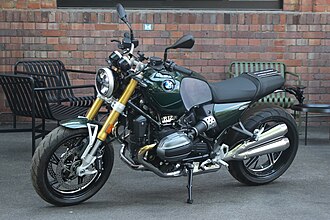
The Reimagined BMW R12 for 2024
The BMW R12 (2024) represents a bold new chapter in BMW Motorrad’s ongoing fusion of heritage design and cutting‑edge engineering. Inspired by the legendary motorcycles of the past that balanced performance with innovation, the R12’s 2024 reinterpretation channels historic spirit while offering every advantage of modern motorcycle technology. It stands as a concept that blends classic boxer engine ethos with contemporary powertrain architecture, adaptive electronics, premium materials, and a focus on rider experience that is both exhilarating and refined.
BMW’s decision to revive the R12 name for 2024 underscores an intention to create a flagship roadster that appeals to riders who desire performance without sacrificing comfort, technology without complexity, and character without compromise. In a world where electric motorcycles are gaining ground and sport‑touring bikes are becoming increasingly sophisticated, the R12 straddles categories: a machine that can perform spiritedly on winding back roads, handle commuting duties with confidence, and satisfy touring aspirations thanks to its ergonomic design and endurance focus.
Heritage and Modern Revival
To understand the 2024 R12’s place in BMW Motorrad’s lineup, it helps to appreciate its symbolic significance. Historically, the original BMW R12 from the 1930s introduced innovations such as telescopic forks and robust boxer engine design, setting engineering standards that influenced motorcycle development for decades. In reimagining the R12 for a contemporary audience, the 2024 model retains that emphasis on mechanical clarity, reliability, and mechanical character while updating every aspect of the motorcycle for current demands.
Rather than simply recreating the old with new materials, the R12 2024 is a reinterpretation—a model that honors its namesake’s ethos of innovation by introducing a new paradigm in boxer motorcycle design. It embodies a vision where traditional engine architecture meets modern ride‑by‑wire systems, adaptive suspension, intelligent connectivity, and rider‑centric ergonomics. It stands as a statement that BMW Motorrad’s future and past can coexist in a single machine.
Engine Architecture: A Modern Boxer for a New Era
At the heart of the BMW R12 (2024) is its signature engine—a modern, air‑oil‑cooled boxer twin, engineered to extract character, efficiency, and smoothness in equal measure. Departing from the pure air‑cooled boxer units of lore, the 2024 engine incorporates targeted oil cooling and precision fuel injection systems to meet modern emissions standards and power expectations while retaining the distinct horizontal twin configuration that defines BMW’s boxer lineage.
The engine’s displacement sits at 1170 cc, chosen to balance low‑end torque with high‑rpm stability. The opposed cylinder layout naturally minimizes vibration and centralizes mass, contributing to agile handling and rider comfort. The cylinder heads are equipped with four valves per cylinder and variable valve timing, a sophisticated feature that enhances torque delivery across the rev range. Peak power is developed smoothly, with a broad torque curve that allows riders to make confident overtakes without resorting to aggressive gear changes.
The fuel injection system utilizes a ride‑by‑wire throttle, allowing the engine control unit (ECU) to modulate power delivery according to selected ride modes. The end result is a boxer engine that feels characteristically BMW—linear, muscular, and responsive—yet thoroughly modern in its ability to adapt to varied riding conditions.
Exhaust and Emissions: Sound Meets Compliance
BMW’s engineering team paid considerable attention to the R12’s exhaust system, creating a design that balances acoustic presence with modern emissions compliance. The stainless steel exhaust paths merge into a dual‑outlet muffler configuration that is tuned to deliver a rich, resonant tone at cruising speeds and a fuller, more assertive voice when the rider opens the throttle. Acoustic engineers employed computational analysis and physical testing to ensure the exhaust note is authoritative without becoming intrusive—an element that reinforces the R12’s persona as a premium roadster.
To meet Euro 5+ and global emissions standards, the exhaust system incorporates multiple catalytic converters with advanced oxygen sensor feedback loops. This ensures that fuel combustion remains clean and efficient, reducing hydrocarbons and nitrogen oxides while preserving engine performance.
Transmission and Final Drive: Precision and Smooth Control
Power from the boxer engine is transmitted through a 6‑speed constant mesh gearbox with close‑ratio stages designed for both spirited riding and relaxed cruising. The gearbox’s gear ratios are optimized to make full use of the engine’s torque curve, allowing strong acceleration from low speeds and relaxed engine speeds at highway velocities.
The R12 (2024) retains the signature shaft drive system that has long been a hallmark of BMW Motorrad engineering. Enclosed and maintenance‑free, the shaft drive delivers torque to the rear wheel with minimal backlash or jerkiness. Its design ensures long life and reduces the need for frequent adjustment, a key advantage over chain‑driven systems in many modern motorcycles.
An optional quickshifter adds seamless up‑ and down‑changes without clutch engagement, ideal for riders who want a sportier feel without sacrificing everyday comfort.
Frame and Chassis: Rigidity Meets Agility
The BMW R12 (2024) uses a hybrid frame design that combines a lightweight tubular steel backbone with precision‑cast aluminum subframes. This structure prioritizes torsional rigidity while keeping overall weight competitive within its class. The boxer engine is designed as a stressed member, contributing to structural stiffness and reducing the need for additional frame components—an approach that reduces weight and improves handling feedback.
The bike’s mass centralization philosophy results in a low center of gravity, further enhancing agility and stability. While substantial enough to feel planted at speed, the R12 (2024) remains nimble in tighter corners and responsive in urban environments.
Suspension: Adaptive Comfort and Control
One of the R12 (2024)’s standout features is its fully electronically adaptive suspension system. The Front Adaptive Fork and Rear Monoshock system continuously adjust damping rates and preload in response to riding conditions, rider input, and road surface information. Sensors monitor pitch, acceleration, wheel movement, and rider weight distribution, allowing the suspension ECU to make sub‑millisecond adjustments.
This system allows the motorcycle to be both compliant over rough surfaces and composed during aggressive cornering. In Comfort mode, compliance takes precedence for relaxed cruising, while Sport mode tightens damping for sharper feedback and reduced body roll. Custom mode lets riders fine‑tune settings to their preference, adjusting rebound, compression, and preload independently.
Brakes and Wheels: Balance and Confidence
Braking performance on the BMW R12 (2024) is entrusted to dual 320 mm floating disc brakes up front, clamped by radial‑mount 4‑piston brake calipers, and a single 275 mm disc at the rear. The combined braking system (CBS) distributes brake force intelligently to the front and rear wheels, offering strong stopping power with minimal lever effort.
An advanced Anti‑Lock Braking System (ABS) with cornering function further enhances safety by permitting controlled braking even when the bike is leaned over. Brake control interventions are subtle and calibrated to preserve rider confidence without over‑intervention.
The R12 rides on 17‑inch cast aluminum wheels wrapped in high‑performance radial tires that balance grip, comfort, and long tread life. The tire profiles support quick turn‑in response and stable feedback when touring or carving through twisty roads.
Electronics and Rider Aids: Intelligent Integration
The BMW R12 (2024) comes equipped with a suite of modern rider aids that enhance safety without detracting from rider engagement. The Integrated Ride Experience includes selectable ride modes such as Rain, Road, Sport, and Dynamic, each altering throttle response, ABS sensitivity, traction control level, and adaptive suspension behavior.
A six‑axis Inertial Measurement Unit (IMU) feeds real‑time data into multiple control systems, enabling advanced features such as Dynamic Traction Control (DTC), Wheelie Control, and Brake Slide Assist. These systems work in harmony to optimize traction and stability, especially under rapid acceleration or sudden changes in surface grip.
The bike also includes Hill Start Control, which holds the brake momentarily while the rider transitions from a stop on an incline—one of those small conveniences that adds up over everyday use.
Ergonomics and Rider Comfort
The R12’s ergonomics reflect BMW Motorrad’s focus on rider comfort during long journeys. The seat height is designed to offer confidence‑inspiring ground reach while accommodating riders of various sizes. The seat itself uses multi‑density foam and ergonomic shaping to reduce fatigue on extended rides.
Handlebar positioning offers a natural reach that favors upright riding without feeling detached from the motorcycle’s dynamics. Footpeg placement balances control with comfort, avoiding cramped positions common in pure sport bikes.
The instrument cluster combines a full‑color TFT display with intuitive layout, delivering speed, RPM, gear indicator, fuel level, trip information, selected ride mode, and navigation prompts. Smartphone connectivity is provided via Bluetooth, enabling calls, music control, and turn‑by‑turn navigation visible on the display.
Lighting and Visibility
Lighting on the R12 (2024) uses full LED technology, with adaptive cornering lights that respond to steering angle and lean. Daytime Running Lights (DRL) ensure high visibility in traffic, while the adaptive system improves illumination through winding roads at night.
The rear LED cluster incorporates brake light fading and automatic activation under hard deceleration, improving awareness for following vehicles. Turn signals are integrated into aerodynamic housings to minimize drag while maintaining clear visibility.
Passive Safety and Protection
BMW Motorrad has incorporated a range of passive safety features into the R12’s design. The frame structure is engineered to absorb and redistribute impact forces, while the seat and bodywork are shaped to deflect debris away from the rider. Strategic padding on handlebars and footpegs reduces the risk of injury in the event of a low‑speed tip‑over.
The bike’s advanced ABS, traction control, and dynamic braking systems contribute to overall protective measures by preventing loss of control in emergency situations.
Touring and Practicality
Despite its sporty character, the BMW R12 (2024) offers practical touring capabilities. Optional accessories include removable soft panniers or hard luggage mounts, a touring windscreen that reduces fatigue on long highway runs, and heated grips for cold‑weather comfort.
Fuel range is competitive thanks to a 20‑liter fuel tank. Combined with efficient engine calibration and adaptive cruise control, the R12 makes a solid case as a sport‑touring roadster capable of multi‑day journeys.
Aesthetics and Design Language
BMW Motorrad designers gave the R12 a muscular yet refined silhouette. Classic cues like a pronounced boxer engine stance, horizontally split fairing elements, and a sculpted fuel tank evoke heritage, while sharp LED accents and minimalist body panels give it a modern edge.
Color options range from classic monochromes to metallic accents with contrast stitching on seats and tank pads that reinforce its premium character. Alloy finishes and anodized hardware further elevate the motorcycle’s presence.
Maintenance and Ownership Experience
Owners of the R12 can expect routine maintenance intervals similar to other premium BMW models. Extended service intervals for oil changes, valve inspections, and drivetrain checks reduce long‑term ownership costs. The shaft drive eliminates chain maintenance, and the adaptive suspension is designed for durability with sealed components resistant to dirt and moisture.
Connectivity features also include over‑the‑air updates for the ECU and infotainment system, reducing workshop visits for software improvements.
Market Position and Competitors
The BMW R12 (2024) competes in the premium roadster and sport‑touring category, challenging models from other European manufacturers that blend performance and comfort. Its engine configuration, adaptive electronics, and shaft‑drive system differentiate it from many rivals, while its technological suite and ergonomic polish place it comfortably among flagship models.
Technical Parameters of the BMW R12 (2024)
| Parameter | Specification |
|---|---|
| Model | BMW R12 (2024) |
| Engine Type | 1170 cc air‑oil‑cooled boxer twin, DOHC |
| Displacement | 1170 cc |
| Bore x Stroke | 102 mm x 88 mm |
| Compression Ratio | 12.0:1 |
| Max Power | 115 hp @ 8,500 rpm |
| Peak Torque | 115 Nm @ 6,250 rpm |
| Transmission | 6‑speed manual with quickshifter |
| Final Drive | Shaft drive |
| Frame | Tubular steel backbone with aluminum subframe |
| Front Suspension | Electronically adaptive fork |
| Rear Suspension | Electronically adaptive monoshock |
| Front Brakes | Dual 320 mm discs, radial 4‑piston calipers |
| Rear Brake | Single 275 mm disc |
| ABS | Cornering ABS |
| Wheel Size | 17″ front and rear |
| Tire Size | 120/70 ZR17 front, 180/55 ZR17 rear |
| Seat Height | 810 mm |
| Fuel Capacity | 20 liters |
| Curb Weight | 230 kg |
| Top Speed | ~215 km/h |
| 0–100 km/h | ~3.8 s |
| Electronics | Ride modes, IMU, traction control, hill start |
| Instrumentation | 6.5″ TFT display with smartphone connectivity |
| Lighting | Full adaptive LED |
.jpg)