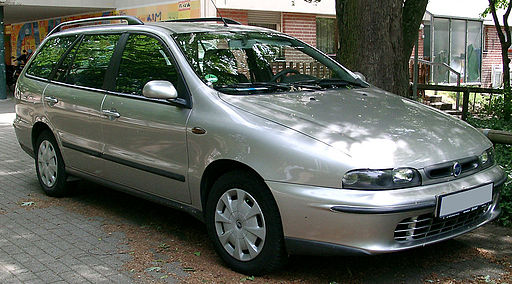
The used car market is full of forgotten models that once played important roles in their manufacturers’ lineups but have since faded into obscurity. One of the clearest examples of this phenomenon is the Fiat Marea, produced by Fiat during the late 1990s and early 2000s.
At the time of its introduction, the Marea was intended to be a competitive mid-size family car designed to replace older Fiat sedans and estates. It was offered in both sedan and station wagon (Weekend) body styles and was based on the Fiat Bravo/Brava platform. This allowed Fiat to deliver a relatively modern vehicle at a competitive price while maximizing shared engineering components.
Today, the Fiat Marea occupies a very specific niche in the used car world. It is no longer a mainstream choice, and in many countries it has become rare. However, for buyers who value affordability, simplicity, and spaciousness over brand prestige or modern technology, the Marea can still represent a surprisingly practical option.
This article explores the Fiat Marea in depth as a used car, examining its design, interior space, engines, driving characteristics, reliability, common issues, ownership costs, and overall value proposition.
The History and Development of the Fiat Marea
The Fiat Marea was launched in 1996 as part of Fiat’s effort to strengthen its position in the competitive European family car segment. It was derived from the Fiat Bravo and Brava models, sharing the same underlying platform but extending the body to create a more practical family-oriented vehicle.
Fiat’s strategy was clear: take a proven compact platform and expand it into a mid-size offering that could compete with vehicles like the Ford Mondeo, Opel Vectra, and Volkswagen Passat in entry-level trims.
The Marea was available in two main body styles: a traditional four-door sedan and the more popular Weekend estate version. The estate variant, in particular, became appreciated for its generous cargo capacity and practical design.
Production continued into the early 2000s, with the model gradually phased out as Fiat shifted focus toward newer platforms such as the Stilo and later the Bravo revival.
Although the Marea was never a segment leader, it filled an important role in Fiat’s lineup during a transitional period for the company.
Design Philosophy: Simple, Functional, and Conservative
The Fiat Marea was never designed to be a stylish or emotionally striking car. Instead, it focused on delivering practical transportation at a reasonable cost.
The exterior design reflects this philosophy clearly. The lines are straightforward, the proportions are conventional, and the overall shape prioritizes interior space rather than visual impact.
While some competitors of the era attempted to introduce more dynamic or aggressive styling, the Marea remained conservative. This has resulted in a design that now feels dated compared to modern vehicles, but also straightforward and honest in its purpose.
The estate version, known as the Marea Weekend, is particularly practical. Its extended rear section significantly increases cargo space while maintaining a relatively compact footprint.
Despite its age, the design remains functional and easy to understand, which is part of its enduring appeal on the used market.
Interior and Cabin Experience
Inside the Fiat Marea, the focus is clearly on functionality rather than luxury. The dashboard layout is simple, with clearly labeled controls and an emphasis on usability.
The materials used are typical of 1990s Fiat design: durable plastics and basic fabrics that prioritize longevity over premium feel. While the cabin does not offer modern refinement, it remains practical and easy to maintain.
Front Seating Comfort
The front seats provide adequate comfort for daily driving. They are supportive enough for moderate journeys, although they lack the advanced ergonomic design found in modern vehicles.
The driving position is relatively upright, offering good visibility of the road. This contributes to a relaxed and confidence-inspiring driving experience in urban environments.
Rear Passenger Space
Rear-seat space is acceptable for a vehicle of its class and era. Adult passengers can sit comfortably on shorter journeys, although long-distance comfort may be limited compared to newer models.
The estate version improves practicality by offering easier access and slightly more headroom.
Cargo Capacity
The Marea Weekend estate stands out significantly in terms of cargo space. Its large boot and flexible loading area make it particularly useful for families, small businesses, or individuals who regularly transport large items.
The rear seats can be folded to further expand storage capacity, making the vehicle highly adaptable for different needs.
Engine Options: A Key Strength of the Fiat Marea
One of the most important aspects of the Fiat Marea as a used car is its engine range. Fiat offered several petrol and diesel engines, many of which have proven to be durable over time.
Petrol Engines
Petrol variants include:
- 1.4 12V
- 1.6 16V
- 1.8 16V
- 2.0 20V (HGT version)
The smaller engines are simple and economical but not particularly powerful. They are best suited for urban driving and light usage.
The 1.8 16V offers a good balance between performance and efficiency.
The 2.0 20V engine, found in sportier versions, delivers significantly more performance and is appreciated by enthusiasts for its smooth power delivery and distinctive character.
Diesel Engines
Diesel versions are particularly important in the Marea lineup.
Key engines include:
- 1.9 TD (early models)
- 1.9 JTD (common rail diesel)
The 1.9 JTD is widely regarded as one of Fiat’s most important diesel engines. It introduced modern common rail technology and became known for its strong torque, fuel efficiency, and durability.
When properly maintained, this engine can achieve very high mileage, making it a key reason why some Marea models are still on the road today.
Driving Experience: Comfortable but Dated
Driving the Fiat Marea reflects the engineering standards of its time.
The suspension is tuned for comfort rather than sportiness, absorbing road imperfections reasonably well. However, body roll is noticeable during cornering, especially compared to modern vehicles.
Steering is light but lacks precision by today’s standards. In urban environments, the car feels easy to maneuver, but at higher speeds it can feel less stable than newer competitors.
On highways, the Marea is comfortable enough for long-distance travel, though noise levels are higher than in modern vehicles.
The diesel versions provide strong low-end torque, making them more relaxed to drive under load. Petrol engines, particularly the larger ones, offer smoother and more refined performance.
Overall, the driving experience is best described as simple, comfortable, and functional rather than engaging.
Fuel Economy and Running Costs
Fuel consumption varies depending on engine choice, but the Marea generally offers reasonable efficiency for its age.
Diesel engines, particularly the 1.9 JTD, are the most economical and remain attractive for high-mileage drivers.
Petrol engines consume more fuel but may be cheaper to maintain due to simpler mechanical systems.
Insurance costs are typically low due to the vehicle’s age and modest performance.
Maintenance costs remain relatively affordable, although availability of certain parts may vary depending on location.
Reliability and Common Problems
The Fiat Marea has a mixed but generally acceptable reliability record, especially considering its age.
Diesel Engine Strengths and Issues
The 1.9 JTD engine is highly regarded for durability, but common issues include:
- EGR valve clogging
- Turbo wear in high-mileage examples
- Fuel system sensitivity
Regular maintenance is essential for long-term reliability.
Electrical Problems
Like many older Fiat models, electrical issues can occur. These may include:
- Window regulator failures
- Sensor malfunctions
- Dashboard warning lights
- Central locking issues
Most of these are minor but can be inconvenient.
Suspension and Wear Items
Due to age, suspension components are likely to require attention:
- Bushings
- Shock absorbers
- Ball joints
These are normal wear items for a vehicle of this age.
Rust and Body Condition
Corrosion is one of the most significant concerns for the Fiat Marea. Common rust areas include:
- Wheel arches
- Door sills
- Underside components
- Exhaust mounting points
Careful inspection is essential before purchase.
Maintenance Costs and Ownership Experience
The Fiat Marea is generally inexpensive to run, especially when compared to modern vehicles.
Parts availability can be mixed depending on region, but many mechanical components are shared with other Fiat models, which helps reduce costs.
Independent mechanics are often familiar with Fiat’s older engines, particularly the JTD diesel units.
Fuel costs remain reasonable, especially for diesel versions.
However, due to age, unexpected repairs are more likely than in newer vehicles.
What to Check Before Buying a Fiat Marea
Service History
A documented maintenance history is highly valuable, especially for diesel engines.
Engine Condition
Check for:
- Smooth startup
- Excessive smoke
- Turbo noise
- Oil leaks
Rust Inspection
Carefully examine the underside and body panels for corrosion.
Suspension and Steering
Test for knocking noises, uneven tire wear, and loose steering feel.
Electrical Systems
Verify all functions, including lights, windows, and dashboard indicators.
Strengths and Weaknesses
Strengths
The Fiat Marea offers low purchase price, spacious estate version, reliable diesel engine options, simple mechanics, and affordable running costs.
Weaknesses
It suffers from outdated design, potential rust issues, limited parts availability in some regions, and dated driving dynamics.
Final Verdict: Is the Fiat Marea Worth Buying Today?
The Fiat Marea is not a modern car, nor does it pretend to be one. Instead, it represents a straightforward and practical approach to family transportation from a different era.
Its strongest qualities lie in its simplicity, affordability, and practicality—especially in estate form. The 1.9 JTD diesel engine remains one of its greatest assets, offering durability and efficiency even by modern standards.
However, buyers must be aware of its age-related issues, particularly rust and wear on suspension and electrical components.
For those seeking a very low-cost estate or basic family car and who are willing to accept its limitations, the Marea can still serve as a functional and economical choice.
It is a vehicle best suited to enthusiasts of older Fiats or budget-conscious drivers who prioritize practicality over modern comfort.
Fiat Marea Technical Parameters
| Parameter | Specification |
|---|---|
| Model | Fiat Marea |
| Vehicle Type | Compact / Mid-size Family Car |
| Production Years | 1996–2007 (varies by market) |
| Platform | Fiat Bravo/Brava Platform |
| Drive Layout | Front-engine, Front-wheel drive |
| Body Styles | Sedan, Station Wagon (Weekend) |
| Seating Capacity | 5 Passengers |
| Petrol Engines | 1.4 12V, 1.6 16V, 1.8 16V, 2.0 20V |
| Diesel Engines | 1.9 TD, 1.9 JTD |
| Power Output | Approx. 75–155 hp |
| Torque Range | Approx. 120–280 Nm |
| Transmission | 5-speed Manual, 4-speed Automatic (rare) |
| Length | ~4,390 mm (sedan), ~4,470 mm (estate) |
| Width | ~1,740 mm |
| Height | ~1,500 mm |
| Wheelbase | ~2,540 mm |
| Boot Capacity | ~500–1,550 liters (estate max) |
| Fuel Tank Capacity | ~63 liters |
| Average Fuel Consumption | ~5.5–9.0 L/100 km |
| Top Speed | ~165–205 km/h |
| 0–100 km/h | ~8–14 seconds |
| Typical Engine Lifespan | 250,000–400,000+ km (JTD diesel) |
| Main Competitors | Ford Mondeo, Opel Vectra, VW Passat, Peugeot 406 |
