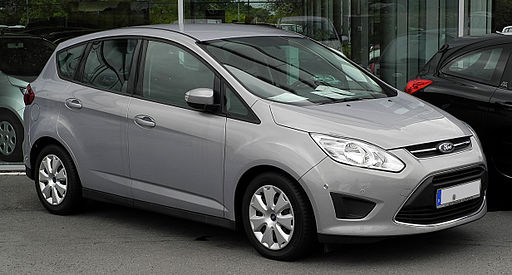
Ford C-MAX faults
The Ford C-MAX, a compact multi-purpose vehicle (MPV) produced by Ford, is widely appreciated for its practicality, efficient engines, and family-friendly design. However, like any car, it has its share of known faults and issues. Below is a detailed list of common Ford C-MAX faults:
1. Powershift Transmission Issues
- Symptoms: Jerky gear changes, hesitation, or failure to shift gears.
- Cause: Problems with the dual-clutch system, particularly in automatic models. Issues may involve the transmission control module (TCM) or worn clutch packs.
- Resolution: Software updates or replacement of TCM and clutch components. Some owners opt to replace the entire gearbox.
2. Diesel Particulate Filter (DPF) Problems
- Symptoms: Warning lights, reduced engine performance, or increased fuel consumption.
- Cause: Common in diesel models due to frequent short trips that prevent proper regeneration of the DPF.
- Resolution: Regular long drives at higher speeds to allow the DPF to regenerate. In severe cases, the filter may need cleaning or replacement.
3. Electrical Issues
- Symptoms: Faulty central locking, dashboard warning lights, or intermittent problems with lights and wipers.
- Cause: Malfunctions in the Body Control Module (BCM) or damaged wiring looms.
- Resolution: Replacing faulty wiring or updating/replacing the BCM. Checking for water ingress, which can exacerbate electrical faults, is also essential.
4. EcoBoost Engine Cooling Problems
- Symptoms: Overheating, coolant loss, or engine misfires.
- Cause: Early versions of the 1.0L EcoBoost engine have been prone to coolant system failures, especially with the degas pipe.
- Resolution: Ford has issued recalls to address this, often involving replacement of faulty components.
5. Steering Rack Issues
- Symptoms: Stiff steering, noises when turning, or a loose feel in the steering.
- Cause: Problems with the electric power steering system or wear in the steering rack components.
- Resolution: Inspection and replacement of the affected parts.
6. Turbocharger Failures (Diesel Models)
- Symptoms: Loss of power, whining noises from the engine, or excessive smoke from the exhaust.
- Cause: Oil starvation due to clogged oil feed pipes or poor maintenance.
- Resolution: Regular oil changes with high-quality oil can prevent this. Turbocharger replacement may be needed in severe cases.
7. Clutch and Dual-Mass Flywheel (DMF) Wear
- Symptoms: Vibration, rattling noises, or difficulty changing gears in manual models.
- Cause: Wear and tear, particularly in high-mileage vehicles or those frequently used for towing.
- Resolution: Replacement of the clutch and DMF.
8. Suspension Problems
- Symptoms: Knocking noises when driving over bumps or uneven surfaces, uneven tire wear, or poor handling.
- Cause: Worn suspension bushes, anti-roll bar links, or shock absorbers.
- Resolution: Replacement of worn components.
9. SYNC Infotainment System Glitches
- Symptoms: Freezing screen, unresponsive system, or issues with Bluetooth connectivity.
- Cause: Software bugs or hardware malfunctions in the SYNC system.
- Resolution: Performing a system reset or updating the software.
10. EGR Valve Issues (Diesel Models)
- Symptoms: Reduced performance, poor fuel economy, or black smoke from the exhaust.
- Cause: The exhaust gas recirculation (EGR) valve can become clogged with carbon deposits.
- Resolution: Cleaning or replacing the EGR valve.
11. Battery and Alternator Problems
- Symptoms: Difficulty starting, battery warning light, or electrical malfunctions.
- Cause: Faulty alternator or aging battery.
- Resolution: Testing and replacing the battery or alternator as necessary.
12. Water Leaks
- Symptoms: Damp carpets, condensation inside windows, or water pooling in the spare wheel well.
- Cause: Poor sealing around the door frames, windows, or sunroof.
- Resolution: Resealing the affected areas and checking drainage points for blockages.
13. Timing Belt Issues
- Symptoms: Unusual engine noises or complete engine failure.
- Cause: Failure to replace the timing belt at the recommended intervals can lead to catastrophic engine damage.
- Resolution: Ensure the timing belt is replaced as per the manufacturer’s schedule, typically around 150,000 miles or 10 years.
14. Fuel Injector Problems
- Symptoms: Rough idling, poor acceleration, or excessive smoke from the exhaust.
- Cause: Faulty or clogged fuel injectors, particularly in diesel models.
- Resolution: Cleaning or replacing the injectors.
General Maintenance Tips
To minimize issues, ensure the following:
- Use high-quality oil and fuel.
- Follow the manufacturer’s recommended service schedule.
- Verify that all recalls and software updates have been carried out.
- Inspect high-risk areas such as the transmission, cooling system, and suspension components.
Conclusion
The Ford C-MAX is a practical and efficient MPV with a range of features that appeal to families and commuters. However, potential buyers should be aware of its common faults, particularly with the Powershift transmission and EcoBoost engine cooling system. A thorough inspection, a full service history, and ensuring all recalls have been addressed are essential when considering a C-MAX as a used car purchase.
Ford C-Max as a used car
Ford C-MAX as a Used Car: A Family-Friendly MPV with Considerations
The Ford C-MAX is a compact multi-purpose vehicle (MPV) that has earned its reputation for practicality, efficiency, and a family-friendly design. Introduced in 2003 and discontinued in 2019, the C-MAX sits between a hatchback and a traditional MPV, offering a versatile option for those who need more space but don’t want a full-sized people carrier. If you’re considering the Ford C-MAX as a used car, here’s an in-depth look at what makes it a great choice, as well as potential pitfalls to watch out for.
What Makes the Ford C-MAX a Popular Choice?
- Spacious and Practical Design
The C-MAX is renowned for its practical interior. With generous headroom, legroom, and clever storage solutions, it easily accommodates families and their belongings. The split-folding rear seats offer flexibility, making it easy to balance passenger and cargo space. - Smooth and Comfortable Ride
Ford’s expertise in chassis tuning ensures the C-MAX provides a smooth ride with sharp handling. Unlike many MPVs, it feels more like a hatchback to drive, offering precise steering and minimal body roll in corners. - Efficient Engine Options
The C-MAX offers a range of petrol and diesel engines, including the efficient 1.0-liter EcoBoost and robust TDCi diesel engines. These options cater to different driving needs, whether it’s urban commutes or long motorway journeys. - Technology and Features
Higher trims of the C-MAX feature Ford’s SYNC infotainment system, automatic parking assist, and advanced safety technologies like lane-keeping assist and adaptive cruise control. Even base models come well-equipped, with air conditioning, power windows, and a heated windscreen. - Affordability
As a used car, the C-MAX is competitively priced, with good examples available at reasonable costs. Depreciation works in favor of buyers, especially for well-maintained models.
Common Issues and Known Faults
While the C-MAX is a solid and reliable MPV overall, potential buyers should be aware of some recurring issues:
- Powershift Transmission Problems
Automatic models with the Powershift gearbox have been known to suffer from jerky shifts, hesitation, and reliability issues. Repairs can be costly, so it’s crucial to test-drive and verify a full service history for any automatic C-MAX. - EcoBoost Engine Cooling Issues
Early versions of the 1.0L EcoBoost engine experienced problems with coolant pipe failures, which could lead to overheating and engine damage. Ensure any used C-MAX with this engine has had relevant recalls and updates completed. - Diesel Particulate Filter (DPF) Issues
Diesel models may experience clogged DPFs, especially if used mainly for short trips. This can trigger warning lights and reduce engine performance. - Electrical Glitches
Problems with central locking, infotainment systems, and dashboard warning lights have been reported. These are often caused by wiring faults or issues with the Body Control Module (BCM). - Suspension Wear
Knocking noises over bumps are a common symptom of worn suspension components, such as anti-roll bar links or bushings.
What to Look for When Buying a Used C-MAX
- Service History
A full service history is critical, particularly for models with the Powershift gearbox or EcoBoost engine. Regular oil changes and maintenance are essential for reliability. - Mileage and Usage
Low to moderate mileage is ideal. For diesel models, ensure the vehicle has seen regular motorway use to avoid DPF clogging. - Recalls and Updates
Check if any outstanding recalls, particularly for cooling system updates on EcoBoost engines, have been addressed. - Test Drive
During a test drive, pay attention to the smoothness of the transmission, steering responsiveness, and any unusual noises from the suspension or engine.
Is the Ford C-MAX the Right Used Car for You?
The Ford C-MAX is an excellent choice for families who need practicality, flexibility, and an enjoyable driving experience. It’s particularly well-suited to those who prioritize a car-like feel over the bulkiness of traditional MPVs.
However, prospective buyers should be cautious of models with a Powershift gearbox or early EcoBoost engines. By opting for a manual transmission and ensuring that maintenance has been carried out diligently, you can significantly reduce the risk of encountering costly repairs.
Conclusion
As a used car, the Ford C-MAX offers fantastic value for money. Its combination of practicality, comfort, and driving dynamics makes it a strong contender in the compact MPV segment. While it does come with some potential issues, careful selection and due diligence can ensure you drive away with a reliable and versatile vehicle. For families or individuals who need a practical yet enjoyable car, the C-MAX is worth considering.
_%E2%80%93_Frontansicht_(1),_30._Juli_2011,_Mettmann.jpg)