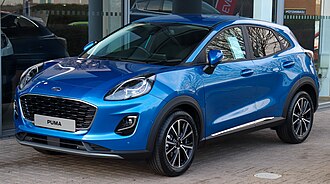
Ford Puma (Crossover) as a Used Car: A Complete Buyer’s Guide
The Ford Puma has become one of the most interesting compact crossovers available on the used-car market. Combining the practicality of a small SUV with the driving character of a traditional Ford hatchback, the Puma offers an appealing mix of efficiency, comfort, technology, and enjoyable handling. While the original Ford Puma from the late 1990s was a small sporty coupe, the modern Puma introduced in 2019 represents a completely different concept: a compact crossover designed for everyday family use while maintaining the engaging driving experience that Ford is known for.
As a used car, the Ford Puma is particularly attractive because it occupies a competitive segment filled with vehicles that often prioritize practicality over driving enjoyment. Many small crossovers offer similar dimensions and equipment levels, but the Puma stands out thanks to its responsive steering, efficient mild-hybrid engines, clever interior solutions, and stylish design. For buyers who want a compact vehicle suitable for city driving, commuting, weekend trips, and family duties, the Puma can be a very convincing option.
However, like every used vehicle, the Ford Puma has characteristics that potential buyers should understand before making a purchase. Engine choices, maintenance history, equipment levels, common problems, running costs, and previous ownership all influence whether a particular example represents good value. This guide explores the Ford Puma as a used crossover and explains what buyers should know before purchasing one.
The History of the Ford Puma Crossover
The modern Ford Puma was introduced in 2019 as part of Ford’s strategy to expand its crossover range. It was positioned below the Ford Kuga and above smaller hatchback-based models, sharing its platform with the Ford Fiesta. This relationship gave the Puma compact dimensions and efficient engines while allowing Ford engineers to create a vehicle with more ground clearance, greater practicality, and increased passenger comfort.
Although the name Puma had previously been used for a sporty compact coupe produced between 1997 and 2002, the modern model follows the crossover trend that has become dominant in the automotive market. The new Puma focuses on versatility rather than pure performance, but Ford retained a sporty character by giving it precise steering, a well-balanced chassis, and suspension tuning designed to make everyday driving more enjoyable.
The Puma quickly became an important model for Ford in Europe because compact crossovers represent one of the fastest-growing segments. It competes against vehicles such as the Nissan Juke, Renault Captur, Peugeot 2008, Volkswagen T-Roc, Hyundai Kona, and similar urban SUVs. In this crowded category, the Puma differentiates itself through driving dynamics and clever design features.
Why Buy a Used Ford Puma?
A Practical Compact Crossover
One of the strongest arguments for buying a used Ford Puma is its excellent balance between compact exterior dimensions and useful interior space. Many urban crossovers are designed primarily for appearance, but the Puma offers genuine everyday practicality. It provides comfortable seating for passengers, a flexible luggage area, and enough space for normal family requirements.
A particularly impressive feature is Ford’s MegaBox storage system. Located beneath the luggage floor, this additional compartment increases cargo flexibility and allows owners to carry taller items that would not normally fit in a small crossover. The washable design is also useful for transporting sports equipment, gardening supplies, or items that may create dirt or moisture.
The Puma’s compact size is another advantage. It is easy to park, convenient in crowded urban environments, and still provides the higher driving position that many SUV buyers prefer. For drivers who do not need a large vehicle but want more practicality than a traditional hatchback, the Puma is a strong compromise.
Excellent Driving Experience
One of the biggest advantages of the Ford Puma compared with many rivals is its driving behavior. Ford has a long reputation for producing vehicles with well-tuned handling, and the Puma continues this tradition. The steering is accurate, body control is good, and the suspension provides a comfortable but controlled ride.
Drivers who enjoy an engaging experience behind the wheel will appreciate that the Puma feels more like a hatchback than a traditional SUV. It responds quickly to steering inputs and remains stable during cornering. This does not mean it is a sports car, but compared with many competitors, it offers a more connected driving experience.
Engine Options and Performance
The Ford Puma was mainly offered with modern petrol engines designed to provide efficiency and performance. The most common engines on the used market are from Ford’s EcoBoost family, which uses turbocharging technology to deliver strong power from relatively small engine sizes.
1.0 EcoBoost Mild Hybrid Engine
The 1.0-liter EcoBoost mild-hybrid engine is one of the most popular choices. It uses a small turbocharged three-cylinder engine combined with a 48-volt mild-hybrid system. The hybrid technology does not allow the vehicle to drive purely on electric power, but it improves efficiency by assisting the engine during acceleration and supporting smoother operation of the start-stop system.
Available in different power outputs, this engine provides enough performance for everyday driving. It is particularly suitable for urban environments and regular commuting. The engine is economical when driven sensibly and offers better acceleration than many naturally aspirated engines of similar size.
1.5 EcoBoost Engine
The 1.5-liter EcoBoost engine is aimed at buyers who want more performance. With higher power output and a four-cylinder design, it provides stronger acceleration and is better suited for drivers who frequently travel with passengers or luggage. It is less common than the 1.0-liter version but can be attractive for buyers who prioritize performance.
The larger engine may have slightly higher running costs, but it delivers a more relaxed driving experience, especially on highways. Buyers should consider their typical driving conditions before choosing between the two engines.
Fuel Economy and Running Costs
One of the reasons the Ford Puma works well as a used car is its relatively low operating costs. The compact engines provide good fuel economy, and the mild-hybrid system helps reduce consumption during everyday driving. Actual fuel economy depends on driving style, traffic conditions, tire choice, and maintenance quality.
Maintenance costs are generally reasonable compared with larger SUVs. The Puma uses many components shared with other Ford models, which helps keep replacement parts widely available. Independent garages are usually familiar with Ford engines and systems, making servicing accessible in many markets.
Insurance costs are also typically moderate because the Puma is positioned as a mainstream compact crossover rather than a high-performance vehicle. However, prices depend on engine version, location, driver history, and selected equipment.
Reliability of the Ford Puma
The Ford Puma has generally received positive feedback regarding reliability, especially when properly maintained. Modern Ford engines are designed for long-term use, but turbocharged engines require regular servicing and correct oil maintenance. A complete service history is one of the most important factors when evaluating a used Puma.
Because the Puma is still a relatively modern vehicle, many examples on the used market have relatively low mileage. This can be an advantage, but buyers should still inspect vehicles carefully because previous use patterns can affect condition. Cars used mainly for short urban trips may experience different wear compared with vehicles driven mostly on longer journeys.
Common Issues to Check
While the Ford Puma is not known for widespread serious failures, used buyers should pay attention to several areas. The infotainment system, sensors, cameras, and electronic features should all be tested because modern vehicles rely heavily on software and electrical components.
The mild-hybrid system should also operate correctly. Warning lights, unusual engine behavior, or problems with the stop-start system may indicate the need for professional diagnosis. A specialist inspection is recommended before purchasing any used crossover with advanced electronics.
Buyers should also check suspension components, brakes, tires, and steering behavior. Compact crossovers often spend time in urban environments where potholes, curbs, and frequent short journeys can accelerate wear.
Interior Quality and Comfort
The interior of the Ford Puma is designed around practicality and modern usability. The dashboard layout is familiar to other Ford models, with a logical arrangement of controls and available digital displays. Higher equipment versions provide features such as advanced infotainment systems, driver assistance technology, and premium interior materials.
Front-seat comfort is generally very good, making the Puma suitable for daily commuting and longer journeys. The driving position provides good visibility, while the compact dimensions make maneuvering simple. Rear-seat space is acceptable for the vehicle’s size, although taller passengers may find larger SUVs more comfortable.
Storage solutions are one of the Puma’s strengths. Door pockets, central storage areas, and the MegaBox luggage compartment increase practicality and make the vehicle more useful in everyday situations.
Safety Features and Technology
The Ford Puma benefits from modern safety technology expected from a contemporary crossover. Depending on specification, used examples may include adaptive cruise control, lane-keeping assistance, automatic emergency braking, blind-spot monitoring, parking sensors, and rear-view cameras.
These systems can significantly improve convenience and safety, especially for drivers who use their vehicle frequently in busy traffic. When purchasing a used Puma, buyers should verify that all assistance systems function correctly because repairs to advanced safety technology can be expensive.
Buying a Used Ford Puma: Inspection Checklist
Before purchasing a used Ford Puma, buyers should inspect both the vehicle condition and documentation. A complete service history is extremely valuable because it demonstrates that the previous owner followed recommended maintenance schedules.
During a test drive, pay attention to engine smoothness, transmission operation, steering response, suspension noises, and braking performance. The vehicle should feel stable and predictable. Any warning lights or unusual sounds should be investigated before completing the purchase.
The exterior should be checked for accident repairs, inconsistent paint, scratches, and signs of poor repairs. Inside the cabin, test every electronic feature, including climate control, infotainment, parking sensors, and driver assistance systems.
Ford Puma Compared with Other Used Crossovers
The compact crossover segment is extremely competitive, but the Ford Puma has several advantages. Compared with many rivals, it offers better driving dynamics and a more engaging character. Vehicles such as the Nissan Juke or Renault Captur may emphasize comfort or styling, while the Puma focuses more strongly on the driving experience.
Compared with larger SUVs, the Puma is less spacious but easier to operate in cities and generally cheaper to run. For buyers who do not need maximum passenger or cargo capacity, a compact crossover like the Puma can provide a more efficient ownership experience.
Technical Specifications Summary
| Specification | Ford Puma (2019–Present) |
|---|---|
| Vehicle Type | Compact crossover SUV |
| Production Years | 2019–Present |
| Platform | Ford B-car platform shared with Fiesta |
| Body Style | 5-door crossover |
| Engine Options | 1.0 EcoBoost mild hybrid, 1.5 EcoBoost petrol |
| Engine Layout | Front-mounted turbocharged petrol engines |
| Power Output | Approximately 125–200 hp depending on version |
| Transmission Options | Manual and automatic |
| Drive Type | Front-wheel drive |
| Seating Capacity | 5 passengers |
| Luggage Capacity | Approximately 400+ liters depending on configuration |
| Fuel Type | Petrol/Gasoline |
| Suspension | Independent front suspension with torsion beam rear setup |
| Main Advantages | Driving dynamics, efficiency, practicality, technology |
| Main Considerations | Limited rear space, electronic complexity, service history importance |
Final Verdict: Is the Ford Puma a Good Used Car?
The Ford Puma is one of the most appealing compact crossovers available on the used market. It combines the practicality buyers expect from an SUV with the enjoyable driving characteristics traditionally associated with Ford vehicles. Its efficient engines, clever storage solutions, comfortable interior, and modern technology make it suitable for a wide range of drivers.
The best used examples are those with complete maintenance records, reasonable mileage, and careful previous ownership. Buyers should avoid focusing only on price and instead choose a vehicle with a strong history and good overall condition.
For drivers looking for a small crossover that is economical, practical, and genuinely enjoyable to drive, the Ford Puma represents a very strong used-car choice. It may not offer the largest interior in its class, but it succeeds by providing something many competitors lack: personality and driving pleasure combined with everyday usability.
