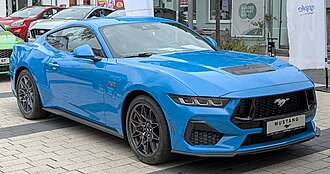
Ford Mustang as a Used Car: A Complete Guide for Buyers
The Ford Mustang has always represented more than simple transportation. Since its introduction in 1964, it has become one of the most recognizable performance cars in the world, combining sporty styling, rear-wheel-drive dynamics, strong engines, and an emotional connection that few vehicles can match. Buying a used Ford Mustang is therefore not only a practical decision but also a way to own a piece of automotive history without paying the price of a brand-new performance car. However, choosing the right used Mustang requires knowledge about generations, engines, reliability, maintenance costs, common problems, and the differences between models. A Mustang can be an excellent long-term purchase, but like any performance vehicle, it rewards buyers who carefully inspect examples before purchase.
The appeal of a used Mustang comes from its unique balance between everyday usability and driving excitement. Many sports cars are expensive to maintain, difficult to live with, or uncomfortable for regular use, while the Mustang has traditionally offered practical dimensions, accessible parts, reasonable servicing costs, and a wide range of versions. Whether someone wants a weekend cruiser, a daily performance car, or a project vehicle, there is likely a used Mustang that fits the purpose. The key is understanding what each generation offers and identifying which models provide the best combination of performance, reliability, and value.
The History and Evolution of the Ford Mustang
The Ford Mustang was launched during the 1960s as a new type of vehicle often described as a pony car. It combined the affordability of a compact car with the style and performance image of a sports machine. Early Mustangs became cultural icons, appearing in movies, motorsport events, and popular media. Their success created a formula that influenced many other manufacturers and established the Mustang name as one of Ford’s most important brands.
Over the decades, the Mustang changed significantly. Early generations focused on classic styling and mechanical simplicity, while later versions introduced advanced electronics, improved safety systems, independent suspension, turbocharged engines, and modern infotainment technology. When buying used, the generation of Mustang matters greatly because each era has different strengths and weaknesses. Some buyers prefer the classic character of older models, while others want the refinement and performance of newer versions.
Why Buy a Used Ford Mustang?
Strong Performance for the Money
One of the biggest advantages of a used Mustang is the amount of performance available for the price. Many versions offer powerful V6 or V8 engines, rear-wheel drive, and engaging handling characteristics at a cost lower than many European sports cars. The famous Mustang GT models equipped with V8 engines are especially attractive because they provide strong acceleration, a distinctive exhaust sound, and a classic muscle-car driving experience.
Even entry-level Mustangs can be enjoyable. Modern EcoBoost models use turbocharged four-cylinder engines that provide impressive power while offering better fuel economy than traditional V8 versions. For buyers who want a sporty daily driver rather than a pure performance machine, these models can be a smart choice.
Wide Availability of Parts and Repairs
Another reason the Mustang works well as a used car is the excellent availability of replacement parts. Because Ford has produced millions of Mustangs, owners benefit from a large aftermarket industry, many independent specialists, and extensive community knowledge. Routine maintenance items, performance upgrades, and replacement components are generally easier to find compared with rare sports cars.
The large Mustang enthusiast community is also valuable for used-car buyers. Online forums, clubs, and specialist workshops provide information about known issues, recommended modifications, and maintenance schedules. This support network can make ownership easier, especially for buyers purchasing older examples.
Choosing the Right Mustang Generation
Fourth Generation Mustang (1994–2004)
The fourth-generation Mustang, often known by enthusiasts as the SN95 generation, brought the Mustang into a more modern era while maintaining a relatively simple mechanical design. These cars are affordable on the used market and can be attractive choices for buyers interested in customization or entry-level performance ownership. The later New Edge models from 1999 to 2004 are particularly popular because of their sharper styling and improved performance versions.
Buyers should carefully inspect older examples because age-related issues are common. Rust, worn suspension components, electrical problems, and neglected maintenance can affect ownership costs. A well-maintained example, however, can provide a fun and inexpensive introduction to Mustang ownership.
Fifth Generation Mustang (2005–2014)
The fifth-generation Mustang returned to a more classic design inspired by the original models. It became extremely popular because it combined retro styling with modern performance. The Mustang GT models equipped with V8 engines are especially desirable, offering strong acceleration and a traditional muscle-car experience.
Later versions received improvements in engines, suspension, interior quality, and technology. The 2011–2014 models are often considered particularly appealing because they introduced the modern Coyote V8 engine, which significantly improved performance and became one of Ford’s most respected engines. Used buyers looking for a balance of price, power, and reliability often consider this generation a strong option.
Sixth Generation Mustang (2015–2023)
The sixth-generation Mustang represented a major technological step forward. It introduced independent rear suspension, improved handling, better interior materials, and more advanced safety and comfort features. This generation was sold globally, making it easier for buyers in many countries to find examples.
The EcoBoost four-cylinder models offer efficient performance, while the GT models continue the Mustang tradition with a naturally aspirated V8. High-performance versions such as the Shelby models provide extremely impressive capability, although they usually come with higher purchase prices and maintenance costs.
Engines and Performance Options
The engine choice is one of the most important decisions when buying a used Mustang. Different engines create very different ownership experiences. Buyers should consider whether they prioritize fuel economy, maximum performance, sound, reliability, or future resale value.
The traditional choice is the V8 engine. Mustang GT models equipped with V8 power are highly desirable because they deliver the classic experience many people associate with the Mustang name. They provide strong torque, excellent acceleration, and a memorable exhaust note. However, they consume more fuel and may have higher insurance costs compared with smaller-engine models.
The EcoBoost engines offer an alternative approach. Turbocharged four-cylinder Mustangs can produce impressive power while using less fuel. They are often cheaper to purchase and may be more practical for daily driving. Some enthusiasts prefer the character of a V8, but modern turbocharged engines demonstrate that performance does not always require a large engine.
Reliability and Common Used Mustang Problems
A properly maintained Mustang can be a reliable used vehicle, but buyers should understand common issues. Many problems are not caused by poor engineering but by previous owners modifying, racing, or neglecting maintenance. A performance car often attracts enthusiastic drivers, so the history of the individual vehicle is extremely important.
Suspension Wear
Because Mustangs are often driven enthusiastically, suspension components may experience significant wear. Bushings, shocks, springs, and control arms should be inspected during a pre-purchase examination. Uneven tire wear, unusual noises, or poor handling can indicate suspension repairs may be required.
Transmission Concerns
Manual transmissions are popular among Mustang enthusiasts, but clutch wear is something to consider when buying a used example. Automatic transmissions are generally convenient and can be reliable when properly serviced. During a test drive, buyers should check for smooth shifting, unusual noises, hesitation, or signs of previous abuse.
Electrical and Interior Issues
Older Mustangs may develop interior wear, faulty switches, aging infotainment systems, or electrical problems. These issues are usually not catastrophic, but they can affect ownership satisfaction. Checking all electronic features before purchase is recommended.
What to Check Before Buying a Used Mustang
A careful inspection is essential before purchasing any used performance car. The first step should be checking the vehicle history, including accident records, service documentation, ownership history, and any evidence of major modifications. A car that has been regularly maintained is usually a better investment than a cheaper example with an uncertain past.
Buyers should examine the exterior for accident repairs, paint differences, rust, and poor-quality modifications. Inside the cabin, check seat condition, controls, air conditioning, infotainment systems, and signs of excessive wear. Under the hood, look for leaks, unusual noises, aftermarket parts, and evidence of poor maintenance.
A professional inspection by a mechanic familiar with performance vehicles is highly recommended. This relatively small expense can reveal hidden problems and prevent costly mistakes. A Mustang that appears attractive in photographs may require significant repairs if it has been heavily modified or improperly maintained.
Maintenance Costs and Ownership Experience
The Mustang is generally affordable to maintain compared with many performance cars. Routine servicing, brake components, tires, and common mechanical parts are widely available. However, owners should remember that performance vehicles naturally have higher running costs than ordinary economy cars. Powerful engines require appropriate maintenance, and performance tires or brakes can be expensive.
Insurance costs vary depending on location, driver history, engine choice, and vehicle age. High-performance versions, especially V8 models, may cost more to insure. Fuel consumption also depends heavily on driving style. A Mustang can be relatively efficient during relaxed driving but consume significantly more fuel when driven aggressively.
Is a Used Ford Mustang a Good Investment?
A used Mustang can hold its value well, especially desirable versions with excellent condition, original equipment, and documented maintenance. Special editions, manual transmission models, and high-performance variants often attract enthusiasts and may maintain stronger demand. However, buyers should purchase a Mustang because they enjoy the car rather than expecting guaranteed financial returns.
The strongest long-term ownership candidates are usually cars that have been cared for properly. A clean, unmodified example with complete service records is often more valuable than a heavily customized vehicle. Original condition, low accident history, and responsible ownership are important factors in future resale.
Technical Specifications Summary
The following table provides a general overview of common Ford Mustang specifications. Exact figures vary depending on model year, engine, transmission, and trim level.
| Specification | Typical Used Mustang Range |
|---|---|
| Production Years Covered | 1994–2023 (various generations) |
| Body Styles | Coupe, Fastback, Convertible |
| Engine Options | Four-cylinder turbo, V6, V8 |
| Power Output | Approximately 200–760+ hp depending on version |
| Drive System | Rear-wheel drive |
| Transmission Options | Manual and automatic transmissions |
| Seating Capacity | Usually 4 seats |
| Fuel Type | Petrol/Gasoline |
| Suspension | Independent and solid rear axle systems depending on generation |
| Typical Buyer Profile | Performance enthusiasts, collectors, daily drivers |
Final Thoughts: Should You Buy a Used Ford Mustang?
The Ford Mustang remains one of the most attractive used performance cars available because it combines history, character, affordability, and driving enjoyment. Few vehicles offer the same combination of styling, engine choices, aftermarket support, and emotional appeal. Whether choosing an older classic-inspired model or a newer technologically advanced version, buyers can find a Mustang that matches their needs.
The most important factor is not simply choosing the most powerful Mustang but finding the right example. A well-maintained vehicle with a clear history will usually provide a far better ownership experience than a neglected car with more impressive specifications. Careful research, a thorough inspection, and realistic consideration of running costs are essential steps.
For drivers who want a used car with personality, performance, and a strong connection to automotive culture, the Ford Mustang remains an exceptional choice. It is a vehicle that can serve as practical transportation while still delivering the excitement and character expected from a true performance machine.
