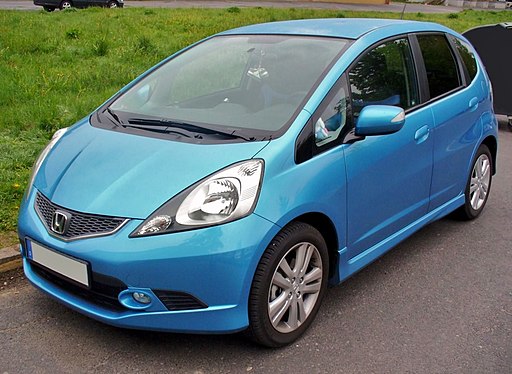
Honda Jazz faults
The Honda Jazz (known as the Honda Fit in some markets) is a popular subcompact hatchback that has earned a reputation for being a reliable and efficient car. However, like any vehicle, there are some common faults and issues that owners may encounter, especially in used models. Below are some of the most common and known Honda Jazz faults with details:
1. Transmission Problems (CVT Issues)
- Problem: Some owners of the Honda Jazz (particularly those with the Continuously Variable Transmission (CVT)) have reported issues with the transmission, including jerky acceleration, hesitation, or whining noises when driving. This issue is more common in earlier models of the Jazz (2014-2017).
- Symptoms: Unusual engine revving, delays in acceleration, or vibrations during shifting. Some drivers have also noticed a lack of power or difficulty when trying to accelerate quickly.
- Cause: The issue is often related to the CVT transmission’s internal components, which may include the belt or pulleys, as well as fluid degradation. Problems can also stem from software issues that control the transmission.
- Solution: Regular maintenance and checking the CVT fluid levels can help prevent transmission problems. In cases of severe issues, a software update or even transmission replacement may be necessary.
2. Faulty Air Conditioning System
- Problem: Some Honda Jazz owners have reported that their air conditioning system fails to cool properly or stops working altogether. This is particularly common in the first-generation models (2002-2008) but can affect later versions as well.
- Symptoms: The AC may blow warm air, have weak airflow, or fail to turn on. Some drivers also report strange smells coming from the vents when the air conditioning is running.
- Cause: The root cause of this issue could be low refrigerant levels, a faulty compressor, or a clogged condenser. In some cases, an electrical fault or faulty relay may cause the AC to stop working.
- Solution: A professional inspection is required to diagnose the problem. If refrigerant is low, it can often be topped up. However, if the compressor or condenser is faulty, they will need to be replaced.
3. Power Window Malfunctions
- Problem: Some Honda Jazz owners report problems with the power windows, where the windows may become stuck or fail to respond to the switch. This issue is more likely to occur in older models.
- Symptoms: The window may not go up or down, may become stuck halfway, or may make grinding noises while in operation.
- Cause: The most common cause of this issue is a faulty window regulator or window motor. Dirt and debris in the window tracks or problems with the window’s electrical system can also cause issues.
- Solution: The faulty window motor or regulator should be replaced. Regular maintenance, such as cleaning the window tracks and checking the electrical connections, can help prevent issues.
4. Suspension Problems
- Problem: Some Honda Jazz models, especially those with higher mileage, may experience suspension issues such as a bumpy or uncomfortable ride or unusual noises when driving over bumps.
- Symptoms: The car may feel excessively bouncy or loose when driving over uneven surfaces. There may also be a noticeable clunking or knocking sound when driving over potholes or bumps.
- Cause: This issue is usually caused by worn-out suspension components such as shock absorbers, bushings, or suspension springs. These parts can wear down over time due to normal driving conditions, especially if the car is frequently driven on rough roads.
- Solution: Replacing the worn suspension components (shock absorbers, bushings, or springs) can help restore the ride quality and eliminate the noise.
5. Electric Power Steering Failure
- Problem: Another common issue in certain Honda Jazz models, particularly those from the earlier years, is a failure of the electric power steering (EPS) system. This problem can cause steering to become heavier or less responsive.
- Symptoms: The steering may become stiff or hard to turn, and in some cases, the steering wheel may feel vibratory or unbalanced. A warning light may also appear on the dashboard indicating EPS failure.
- Cause: This issue can occur due to a malfunction in the EPS motor, a faulty steering column, or issues with the electrical connections to the power steering system.
- Solution: Diagnosing the issue requires a visit to a mechanic. In most cases, the EPS motor may need to be replaced, or the wiring could require attention.
6. Oil Leaks
- Problem: Some Honda Jazz models, especially those with higher mileage, are prone to oil leaks. These leaks are often found around the engine seals or gaskets, particularly on older cars.
- Symptoms: You may notice oil spots or stains under the car, or the oil pressure warning light may turn on. There could also be visible oil residue around the engine or transmission.
- Cause: Over time, the gaskets and seals in the engine can degrade, causing oil to leak. Poorly fitted gaskets or loose bolts can also contribute to this issue.
- Solution: The source of the oil leak needs to be identified, and the faulty seals or gaskets must be replaced. Regularly checking and changing the engine oil is important to avoid excessive engine wear.
7. Excessive Oil Consumption
- Problem: Some Honda Jazz models, particularly the earlier models, have been known to consume excessive amounts of oil. This issue is more common in engines with higher mileage.
- Symptoms: The engine oil level may drop more quickly than normal, requiring frequent top-ups. A burning smell or visible smoke may also occur if the oil is leaking or burning.
- Cause: The problem may be due to worn piston rings, valve seals, or gasket seals. These components can wear down over time, causing the engine to burn oil faster than it should.
- Solution: If this issue occurs, it’s important to get the engine checked by a mechanic. The problem might require an engine rebuild or the replacement of specific components, such as the piston rings or valve seals.
8. Clutch Problems (Manual Transmission Models)
- Problem: Some Honda Jazz models equipped with manual transmissions have been reported to experience clutch issues. Owners have reported difficulty shifting gears or a spongy or soft clutch pedal feel.
- Symptoms: The clutch pedal may feel soft, spongy, or unresponsive. You may also experience difficulty shifting gears or hear strange noises when engaging the clutch.
- Cause: This issue is often caused by a worn-out clutch, leaking hydraulic fluid, or a malfunctioning clutch master/slave cylinder. In some cases, the clutch release bearing may also be at fault.
- Solution: Replacing the faulty clutch or hydraulic components can restore proper operation. If the problem is with the hydraulic system, it may require replacing the master/slave cylinder or bleeding the system.
9. Brake Problems
- Problem: Some owners of the Honda Jazz have reported issues with the brakes, particularly problems with premature brake pad wear or noisy brakes.
- Symptoms: The car may make squealing, grinding, or high-pitched noises when braking. There may also be a noticeable decrease in braking performance or a soft brake pedal.
- Cause: Premature wear of brake pads or rotors can cause noise and reduced braking efficiency. In some cases, the brake calipers or fluid may need to be replaced.
- Solution: Regular inspection of the brake system is recommended. Worn-out brake pads should be replaced, and the brake rotors should be checked for damage. If the issue persists, the brake calipers or other components may need to be serviced.
Conclusion
The Honda Jazz is generally a reliable and well-regarded vehicle, but like any car, it is not free from faults. The common issues listed above are typically not widespread, but they do appear in some models and can affect the overall driving experience. Regular maintenance and addressing problems early can help ensure the longevity of the Honda Jazz. If you’re considering purchasing a used Jazz, it’s a good idea to have the car inspected by a mechanic to check for any of these common issues.
Honda Jazz as a used car
Honda Jazz as a Used Car: A Comprehensive Review
The Honda Jazz, also known as the Honda Fit in some regions, is a popular subcompact hatchback that has gained a reputation for being reliable, fuel-efficient, and versatile. As a used car, the Jazz offers a great balance of practicality and affordability, making it an attractive choice for first-time buyers, city dwellers, or those looking for a secondary vehicle. However, like any used car, it’s important to understand the pros, cons, common issues, and maintenance needs before making a purchase. This comprehensive review of the Honda Jazz as a used car will cover its key features, advantages, potential drawbacks, and tips on what to look out for when buying a second-hand model.
Overview of the Honda Jazz
The Honda Jazz first made its debut in the early 2000s, and it quickly became a favorite among drivers looking for a compact, fuel-efficient car with plenty of interior space. Despite its small exterior size, the Jazz boasts an impressive interior space thanks to its innovative Magic Seat system, which allows the rear seats to be folded flat or folded up to create additional cargo space. The Jazz is known for its reliable performance, efficient fuel economy, and the comfort it offers in urban and suburban environments.
The vehicle is available in various trim levels, and over the years, Honda has made several improvements, including upgraded safety features, better interior materials, and modern infotainment systems. The Honda Jazz is available with both manual and automatic transmissions, with the latter being offered with a CVT (Continuously Variable Transmission) in more recent models. The car is also powered by either a 1.2L or 1.5L engine, depending on the model and market.
Advantages of Buying a Used Honda Jazz
There are several reasons why buying a used Honda Jazz is a good choice for many buyers. Here are some of the key advantages:
1. Fuel Efficiency
One of the main selling points of the Honda Jazz, whether new or used, is its fuel efficiency. The small engine size and lightweight design contribute to excellent fuel economy, which is ideal for both city driving and longer trips. A used Jazz will continue to offer outstanding fuel savings, especially when compared to larger or less-efficient cars in the same price range.
2. Low Maintenance Costs
The Honda Jazz is widely known for its reliability and low maintenance costs. Honda vehicles, in general, are built to last, and the Jazz is no exception. Routine maintenance tasks such as oil changes, brake pad replacements, and tire rotations are typically affordable. Additionally, the availability of parts and Honda’s extensive service network means repairs and maintenance are often straightforward and inexpensive.
3. Practical Interior Space
Despite its compact exterior, the Honda Jazz offers an impressive amount of interior space. Thanks to the innovative Magic Seat design, the rear seats can be easily folded down to create a flat loading floor for large items, or they can be folded upwards to allow taller items to be carried in the rear. This makes the Jazz incredibly versatile, and it’s a perfect choice for those who need both passenger and cargo space in a small car.
4. Reliability
Honda is synonymous with reliability, and the Jazz is no exception. With proper care, many used Honda Jazz models can easily surpass 150,000 miles without significant issues. The car’s solid construction, reliable engine, and long-lasting parts make it a strong contender in the used car market. Furthermore, Honda’s reputation for durability means that buyers can generally feel confident in the longevity of a used Jazz.
5. Affordability
A used Honda Jazz is generally affordable compared to many other cars in its class. Due to the model’s strong reputation for reliability, used examples tend to hold their value well, but they are still relatively inexpensive when compared to newer models or other brands. The low depreciation rate and the availability of used models make the Jazz an attractive option for buyers on a budget.
Potential Drawbacks of Buying a Used Honda Jazz
While the Honda Jazz is a strong contender in the used car market, it does have a few potential drawbacks that buyers should be aware of before making a purchase:
1. Performance
While the Jazz is efficient and reliable, it is not known for its performance. The engine options, while adequate for daily driving, may feel underpowered to those who are used to more performance-oriented vehicles. The 1.2L engine, in particular, may struggle on highways or when fully loaded with passengers and luggage. The car is more focused on fuel economy and practicality rather than thrilling driving dynamics.
2. Interior Quality in Older Models
In some of the earlier models of the Jazz (especially the first-generation models), the interior quality could feel a bit basic. The plastics used in the cabin were sometimes prone to wear and tear, and the overall build quality wasn’t always as high as some competitors. However, later models, especially those from the 2010s onward, saw significant improvements in interior materials and design.
3. Noisy Cabin
Another issue that some owners have reported is the road noise inside the cabin. Although the Jazz is designed for city driving, the amount of wind and tire noise can become noticeable at higher speeds on the highway. This can make longer drives less comfortable, especially when compared to more refined competitors.
4. Small Boot Space in Some Models
While the Honda Jazz offers excellent versatility with its Magic Seat and spacious cabin, its boot space is not as large as some may expect. Some buyers looking for more luggage room may find the boot space slightly lacking, especially when the rear seats are not folded down. However, the flexibility of the interior space may make up for this shortcoming for most buyers.
Common Issues with Used Honda Jazz Models
While the Honda Jazz is a reliable car, like any used vehicle, it can experience some common faults and issues. Buyers should be aware of the following potential problems:
1. CVT Transmission Problems
Some newer models of the Honda Jazz with the CVT (Continuously Variable Transmission) have experienced issues with rough shifting, shuddering, or hesitation during acceleration. If you’re considering purchasing a used Jazz with a CVT, it’s essential to have the transmission inspected thoroughly to ensure it is in good working order. Regular fluid changes can help maintain the health of the CVT.
2. Air Conditioning Problems
The air conditioning system in some used Honda Jazz models, particularly older ones, may experience issues such as poor cooling or the air conditioning system failing to work altogether. The issue could be due to a refrigerant leak, a faulty compressor, or other system components.
3. Power Window Malfunctions
Some used Honda Jazz vehicles have been reported to experience power window problems, such as windows that fail to raise or lower properly or make grinding noises during operation. This is usually due to issues with the window regulator or motor.
4. Suspension Wear
The suspension components of older Honda Jazz models, particularly those with higher mileage, may begin to wear out over time. If the car feels bouncy, makes clunking noises over bumps, or rides uncomfortably, the suspension components may need to be replaced.
What to Look for When Buying a Used Honda Jazz
When buying a used Honda Jazz, here are a few tips to ensure you’re getting a well-maintained vehicle:
1. Service History
Always ask for the full service history of the vehicle. A well-maintained Honda Jazz should have regular oil changes, fluid checks, and any necessary repairs done on time. A detailed service history will also show if any of the common issues (such as transmission or suspension problems) have been addressed.
2. Mileage
Look for a used Jazz with reasonable mileage. While the Honda Jazz is known for its durability, high-mileage models can sometimes be prone to wear and tear, particularly on parts like the transmission and suspension. A car with less than 100,000 miles will generally have more life left in it.
3. Body Condition
Check the bodywork for signs of rust or damage, especially if the car has been exposed to salt or harsh weather conditions. Inspect for any signs of previous accidents, such as uneven panel gaps, mismatched paint, or structural damage.
4. Test Drive
Always take the car for a test drive to check for any unusual sounds, performance issues, or discomfort. Pay attention to how the car drives, the responsiveness of the transmission, the comfort of the ride, and any possible engine or suspension issues.
Conclusion
The Honda Jazz is a great option for a used car, especially for buyers who value fuel efficiency, reliability, and versatility in a compact package. While there are a few drawbacks, such as limited performance and the potential for transmission or suspension issues, the Honda Jazz is generally an excellent choice for urban driving and practical daily use. By conducting a thorough inspection and ensuring the vehicle has been well-maintained, you can find a used Honda Jazz that will serve you well for many years to come.
_VTi_hatchback_(2015-07-09)_01.jpg)