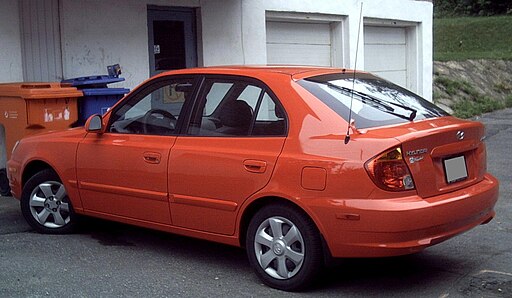
Hyundai Accent faults
The Hyundai Accent, like any vehicle, has some common faults or issues that owners might experience over time. While the Accent is generally considered a reliable and low-maintenance car, it’s important to be aware of potential problems, especially if you’re buying a used model. Below are some of the known and common faults in the Hyundai Accent, with details on each:
1. Transmission Issues
- Problem: Some Hyundai Accent models, particularly those with automatic transmissions, have been known to experience transmission-related problems. Symptoms can include rough shifting, delayed engagement when changing gears, or the transmission slipping.
- Cause: This issue is most commonly found in earlier models, specifically those from 2011 to 2014. It’s often related to faulty transmission solenoids or a need for software updates in the transmission control module.
- Solution: Regular transmission fluid changes and proper maintenance can help prevent these issues. In severe cases, the transmission may need to be replaced or rebuilt, which can be costly.
2. Suspension Wear
- Problem: Over time, the suspension components in the Hyundai Accent may wear out, especially if the car has been driven on rough or uneven roads. Common signs include a bouncy ride, clunking noises when driving over bumps, or uneven tire wear.
- Cause: This wear is typically caused by aging shocks and struts or worn-out bushings. Poor road conditions and aggressive driving can accelerate this issue.
- Solution: Replacing the worn suspension components such as shocks, struts, or bushings can restore the vehicle’s ride quality. It’s essential to have the suspension checked regularly to avoid further damage.
3. Electrical Problems
- Problem: Some Hyundai Accent owners report electrical issues, such as malfunctioning lights, dashboard indicator issues, or problems with the electrical system in general. This may manifest as flickering lights, faulty sensors, or problems with the power windows.
- Cause: Electrical faults are often caused by worn-out wiring, faulty alternators, or issues with the battery or fuses. In some cases, the vehicle’s ECU (electronic control unit) may require recalibration or replacement.
- Solution: If you’re experiencing electrical issues, it’s best to have a mechanic check the wiring and electrical components. Regularly inspect the battery and ensure that the alternator is charging the battery correctly.
4. Power Window Failures
- Problem: A recurring issue in several Hyundai Accent models is the failure of power windows. This can be especially frustrating if one or more windows become stuck or malfunction.
- Cause: The issue often arises from faulty power window regulators or window motors that become worn over time. In some cases, the electrical wiring to the windows may also be the culprit.
- Solution: Replacing the window regulators or motors usually fixes the problem. A professional mechanic should be able to replace the components, or you can perform the repair yourself if you have the necessary tools and skills.
5. Oil Consumption Issues
- Problem: Some Hyundai Accent models, particularly those from earlier model years (around 2011-2014), have experienced excessive oil consumption. Drivers may notice that their car is burning more oil than usual or that the oil level drops more quickly than expected.
- Cause: This can be due to worn piston rings or faulty valve seals that allow oil to seep into the combustion chamber and burn off. It’s often linked to the engine’s internal components.
- Solution: If you notice significant oil consumption, it’s best to have the engine inspected. In some cases, replacing the piston rings or valve seals can resolve the issue, though it may be expensive. Regular oil checks and maintenance can help catch this issue early.
6. Engine Stalling or Rough Idling
- Problem: Another common complaint from Hyundai Accent owners is rough idling or engine stalling when the car is stopped, especially at traffic lights or when the engine is cold.
- Cause: This issue is often linked to a dirty throttle body, faulty idle air control valve (IACV), or problems with the fuel injectors. These components can become clogged or worn over time, leading to poor engine performance.
- Solution: Cleaning the throttle body, replacing the IACV, or servicing the fuel injectors can help resolve rough idling and stalling issues. In some cases, a software update to the car’s engine control unit (ECU) may be needed.
7. Clogged or Dirty Fuel Injectors
- Problem: Some Hyundai Accent owners report a loss of engine power or poor fuel efficiency, which can be a sign of clogged or dirty fuel injectors.
- Cause: Over time, fuel injectors can become clogged with dirt, carbon buildup, or fuel impurities. This affects the fuel delivery system and results in poor engine performance.
- Solution: Regular fuel system cleaning and the use of fuel injector cleaning additives can help prevent or address this issue. If the injectors are severely clogged, they may need to be cleaned professionally or replaced.
8. Brake Wear
- Problem: Like many cars, the Hyundai Accent may experience brake wear as it ages. Some owners report issues with squeaking or grinding noises when braking, or a reduction in braking performance.
- Cause: This is usually due to worn brake pads or discs. Depending on driving conditions and the amount of city driving, the brake pads can wear down faster and need replacement.
- Solution: Regular brake inspections are important to ensure safety and maintain braking performance. If you notice any unusual noises or reduced braking power, have your brake pads and discs inspected and replaced as necessary.
9. Air Conditioning Problems
- Problem: Some Hyundai Accent owners, particularly in older models, report issues with the air conditioning system. This might include poor cooling performance, strange smells, or air that doesn’t blow through the vents as it should.
- Cause: These issues can stem from low refrigerant levels, a faulty compressor, or problems with the AC blower motor. Over time, components can wear out or leak, leading to decreased performance.
- Solution: If the AC isn’t working properly, check the refrigerant levels first. If the refrigerant is fine, it might be necessary to replace the compressor or other components. Regular maintenance of the AC system can help prolong its lifespan.
10. Timing Belt Failure (Older Models)
- Problem: In older Hyundai Accent models, particularly those before 2011, timing belt failure is a potential concern. A snapped timing belt can cause significant engine damage and leave the vehicle inoperable.
- Cause: The timing belt is responsible for synchronizing the engine’s internal components. Over time, it can wear out and snap if not replaced on schedule.
- Solution: Follow the manufacturer’s recommended maintenance schedule for timing belt replacement, typically around 60,000 to 100,000 miles, depending on the model year. Regular inspections of the timing belt can prevent this issue from occurring unexpectedly.
Conclusion
The Hyundai Accent is generally a reliable and affordable vehicle, but like any car, it’s important to be aware of potential issues when purchasing a used model. Many of the common problems listed above, such as transmission issues, suspension wear, and electrical faults, are manageable with regular maintenance and timely repairs. If you’re considering a used Hyundai Accent, be sure to inspect the vehicle thoroughly, review its maintenance history, and address any potential issues before finalizing the purchase to ensure a smooth and reliable driving experience.
Hyundai Accent as a used car
The Hyundai Accent is a compact car that has earned a strong reputation for being affordable, reliable, and efficient. Over the years, it has become one of the most popular vehicles in its class, offering an impressive balance of performance, fuel economy, and practicality at an attractive price point. Whether you are a first-time buyer, someone looking for an affordable commuter vehicle, or just searching for a reliable used car, the Hyundai Accent offers a great option. This article will delve into the advantages, potential drawbacks, common issues, and important considerations when buying a used Hyundai Accent.
Overview of the Hyundai Accent
The Hyundai Accent was first introduced in 1994 and has undergone several redesigns since then. With each iteration, Hyundai has worked to refine the car’s performance, safety features, and interior design. The Accent has been offered in various body styles over the years, including sedan, hatchback, and even a coupe in earlier models. Over time, the Accent has grown slightly in size, offering more interior space without compromising on the compact car’s fuel efficiency or handling.
The Hyundai Accent is known for its affordability, making it a popular choice among those looking for a budget-friendly vehicle. With its relatively low initial cost and operating expenses, the Accent has attracted a wide range of drivers. Most models are equipped with either a 1.6L or 2.0L engine, providing a good mix of power and efficiency. The Accent typically comes with manual or automatic transmissions and offers a variety of trims, from basic models to higher-end versions with added features like Bluetooth connectivity, backup cameras, and more.
Advantages of Buying a Used Hyundai Accent
When considering a used car, the Hyundai Accent offers several advantages that make it an attractive option for buyers. Here are some of the key benefits of purchasing a used Hyundai Accent:
1. Affordability
One of the most significant advantages of the Hyundai Accent, whether new or used, is its affordability. As a used car, the Accent’s lower purchase price makes it an excellent choice for those on a budget. Compared to other compact cars in its class, the Accent tends to have a more accessible price tag. This affordability extends not just to the purchase price but also to ongoing expenses like fuel, maintenance, and insurance, which are typically lower than those for larger or more luxury-oriented vehicles.
2. Fuel Efficiency
The Hyundai Accent is known for its fuel efficiency, making it a great choice for daily commuting or long trips. Whether equipped with the 1.6L or 2.0L engine, the Accent delivers impressive miles per gallon (MPG), helping you save on fuel costs. On average, it can achieve between 28-30 MPG in the city and 37-40 MPG on the highway, depending on the model year and driving conditions. For those who drive frequently, the Accent’s fuel efficiency offers long-term savings, making it one of the standout features of the car.
3. Reliability
The Hyundai Accent is built to be a reliable vehicle, which makes it a strong contender in the used car market. Hyundai has earned a reputation for producing cars that require minimal maintenance and provide long-lasting performance. The Accent’s solid construction and relatively simple design mean that, with proper care, it can endure for many years. The car’s reliable performance is backed by an extensive service network, ensuring that spare parts and repairs are widely available and reasonably priced.
4. Low Maintenance Costs
Compared to many other vehicles in the same class, the Hyundai Accent is relatively low-maintenance. With its efficient engineering and simple mechanical design, the Accent doesn’t require expensive upkeep. Common maintenance tasks, such as oil changes, brake repairs, and tire replacements, are typically affordable, and Hyundai’s widespread availability of parts means repairs are less likely to be costly. The car’s simplicity also makes it easy for independent mechanics to service, keeping costs down.
5. Practical and Comfortable Interior
The interior of the Hyundai Accent, especially in more recent models, is designed to be comfortable and functional. Even though the car is compact, it offers a surprising amount of interior space for passengers and cargo. The front seats are comfortable for both short and long trips, while the rear seats can accommodate adult passengers without much trouble. The Accent’s cargo space is generous for the segment, particularly in the hatchback version, which offers more flexibility for transporting larger items.
Drawbacks of Buying a Used Hyundai Accent
While the Hyundai Accent is a strong contender in the used car market, there are some drawbacks that potential buyers should be aware of:
1. Limited Power
The Hyundai Accent, particularly with the smaller 1.6L engine, is not a performance-oriented car. While the car provides sufficient power for daily driving and urban commuting, it might feel underpowered when accelerating on highways or when fully loaded. This may not be an issue for those who prioritize efficiency over speed, but buyers looking for a more powerful vehicle may want to consider other options.
2. Basic Features in Older Models
Older models of the Accent, especially those from the early 2000s, tend to be equipped with basic features and may lack the modern technology and comfort features available in more recent models. Depending on the model year, the Accent might lack features like Bluetooth connectivity, a backup camera, or advanced driver-assistance systems. As a result, buyers considering an older model should be prepared for a more basic driving experience.
3. Interior Quality
While the Hyundai Accent’s interior is generally comfortable, earlier models may feature cheap plastics and lower-quality materials that can wear and age quickly. This is more noticeable in base models and older Accents. If you’re buying a used Accent, be sure to check for signs of wear and tear, especially on the dashboard and trim pieces, to ensure that the interior still meets your standards.
4. Road Noise
Some owners have reported that the Accent can be somewhat noisy on the highway, especially at higher speeds. This is due to its compact design and lighter build, which can amplify road noise and engine sound. While this may not be a major concern for short commutes or city driving, it can be a bit intrusive during long drives or on rough roads. This is something to consider if you prioritize a quieter cabin experience.
Common Issues with Used Hyundai Accent Models
Like any used car, the Hyundai Accent can develop a few common issues over time. Here are some of the most frequently reported problems:
1. Transmission Problems
Some owners of used Hyundai Accent models, particularly those with higher mileage, have reported transmission issues. In particular, the automatic transmission in earlier models (pre-2012) has been known to exhibit signs of slipping or rough shifting. If you’re purchasing a used Accent with an automatic transmission, it’s important to test the car thoroughly to ensure the transmission is functioning properly.
2. Suspension Wear
The suspension components in older Hyundai Accent models may wear out over time, especially if the car has been driven on rough roads. Common symptoms of suspension issues include bumpy rides, clunking noises, or uneven tire wear. If you notice any of these signs during a test drive, it’s worth having the suspension inspected by a professional mechanic before finalizing your purchase.
3. Power Window Failures
Some Hyundai Accent owners have reported issues with the power windows, particularly in models from the early 2010s. The power window motors or regulators can fail, causing the windows to become stuck or to move erratically. If you’re buying a used Accent, test all the windows to ensure they operate smoothly and check for any unusual noises when using the power windows.
4. Electrical Problems
Electrical issues, such as problems with the lighting system or faulty sensors, have been reported by some owners of used Hyundai Accent models. These problems can sometimes be linked to a failing alternator, a dead battery, or loose wiring connections. If you notice any unusual electrical behavior, such as flickering lights or malfunctioning dashboard indicators, it’s worth having the electrical system inspected before making a purchase.
What to Look for When Buying a Used Hyundai Accent
When buying a used Hyundai Accent, there are a few important factors to consider to ensure you’re getting a good deal:
1. Mileage
Check the mileage of the used Accent you’re considering. Lower-mileage cars tend to have fewer issues and may be in better condition overall. However, don’t be overly concerned with high mileage if the car has been well-maintained. Hyundai Accents are known for their longevity, and with proper care, even high-mileage models can run for many years.
2. Service History
A full service history can provide valuable insight into how the car has been maintained. Ensure that regular maintenance tasks like oil changes, brake replacements, and fluid checks have been done. A well-maintained Accent will likely provide you with fewer surprises and a better driving experience.
3. Test Drive
Always take the car for a test drive to evaluate its performance. Pay close attention to how the car accelerates, brakes, handles, and how smooth the ride is. Listen for any unusual sounds, such as engine knocking or suspension noises, and test all the features, including the air conditioning, radio, and power windows.
4. Inspection
It’s a good idea to have a mechanic inspect the vehicle before purchasing. A professional inspection can help uncover hidden issues that might not be immediately apparent during a test drive. This will give you peace of mind and could help you avoid costly repairs down the line.
Conclusion
The Hyundai Accent is an excellent choice for a used car, particularly for buyers who prioritize fuel efficiency, reliability, and affordability. While it may not offer the most exciting driving experience or cutting-edge technology, it provides excellent value for money, especially when buying a well-maintained used model. By keeping an eye out for common issues and ensuring that the car has been properly cared for, you can enjoy many years of reliable service from a used Hyundai Accent.
