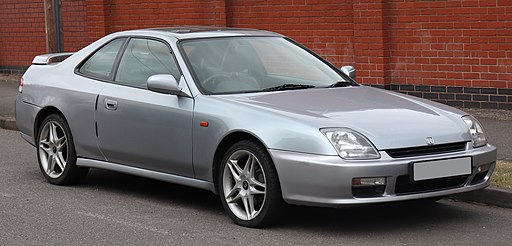
Honda Prelude as a Used Car – A Complete Guide for Enthusiasts and Buyers
The Honda Prelude occupies a special place in Honda’s history because it represents a period when Japanese manufacturers created sporty cars that combined advanced engineering, everyday usability, and long-term reliability. Unlike many performance cars that focused purely on speed or aggressive styling, the Prelude was designed as a sophisticated front-wheel-drive coupe that delivered an engaging driving experience while remaining comfortable enough for daily use. Today, as a used car, the Honda Prelude has become increasingly interesting to enthusiasts searching for an affordable classic with genuine character.
Buying a used Honda Prelude is very different from purchasing a modern vehicle. Most examples are now older cars, meaning condition, maintenance history, originality, and previous ownership are often more important than mileage alone. A well-preserved Prelude can be a rewarding ownership experience, offering sharp handling, excellent engines, distinctive styling, and Honda’s legendary engineering quality. A neglected example, however, may require significant investment to restore.
The Prelude was produced across five generations between 1978 and 2001, with each generation introducing new technology and improvements. It became famous for innovations such as four-wheel steering, high-revving VTEC engines, advanced suspension designs, and excellent chassis balance. Although it never reached the popularity of the Honda Civic or Integra, the Prelude developed a loyal following among drivers who appreciated precision and refinement.
This article explores the Honda Prelude as a used car, examining its history, generations, engines, driving experience, reliability, maintenance requirements, common problems, buying advice, and technical specifications. Whether you are searching for a classic weekend car, a reliable Japanese sports coupe, or simply a unique alternative to modern vehicles, the Prelude remains a fascinating choice.
The History of the Honda Prelude
The Honda Prelude was introduced in 1978 as Honda’s first dedicated sports coupe. It was developed during a period when Honda was expanding beyond small economy vehicles and demonstrating that it could build sophisticated performance-oriented cars. Based on Civic and Accord engineering principles, the Prelude combined compact dimensions with a more luxurious and sporty character.
From the beginning, Honda positioned the Prelude differently from traditional sports cars. It was not designed as a high-powered muscle machine or an aggressive track vehicle. Instead, it focused on precision, balance, and technological innovation. Honda engineers created a car that rewarded smooth driving and careful inputs rather than relying only on engine power.
The early Prelude models featured front-wheel drive, a low centre of gravity, and refined handling characteristics. This formula became the foundation for later generations, which introduced increasingly advanced technology and stronger performance.
The second and third generations helped establish the Prelude’s reputation among enthusiasts. Improved suspension systems, better engines, and sharper styling made the car a respected competitor against models such as the Toyota Celica, Nissan Silvia, Mazda MX-6, and Mitsubishi Eclipse.
The fourth and fifth generations represented the peak of Prelude development. They introduced advanced VTEC engines, sophisticated chassis engineering, and in some versions Honda’s innovative four-wheel-steering system. These models remain the most desirable among collectors and driving enthusiasts.
Why Buy a Used Honda Prelude?
A Unique Driving Experience
One of the biggest reasons to choose a Honda Prelude is the driving experience. Modern vehicles often prioritise comfort, technology, and efficiency, but the Prelude belongs to an era when manufacturers focused heavily on driver involvement. Its low seating position, balanced chassis, precise steering, and high-revving engines create a connection between driver and machine that is increasingly rare.
The Prelude is not simply fast in a straight line. Its greatest strength is balance. The front-wheel-drive layout is carefully engineered to provide predictable handling, making the car enjoyable on winding roads. Many owners appreciate that the Prelude feels sophisticated rather than aggressive.
Honda Engineering Quality
Honda has long been respected for producing reliable engines and durable mechanical components, and the Prelude benefits from this reputation. The naturally aspirated petrol engines are particularly admired because they combine smooth operation with impressive durability.
Many surviving examples have travelled high mileages while maintaining strong performance because Honda built these engines with careful attention to engineering detail. Regular maintenance remains essential, but a properly cared-for Prelude can continue providing an excellent driving experience for many years.
Classic Japanese Coupe Appeal
The Honda Prelude represents an era of Japanese automotive design that has gained increasing appreciation among collectors. During the 1980s and 1990s, Japanese manufacturers created many technically advanced coupes that combined reliability with innovation.
Today, clean examples of these cars are becoming harder to find. The Prelude’s combination of rarity, technology, and Honda heritage gives it strong appeal among enthusiasts who want something different from more common classics.
Honda Prelude Generations as Used Cars
First Generation Honda Prelude (1978–1982)
The first-generation Prelude introduced Honda’s vision of a compact luxury sports coupe. It featured elegant styling, a sophisticated interior, and Honda’s reliable four-cylinder engines. Although it was not a performance-focused vehicle by modern standards, it established the model’s reputation for refinement and innovation.
Today, first-generation Preludes are rare collector vehicles. Their value depends heavily on originality, rust condition, and restoration quality. Finding replacement parts can be more challenging compared with later generations.
Second Generation Honda Prelude (1982–1987)
The second-generation Prelude became more popular among enthusiasts because it offered improved handling, sharper styling, and more advanced engineering. It introduced features such as independent suspension and stronger engines, creating a more engaging driving experience.
Used examples are now uncommon, but well-preserved cars are appreciated by collectors. Rust prevention and mechanical condition are key considerations when evaluating one of these models.
Third Generation Honda Prelude (1987–1991)
The third-generation Honda Prelude is often considered one of the most important versions in the model’s history because it introduced a much sharper focus on handling performance. Honda engineers developed the chassis with an emphasis on low weight, excellent visibility, and balanced cornering ability. The design became more aerodynamic and modern, while the interior reflected Honda’s reputation for thoughtful ergonomics.
One of the most significant features of this generation was the introduction of Honda’s four-wheel-steering system on selected versions. This technology allowed the rear wheels to turn slightly in relation to the front wheels, improving agility at lower speeds and stability during faster cornering. At the time, it was an advanced engineering solution that demonstrated Honda’s willingness to experiment with new ideas.
As a used car, the third-generation Prelude is attractive because of its classic styling and excellent driving character. However, age is now the biggest challenge. Buyers should carefully inspect rust, suspension components, electrical systems, and the availability of replacement parts. A well-maintained example can be an enjoyable classic, but restoration projects require commitment.
Fourth Generation Honda Prelude (1991–1996)
The fourth-generation Prelude represented a major step forward in refinement and performance. It featured more sophisticated styling, improved chassis engineering, and some of Honda’s most impressive naturally aspirated engines. This generation is particularly popular among enthusiasts because it combines classic 1990s Japanese design with excellent reliability.
Many versions were equipped with Honda’s H-series engines, including VTEC variants that became famous for their ability to deliver strong performance at high engine speeds. The VTEC system transformed the driving experience by providing additional power and character as engine revs increased.
The interior was comfortable and well designed, making the Prelude suitable for daily driving as well as weekend enjoyment. Compared with many sports coupes of the same period, it offered excellent reliability and practicality.
When buying a fourth-generation Prelude today, originality is extremely important. Many examples have been modified by previous owners, and while some modifications can improve performance, poorly executed changes may reduce reliability and value. A factory-original car with complete maintenance history is usually the most desirable choice.
Fifth Generation Honda Prelude (1996–2001)
The fifth-generation Honda Prelude was the final version of the model and is generally considered the most advanced and refined. It featured improved styling, stronger chassis construction, and powerful VTEC engines in many markets. This generation represents the ultimate development of the original Prelude concept.
The handling remained one of its greatest strengths. The chassis provided excellent balance, and the car responded accurately to driver inputs. Although it was not a rear-wheel-drive sports car, Honda demonstrated that front-wheel drive could deliver an engaging and enjoyable experience when engineered correctly.
The fifth-generation Prelude is now highly sought after because of its rarity and reputation. Clean examples are becoming increasingly difficult to find, especially cars that have not been heavily modified or neglected.
Honda Prelude Engine Options
F-Series Engines
Many Honda Prelude models used F-series engines, which provided smooth performance and excellent reliability. These engines were designed to offer a balance between everyday usability and sporty character. They are not as famous as Honda’s VTEC performance engines, but they remain dependable choices.
Regular maintenance is essential, especially on older vehicles. Timing belt replacement, oil changes, cooling system checks, and proper servicing are important for maintaining reliability.
H-Series VTEC Engines
The H-series engines are among the most desirable Prelude powerplants. They are known for their high-revving nature, smooth operation, and strong performance. Honda’s VTEC technology allows these engines to provide excellent efficiency during normal driving while delivering a more aggressive character at higher engine speeds.
For enthusiasts, VTEC-equipped Preludes offer the most exciting driving experience. However, these engines should only be purchased with evidence of proper maintenance because neglect can become expensive.
Automatic and Manual Transmissions
Manual transmissions are generally preferred by enthusiasts because they provide a more engaging connection with the vehicle. Honda’s manual gearboxes are known for their precise feel and durability when maintained correctly.
Automatic versions can still be enjoyable, especially for daily driving, but buyers should inspect them carefully. Older automatic transmissions may develop wear-related issues if fluid changes have been neglected.
Driving Experience of the Honda Prelude
The Honda Prelude’s greatest strength has always been its driving character. Unlike many modern cars that isolate the driver from the mechanical experience, the Prelude provides direct feedback and a sense of involvement.
The low seating position creates a sporty atmosphere, while the carefully engineered suspension provides excellent balance. The steering communicates what is happening at the front wheels, allowing drivers to place the car accurately through corners.
The naturally aspirated engines encourage enthusiastic driving because they deliver power progressively and reward higher engine speeds. The experience is less about sudden acceleration and more about precision, smoothness, and involvement.
For everyday use, the Prelude remains comfortable enough for commuting and longer trips. The cabin is well designed, and the driving position is supportive. However, limited rear-seat space and lower ground clearance mean it is less practical than modern hatchbacks or SUVs.
Interior and Practicality
The Honda Prelude was never designed to be a family car, but its interior is comfortable and thoughtfully designed. The front seats provide excellent support, and the dashboard layout reflects Honda’s focus on driver usability.
The rear seats are small and best suited for occasional passengers. Most owners treat the Prelude as a two-plus-two coupe rather than a practical family vehicle.
The boot space is reasonable for a sports coupe and sufficient for everyday shopping, luggage, or weekend trips. However, buyers should understand that practicality is limited compared with modern hatchbacks and SUVs.
Common Problems When Buying a Used Honda Prelude
Rust and Body Condition
Rust is one of the biggest concerns when purchasing an older Honda Prelude. Depending on climate and previous care, corrosion may appear around wheel arches, suspension mounting points, underbody areas, and door sections.
A thorough inspection is essential. Mechanical repairs are usually manageable, but structural rust can become extremely expensive to repair.
Timing Belt Maintenance
Many Prelude engines use timing belts rather than timing chains. Buyers should confirm when the timing belt was last replaced because failure can cause serious engine damage.
A complete service history showing timing belt replacement is a major advantage when evaluating a used example.
Suspension Wear
Because the Prelude is often driven enthusiastically, suspension components may experience significant wear. Bushes, shock absorbers, ball joints, and other components should be inspected carefully.
A worn suspension can affect handling quality, which is one of the main reasons people choose the Prelude in the first place.
Modified Examples
Many Honda Preludes have been modified over the years. Some modifications are professionally completed and may improve performance, but poorly executed changes can create reliability problems.
Original examples are increasingly valuable because they represent Honda’s original engineering vision. Buyers should carefully evaluate modified cars and consider whether changes have been professionally documented.
Honda Prelude Compared with Its Main Competitors
Honda Prelude vs Toyota Celica
The Toyota Celica was one of the Honda Prelude’s most direct competitors during its production years. Both vehicles represented Japanese sports coupes that combined reliability, everyday usability, and affordable performance. The Celica offered attractive styling and a wide range of engines, while the Prelude focused more heavily on engineering precision and driving refinement.
The Honda generally had the advantage in chassis balance and engine sophistication, especially with VTEC-equipped models. Toyota’s Celica often appealed to buyers looking for sporty styling and practicality, but the Prelude developed a stronger reputation among enthusiasts who valued handling and advanced technology.
Honda Prelude vs Honda Integra
The Honda Integra is another important comparison because it shared Honda’s performance philosophy. Both cars offered high-revving engines, excellent handling, and strong reliability. However, their personalities were different.
The Integra was lighter, more focused, and often considered the more aggressive driver’s car. The Prelude provided greater refinement, comfort, and a more sophisticated grand-touring character. Buyers seeking a relaxed but engaging coupe often preferred the Prelude.
Honda Prelude vs Mazda MX-6
The Mazda MX-6 competed in a similar market by offering a stylish Japanese coupe experience. It provided comfortable cruising ability and attractive design.
The Prelude usually had an advantage in long-term reliability and enthusiast appeal. Honda’s engine technology, especially VTEC versions, created a stronger performance identity and helped the Prelude maintain a dedicated following.
Honda Prelude vs Mitsubishi Eclipse
The Mitsubishi Eclipse became famous through its sporty image and strong aftermarket following. Turbocharged versions offered impressive straight-line performance, especially among modified-car enthusiasts.
The Honda Prelude followed a different philosophy. Instead of relying on turbocharging, it used naturally aspirated engines with excellent throttle response and high-revving performance. Many drivers appreciate the smooth, predictable character of the Prelude.
Best Honda Prelude Version to Buy Used
Choosing the best Honda Prelude depends on whether the buyer wants a collectible classic, an enjoyable weekend car, or a reliable enthusiast vehicle. The fourth and fifth generations are generally considered the most desirable because they combine modern enough engineering with classic Japanese coupe character.
The fifth-generation Prelude is often the top choice for enthusiasts because it represents the final evolution of the model. It offers advanced chassis design, strong engines, and improved refinement compared with earlier versions.
The fourth-generation Prelude is also highly desirable because of its 1990s styling, VTEC engine options, and excellent balance. Many enthusiasts consider it one of Honda’s most memorable coupes.
Regardless of generation, condition matters more than specification alone. A clean, original Prelude with complete maintenance history is usually a better purchase than a more powerful example that has been neglected or heavily modified.
Maintenance and Ownership Costs
Owning a Honda Prelude requires a different mindset compared with owning a newer everyday vehicle. While Honda engineering provides excellent reliability, these cars are now older, and age-related maintenance must be expected.
Routine maintenance includes oil changes, brake servicing, tyre replacement, suspension inspections, and timing belt replacement where required. Keeping the vehicle properly maintained is essential for preserving both reliability and value.
Parts availability varies depending on generation and location. Common mechanical components are generally obtainable, but rare body parts, interior pieces, and specialist items may require searching through enthusiast communities or specialist suppliers.
Insurance costs can vary significantly depending on driver profile, location, and vehicle classification. Because the Prelude is now considered a classic or enthusiast vehicle in many markets, specialist insurance may sometimes be available.
Who Should Buy a Used Honda Prelude?
The Honda Prelude is best suited to drivers who appreciate classic Japanese engineering and want a vehicle with personality. It is not the ideal choice for someone searching purely for maximum practicality, modern technology, or lowest possible running costs.
Enthusiasts will appreciate its precise handling, high-revving engines, and unique character. Collectors may value its rarity and historical importance. Drivers looking for an interesting weekend car will enjoy the connection and involvement it provides.
The Prelude can also work as a daily driver if the owner accepts its limitations. Front seats are comfortable, reliability is strong, and fuel consumption can be reasonable when driven normally. However, limited rear space and the age of surviving examples should be considered.
Advantages of Buying a Used Honda Prelude
- Excellent driving experience and handling balance.
- Reliable Honda engines.
- Unique classic Japanese coupe design.
- Advanced technology for its era.
- Strong enthusiast following.
- High-revving VTEC engines available.
- Potential future collector value.
- Comfortable and refined compared with many sports cars.
Disadvantages of Buying a Used Honda Prelude
- Most examples are now old vehicles.
- Rust can be a serious concern.
- Limited rear-seat practicality.
- Replacement parts may be difficult to find.
- Many cars have been modified or heavily used.
- Fuel economy is not comparable with modern cars.
Honda Prelude Buying Checklist
- Check the complete service history.
- Confirm timing belt replacement where applicable.
- Inspect the body carefully for rust.
- Check suspension condition and handling behaviour.
- Look for signs of accident repairs.
- Inspect engine oil condition and maintenance records.
- Test gearbox operation carefully.
- Avoid poorly modified examples.
- Check availability of replacement parts.
- Arrange a specialist inspection if possible.
Technical Specifications Summary
| Specification | Honda Prelude (Typical Models) |
|---|---|
| Vehicle type | Sports coupe / grand touring coupe |
| Production years | 1978–2001 |
| Number of generations | Five generations |
| Body style | Two-door coupe |
| Seating capacity | Four passengers (2+2 layout) |
| Drive layout | Front-wheel drive |
| Petrol engines | 1.8, 2.0, 2.2, 2.3 litre four-cylinder engines (market dependent) |
| Performance engines | H-series VTEC engines |
| Transmission options | Five-speed manual, four-speed automatic (varies by generation) |
| Special technology | Four-wheel steering available on selected generations |
| Approximate length | Approximately 4.2–4.5 metres depending on generation |
| Kerb weight | Approximately 1,150–1,350 kg depending on version |
| Main strengths | Handling, reliability, engine character, classic design |
| Main weaknesses | Age-related repairs, rust risk, limited practicality |
Final Verdict: Is the Honda Prelude a Good Used Car?
The Honda Prelude is one of the most interesting used Japanese coupes available to enthusiasts today. It represents a time when manufacturers invested heavily in engineering innovation, creating cars that combined reliability with genuine driver involvement.
It is not the most practical or economical choice in the modern used-car market, but it offers something increasingly rare: character. The precise handling, smooth engines, advanced technology, and distinctive design make the Prelude memorable in a way that many newer vehicles are not.
The key to buying a successful used Prelude is patience. Finding a clean, original, well-maintained example is far more important than chasing the highest specification or lowest price. A carefully selected car can provide years of enjoyment while potentially increasing in value as well-preserved examples become harder to find.
For drivers who appreciate classic Japanese engineering and want a coupe with personality, the Honda Prelude remains a remarkable choice. It is a vehicle that demonstrates Honda’s ability to create cars that are not only reliable but also genuinely rewarding to drive.
