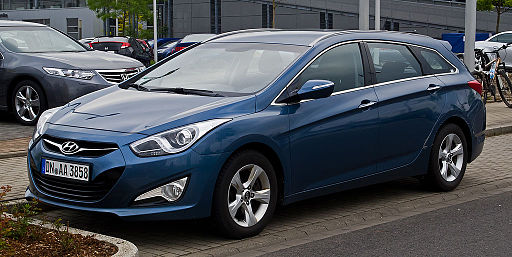
Hyundai i40 as a Used Car – Is Hyundai’s Forgotten Family Car a Hidden Gem?
The Hyundai i40 occupies a rather unusual place in the used car market. Unlike the Hyundai i30, which became one of Europe’s most successful compact hatchbacks, or the Hyundai Tucson, which established itself as one of the continent’s favorite SUVs, the i40 never achieved widespread popularity despite possessing many qualities buyers actively seek. It was designed specifically for European customers, built to compete directly with well-established family cars such as the Volkswagen Passat, Ford Mondeo, Opel Insignia, Mazda6, Honda Accord, Toyota Avensis, Peugeot 508, and Škoda Superb. While these rivals enjoyed stronger brand recognition and larger market shares, the Hyundai i40 quietly built a reputation for comfort, reliability, generous equipment, and excellent value for money.
Today, that modest commercial success has become an advantage for used car buyers. The Hyundai i40 often costs considerably less than comparable European competitors of similar age and specification while offering impressive comfort, practical interiors, economical engines, and a solid reputation for long-term durability. Many examples have been owned by careful private users or company fleets that followed strict maintenance schedules, making it possible to find well-preserved vehicles with complete service histories at attractive prices.
Nevertheless, purchasing any used family car requires careful consideration. The Hyundai i40 is a sophisticated modern automobile equipped with advanced diesel engines, numerous electronic comfort features, safety systems, and automatic transmissions depending on specification. Maintenance quality, engine choice, transmission condition, mileage, and previous ownership history are all critical factors that determine whether a particular vehicle will continue providing dependable transportation or become an expensive repair project. This comprehensive guide examines every important aspect of buying a used Hyundai i40, including its history, design, driving experience, reliability, common problems, ownership costs, maintenance requirements, and technical specifications.
The History of the Hyundai i40
The Hyundai i40 was introduced in 2011 as Hyundai’s dedicated entry into the highly competitive European D-segment. Unlike many earlier Hyundai models that were adapted from global platforms, the i40 was developed primarily with European drivers in mind. The vehicle was designed and engineered at Hyundai’s European research and development center in Germany, where engineers focused on creating a family car capable of matching the refinement, comfort, and driving characteristics expected by European customers.
Initially available as an estate (Tourer), the sedan version followed shortly afterward. Hyundai clearly understood that European buyers appreciated spacious family vehicles capable of handling business travel, long-distance touring, and everyday commuting with equal competence. Consequently, the i40 emphasized interior space, luggage capacity, ride comfort, and efficient engines rather than outright performance.
Throughout its production life, the model received several updates that improved equipment levels, infotainment technology, engine efficiency, safety systems, and exterior styling. A significant facelift introduced refreshed headlights, revised bumpers, updated engines, and improved interior materials, helping the i40 remain competitive until production ended in 2019.
Exterior Design – Elegant Rather Than Aggressive
Even today, the Hyundai i40 remains an attractive family car. Its styling reflects Hyundai’s “Fluidic Sculpture” design philosophy, characterized by flowing body lines, a prominent hexagonal grille, carefully sculpted side panels, and an elegant roofline. Unlike some competitors that relied on conservative boxy shapes, the i40 introduced a more dynamic appearance while retaining the dignity expected of a mid-size family sedan or estate.
The front end features distinctive headlights that blend smoothly into the front fenders, while the long wheelbase and balanced proportions create an impression of refinement without appearing unnecessarily sporty. The estate version is particularly successful from a design perspective because its extended roofline integrates naturally with the rest of the body, avoiding the awkward appearance that sometimes affects practical family wagons.
Build quality is generally excellent. Hyundai invested heavily in manufacturing improvements during this period, and the i40 benefits from tight panel gaps, durable paint finishes, and effective corrosion protection. Buyers should still inspect older vehicles carefully for accident repairs, rust underneath the chassis, and damage around wheel arches, particularly in regions where winter road salt is common.
Interior Design and Cabin Quality
Inside, the Hyundai i40 presents one of its strongest arguments. The cabin immediately demonstrates Hyundai’s determination to compete with established European manufacturers. The dashboard design is modern, ergonomically arranged, and logically organized, allowing drivers to become familiar with the controls quickly. Soft-touch materials cover many frequently touched surfaces, while higher trim levels introduce leather upholstery, panoramic sunroofs, electrically adjustable seats, premium audio systems, navigation, heated steering wheels, ventilated front seats, and dual-zone climate control.
Front-seat comfort is excellent, especially during long motorway journeys. The seats provide generous support without feeling overly firm, and the wide adjustment range allows drivers of various sizes to find a comfortable position. Visibility is also good thanks to relatively slim roof pillars and large mirrors, although parking sensors and reversing cameras make maneuvering even easier on better-equipped examples.
Rear passengers benefit from generous legroom and headroom, making the i40 suitable for transporting adults over long distances. Families will appreciate the spacious rear compartment and wide-opening doors, while business users often praise the refined environment during extended journeys. The estate version further enhances practicality by offering an exceptionally large luggage compartment capable of accommodating everything from holiday luggage to sports equipment and bicycles.
Driving Experience
The Hyundai i40 was designed primarily for comfort, and this philosophy becomes immediately apparent behind the wheel. The suspension absorbs road imperfections effectively, producing a composed and refined ride quality that rivals many premium vehicles. Steering is light during city driving but gains reassuring weight at motorway speeds, contributing to relaxed long-distance travel.
Although the i40 is not intended as a sports sedan, handling remains secure and predictable. Body roll is well controlled, grip levels are respectable, and the vehicle inspires confidence during adverse weather conditions. The chassis favors stability over excitement, making the car particularly appealing to families and commuters who value comfort above aggressive cornering performance.
Noise insulation also deserves praise. Wind noise remains modest even at motorway speeds, while road and engine noise are generally well suppressed. Diesel engines inevitably produce more mechanical sound than petrol alternatives, particularly during cold starts, but they settle into relatively quiet operation once warmed.
Engine Choices
1.6 GDi Petrol
The naturally aspirated 1.6-litre petrol engine provides straightforward engineering and generally excellent reliability. It is best suited to drivers covering relatively modest annual mileage because its performance is adequate rather than exciting, particularly when the vehicle is fully loaded. Maintenance costs are typically lower than diesel alternatives due to its mechanical simplicity.
2.0 GDi Petrol
Available in selected markets, the larger petrol engine offers smoother acceleration and stronger motorway performance. Although fuel consumption is naturally higher, buyers seeking refinement often appreciate its quiet operation and relaxed cruising characteristics.
1.7 CRDi Diesel
The 1.7-litre CRDi diesel became by far the most popular engine in the European market. It combines excellent fuel economy with strong low-end torque, making the i40 particularly suitable for motorway commuting and long-distance travel. Properly maintained examples regularly achieve impressive mileages while maintaining dependable performance.
Power outputs varied depending on production year, with later versions becoming both more efficient and more powerful. Buyers should verify that servicing has been completed according to manufacturer recommendations, particularly regarding oil quality and emissions-system maintenance.
Transmission Options
The Hyundai i40 was available with both manual and automatic transmissions. The six-speed manual gearbox is generally regarded as reliable and offers smooth, precise gear changes. Automatic transmissions provide excellent comfort, especially during urban driving, but buyers should confirm that transmission servicing has been performed where recommended. During a test drive, shifts should occur smoothly without hesitation or unusual noises.
Reliability and Long-Term Ownership
One of the Hyundai i40’s greatest strengths is its reputation for reliability. Hyundai had already established itself as a manufacturer capable of producing durable vehicles, and the i40 continued this tradition. Many owners report years of trouble-free operation with little more than routine servicing and normal wear-and-tear replacements.
The vehicle’s relatively conservative engineering contributes significantly to its dependability. Mechanical components are generally robust, while electronic systems have proven more reliable than many contemporary competitors. Routine maintenance remains the key factor influencing longevity, particularly for diesel engines equipped with turbochargers and particulate filters.
Interior durability is also commendable. Seats, dashboard materials, switches, and trim panels generally resist wear well even after years of regular use. Estate versions often served as family or business vehicles, yet many examples continue to present remarkably well inside.
Common Problems to Watch For
Diesel Particulate Filter
Like all modern diesel vehicles, the Hyundai i40 can experience diesel particulate filter issues if driven almost exclusively on short journeys. Buyers should favor examples that regularly completed motorway driving, allowing automatic regeneration to occur naturally.
Turbocharger Maintenance
Turbocharged diesel engines require regular oil changes using manufacturer-approved lubricants. Delayed servicing increases the risk of turbocharger wear, making service history particularly important.
Suspension Wear
High-mileage vehicles may require replacement of suspension bushes, anti-roll bar links, or shock absorbers. Fortunately, these repairs are generally affordable and widely understood by independent workshops.
Clutch and Dual-Mass Flywheel
Manual diesel models may eventually require clutch and flywheel replacement after extensive mileage. Buyers should watch for slipping, vibration, or unusual noises during acceleration and gear changes.
Electrical Accessories
Minor electrical issues occasionally affect parking sensors, infotainment systems, electric seat adjustments, or climate control controls. Serious electrical failures remain uncommon but all electronic equipment should be tested carefully before purchase.
Fuel Economy and Running Costs
One reason many buyers choose the Hyundai i40 is its economical ownership. Diesel models deliver impressive fuel efficiency, especially during motorway driving, making them particularly attractive to high-mileage users. Petrol engines naturally consume more fuel but offer lower maintenance complexity and suit drivers covering shorter annual distances.
Insurance premiums generally remain competitive because the i40 lacks the theft risk and repair costs associated with many premium executive cars. Spare parts are readily available, servicing is straightforward, and independent garages are familiar with Hyundai’s mechanical systems.
Depreciation also benefits used buyers. Since the largest decline in value has already occurred, many owners experience relatively modest additional depreciation during several years of ownership, making the i40 an excellent long-term value proposition.
Estate vs Sedan – Which Version Should You Buy?
Choosing between the sedan and estate largely depends on personal requirements. The sedan offers a slightly more elegant appearance and may appeal to business users who prefer traditional styling. It remains practical enough for everyday family life while maintaining refined proportions.
The estate version, however, is arguably the stronger choice for most buyers. Its enormous luggage compartment, wide tailgate opening, and flexible cargo area significantly increase practicality without sacrificing comfort or refinement. Families, pet owners, cyclists, and anyone requiring additional storage capacity will likely appreciate the estate’s versatility.
What to Check Before Buying
Before purchasing any Hyundai i40, carefully examine the service history. Look for evidence of regular oil changes, coolant replacement, brake servicing, transmission maintenance, and any major repairs. Timing-chain-equipped engines still benefit from regular maintenance despite eliminating scheduled timing belt replacements.
Inspect the body thoroughly for accident repairs, corrosion, and uneven paint. During a comprehensive test drive, verify smooth engine operation, stable temperatures, quiet suspension, accurate steering, and proper transmission function. Every electronic feature should also be tested, including navigation, heated seats, climate control, electric windows, parking sensors, reversing camera, cruise control, and infotainment systems.
Advantages of Buying a Used Hyundai i40
- Excellent value for money.
- Comfortable long-distance cruiser.
- Reliable mechanical components.
- Generous equipment levels.
- Spacious interior.
- Large luggage capacity, especially in the estate.
- Economical diesel engines.
- Affordable servicing and maintenance.
- Strong safety credentials.
- Good availability of spare parts.
Disadvantages of Buying a Used Hyundai i40
- Diesel particulate filters require appropriate driving conditions.
- Petrol engines are relatively uncommon in some markets.
- Automatic transmission servicing should not be neglected.
- Some interior plastics are less luxurious than premium rivals.
- Resale demand is lower than for more established competitors.
Technical Specifications Summary
| Specification | Hyundai i40 |
|---|---|
| Production Years | 2011–2019 |
| Vehicle Class | Mid-size family car (D-segment) |
| Body Styles | 4-door sedan, 5-door estate (Tourer) |
| Seating Capacity | 5 passengers |
| Drive Layout | Front-wheel drive |
| Transmission Options | 6-speed manual, 6-speed automatic |
| Petrol Engines | 1.6 GDi, 2.0 GDi |
| Diesel Engines | 1.7 CRDi |
| Power Output | Approximately 115–141 hp depending on engine version |
| Fuel Type | Petrol or diesel |
| Length | Approximately 4.74 m |
| Width | Approximately 1.82 m |
| Height | Approximately 1.47 m |
| Wheelbase | Approximately 2.77 m |
| Boot Capacity | Approximately 525 litres (sedan), 553 litres (estate) |
| Main Strength | Comfort, reliability, practicality, and outstanding value |
| Ideal Buyer | Families, commuters, business users, and long-distance drivers |
Final Verdict – Is the Hyundai i40 Worth Buying as a Used Car?
The Hyundai i40 remains one of the most underrated family cars available on the used market. It may never have achieved the popularity of the Volkswagen Passat or Ford Mondeo, but it successfully delivers nearly everything buyers expect from a modern mid-size vehicle. Comfortable ride quality, dependable engineering, spacious accommodation, practical body styles, economical engines, generous equipment, and competitive running costs combine to create an ownership experience that frequently exceeds expectations.
Its reputation for reliability makes it particularly attractive to buyers planning long-term ownership. Choosing an example with a comprehensive service history, careful previous ownership, and documented maintenance dramatically increases the likelihood of many additional years of dependable motoring. Diesel models reward motorway drivers with exceptional fuel economy, while petrol variants provide simpler maintenance for lower annual mileages.
For anyone searching for a practical, refined, comfortable, and affordable used family car without paying premium-brand prices, the Hyundai i40 deserves serious consideration. Although often overlooked in favor of more famous rivals, it represents one of the hidden gems of the used car market, offering outstanding value for money and proving that thoughtful engineering, careful manufacturing, and sensible design remain more important than an expensive badge on the front grille.
