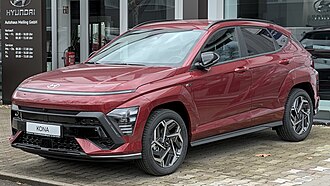
Hyundai Kona as a Used Car: A Complete Buyer’s Guide
The Hyundai Kona has become one of the most recognizable compact SUVs in the European and global automotive markets. Since its introduction, it has attracted buyers with its distinctive design, practical dimensions, affordable running costs, and wide choice of engines. Unlike many competitors that focus only on practicality, the Kona combines SUV styling with a more dynamic driving experience, making it appealing to younger drivers, small families, and anyone looking for a versatile everyday vehicle.
As a used car, the Hyundai Kona offers an especially attractive package because it is available with several powertrain options, including efficient petrol engines, hybrid technology, and a fully electric version. This variety allows used-car buyers to choose a model that best matches their driving habits and budget. Whether the priority is low fuel consumption, affordable maintenance, or zero-emission driving, there is a Kona version designed to meet those needs.
Buying a used Hyundai Kona can be a smart decision, but like any vehicle, it is important to understand its strengths, weaknesses, reliability record, and ownership costs before making a purchase. This guide explores everything potential buyers should know about the Hyundai Kona as a used car, from driving experience and practicality to maintenance requirements and technical specifications.
Hyundai Kona Overview: A Compact SUV with Broad Appeal
The Hyundai Kona was introduced as a compact crossover SUV positioned below the larger Hyundai Tucson. Its purpose was to offer the raised driving position and practicality of an SUV while maintaining the size and affordability of a small hatchback. This formula quickly became popular, especially in markets where buyers wanted a vehicle that was easy to drive in cities but still capable of handling longer journeys.
One of the Kona’s defining characteristics is its bold styling. The first-generation model featured a distinctive front end with split lighting, muscular wheel arches, and a sporty appearance that helped it stand apart from more conservative competitors. The second-generation Kona introduced a more modern and refined design, with cleaner lines, improved interior space, and updated technology.
For used-car buyers, the Hyundai Kona represents a flexible choice because it covers a wide range of needs. A driver looking for a simple commuter car can choose an efficient petrol model, while someone wanting lower operating costs may prefer the hybrid or electric versions. This broad selection makes the Kona suitable for many different types of owners.
Why Consider a Used Hyundai Kona?
Efficient Engines and Wide Powertrain Choice
One of the biggest advantages of the Hyundai Kona as a used car is the variety of engines available. Depending on the model year and market, buyers can choose from turbocharged petrol engines, naturally aspirated petrol options, hybrid systems, and electric drivetrains.
The petrol versions are popular because they provide a good balance between performance and affordability. Smaller turbocharged engines offer enough power for everyday driving while maintaining reasonable fuel consumption. They are particularly well suited to urban environments where compact dimensions and responsive handling are valuable.
The hybrid version adds another level of efficiency by combining a petrol engine with an electric motor. This setup is especially attractive for drivers who spend a lot of time in city traffic, where regenerative braking and electric assistance can significantly reduce fuel consumption. The hybrid Kona provides many benefits of electrification without requiring charging infrastructure.
The fully electric Hyundai Kona Electric is one of the most interesting versions on the used market. With a large battery, strong range, and low running costs, it offers a practical introduction to electric driving. For buyers with access to home charging, a used Kona Electric can be one of the most economical compact SUVs to own.
Comfortable Driving and Easy Everyday Use
The Hyundai Kona is designed primarily as a practical everyday vehicle rather than a dedicated performance SUV. Its compact size makes it easy to maneuver in crowded cities, while the elevated seating position provides good visibility and a sense of confidence behind the wheel.
The driving experience is generally comfortable and predictable. The suspension is tuned to handle a wide range of road conditions, providing a good compromise between comfort and stability. While sportier versions offer sharper handling, most Kona models focus on relaxed and efficient transportation.
The electric version provides a particularly smooth driving experience thanks to instant torque delivery and quiet operation. Like most EVs, the Kona Electric feels quick in normal driving because power is available immediately when the accelerator is pressed.
For used-car buyers, this combination of comfort, compact size, and efficiency makes the Kona an excellent choice for commuting, family use, and occasional longer trips.
Interior Quality and Practicality
Cabin Design and Technology
The interior of the Hyundai Kona has improved significantly over its generations. Earlier models focused on functionality, while newer versions provide a more modern cabin with higher-quality materials, larger displays, and improved connectivity features.
The dashboard layout is straightforward and user-friendly. Hyundai generally avoids overly complicated controls, which makes everyday operation simple. Features such as smartphone integration, digital displays, navigation systems, and advanced driver assistance technology are commonly available depending on trim level.
Used buyers should pay attention to equipment differences between versions. Higher trim levels may include features such as heated seats, premium audio systems, adaptive cruise control, advanced parking assistance, and additional safety technology. These features can make a significant difference in long-term ownership satisfaction.
Although the Kona is a compact SUV, it provides a practical interior for its size. Front passengers have good space, and the driving position is comfortable. Rear passenger room is acceptable, although taller passengers may find larger SUVs more suitable for frequent long-distance travel.
Cargo Space and Everyday Practicality
The Kona’s compact dimensions are one of its greatest advantages. It is small enough for urban environments but offers more practicality than a traditional hatchback. The rear seats can fold down to increase cargo capacity, making it suitable for shopping, weekend trips, and everyday family use.
The electric version has slightly different packaging due to the battery placement, but it still provides useful practicality. Newer generations improve interior space further by increasing wheelbase length and optimizing cabin design.
Compared with larger SUVs, the Kona is easier to park, cheaper to run, and often more affordable to insure. For buyers who do not need a large vehicle, it offers a strong balance between practicality and efficiency.
Reliability and Ownership Costs
Common Reliability Considerations
Hyundai vehicles have developed a reputation for offering strong value and long warranty coverage in many markets. The Kona benefits from Hyundai’s focus on durability, although buyers should still inspect used examples carefully.
Petrol versions are generally straightforward to maintain, but buyers should check service records, especially for turbocharged engines. Regular oil changes and proper maintenance are important for long-term reliability.
Hybrid versions require additional attention to the condition of the hybrid system, although Hyundai’s hybrid technology has proven reliable in normal use. A professional inspection can confirm that the battery system and related components are operating correctly.
The Kona Electric requires attention to battery health and charging performance. Electric vehicles usually have fewer mechanical components, but battery condition is essential when buying used. Buyers should request information about battery capacity, charging history, and any previous software updates or recalls.
Affordable Maintenance and Running Costs
One of the strongest reasons to choose a used Hyundai Kona is its reasonable ownership cost. Replacement parts are generally widely available, and Hyundai’s service network is extensive in many countries.
Petrol models offer predictable maintenance expenses, while hybrid and electric versions can reduce fuel costs significantly. The Kona Electric is particularly attractive for drivers who can charge at home because electricity costs are usually much lower than petrol expenses.
Electric versions also benefit from reduced mechanical complexity. There is no traditional engine oil, exhaust system, or conventional transmission, meaning fewer components require regular servicing.
Insurance costs are typically reasonable compared with larger SUVs, making the Kona appealing for buyers who want SUV practicality without high ownership expenses.
What to Check Before Buying a Used Hyundai Kona
Before purchasing a used Hyundai Kona, buyers should carefully review the vehicle’s history and condition. A complete service record is one of the most important indicators of proper maintenance. Regular servicing helps ensure that the engine, transmission, hybrid system, or electric components remain reliable.
For petrol models, inspect the engine for unusual noises, uneven operation, or signs of poor maintenance. Check that the transmission operates smoothly, especially on models equipped with dual-clutch gearboxes.
For hybrid and electric versions, battery health should be a priority. A diagnostic check can provide information about battery condition and identify potential problems. Buyers should also confirm that all charging equipment works correctly on Kona Electric models.
A test drive should include different driving conditions. Pay attention to suspension noises, steering response, braking performance, and electronic systems. Modern vehicles contain many sensors and comfort features, so checking that everything functions correctly is important.
The condition of tires and brakes should also be considered, as these items can represent significant expenses after purchase. A well-maintained Kona with good service history is usually a safer investment than a cheaper example with unknown background.
Hyundai Kona Used Car Market Value
The Hyundai Kona has strong appeal in the used market because it fits several popular trends: compact SUVs, electrification, and affordable ownership. Used examples are often available at competitive prices compared with similar vehicles from premium brands.
The best-value models depend on buyer priorities. Petrol versions are usually the most affordable entry point, while hybrid models appeal to drivers seeking efficiency without charging requirements. Kona Electric models may have a higher purchase price but can deliver substantial savings over time through reduced energy and maintenance costs.
Buyers should consider the total ownership picture rather than only the purchase price. A slightly more expensive Kona with lower mileage, better equipment, and a complete history may provide better value over several years.
Final Verdict: Is the Hyundai Kona a Good Used Car?
The Hyundai Kona is one of the most versatile compact SUVs available on the used market. Its combination of attractive design, practical size, efficient engines, and modern technology makes it suitable for a wide variety of drivers.
Its biggest strengths are its affordability, reliability, choice of powertrains, and low operating costs. The availability of hybrid and electric versions gives buyers more flexibility than many competitors, allowing them to choose the technology that best matches their lifestyle.
The main limitations are its smaller rear-seat space compared with larger SUVs and the fact that some early models have less advanced interior technology. However, these drawbacks are relatively minor considering the Kona’s overall value.
For buyers searching for a practical, efficient, and dependable used SUV, the Hyundai Kona is a strong candidate. A carefully selected example can provide years of comfortable and economical driving while offering many of the benefits associated with larger vehicles.
Hyundai Kona Technical Specifications
| Specification | Hyundai Kona (Typical Used Models) |
|---|---|
| Vehicle type | Compact crossover SUV |
| Production years | 2017–present |
| Body style | 5-door SUV |
| Seating capacity | 5 passengers |
| Engine options | Petrol, hybrid, fully electric |
| Petrol engine options | Approximately 1.0L, 1.6L turbocharged engines (market dependent) |
| Hybrid system | Petrol engine with electric motor assistance |
| Electric battery options | Approximately 39.2 kWh and 64 kWh (first generation EV) |
| Drive options | Front-wheel drive or all-wheel drive (version dependent) |
| Maximum power output | Up to approximately 160 kW (Kona Electric, version dependent) |
| Maximum torque | Up to approximately 395 Nm (Kona Electric) |
| Electric driving range | Up to approximately 480 km WLTP (newer versions, battery dependent) |
| Transmission options | Manual, automatic, dual-clutch automatic, single-speed EV transmission |
| Charging system | AC and DC fast charging (electric versions) |
| DC charging capability | Up to approximately 100 kW (battery/version dependent) |
| Length | Approximately 4,200–4,385 mm (generation dependent) |
| Width | Approximately 1,800–1,825 mm |
| Wheelbase | Approximately 2,600–2,660 mm |
| Cargo capacity | Approximately 330–460 litres (version dependent) |
| Suspension | Independent front suspension with rear suspension variation by version |
| Safety systems | Hyundai SmartSense driver assistance features |
| Main competitors | Volkswagen T-Roc, Nissan Juke, Toyota C-HR, Kia Niro, Peugeot 2008 |
_DSC_8250.jpg)