Kawasaki ZR-7: The Complete Guide to Kawasaki’s Versatile Four-Cylinder Roadster
The Development of the Kawasaki ZR-7
The Kawasaki ZR-7 was introduced in 1999 as a replacement for earlier middleweight roadsters while drawing inspiration from the company’s successful Zephyr series. Kawasaki recognized that many riders wanted a motorcycle with classic styling, dependable engineering, and modern reliability rather than highly specialized supersport machines. The ZR-7 was therefore developed around an existing air-cooled inline-four engine that had already demonstrated exceptional durability in previous Kawasaki models. Rather than creating an entirely new platform, Kawasaki refined proven mechanical components to maximize reliability and reduce ownership costs.
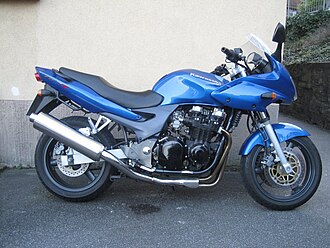
The motorcycle was available in both standard naked form and the semi-faired ZR-7S variant. While both versions shared identical mechanical foundations, the ZR-7S added a front fairing that improved wind protection during highway travel, making it particularly attractive for riders interested in longer-distance touring. This flexibility allowed buyers to choose between minimalist styling and enhanced comfort without sacrificing the dependable character that defined the motorcycle.
Design Philosophy
Classic Styling with Modern Functionality
One of the defining characteristics of the Kawasaki ZR-7 is its timeless appearance. Unlike many motorcycles that closely follow contemporary styling trends, the ZR-7 embraces a classic standard motorcycle design with clean lines, a sculpted fuel tank, exposed engine, conventional round headlight, and straightforward bodywork. This restrained approach gives the motorcycle an appearance that has aged remarkably well. Even today, the ZR-7 looks purposeful rather than outdated because its styling emphasizes function over fashion.
The exposed inline-four engine serves as both the motorcycle’s mechanical heart and a central visual feature. Rather than hiding engineering beneath extensive plastic fairings, Kawasaki allowed the engine, frame, and suspension components to contribute naturally to the motorcycle’s appearance. This design philosophy appeals to riders who appreciate mechanical honesty and traditional motorcycle aesthetics.
Comfortable Ergonomics
The riding position reflects the ZR-7’s all-purpose mission. Wide handlebars provide excellent leverage during low-speed maneuvers while maintaining a relaxed posture for longer journeys. The seat is generously padded and positioned at a height suitable for a wide variety of riders, while the footpegs strike an effective compromise between sporty control and touring comfort. This neutral riding triangle minimizes fatigue and contributes significantly to the motorcycle’s versatility.
Unlike aggressive supersport motorcycles that place considerable weight on the rider’s wrists, the ZR-7 encourages a naturally upright seating position. Riders benefit from excellent visibility in traffic, reduced physical strain, and greater comfort during extended journeys. These qualities have helped establish the motorcycle as an excellent commuter as well as a capable touring machine.
The Engine
Powering the Kawasaki ZR-7 is a 738cc air-cooled, four-stroke, DOHC inline-four engine. This engine traces its origins to earlier Kawasaki models and benefits from decades of refinement before appearing in the ZR-7. Rather than emphasizing maximum horsepower, Kawasaki tuned the engine to deliver smooth torque, dependable operation, and flexible performance suitable for everyday riding. The result is an engine that feels refined, predictable, and remarkably durable.
The inline-four configuration provides exceptionally smooth power delivery compared with many twin-cylinder alternatives. Engine vibration remains minimal throughout the rev range, making highway cruising especially comfortable. Riders appreciate the engine’s willingness to accelerate cleanly from low engine speeds while still producing satisfying performance when revved enthusiastically. This flexibility allows the motorcycle to adapt effortlessly to urban commuting, country roads, and long-distance touring.
Performance Characteristics
Although the ZR-7 does not compete directly with high-performance sport motorcycles, its real-world performance remains impressive. The engine delivers broad, usable torque that makes overtaking slower traffic effortless while maintaining relaxed cruising characteristics on highways. Instead of requiring constant gear changes to remain within a narrow powerband, the ZR-7 accelerates confidently across a wide range of engine speeds, making riding both enjoyable and unintimidating.
The six-speed transmission complements the engine well, offering smooth gear changes and well-chosen ratios that balance acceleration with fuel economy. Clutch operation remains light enough for frequent city riding while providing sufficient feedback during more spirited riding sessions. Together, the engine and transmission create a riding experience characterized by refinement rather than aggression.
Chassis and Handling
The Kawasaki ZR-7 utilizes a conventional tubular steel frame engineered for stability, predictability, and durability. Rather than pursuing ultra-lightweight construction or extreme cornering performance, Kawasaki prioritized balanced handling suitable for a wide variety of riding conditions. This philosophy allows the motorcycle to remain reassuringly stable at highway speeds while still feeling responsive on winding roads.
The chassis inspires confidence because of its predictable behavior. Steering is neutral and progressive, allowing riders to initiate turns naturally without sudden reactions. This quality makes the motorcycle especially approachable for intermediate riders while still providing experienced enthusiasts with enjoyable handling characteristics. The ZR-7 may not possess the razor-sharp agility of dedicated sport motorcycles, but its balanced nature contributes significantly to rider confidence.
Suspension Setup
The suspension consists of conventional telescopic front forks paired with dual rear shock absorbers. This traditional arrangement reflects the motorcycle’s practical design philosophy while delivering dependable comfort over a wide variety of road surfaces. Suspension tuning favors everyday usability, effectively absorbing bumps and imperfections without becoming excessively soft during spirited riding.
Rear preload adjustment allows riders to compensate for passenger weight or luggage, improving versatility for touring applications. Although modern motorcycles frequently employ sophisticated suspension technologies, the straightforward setup found on the ZR-7 remains easy to maintain, affordable to service, and entirely capable of meeting the needs of most riders.
Braking Performance
The braking system provides reassuring stopping power appropriate for the motorcycle’s intended performance. Dual front disc brakes deliver progressive and predictable braking response, while the rear disc contributes additional stability during deceleration. Rather than exhibiting abrupt initial bite, the brakes allow riders to modulate stopping force confidently, making the motorcycle particularly forgiving for those continuing to develop their riding skills.
The motorcycle’s balanced weight distribution and predictable chassis complement the braking system well, resulting in stable behavior during emergency stops and spirited riding alike. While later motorcycles introduced advanced electronic rider aids such as ABS, the conventional braking system of the ZR-7 remains highly effective when operated with proper technique.
The Everyday Riding Experience
Where the Kawasaki ZR-7 truly distinguishes itself is in everyday riding. Its comfortable ergonomics, flexible engine, stable handling, and practical design combine to create a motorcycle capable of adapting to almost any situation. During weekday commutes, the upright seating position and smooth engine reduce rider fatigue while making traffic navigation straightforward. On weekends, the same motorcycle transforms into an enjoyable companion for scenic rides through winding countryside roads.
The ZR-7 also performs admirably during longer journeys. The relaxed riding position, broad seat, and smooth inline-four engine encourage riders to spend hours in the saddle without excessive discomfort. Owners of the semi-faired ZR-7S benefit from additional wind protection that further enhances long-distance comfort, making the motorcycle an appealing option for light touring.
Fuel efficiency remains respectable considering the motorcycle’s displacement and four-cylinder engine configuration. Combined with affordable maintenance and widespread parts availability, this contributes to low overall ownership costs. Many riders appreciate the fact that the ZR-7 delivers the refinement of an inline-four engine without imposing excessive operating expenses.
“`html
Reliability and Long-Term Durability
One of the strongest reasons for the Kawasaki ZR-7’s enduring popularity is its outstanding reputation for reliability. Unlike motorcycles designed around cutting-edge technology or extremely high performance, the ZR-7 was engineered using proven mechanical components that had already demonstrated their durability over many years of real-world use. Kawasaki deliberately selected an engine architecture that emphasized longevity, smooth operation, and predictable maintenance requirements instead of chasing maximum horsepower figures. This philosophy resulted in a motorcycle capable of accumulating exceptionally high mileage while maintaining dependable performance.
Owners frequently report that properly maintained ZR-7 motorcycles continue operating reliably well beyond 100,000 kilometers. The air-cooled inline-four engine is particularly admired for its mechanical robustness and tolerance of everyday riding conditions. Because the engine is relatively understressed compared with modern supersport powerplants, internal wear progresses slowly when regular servicing is performed. This reliability has made the motorcycle popular among commuters, touring riders, motorcycle instructors, and enthusiasts looking for an affordable classic standard motorcycle capable of providing many additional years of service.
The ZR-7’s simple engineering also contributes significantly to its durability. Without sophisticated electronic rider aids, ride-by-wire throttle systems, or multiple riding modes, there are fewer electronic components that might require expensive repairs as the motorcycle ages. For riders who appreciate mechanical simplicity and straightforward ownership, the ZR-7 represents one of Kawasaki’s most dependable middleweight motorcycles.
Routine Maintenance
Routine servicing for the Kawasaki ZR-7 remains relatively uncomplicated compared with many modern motorcycles. Regular engine oil and filter changes are among the most important maintenance procedures because clean oil ensures proper lubrication of the inline-four engine and transmission. Air filter inspections and replacement help maintain consistent engine performance, while spark plugs should be replaced according to Kawasaki’s recommended intervals to ensure efficient combustion and reliable starting.
Valve clearance inspections form another important part of scheduled maintenance. Although the engine is known for excellent durability, maintaining correct valve clearances contributes to smooth running, fuel efficiency, and long-term reliability. Owners should also inspect the drive chain regularly, cleaning and lubricating it to maximize the lifespan of both the chain and sprockets. Brake fluid replacement, coolant inspection for applicable components, clutch adjustment, and suspension checks further contribute to dependable operation throughout the motorcycle’s lifetime.
Common Issues on Used Models
As with any motorcycle that has been on the road for many years, prospective buyers should inspect used Kawasaki ZR-7 motorcycles carefully. Most common issues are related to age and normal wear rather than engineering weaknesses. Surface corrosion may appear on exhaust systems, fasteners, and suspension components if previous owners neglected regular cleaning or stored the motorcycle outdoors. Carburetor synchronization may occasionally require adjustment on motorcycles that have remained unused for extended periods, while rubber fuel hoses, intake boots, and seals should be inspected for age-related deterioration.
Suspension components may also require attention after many years of use. Fork seals, rear shock absorbers, steering head bearings, wheel bearings, and swingarm bearings should be evaluated carefully when purchasing a used example. Fortunately, replacement parts remain widely available, and most maintenance procedures are well understood by independent motorcycle workshops and experienced home mechanics.
Fuel Economy and Operating Costs
Although powered by a relatively large four-cylinder engine, the Kawasaki ZR-7 remains surprisingly economical to operate. Kawasaki’s conservative engine tuning allows respectable fuel efficiency while maintaining the smoothness and flexibility expected from an inline-four motorcycle. Riders who maintain steady throttle inputs during highway cruising often achieve impressive fuel consumption figures, making the motorcycle practical for regular commuting as well as recreational riding.
Insurance costs generally remain reasonable because the ZR-7 occupies the standard motorcycle category rather than the high-performance supersport segment. Consumable items including tires, brake pads, filters, chains, sprockets, and cables are readily available from numerous manufacturers, allowing owners to select components that match both performance expectations and maintenance budgets. Overall ownership costs remain among the motorcycle’s strongest advantages, particularly for riders seeking dependable transportation without excessive financial commitment.
Touring Capability
Although often categorized as a standard roadster, the Kawasaki ZR-7 performs exceptionally well as a lightweight touring motorcycle. The comfortable riding position, broad seat, smooth inline-four engine, and stable chassis allow riders to cover considerable distances with minimal fatigue. The semi-faired ZR-7S version offers even greater touring potential by reducing wind pressure at highway speeds, making long-distance travel noticeably more comfortable.
Many owners equip their motorcycles with aftermarket luggage systems, tank bags, touring windscreens, heated grips, and GPS mounts to enhance long-distance capability. The motorcycle’s strong rear subframe supports practical luggage solutions, while the generous torque delivery allows comfortable two-up touring when luggage and passenger weight are managed appropriately. These characteristics have helped establish the ZR-7 as a capable companion for weekend adventures and extended road trips alike.
Customization and Accessories
The Kawasaki ZR-7 enjoys steady aftermarket support thanks to its popularity among riders who appreciate traditional motorcycles. Owners frequently personalize their motorcycles according to individual preferences, whether emphasizing touring comfort, everyday practicality, or classic styling. Popular accessories include taller windscreens, crash bars, center stands, luggage racks, panniers, top boxes, heated grips, LED lighting upgrades, stainless steel brake lines, adjustable levers, and upgraded seats.
Performance-oriented owners may choose aftermarket exhaust systems, improved suspension components, progressive fork springs, and modern tires to sharpen the motorcycle’s handling characteristics. Because the ZR-7 already provides a well-balanced platform, most modifications serve to personalize the riding experience rather than correct inherent shortcomings.
Comparison with Similar Motorcycles
Honda CB750
The Honda CB750 shares many of the same practical values as the Kawasaki ZR-7. Both motorcycles emphasize reliability, comfortable ergonomics, and versatile performance rather than uncompromising sport riding. The Honda often receives praise for refinement, while the Kawasaki offers distinctive styling and a slightly more engaging chassis. Both remain excellent choices for riders seeking dependable four-cylinder standard motorcycles.
Suzuki Bandit 600
The Suzuki Bandit 600 is perhaps the ZR-7’s closest competitor. Both motorcycles combine practical ergonomics with inline-four engines and affordable ownership costs. The Bandit offers slightly sportier engine characteristics, whereas the ZR-7 generally emphasizes smoother everyday usability and greater touring comfort. Choosing between them often depends upon individual riding priorities rather than objective superiority.
Yamaha XJ600 Diversion
Yamaha’s Diversion series targets a similar audience by prioritizing comfort, dependability, and versatility. Compared with the Diversion, the Kawasaki ZR-7 typically offers stronger engine performance and more substantial road presence, while the Yamaha often appeals to riders seeking maximum simplicity and efficiency. Both motorcycles remain respected examples of practical middleweight engineering.
Buying a Used Kawasaki ZR-7
Because the ZR-7 is now available only on the used market, buyers should prioritize maintenance history above cosmetic appearance. Service documentation demonstrating regular oil changes, valve inspections, brake servicing, and chain maintenance provides valuable evidence of responsible ownership. Motorcycles that have been stored indoors generally exhibit significantly less corrosion than examples exposed continuously to harsh weather conditions.
A thorough inspection should include evaluating frame alignment, suspension operation, wheel bearings, steering bearings, electrical equipment, charging system performance, and brake condition. During a test ride, the engine should start easily, idle smoothly, accelerate without hesitation, and shift cleanly through every gear. Any unusual mechanical noises, excessive smoke, or unstable handling characteristics deserve careful investigation before purchase.
The Legacy of the Kawasaki ZR-7
The Kawasaki ZR-7 represents an era when motorcycle manufacturers prioritized balance, reliability, and everyday usability above technological complexity. It successfully demonstrated that riders did not require extreme horsepower or advanced electronics to enjoy satisfying motorcycling experiences. Instead, thoughtful engineering, comfortable ergonomics, dependable performance, and affordable ownership created a motorcycle that continues earning admiration decades after production concluded.
Many riders who owned a ZR-7 remember it not for breathtaking acceleration or racetrack lap times, but for its ability to perform virtually every riding task competently. It served faithfully as a commuter, touring motorcycle, weekend recreational machine, and long-term companion. This versatility remains one of its greatest achievements and explains why the motorcycle continues attracting enthusiasts searching for dependable used motorcycles today.
Conclusion
The Kawasaki ZR-7 stands as one of the finest examples of a traditional middleweight standard motorcycle. Its smooth inline-four engine, comfortable ergonomics, predictable handling, practical design, and exceptional reliability combine to create a remarkably well-rounded machine capable of satisfying a broad spectrum of riders. Rather than pursuing specialization, the ZR-7 excels by performing many different roles competently and consistently.
Whether used for commuting, weekend exploration, light touring, or simply enjoying relaxed rides on scenic roads, the Kawasaki ZR-7 continues demonstrating the enduring value of balanced motorcycle engineering. Even in an era dominated by increasingly sophisticated electronics and specialized motorcycles, the ZR-7 remains a compelling reminder that thoughtful design, dependable mechanics, and genuine versatility never go out of style.
Technical Specifications
| Specification | Details |
|---|---|
| Model | Kawasaki ZR-7 |
| Production Years | 1999–2005 |
| Engine Type | Air-cooled, 4-stroke, DOHC, Inline Four |
| Displacement | 738 cc |
| Bore × Stroke | 66.0 mm × 54.0 mm |
| Compression Ratio | 9.5:1 |
| Maximum Power | Approximately 76 hp (56 kW) |
| Maximum Torque | Approximately 63 Nm |
| Fuel System | Four Keihin CVK32 Carburetors |
| Cooling System | Air Cooling |
| Ignition | Digital Electronic Ignition |
| Transmission | 5-speed Manual |
| Final Drive | Chain |
| Frame | Tubular Steel Double Cradle |
| Front Suspension | 41 mm Telescopic Fork |
| Rear Suspension | Dual Adjustable Shock Absorbers |
| Front Brake | Dual 300 mm Hydraulic Discs |
| Rear Brake | 240 mm Hydraulic Disc |
| Front Tire | 120/70 ZR17 |
| Rear Tire | 160/60 ZR17 |
| Wheelbase | 1,450 mm |
| Seat Height | 800 mm |
| Ground Clearance | 150 mm |
| Fuel Tank Capacity | 22 Liters |
| Dry Weight | Approximately 205 kg |
| Top Speed | Approximately 210 km/h |
| Average Fuel Consumption | 18–22 km/L (depending on riding conditions) |
| Available Versions | ZR-7 (Naked), ZR-7S (Half-Faired) |
