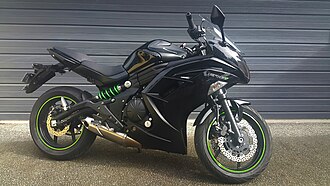
Kawasaki Ninja 650R: The Evolution of a Practical Sport Motorcycle
The Kawasaki Ninja 650R occupies a unique and important position in Kawasaki’s motorcycle history. Introduced as a middleweight sport machine designed to combine everyday usability with genuine sporting character, the Ninja 650R challenged the traditional idea that performance motorcycles had to be uncomfortable, intimidating, or difficult to live with. Instead of focusing exclusively on maximum horsepower and racetrack performance, Kawasaki created a motorcycle that delivered a balanced combination of excitement, practicality, comfort, and accessibility. The result was a machine that appealed to a wide range of riders, from beginners searching for their first serious sport motorcycle to experienced enthusiasts who wanted an enjoyable and versatile everyday bike.
When the Ninja 650R arrived, the motorcycle market was dominated by two extremes. On one side were small-displacement beginner motorcycles that were easy to ride but often lacked excitement as riders gained experience. On the other side were high-performance supersport machines that delivered incredible speed but required aggressive riding positions, frequent maintenance, and a higher level of skill. Kawasaki identified an opportunity between these categories and developed a motorcycle that could provide real-world performance without sacrificing comfort or accessibility. The Ninja 650R became a symbol of this middle ground, proving that a motorcycle could be sporty without being impractical.
The Ninja 650R was built around the philosophy that enjoyable motorcycling is not defined only by horsepower numbers. Instead, Kawasaki focused on creating a machine with strong low- and mid-range torque, lightweight handling, comfortable ergonomics, and affordable ownership. This approach allowed the motorcycle to succeed in environments ranging from crowded city streets to winding mountain roads. Its versatility became one of its greatest strengths, and it helped establish the foundation for the later Kawasaki Ninja 650 models that continue the same philosophy today.
The History and Development of the Kawasaki Ninja 650R
The Kawasaki Ninja 650R was introduced in 2006 and represented a major shift in Kawasaki’s sport motorcycle lineup. The company already had a strong reputation for producing high-performance Ninja motorcycles, but many of those machines were designed with competition-inspired performance as their primary goal. The Ninja 650R was different. It borrowed the recognizable Ninja identity while offering a more approachable riding experience suitable for everyday riders.
The motorcycle shared its engine platform with Kawasaki’s ER-6 series, including the ER-6n naked motorcycle. This 649cc parallel-twin engine was developed to provide smooth, usable power rather than extreme peak performance. The decision to use a twin-cylinder engine instead of a high-revving inline-four allowed Kawasaki to create a motorcycle with strong torque delivery and excellent fuel efficiency. These characteristics made the Ninja 650R especially enjoyable in normal road conditions where riders spend most of their time.
Throughout its production years, the Ninja 650R received various updates and improvements. Kawasaki refined the chassis, suspension, styling, and electronics while maintaining the original philosophy of creating an accessible middleweight sport motorcycle. The model eventually evolved into the modern Ninja 650, but the original Ninja 650R remains highly regarded among enthusiasts because it introduced a successful formula that continues to influence Kawasaki’s motorcycle designs.
Design and Styling
A Sportbike Designed for Real Roads
The styling of the Kawasaki Ninja 650R combines traditional sportbike influences with practical design elements. While it carries the Ninja family’s aggressive appearance, it avoids the extreme aerodynamic styling associated with supersport motorcycles. The fairings provide a sporty appearance while also offering useful wind protection during highway riding. The upright riding position and comfortable proportions reveal that this motorcycle was designed not only for performance but also for everyday usability.
The front fairing, dual headlights, sculpted fuel tank, and compact tail section create a distinctive appearance that immediately identifies the motorcycle as part of Kawasaki’s sport lineup. However, the design also emphasizes simplicity and functionality. The bodywork is relatively easy to remove for maintenance, and the motorcycle avoids unnecessary complexity that could increase ownership costs.
One of the most successful aspects of the Ninja 650R design is its ability to appear aggressive while remaining approachable. Many beginner riders are attracted to sport motorcycles because of their appearance, but some become discouraged by the extreme ergonomics and demanding nature of traditional supersport machines. The Ninja 650R offers the visual excitement of a sportbike without the physical demands.
Ergonomics and Rider Comfort
Comfort is one of the areas where the Ninja 650R differs significantly from many traditional sport motorcycles. The handlebars are positioned higher, the footpegs are less extreme, and the seat height allows a wide range of riders to feel confident. Instead of forcing the rider into a forward racing crouch, the motorcycle provides a natural riding position that works well for commuting, touring, and recreational riding.
The upright ergonomics reduce pressure on the wrists and shoulders, especially during longer rides. This makes the Ninja 650R particularly appealing to riders who want sportbike styling but do not want to sacrifice comfort. The motorcycle can easily handle daily transportation duties while still providing an engaging experience when the road becomes more challenging.
The 649cc Parallel-Twin Engine
The centerpiece of the Kawasaki Ninja 650R is its 649cc liquid-cooled parallel-twin engine. This engine is one of the defining features of the motorcycle because it provides a unique combination of smoothness, torque, efficiency, and reliability. Unlike high-revving supersport engines that produce most of their power near the top of the RPM range, the Ninja 650R engine delivers strong usable performance throughout normal riding conditions.
The parallel-twin configuration provides several advantages. It is compact, lightweight, mechanically simple, and capable of producing strong mid-range power. Riders quickly appreciate the engine’s ability to accelerate confidently without requiring constant gear changes. This characteristic makes the motorcycle enjoyable in urban environments where immediate throttle response is often more valuable than maximum horsepower.
The engine’s character is one of the reasons the Ninja 650R has remained popular. It offers enough performance to entertain experienced riders while remaining manageable for those still developing their skills. The predictable power delivery allows riders to focus on improving cornering technique, braking control, and overall riding confidence.
Performance Characteristics
The Ninja 650R is not designed to compete directly with high-performance supersport motorcycles, but its real-world performance is impressive. The motorcycle accelerates strongly from low and medium engine speeds, making overtaking and highway riding effortless. The broad torque curve means riders do not need to constantly chase maximum RPM to enjoy the engine’s capabilities.
The six-speed transmission works well with the engine’s characteristics. Gear ratios provide flexibility for both relaxed cruising and more enthusiastic riding. The clutch action is light enough for daily commuting, while the gearbox offers positive engagement and predictable shifts.
For many riders, the Ninja 650R’s performance balance is its greatest advantage. It provides enough speed and excitement to remain interesting while avoiding the overwhelming acceleration and aggressive behavior that can make larger sport motorcycles difficult to enjoy on public roads.
Chassis and Handling
The Kawasaki Ninja 650R uses a lightweight steel frame designed to provide stability, agility, and rider confidence. The chassis contributes significantly to the motorcycle’s reputation as an easy-to-ride sport machine. Steering response is predictable, cornering behavior is natural, and the motorcycle feels stable at both low and high speeds.
One of the Ninja 650R’s biggest strengths is how accessible its handling feels. New riders can quickly develop confidence because the motorcycle communicates clearly through the chassis and tires. Experienced riders can exploit its agility and enjoy carrying speed through corners without needing excessive power.
The relatively low weight compared with larger sport motorcycles makes the Ninja 650R easy to maneuver. Parking, slow-speed riding, and city traffic require minimal effort. This practicality is especially valuable for riders who use their motorcycles every day rather than only for weekend recreation.
Suspension Setup
The suspension system of the Ninja 650R was designed with a balance between comfort and sporty performance. The front telescopic fork provides predictable feedback, while the rear suspension system offers adjustable preload to accommodate different rider weights and riding conditions. The setup favors real-world road use rather than aggressive track riding, making it suitable for a wide range of environments.
On normal roads, the suspension provides a comfortable ride while maintaining enough control for enthusiastic cornering. Rough pavement, urban streets, and long-distance riding are handled effectively, contributing to the motorcycle’s reputation as a versatile all-rounder.
Braking Performance and Safety
The Ninja 650R features reliable braking components designed to provide strong stopping power with predictable feedback. The front and rear disc brakes offer progressive control, allowing riders to adjust braking force smoothly. This characteristic is especially important for newer riders who are developing confidence with motorcycle braking techniques.
Depending on the market and model year, some versions were equipped with ABS, improving safety during emergency braking situations and poor weather conditions. The motorcycle’s balanced chassis, quality brakes, and predictable handling combine to create a confidence-inspiring riding experience.
Everyday Riding Experience
The Kawasaki Ninja 650R succeeds because it works exceptionally well in everyday situations. It is comfortable enough for commuting, efficient enough for regular transportation, and exciting enough for weekend adventures. Many motorcycles excel in one specific area but require compromises elsewhere. The Ninja 650R’s greatest achievement is minimizing those compromises.
In urban environments, the motorcycle’s smooth engine, manageable size, and comfortable ergonomics make it easy to live with. On open roads, the same motorcycle transforms into an enjoyable sport machine capable of delivering satisfying acceleration and engaging cornering performance. This versatility is exactly what many riders seek when choosing a middleweight motorcycle.
Reliability and Long-Term Ownership
One of the most important reasons behind the success of the Kawasaki Ninja 650R is its reputation for reliability. Kawasaki designed the motorcycle with durability and everyday usability in mind, creating a machine capable of handling years of regular riding with relatively simple maintenance requirements. The 649cc parallel-twin engine has proven to be one of Kawasaki’s most dependable modern motorcycle powerplants, offering strong mechanical durability when serviced correctly. Many owners have accumulated high mileage on their Ninja 650R motorcycles while experiencing very few major mechanical problems, reinforcing the model’s reputation as a trustworthy long-term companion.
The engine’s relatively simple design contributes significantly to its reliability. Unlike highly tuned supersport engines that operate under extreme stress and require frequent attention, the Ninja 650R’s engine is designed around practical performance. The moderate compression ratio, efficient cooling system, and conservative tuning allow the motorcycle to deliver consistent performance without placing excessive demands on internal components. This makes it particularly appealing to riders who want a motorcycle they can depend on for commuting, touring, and recreational use.
Maintenance Requirements
Routine maintenance for the Kawasaki Ninja 650R is straightforward and affordable compared with many performance-oriented motorcycles. Regular oil and filter changes are essential for maintaining engine health, while chain cleaning and lubrication help extend drivetrain life. The motorcycle’s liquid-cooling system requires periodic coolant replacement, and brake fluid should be changed according to the recommended service intervals to maintain consistent braking performance.
Valve clearance inspections are another important maintenance item. Although the parallel-twin engine is designed for durability, keeping valve clearances within specification ensures efficient operation and prevents unnecessary wear. Air filter replacement, spark plug inspection, tire maintenance, and battery checks are also essential parts of ownership. Because the motorcycle uses widely available components and has a large owner community, maintenance information and replacement parts are generally easy to obtain.
Common Problems and Areas to Inspect
Although the Ninja 650R is considered highly reliable, used examples should still be inspected carefully before purchase. As with any motorcycle, age, mileage, previous ownership, and maintenance history have a significant impact on condition. Potential buyers should check for evidence of regular servicing, proper oil changes, and general care from previous owners.
Some older Ninja 650R models may experience issues related to normal wear rather than fundamental design problems. These can include worn chain and sprocket sets, aging brake components, tired suspension seals, corrosion around exhaust components, and cosmetic damage from drops or accidents. The clutch system should be inspected for smooth operation, and the charging system should be tested to ensure proper electrical performance. Fortunately, these issues are generally inexpensive to repair compared with problems found on more complicated motorcycles.
Fuel Economy and Running Costs
The Kawasaki Ninja 650R offers impressive fuel efficiency for a motorcycle capable of highway performance and spirited riding. The parallel-twin engine is designed to provide strong performance while maintaining reasonable fuel consumption, making the motorcycle suitable for riders who use their bikes frequently. Depending on riding style, traffic conditions, and maintenance quality, many owners achieve fuel economy figures that make the Ninja 650R an economical choice for daily transportation.
Operating costs are another advantage of the motorcycle. Insurance expenses are typically lower than those associated with larger supersport motorcycles, while replacement parts and routine servicing remain affordable. Tires, chains, brake pads, and other consumable items are available from numerous manufacturers, giving owners flexibility when managing maintenance budgets.
The motorcycle’s combination of reliability and efficiency makes it especially attractive to riders who want one machine capable of fulfilling many roles. It can serve as a commuter during the week, a weekend canyon bike, and even a lightweight touring motorcycle without requiring excessive investment.
Touring Capability
Although the Kawasaki Ninja 650R is classified as a sport motorcycle, its comfortable ergonomics and practical engine characteristics make it surprisingly capable as a touring machine. The upright riding position reduces fatigue during long-distance travel, while the engine provides enough torque to maintain highway speeds comfortably. Riders who add accessories such as windscreens, luggage systems, and touring seats can transform the Ninja 650R into a capable adventure companion for extended trips.
The motorcycle’s fuel efficiency also benefits touring riders. Longer distances between fuel stops reduce travel interruptions, while the smooth engine reduces fatigue during extended highway cruising. The stable chassis provides confidence when carrying luggage, and the comfortable passenger accommodations make two-person touring possible for riders who plan carefully.
Accessories and Modifications
The Ninja 650R has a strong aftermarket community, and many owners customize their motorcycles to better suit their individual needs. Popular modifications include taller windscreens for improved highway protection, frame sliders for additional protection, luggage racks and panniers for touring, aftermarket seats for improved comfort, upgraded suspension components, exhaust systems, and cosmetic enhancements.
Performance modifications are also available, although many owners find that the motorcycle’s factory setup already provides an excellent balance. Suspension upgrades can improve handling for aggressive riders, while improved brake components may benefit those who regularly ride in demanding conditions. However, the Ninja 650R’s original design is already highly refined, meaning modifications are usually about personalization rather than correcting weaknesses.
Kawasaki Ninja 650R Compared With Other Motorcycles
Ninja 650R vs Kawasaki Ninja 400
The Ninja 400 represents Kawasaki’s smaller-displacement sportbike approach, focusing heavily on lightweight performance and beginner accessibility. Compared with the Ninja 650R, the Ninja 400 is lighter, easier to manage for new riders, and more economical. However, the Ninja 650R provides additional torque, stronger highway performance, and greater comfort for longer rides. Riders who frequently travel at higher speeds or carry passengers may prefer the extra capability of the 650R.
Ninja 650R vs Kawasaki Ninja ZX-6R
The Ninja ZX-6R occupies a very different category, emphasizing racetrack performance and high-speed capability. It produces significantly more power and uses more advanced suspension and braking components. However, the ZX-6R sacrifices everyday comfort and affordability. The Ninja 650R is far easier to ride in normal conditions, making it a better choice for riders who value versatility over maximum performance.
Ninja 650R vs Suzuki SV650
The Suzuki SV650 has long been considered one of the Ninja 650R’s closest competitors. Both motorcycles use twin-cylinder engines and prioritize real-world performance. The SV650 offers a distinctive V-twin character, while the Ninja 650R provides a smoother parallel-twin experience and more sport-oriented styling. Both motorcycles have earned strong reputations for reliability and rider enjoyment.
Buying a Used Kawasaki Ninja 650R
Because the Ninja 650R has been discontinued in favor of newer Ninja 650 generations, many buyers encounter the motorcycle on the used market. Fortunately, the model’s reliability and popularity mean that good examples are still widely available. A careful inspection can reveal whether a particular motorcycle has been properly maintained or neglected.
Buyers should look for complete service records whenever possible. Regular oil changes, chain maintenance, tire replacements, and scheduled inspections indicate responsible ownership. A motorcycle with higher mileage but excellent maintenance history may be a better purchase than a low-mileage example that has been poorly cared for.
During inspection, potential buyers should examine the frame for crash damage, check suspension components for leaks, inspect brake operation, verify electrical systems, and test ride the motorcycle if possible. The engine should start easily, idle smoothly, accelerate consistently, and operate without unusual noises or excessive vibration.
The Legacy of the Kawasaki Ninja 650R
The Kawasaki Ninja 650R changed perceptions about what a middleweight sport motorcycle could be. Before its introduction, riders often had to choose between beginner motorcycles that lacked excitement and high-performance machines that demanded significant skill and commitment. The Ninja 650R created a new category by offering genuine sportbike styling and performance while remaining comfortable and accessible.
Its influence can still be seen in modern motorcycles designed around similar principles. Manufacturers increasingly recognize that many riders want machines that provide excitement without sacrificing practicality. The Ninja 650R demonstrated that a motorcycle could be fast enough to be enjoyable, comfortable enough for daily use, and affordable enough for a wide range of riders.
Conclusion
The Kawasaki Ninja 650R remains one of the most successful examples of a balanced middleweight sport motorcycle. Its combination of a reliable parallel-twin engine, comfortable ergonomics, predictable handling, practical design, and affordable ownership has allowed it to maintain a loyal following long after production ended. Rather than chasing extreme performance numbers, the Ninja 650R focused on delivering an enjoyable riding experience that could be appreciated every day.
For beginners looking to move beyond smaller motorcycles, the Ninja 650R provides an excellent platform for developing skills. For experienced riders, it offers a lightweight and practical alternative to larger machines. Its ability to combine sportbike excitement with everyday usability is the reason it remains respected among motorcycle enthusiasts around the world.
Kawasaki Ninja 650R Technical Specifications
| Specification | Details |
|---|---|
| Model | Kawasaki Ninja 650R |
| Production Years | 2006–2011 (before becoming Ninja 650) |
| Engine Type | Liquid-cooled, four-stroke, DOHC, parallel twin |
| Engine Displacement | 649 cc |
| Bore × Stroke | 83.0 mm × 60.0 mm |
| Compression Ratio | 11.3:1 |
| Fuel System | Electronic fuel injection |
| Cooling System | Liquid cooling |
| Maximum Power | Approximately 72 hp (53 kW) |
| Maximum Torque | Approximately 64 Nm |
| Transmission | 6-speed manual |
| Clutch | Wet multi-plate clutch |
| Final Drive | Chain |
| Frame | High-tensile steel diamond frame |
| Front Suspension | 41 mm telescopic fork |
| Rear Suspension | Uni-Trak gas-charged shock with preload adjustment |
| Front Brake | Dual 300 mm petal discs |
| Rear Brake | 220 mm single disc |
| Front Tire | 120/70 ZR17 |
| Rear Tire | 160/60 ZR17 |
| Wheelbase | 1,410 mm |
| Seat Height | 805 mm |
| Ground Clearance | 130 mm |
| Fuel Tank Capacity | 15.5 liters |
| Curb Weight | Approximately 209 kg |
| Riding Character | Comfortable, sporty, versatile middleweight motorcycle |
