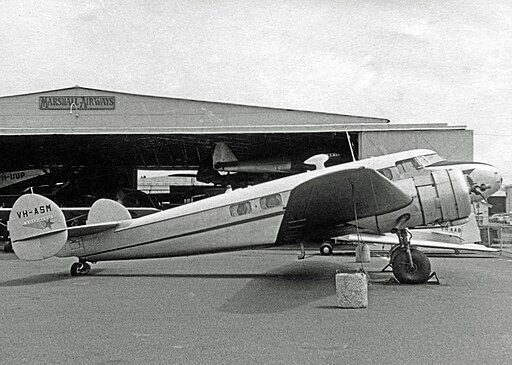
Lockheed Model 10 Electra
The Lockheed Model 10 Electra, introduced in the 1930s, stands as a pioneering aircraft that played a significant role in shaping the landscape of commercial aviation. Known for its distinctive twin-engine, low-wing monoplane design, the Model 10 Electra was a versatile and efficient airliner. It could carry a substantial number of passengers, typically around 10, and had a cruising speed of approximately 190 miles per hour. The aircraft’s innovative features, such as its all-metal construction and twin-engine configuration, contributed to its success in the aviation industry, setting new standards for safety, speed, and reliability.
The Model 10 Electra achieved international acclaim, gaining attention for its long-range capabilities and endurance. Notably, Amelia Earhart chose the Lockheed Model 10 Electra for her ill-fated attempt to circumnavigate the globe in 1937. Despite the challenges faced during Earhart’s journey, the Model 10 Electra left an indelible mark on aviation history, showcasing Lockheed’s commitment to technological advancements and its pivotal role in the development of commercial aviation during a crucial period in the industry’s evolution.
Lockheed Model 10 Electra parameters
The Lockheed Model 10 Electra was a twin-engine, all-metal monoplane designed for commercial aviation in the 1930s. Here are some key parameters for the Model 10 Electra:
- Crew: 2 (pilot and co-pilot)
- Passenger Capacity: Typically configured for 10 passengers
- Length: 38 feet 7 inches (11.76 meters)
- Wingspan: 55 feet 0 inches (16.76 meters)
- Height: 10 feet 1 inch (3.07 meters)
- Empty Weight: Approximately 6,454 pounds (2,927 kilograms)
- Max Takeoff Weight: Approximately 10,500 pounds (4,763 kilograms)
- Engines: Two Pratt & Whitney R-985 Wasp Junior radial engines
- Cruise Speed: Approximately 190 miles per hour (306 kilometers per hour)
- Range: Approximately 713 miles (1,147 kilometers)
- Service Ceiling: 20,000 feet (6,096 meters)
- First Flight: February 23, 1934
- Entered Service: 1934
- Number Built: Approximately 149 aircraft (all variants)
These parameters illustrate the Lockheed Model 10 Electra’s design as a versatile, twin-engine airliner, emphasizing range, capacity, and efficiency. The Model 10 Electra became a pioneering aircraft in the pre-World War II era, contributing to the advancement of commercial aviation.
History of the Lockheed Model 10 Electra
The Lockheed Model 10 Electra, introduced in the 1930s, holds a storied history as a groundbreaking aircraft that contributed significantly to the development of commercial aviation. Designed by the legendary Clarence “Kelly” Johnson, the Electra embodied cutting-edge engineering with its twin-engine configuration, all-metal construction, and innovative features. It quickly gained recognition for its versatility, accommodating up to 10 passengers in a pressurized cabin and boasting a top cruising speed of approximately 190 miles per hour.
One of the most notable chapters in the Model 10’s history was its association with famed aviator Amelia Earhart. In 1937, Earhart embarked on her ambitious attempt to circumnavigate the globe, choosing the Lockheed Model 10 Electra for its range and capabilities. Unfortunately, her journey ended in mystery, but the Electra became an enduring symbol of pioneering spirit and technological advancements. Beyond Earhart’s endeavors, the Model 10 continued to be a popular choice for airlines worldwide, showcasing Lockheed’s commitment to innovation and solidifying the company’s reputation as a leader in the aviation industry during a transformative era.
