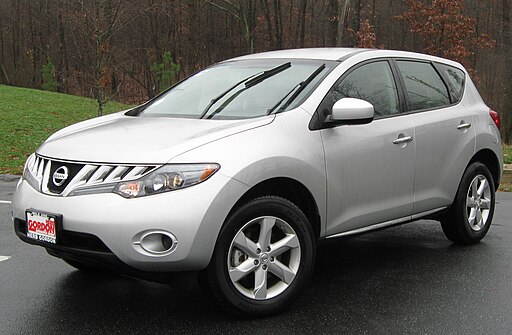
Nissan Murano faults
Common Nissan Murano Faults: A Detailed Review
The Nissan Murano is a stylish and comfortable crossover SUV, but like any vehicle, it has its share of common faults. Whether you’re considering purchasing a used Murano or already own one, understanding these issues can help you maintain the car effectively and avoid costly repairs. Below is a detailed review of the most frequently reported problems with the Nissan Murano.
1. CVT Transmission Problems
One of the most commonly reported issues with the Nissan Murano is transmission failure, particularly in models equipped with a Continuously Variable Transmission (CVT). Owners have experienced symptoms such as:
- Jerky acceleration or hesitation when shifting gears.
- Sudden stalling or loss of power while driving.
- Overheating transmission, leading to reduced performance.
CVT repairs can be expensive, and in some cases, complete transmission replacement is necessary. Regular fluid changes and careful driving habits can help extend the lifespan of the transmission.
2. Engine Mount Failure
A failing engine mount is a common issue on 2003–2015 models. Symptoms include:
- Thumping noises and excessive vibration when driving.
- Engine movement, which can cause further mechanical damage.
This issue can be caused by fluid leaks, accidents, or improper mount installation. The only way to fix the problem is to replace the faulty engine mount.
3. Brake System Issues
The Nissan Murano is equipped with an automatic emergency braking system, which detects obstacles and triggers emergency braking if the driver does not react immediately. However, some owners have reported:
- False activation, where the system detects nonexistent obstacles and applies emergency braking unnecessarily.
- Brake fluid leaks, which can lead to reduced braking efficiency and increased fire risk.
Routine brake inspections and software updates can help mitigate these issues.
4. Creaking Panoramic Sunroof
Murano’s panoramic sunroof has been reported to rattle or even explode due to the thickness of the glass. Symptoms include:
- Persistent rattling noises when driving.
- Sudden glass shattering, which can be dangerous.
Reinforcing the sunroof with a quality sealant can help prevent these issues.
5. EVAP System Clogging
The Evaporative Emission Control System (EVAP) prevents fuel vapors from escaping into the atmosphere. However, in some Murano models, the EVAP system frequently gets clogged, leading to:
- Check Engine Light activation.
- Fuel vapor leaks, which can affect emissions compliance.
Cleaning or replacing the EVAP system components can resolve this issue.
6. Poor EGR Valve Performance
Some Murano owners complain about rough idling and power loss, often accompanied by black smoke or a hot oily smell. This problem may arise from a bad or dirty Exhaust Gas Recirculation (EGR) valve, which needs either replacement or cleaning.
7. Faulty Seat Adjuster Assembly
The driver’s seat frame on the Murano has a relatively short service life, especially if the seat is adjusted frequently. Symptoms include:
- Seat movement from side to side, making driving unsafe and uncomfortable.
In many cases, the seat adjuster assembly can be repaired, eliminating the need for a full replacement.
Final Thoughts
The Nissan Murano remains a popular choice for drivers seeking a balance of performance and luxury, but being aware of these common faults can help you make informed decisions when purchasing or maintaining one. Regular servicing, prompt repairs, and staying up to date with recalls can ensure a smoother ownership experience.
Nissan Murano as a used car
The Nissan Murano has long been recognized as a stylish and comfortable crossover SUV that makes an excellent choice on the used car market. Praised for its smooth ride, refined interior, and bold design, the Murano appeals to drivers seeking a balance between performance and practicality. In this article, we’ll delve into the technical specifications of the Nissan Murano as a used car, exploring its engine options, dimensions, performance metrics, interior features, and more. This comprehensive guide will equip you with the insights you need to make an informed decision when considering a Murano for your next purchase.
Background and Evolution
Since its debut in the early 2000s, the Nissan Murano has evolved to meet the changing demands of crossover enthusiasts.
- Early Generations: The first-generation Murano established the model’s reputation with its confident styling and a naturally aspirated 3.5-liter V6 engine.
- Continued Refinement: Subsequent generations introduced refinements in design, technology, and performance. Models such as the Murano II and Murano III built upon the original concept by integrating improved safety features, higher fuel efficiency, and a more premium interior atmosphere.
- Modern Updates: Recent updates have included the latest infotainment systems, enhanced driver assistance features, and a more dynamic chassis, which continue to make the Murano a competitive option in the used SUV segment.
Technical Specifications
Engine and Performance
Engine Options
The Nissan Murano is primarily powered by a robust 3.5-liter V6 engine that strikes a balance between performance and efficiency. Common engine characteristics found in many used models include:
- Displacement: Approximately 3498 cc
- Configuration: V6 with dual overhead camshafts (DOHC) and a 4-valve-per-cylinder setup
- Power Output: Ranges typically between 248 and 256 horsepower, depending on the model year and generation
- Torque: Around 325 to 334 Nm, usually available at mid-range rpm (approximately 4400 rpm)
This engine is celebrated for its smooth power delivery and responsiveness, making it well-suited for both highway cruising and urban driving.
Performance Metrics
Despite the Murano’s emphasis on comfort and refinement, performance remains a key asset:
- Acceleration: Many models can accelerate from 0 to 100 km/h in approximately 8 seconds—a respectable figure for a mid-size crossover SUV.
- Top Speed: The Murano typically reaches speeds of up to 210 km/h, offering a dynamic performance when needed.
- Fuel Efficiency: Consumption figures are competitive within its class, with combined fuel consumption averaging between 10.0 and 11.0 l/100 km, while urban and extra-urban figures reflect the expected variation for a vehicle of its size and power.
Transmission and Drivetrain
Transmission Options
The Nissan Murano is usually paired with an automatic transmission, which enhances the comfort and ease of driving—a critical point for buyers assessing used cars:
- Automatic Gearbox: Many models feature a smooth-shifting automatic transmission (including CVT or traditional torque converter types in earlier models) that delivers consistent performance.
- Drivetrain Layout: Predominantly a front-wheel-drive (FWD) system, though many variants, particularly those in higher trims or older models, may be available in all-wheel-drive (AWD) configurations.
These transmission systems ensure that the Murano remains stable and enjoyable in a variety of driving conditions.
Dimensions and Weight
Exterior Measurements
The Murano’s physical dimensions not only contribute to its imposing presence on the road but also play a vital role in its functionality as a family or commuter vehicle. For example:
- Length: Typically around 4860 to 4900 mm, which provides ample cabin and cargo space without sacrificing maneuverability.
- Width: Approximately 1885 to 1915 mm, contributing to a stable road stance.
- Height: Ranges from about 1720 to 1750 mm depending on the generation.
- Wheelbase: Generally in the vicinity of 2776 to 2825 mm, which helps in delivering a smooth ride and ample legroom for passengers.
Weight and Practical Storage
- Curb Weight: The Murano’s weight generally falls between 1610 and 1790 kg. This balance ensures a car that feels both sturdy and responsive.
- Cargo Capacity: With generous trunk space (often in excess of 400 liters in standard configuration and expandable when the rear seats are folded), the Murano is ideal for both everyday storage and long journeys.
Fuel Efficiency and Emissions
Fuel Consumption
The balance between power and efficiency is a hallmark of the Murano’s design:
- Urban Consumption: Many used Murano models report urban fuel consumption figures in the range of 11–14.8 l/100 km.
- Extra-Urban and Combined Figures: Extra-urban figures can drop to around 8.3 l/100 km, with combined average consumption being competitive for a crossover of its size.
Emissions
Modern Nissan Murano models have been designed to meet stringent emission standards, offering a cleaner driving experience compared to many older SUVs. This makes them a favorable choice for environmentally conscious buyers looking in the used car market.
Interior and Technology
Cabin Comfort and Features
The Murano’s interior has evolved to offer a refined, upscale environment:
- Material Quality: Higher trim levels in used models often feature leather-appointed seats, soft-touch surfaces, and tasteful design accents.
- Ergonomics: The dashboard layout is designed for ease of use, with clearly positioned controls and an intuitively arranged instrument panel that minimizes driver distraction.
- Infotainment: Many models come equipped with modern infotainment systems, including touchscreen displays, navigation, Bluetooth connectivity, and compatibility with smartphone integration.
Cargo and Practicality
Cabin Layout
- Seating: Typically accommodates five passengers, with generous legroom and supportive seating that remains comfortable on long drives.
- Storage Solutions: In addition to ample trunk space, the Murano offers well-thought-out storage compartments throughout the cabin—ideal for daily convenience and family outings.
Chassis, Suspension, and Handling
Suspension Setup
The Murano’s ride quality is a key element of its appeal. Its suspension system is finely tuned to blend comfort and responsive handling:
- Front Suspension: Often features an independent multi-link or MacPherson strut setup that helps absorb urban road imperfections while maintaining composure during dynamic driving.
- Rear Suspension: Typically employs an independent or multi-link arrangement, offering a smooth ride through both city streets and highways.
Braking System and Safety Features
Braking
- Disc Brakes: Ventilated disc brakes at both the front and rear are standard on many models, ensuring reliable stopping power under various driving conditions.
- Advanced Systems: Most newer used Murano models include Anti-lock Braking Systems (ABS) and electronic brakeforce distribution (EBD), enhancing overall vehicle stability and safety.
Handling Dynamics
- The Nissan Murano is engineered to provide a composed driving experience. Its well-balanced chassis, combined with a tuned suspension, delivers predictable handling and admirable cornering ability, making it a dependable vehicle for daily driving.
Maintenance and Ownership Benefits
Reliability and Service
One of the reasons the Nissan Murano remains popular in the used car market is its reputation for durability. Many owners appreciate:
- Engine Longevity: The robust V6 engine, when maintained according to schedule, can provide years of reliable service.
- Service Network: Nissan’s extensive service network guarantees that maintenance and repairs are relatively straightforward and accessible.
- Availability of Parts: Readily available spare parts and aftermarket support further enhance the vehicle’s long-term reliability.
Cost of Ownership
While the Murano offers premium features and performance, its overall cost of ownership remains competitive in its class:
- Fuel Economy: Despite its size, the Murano’s efficiency figures are decent for an SUV, helping to keep running costs manageable.
- Depreciation: As a used car, depreciation has already occurred, meaning buyers can often acquire a well-equipped Murano at a fraction of its original price.
- Insurance and Maintenance: Reasonable insurance premiums and moderate maintenance costs make the Murano an attractive option for budget-conscious crossover enthusiasts.
Conclusion
The Nissan Murano stands out as a well-rounded, comfortable, and stylish used SUV that caters to drivers looking for a premium yet practical crossover. With its powerful yet refined 3.5-liter V6 engine, a suite of modern technologies, and a spacious, inviting interior, the Murano continues to be an excellent choice for those in the used car market.
Its technical specifications—ranging from balanced performance metrics and advanced safety features to a robust suspension and practical dimensions—ensure that the Nissan Murano delivers an engaging and reliable driving experience. Whether you’re a family seeking comfort, a professional in need of a stylish commuter, or simply an enthusiast of well-engineered automobiles, the Murano offers a compelling package with lasting value.
