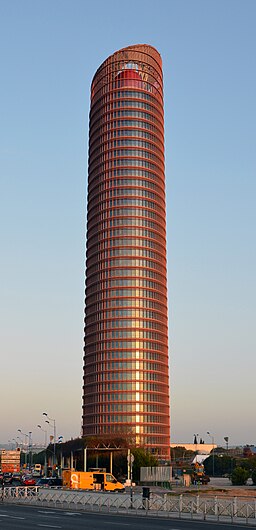
Sevilla Tower
Sevilla Tower: A Modern Marvel of Architecture in Seville
Seville, the capital of Andalusia in southern Spain, is a city renowned for its rich cultural heritage, stunning historical landmarks, and vibrant lifestyle. While its ancient monuments, such as the Alcázar Palace, the Seville Cathedral, and the Giralda Tower, define its skyline, the modern city is also home to contemporary structures that reflect its growth and evolution in the 21st century. Among these, Sevilla Tower (also known as Torre Sevilla) stands out as one of the most iconic examples of modern architecture in the city. With its sleek, innovative design and pivotal location, the tower has become a symbol of Seville’s forward-looking vision and its desire to integrate contemporary urban planning with its historical legacy.
This article delves into the history, architectural design, cultural significance, and impact of Sevilla Tower, illustrating how this modern skyscraper has become a key feature of Seville’s landscape.
The Origins and Construction of Sevilla Tower
Sevilla Tower is part of the larger Cartuja Business Park development, which is located on the island of La Cartuja, along the Guadalquivir River in Seville. This area, historically industrial, was transformed in the late 20th and early 21st centuries into a business district aimed at revitalizing the local economy and creating a modern urban environment. The island of La Cartuja is home to various significant cultural and commercial sites, such as the Cartuja Monastery and Isla Mágica amusement park, making it a prime location for a development that would symbolize the city’s embrace of progress.
The idea for a landmark tower in this area came about during the early 2000s, as part of Seville’s ongoing urban revitalization projects. Sevilla Tower was designed to act as the centerpiece of the Cartuja Business Park, serving as a multi-functional structure that would house offices, commercial spaces, and other amenities. The construction of the tower also coincided with the 2010 World Expo held in Seville, further emphasizing the city’s ambition to modernize its image on the global stage.
Work on the tower officially began in 2008 and was completed in 2015. Designed by the architecture firm César Pelli & Associates, led by renowned Argentine-American architect César Pelli, the tower was part of a larger master plan that aimed to transform the former industrial area into a vibrant and modern business district. Pelli, who is also known for designing famous skyscrapers such as the Petronas Towers in Kuala Lumpur, was tasked with creating a design that would harmonize with Seville’s traditional landscape while still standing out as a bold modern icon.
Architectural Design: A Vision of Elegance and Functionality
At a height of 180 meters (590 feet), Sevilla Tower stands as the tallest building in Seville and one of the tallest in southern Spain. Its design combines sleek modernism with functional versatility, featuring a blend of glass, steel, and concrete. The tower is intended to serve both as an office building and a symbol of the city’s economic aspirations, making it a key part of Seville’s skyline.
The building’s shape is a result of both aesthetic considerations and environmental efficiency. The tower has a circular, slightly tapered form that gives it a fluid, streamlined appearance. The base of the tower is wider, gradually narrowing as it rises, creating a visual sense of movement and upward momentum. This design is not just for visual impact, however; it also plays a functional role by reducing the structure’s wind load and providing greater stability. The top of the building is adorned with a glass spire, which enhances the overall futuristic design of the tower.
The tower’s façade consists of large glass panels, which not only give the structure a sleek, modern look but also maximize the use of natural light in the building. The glass is carefully designed to minimize energy consumption, reflecting the building’s focus on sustainability. At night, the building comes to life with lighting that enhances its striking silhouette, making it an imposing presence on the Seville skyline.
Inside, Sevilla Tower is designed with flexibility in mind, accommodating a variety of tenants and uses. It offers state-of-the-art office spaces, meeting rooms, and conference centers, making it an attractive location for businesses and corporations looking to establish a presence in Seville. The tower is equipped with cutting-edge technology to ensure the comfort and efficiency of its occupants, while its upper floors offer panoramic views of the city and the surrounding landscape.
Environmental Sustainability: A Green Skyscraper
In line with modern architectural trends, Sevilla Tower was designed with sustainability in mind. The tower incorporates various green technologies that reduce its environmental footprint. The use of energy-efficient glass helps to reduce the heat gain and energy consumption, while the building’s advanced air conditioning and lighting systems are designed to minimize energy use.
One of the tower’s most notable sustainable features is its use of rainwater harvesting for irrigation and other non-potable uses, further contributing to the building’s environmentally friendly approach. Sevilla Tower also benefits from solar panels and other systems designed to improve energy efficiency. These sustainable design elements not only enhance the building’s environmental credentials but also help reduce operating costs for the tenants and owners of the tower.
Additionally, Sevilla Tower holds LEED (Leadership in Energy and Environmental Design) certification, a globally recognized standard for sustainable building design. This certification further solidifies the tower’s commitment to minimizing its environmental impact and reflects Seville’s desire to position itself as a city that prioritizes sustainability and modern urban development.
Sevilla Tower and Its Role in Seville’s Economic and Cultural Landscape
The construction of Sevilla Tower was part of a broader initiative to transform Seville into a leading business and cultural center in southern Spain. As the tallest building in the city, the tower serves as a physical symbol of Seville’s growth and its aspirations as a hub for business, innovation, and tourism.
The tower’s presence has had a significant impact on the surrounding Cartuja Business Park, attracting international companies and investment to the area. By offering high-quality office spaces in a prime location near the Guadalquivir River, Sevilla Tower has helped to revitalize this part of Seville and further cement the city’s status as an important player in the regional economy. The tower is also located near the Sevilla-Santa Justa railway station, which provides excellent transportation links to other cities in Andalusia and beyond, further enhancing its appeal to businesses and entrepreneurs.
Culturally, the tower has become an important symbol of Seville’s modernity and forward-looking attitude. While the city is known for its historic landmarks and rich cultural heritage, the construction of Sevilla Tower shows that Seville is embracing innovation and modernity. The tower is part of a larger vision of urban development that balances the city’s historical identity with a desire for progress and international recognition.
Challenges and Controversies
Despite its impressive design and architectural achievements, the construction of Sevilla Tower was not without its challenges and controversies. The project faced delays due to financial issues, and the global economic downturn of 2008 had a significant impact on the real estate market in Spain. At times, the tower’s completion seemed uncertain, leading to public doubts about whether it would ever be finished.
Additionally, some critics questioned the tower’s design, arguing that it clashed with Seville’s historic aesthetic. The city is known for its rich architectural heritage, including Islamic, Gothic, Renaissance, and Baroque styles, and some felt that the modern design of Sevilla Tower did not fit into the traditional urban landscape. However, supporters of the tower argue that it complements the city’s historic charm by introducing a modern contrast that enhances Seville’s global appeal.
Sevilla Tower: A Modern Icon
Today, Sevilla Tower stands as an iconic feature of the city’s skyline, symbolizing the modern spirit and ambition of Seville. Its innovative design, sustainability features, and prime location have made it a landmark for both businesses and visitors to the city. As Seville continues to evolve into a center of commerce, culture, and sustainability, Sevilla Tower will undoubtedly remain a central part of its urban identity, a symbol of the city’s future while paying respect to its past.
As more cities around the world embrace modernity and sustainability in their architectural endeavors, Sevilla Tower serves as an example of how contemporary design can coexist with historical contexts, contributing to the dynamic growth of a city that remains rooted in its rich cultural heritage while moving confidently toward the future.
