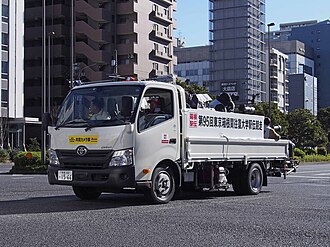
Toyota Dyna – The Reliable Workhorse That Defined Light Commercial Transportation
The Toyota Dyna is one of Toyota’s most respected commercial vehicles, representing decades of engineering focused on durability, practicality, efficiency, and versatility. Since its introduction in the mid-20th century, the Dyna has become a trusted tool for businesses, tradespeople, logistics operators, government organizations, and entrepreneurs across many parts of the world. Designed as a compact yet capable commercial truck, the Toyota Dyna successfully combines maneuverability with impressive carrying ability, making it suitable for urban deliveries, construction work, agriculture, industrial transportation, and countless specialized applications.
Unlike passenger vehicles where comfort, styling, and performance often dominate purchasing decisions, commercial trucks are judged by their ability to work reliably every day. The Toyota Dyna was created around this principle. Its development focused on reducing operating costs, maximizing uptime, simplifying maintenance, and providing operators with a dependable platform capable of handling demanding working conditions. Over many generations, Toyota continuously improved the Dyna by introducing stronger chassis designs, more efficient engines, improved cabins, advanced safety technologies, and cleaner emissions systems while preserving the durability that made the model successful.
The Dyna’s worldwide reputation has been built through millions of kilometers of service in diverse environments, ranging from crowded city streets and narrow village roads to highways, farms, factories, and construction sites. Its compact dimensions allow it to operate where larger trucks cannot, while its robust engineering enables it to perform tasks normally associated with bigger commercial vehicles. This combination of flexibility and reliability has made the Toyota Dyna an important part of Toyota’s commercial vehicle history.
This detailed article explores the complete story of the Toyota Dyna, including its origins, engineering philosophy, exterior design, cabin features, engine technology, transmission systems, driving characteristics, commercial applications, maintenance requirements, advantages, limitations, and a detailed technical specification summary.
The History of the Toyota Dyna
The Toyota Dyna was first introduced in 1959 as Toyota expanded its commercial vehicle lineup to meet increasing demand for efficient transportation solutions. During the post-war economic growth period in Japan, businesses required compact trucks capable of moving goods efficiently through rapidly developing urban areas. Toyota responded by creating a vehicle that combined the practicality of a small truck with the durability expected from commercial equipment.
The early Dyna models established the fundamental characteristics that would define the nameplate for generations: compact dimensions, reliable mechanical components, economical operation, and strong load-carrying ability. As industries expanded and transportation needs became more complex, Toyota continued refining the Dyna platform with improved engines, stronger frames, better suspension systems, and more comfortable cabins.
Throughout its history, the Toyota Dyna has shared engineering relationships with other Toyota commercial vehicles, including the ToyoAce in certain markets. These vehicles helped Toyota strengthen its position in the global light and medium-duty truck segment by offering practical solutions for small businesses and professional operators.
Over successive generations, the Dyna evolved from a simple work truck into a modern commercial vehicle featuring advanced diesel engines, improved emissions technology, electronic safety systems, ergonomic interiors, and greater customization options. Despite these changes, Toyota maintained the original philosophy of creating a dependable truck designed to deliver consistent performance throughout its working life.
Design Philosophy of the Toyota Dyna
The Toyota Dyna was designed around efficiency and practicality rather than unnecessary complexity. Commercial operators require vehicles that can generate revenue, minimize downtime, and remain affordable to maintain. Every major component of the Dyna reflects these priorities, from its durable chassis construction to its economical engines and easily serviceable mechanical systems.
A key objective behind the Dyna’s design was achieving the ideal balance between size and capability. Large trucks offer greater payload capacity but can be difficult to operate in urban environments. Small vans provide excellent maneuverability but may lack the strength needed for heavier work. The Dyna occupies the middle ground by offering substantial carrying capability while remaining compact enough for crowded streets and restricted loading areas.
Toyota engineers also focused heavily on durability. Commercial vehicles experience significantly greater stress than passenger cars because they operate for longer hours, carry heavier loads, and frequently stop and start throughout the day. The Dyna’s reinforced frame, reliable drivetrain, and heavy-duty suspension systems were developed specifically to handle these conditions.
Exterior Design and Practical Features
The Toyota Dyna features a functional cab-over-engine design that maximizes cargo capacity while keeping the overall vehicle length compact. By positioning the cabin above the front axle and engine compartment, Toyota was able to provide a relatively short turning radius without sacrificing loading space. This design approach is particularly valuable in cities where road space is limited.
The front-end design emphasizes practicality and durability. Large headlights provide effective illumination for nighttime operations, while the grille allows efficient airflow to the engine cooling system. Strong bumpers and durable body components help withstand the minor impacts and demanding conditions commonly experienced in commercial environments.
Large windows improve visibility, helping drivers navigate busy streets, construction areas, and loading zones safely. Wide mirrors provide excellent awareness of surrounding vehicles and obstacles, reducing blind spots during maneuvering.
The Dyna is available with numerous body configurations, including flatbeds, box trucks, dump bodies, refrigerated units, tankers, recovery vehicles, and specialized commercial equipment. This adaptability is one of the reasons the model has remained popular across different industries and markets.
Cabin Design and Driver Comfort
Modern commercial vehicles must consider driver comfort because professional operators often spend many hours behind the wheel. Toyota has continuously improved the Dyna cabin to provide a safer, more comfortable, and more efficient working environment.
The elevated driving position provides excellent visibility, allowing drivers to see traffic conditions, pedestrians, and obstacles more easily. The dashboard layout is designed for practicality, with important controls positioned within easy reach and instruments clearly visible during operation.
Depending on model year and market, the Dyna may include features such as air conditioning, adjustable seating, improved sound insulation, power steering, modern audio systems, and enhanced storage solutions. These features reduce fatigue and improve productivity during long working days.
The cabin materials are selected for durability, recognizing that commercial trucks experience heavy daily use. Surfaces are designed to withstand frequent entry and exit, exposure to dust and dirt, and the general wear associated with professional transportation work.
Engine Technology and Performance
The Toyota Dyna has been equipped with a wide variety of engines throughout its long production history. Diesel power has traditionally been the preferred choice because commercial users require strong torque, fuel efficiency, and long-term reliability rather than high-speed performance.
Toyota diesel engines used in the Dyna range have developed a strong reputation for durability. Many versions feature advanced fuel injection systems, turbocharging, intercooling, and electronic engine management technology designed to improve combustion efficiency and reduce emissions.
Torque delivery is especially important for commercial trucks because vehicles frequently operate under heavy loads. The Dyna’s engines are engineered to provide strong pulling power at low engine speeds, making it easier to accelerate with cargo, climb hills, and operate efficiently in demanding conditions.
Fuel economy has always been a major priority. Businesses depend on predictable operating costs, and Toyota’s engine development philosophy focuses on delivering efficient performance throughout the vehicle’s service life.
Transmission Systems
The Toyota Dyna has traditionally used manual transmissions because they provide durability, mechanical simplicity, and direct driver control. Commercial operators appreciate manual gearboxes because they are reliable under heavy workloads and relatively inexpensive to maintain.
Many Dyna models feature transmissions designed specifically for commercial operation, with carefully selected gear ratios that balance acceleration, fuel efficiency, and highway cruising ability. These systems allow drivers to select the appropriate gear for different loads and road conditions.
Some newer variants and markets have introduced automated transmission technologies, reducing driver effort and improving efficiency, particularly in urban delivery applications where frequent shifting is required.
Chassis Strength and Load Capability
The foundation of the Toyota Dyna is its robust ladder-frame chassis, engineered to withstand years of commercial operation. The frame provides structural strength while supporting a wide range of body configurations.
A strong chassis is essential because commercial trucks experience repeated loading cycles throughout their service life. Every delivery, braking event, acceleration period, and road impact places stress on the vehicle structure. Toyota engineers designed the Dyna to handle these challenges through durable materials and careful structural reinforcement.
The adaptable chassis allows businesses to customize the vehicle according to their specific needs. Whether used for transporting goods, carrying construction materials, delivering refrigerated products, or supporting specialized equipment, the Dyna provides a reliable foundation.
Suspension and Driving Characteristics
The Toyota Dyna suspension system is designed primarily around durability and load-carrying capability. Commercial trucks require suspension systems that can support heavy cargo while maintaining stability and predictable handling.
Leaf spring suspension has traditionally been used because of its proven strength and simplicity. These systems can withstand substantial loads and operate effectively in environments where road conditions may be poor.
The Dyna’s compact dimensions provide excellent maneuverability, making it particularly suitable for urban environments. Its relatively small turning radius allows drivers to navigate narrow streets, crowded markets, and restricted loading areas more easily than larger trucks.
Power steering systems further improve usability by reducing driver effort during low-speed maneuvering.
Commercial Applications of the Toyota Dyna
Urban Delivery Operations
The Toyota Dyna is widely used for urban logistics because its compact size allows efficient operation in crowded areas. Businesses use it for parcel delivery, retail distribution, food transportation, and general cargo services.
Construction and Building Industries
Construction companies rely on Dyna trucks for transporting tools, materials, equipment, and supplies. Flatbed and dump configurations provide practical solutions for smaller construction projects.
Agriculture and Rural Transportation
Farmers and agricultural businesses use the Dyna to move produce, livestock supplies, equipment, and materials between farms, markets, and processing facilities.
Specialized Services
The Dyna platform supports numerous specialized applications, including ambulances, mobile workshops, refrigerated transport, utility vehicles, and municipal service trucks.
Fuel Efficiency and Ownership Costs
One of the Toyota Dyna’s strongest advantages is its economical operation. Commercial businesses carefully evaluate every operating expense, and fuel consumption, maintenance costs, and reliability directly influence profitability.
Toyota’s efficient diesel engines help reduce fuel expenses, while durable mechanical components minimize unexpected repairs. The availability of replacement parts and widespread Toyota service support further reduces ownership challenges.
Because the Dyna is designed for long working lives, many operators continue using these trucks for years beyond their initial ownership period. Strong reliability and resale value contribute to the vehicle’s overall economic appeal.
Reliability and Durability
Reliability is the defining characteristic of the Toyota Dyna. Generations of owners have trusted the truck because it consistently performs under difficult conditions. Whether operating in hot climates, carrying heavy loads, or working long daily schedules, the Dyna has demonstrated exceptional durability.
Toyota’s reputation for engineering quality is strongly reflected in the Dyna. Regular maintenance, proper servicing, and responsible operation can allow these trucks to remain productive for hundreds of thousands of kilometers.
The combination of simple mechanical design and high-quality components has helped the Dyna become a favorite among businesses that cannot afford frequent downtime.
Safety Features
Safety technology in the Toyota Dyna has evolved significantly over generations. Modern versions incorporate improved braking systems, stronger cabin structures, better lighting, advanced stability technologies, and enhanced visibility features.
The driver’s elevated seating position provides natural visibility advantages, while large mirrors and improved cabin design help reduce accident risks during daily operation.
Depending on specification, newer models may include features such as airbags, anti-lock braking systems, electronic stability assistance, and additional driver-support technologies.
Maintenance Tips for Toyota Dyna Owners
Engine Maintenance
Regular oil changes, filter replacements, fuel system inspections, and cooling system checks are essential for maintaining engine performance and preventing costly failures.
Transmission Maintenance
Checking transmission fluid levels, inspecting clutch components, and servicing gearbox systems according to recommended schedules helps ensure smooth operation.
Brake Maintenance
Because commercial vehicles frequently carry heavy loads, brake inspections are critical. Brake pads, drums, discs, and hydraulic systems should be checked regularly.
Suspension Inspection
Suspension components including springs, bushings, and steering parts should be inspected periodically because they experience significant stress during commercial use.
Advantages of the Toyota Dyna
The Toyota Dyna offers many advantages, including excellent reliability, compact dimensions, strong load capacity, efficient engines, affordable maintenance, versatile body configurations, excellent visibility, and long service life. These qualities have made it one of Toyota’s most successful commercial vehicles.
Potential Limitations
Although the Toyota Dyna is highly capable, it is not designed for every transportation requirement. Its payload capacity is lower than heavy-duty trucks, making it unsuitable for extremely large cargo operations. Some older models may lack modern safety and comfort features found in newer commercial vehicles.
However, for businesses requiring a dependable light-duty truck with low operating costs and excellent maneuverability, these limitations are generally outweighed by its strengths.
The Legacy of the Toyota Dyna
The Toyota Dyna has played a significant role in the development of commercial transportation worldwide. For more than six decades, it has supported businesses, industries, and communities by providing dependable transportation solutions.
Its success comes from Toyota’s ability to understand what commercial operators truly need: reliability, efficiency, durability, and practicality. While automotive technology continues to evolve, the fundamental qualities that made the Dyna successful remain highly valued.
Conclusion
The Toyota Dyna remains one of the most respected light commercial trucks in automotive history. Through generations of continuous improvement, it has maintained its reputation as a reliable, efficient, and versatile working partner for businesses around the world.
From urban deliveries and agricultural transport to construction projects and specialized services, the Dyna continues to demonstrate why Toyota has earned a global reputation for dependable commercial vehicles. Its combination of compact design, durable engineering, economical operation, and practical versatility ensures that the Toyota Dyna remains an important and enduring name in the world of commercial transportation.
Technical Specifications Summary
| Specification | Details |
|---|---|
| Manufacturer | Toyota Motor Corporation |
| Model | Toyota Dyna |
| Vehicle Class | Light to Medium Commercial Truck |
| Production Start | 1959 |
| Cab Design | Cab-over-engine |
| Drive Layout | Rear-wheel drive / Four-wheel drive (selected variants) |
| Engine Type | Diesel and gasoline engines (market dependent) |
| Fuel System | Direct injection / Common rail diesel (modern variants) |
| Engine Displacement | Approximately 2.5–5.0 liters depending on model |
| Power Output | Approximately 90–180 hp depending on configuration |
| Transmission | Manual or automated transmission |
| Chassis Type | Heavy-duty ladder frame |
| Suspension | Leaf spring suspension |
| Brakes | Hydraulic or air-assisted braking systems |
| Payload Capacity | Approximately 1.5–5 tonnes depending on variant |
| Body Configurations | Flatbed, Box Truck, Dump Truck, Refrigerated, Utility, Specialized Bodies |
| Primary Applications | Delivery, Construction, Agriculture, Logistics, Municipal Services |
| Main Strengths | Reliability, Maneuverability, Fuel Efficiency, Low Maintenance Cost, Versatility |
