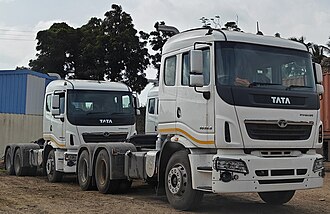
Tata Prima – The Global Heavy-Duty Truck Designed for Modern Transportation
The Tata Prima represents one of the most important developments in the history of Tata Motors’ commercial vehicle division. Designed as a global heavy-duty truck platform, the Prima was created to compete with leading international truck manufacturers by combining advanced engineering, powerful engines, modern driver comfort, strong durability, and exceptional versatility. Unlike traditional commercial vehicles that were primarily developed for specific regional markets, the Tata Prima was conceived as a worldwide product capable of meeting the needs of transportation industries across Asia, Africa, the Middle East, Latin America, and other emerging markets.
Introduced as a premium truck range, the Tata Prima marked a significant shift in Tata Motors’ approach to heavy commercial vehicles. The company focused not only on payload capability and mechanical reliability but also on improving driver experience, operational efficiency, safety, and technological sophistication. The result was a truck designed to serve demanding applications such as long-distance freight transportation, construction, mining, infrastructure development, oil and gas operations, logistics, and specialized industrial transport.
The Tata Prima combines international design influences with Tata Motors’ deep understanding of challenging operating environments. It incorporates advanced cabin architecture, powerful diesel engines, electronically controlled transmissions, robust chassis construction, and multiple axle configurations. This combination allows the Prima to deliver high productivity while maintaining the reliability expected from a commercial vehicle operating under difficult conditions.
This comprehensive article explores the complete story of the Tata Prima, including its development, engineering philosophy, exterior design, cabin technology, engine options, transmission systems, driving performance, commercial applications, maintenance requirements, advantages, limitations, and a detailed technical specification summary.
The History and Development of the Tata Prima
The Tata Prima was introduced in the late 2000s as part of Tata Motors’ ambitious strategy to establish itself as a global commercial vehicle manufacturer. Before the Prima, Tata Motors had already built a strong reputation in India and several international markets through reliable and economical trucks designed for practical transportation needs. However, increasing globalization and growing demand for advanced heavy-duty vehicles required a new generation of trucks capable of competing directly with established international brands.
To achieve this goal, Tata Motors collaborated with international engineering organizations and incorporated global design practices into the Prima platform. The truck was developed with input from experienced automotive design teams and featured technologies intended to satisfy both domestic and international customers. The objective was not simply to create a stronger truck but to build a complete transportation solution that improved productivity, comfort, safety, and operating efficiency.
The introduction of the Prima represented a major technological leap for Tata Motors. It featured a more sophisticated cab design, improved aerodynamics, advanced electronic systems, stronger chassis engineering, and modern powertrain options. These improvements positioned the Prima above many traditional commercial trucks in Tata’s portfolio and allowed the company to enter higher-value market segments.
Engineering Philosophy Behind the Tata Prima
The Tata Prima was developed around the principle that modern commercial transportation requires more than just carrying capacity. A successful heavy-duty truck must reduce operating costs, maximize uptime, improve driver productivity, and adapt to different industries. Every major component of the Prima reflects this philosophy.
The chassis was engineered for strength and flexibility, allowing the same platform to support multiple applications. The drivetrain was designed to provide strong performance while maintaining fuel efficiency. The cabin focused on reducing driver fatigue during long journeys. Electronic systems were incorporated to improve safety, reliability monitoring, and overall vehicle management.
Another important aspect of the Prima’s engineering was global adaptability. Different countries have different road conditions, climate challenges, regulations, and transportation requirements. The Prima platform was therefore developed with multiple configurations, allowing customers to select specifications suitable for their individual operating environments.
Exterior Design and Aerodynamics
The exterior design of the Tata Prima immediately distinguishes it from many conventional commercial trucks. Instead of following purely functional styling traditions, Tata Motors created a more modern and aerodynamic appearance inspired by international heavy-duty vehicle design trends. The result is a truck that combines professional appearance with practical engineering advantages.
The aerodynamic cab shape helps reduce air resistance during highway operation, improving fuel efficiency over long distances. The large windshield provides excellent forward visibility, while carefully positioned mirrors improve awareness of surrounding traffic and obstacles. The elevated driving position gives operators a commanding view, which is particularly valuable in crowded industrial environments and construction sites.
Durability remains a central design priority. The front bumper, grille, lighting assemblies, and exterior panels are engineered to withstand demanding commercial use. Easy access to maintenance areas helps reduce service time, allowing operators to return vehicles to operation quickly after inspections or repairs.
Depending on configuration, the Prima can be equipped as a tractor unit, rigid cargo truck, tipper, tanker, or specialized industrial vehicle, demonstrating the flexibility of its exterior architecture.
Cabin Comfort and Driver Experience
One of the most significant improvements introduced by the Tata Prima is its emphasis on driver comfort. Professional truck drivers often spend many hours or even entire weeks inside their vehicles, making ergonomics an important factor in productivity and safety. The Prima cabin was designed to create a comfortable working environment comparable to international heavy-duty trucks.
The spacious cabin provides generous headroom, shoulder space, and legroom. Adjustable suspension seats reduce fatigue by absorbing road vibrations, while ergonomic controls ensure that important functions remain easy to operate. The dashboard layout provides clear visibility of vehicle information through modern instrumentation, helping drivers monitor performance and operating conditions.
Sleeper cab versions provide additional comfort for long-distance transportation. These configurations include resting areas that allow drivers to recover during extended journeys, making the Prima suitable for regional and international freight operations.
Climate control systems, improved insulation, storage compartments, and optional entertainment or communication equipment further enhance the overall driving experience.
Engine Technology and Performance
The Tata Prima has been offered with a range of powerful diesel engines designed to deliver the torque and reliability required for heavy commercial applications. These engines focus on producing strong pulling power at low engine speeds, which is essential when transporting heavy loads, climbing steep gradients, or operating in challenging environments.
Depending on model and market, the Prima has been equipped with engines sourced from Tata Motors’ own development programs as well as international technology partners. These powerplants incorporate turbocharging, intercooling, electronic fuel management, and advanced emissions-control systems.
The emphasis on torque rather than maximum speed allows the Prima to perform efficiently in real-world transportation conditions. Heavy trucks spend most of their working lives carrying substantial loads, and strong low-end performance directly improves productivity and reduces driver effort.
Modern versions incorporate improved combustion technology to achieve better fuel efficiency while meeting increasingly strict environmental standards. Electronic engine control systems continuously adjust fuel delivery, optimizing performance under different loads and driving conditions.
Transmission Systems
The Tata Prima uses advanced transmission systems designed specifically for heavy-duty commercial operation. Depending on configuration, customers may choose manual or automated transmission solutions. Manual gearboxes remain popular among operators who prefer direct control and mechanical simplicity, while automated systems provide greater comfort and efficiency.
Automated manual transmissions reduce driver workload by selecting gears automatically according to vehicle speed, engine load, and road conditions. This is especially beneficial for long-distance drivers who experience frequent traffic congestion or changing terrain.
Properly matched gear ratios ensure efficient power delivery, allowing the engine to operate within its optimal performance range. This improves fuel economy while reducing mechanical stress on drivetrain components.
Chassis Strength and Configurations
The foundation of the Tata Prima is its heavy-duty ladder-frame chassis engineered to withstand continuous commercial abuse. High-strength steel construction provides structural rigidity while allowing flexibility for different body installations.
The chassis supports a wide range of configurations including 4×2, 6×4, 8×4, and other specialized arrangements depending on market requirements. This flexibility allows the Prima to serve industries ranging from highway freight transportation to extreme-duty construction and mining operations.
Reinforced cross-members and durable mounting points enable the installation of specialized equipment such as cranes, mixers, dump bodies, fuel tanks, and recovery systems. This adaptability is one of the truck’s greatest strengths.
Suspension and Ride Quality
The Tata Prima suspension system is designed to balance durability, payload capability, and driver comfort. Heavy-duty applications require suspension components capable of supporting substantial weight while maintaining vehicle stability under difficult conditions.
Depending on application, the Prima can use combinations of leaf spring and air suspension systems. Leaf springs provide exceptional durability for construction and heavy-load operations, while air suspension improves ride comfort and helps protect sensitive cargo during long-distance transportation.
The suspension design contributes to predictable handling characteristics, ensuring that the truck remains stable when carrying heavy loads on highways, industrial roads, and construction sites.
Heavy-Duty Applications of the Tata Prima
Long-Distance Freight Transportation
The Tata Prima is well suited for logistics companies requiring dependable highway transportation. Tractor units paired with trailers can efficiently move containers, industrial goods, consumer products, and bulk cargo across long distances.
Construction Industry
Construction companies use Prima variants for transporting aggregates, concrete equipment, steel structures, and heavy machinery. Tipper versions are especially valuable for mining and infrastructure projects.
Mining Operations
Mining environments demand exceptional durability because vehicles operate under extreme loads, rough terrain, dust, and continuous working schedules. The Prima’s robust chassis and powerful engines make it suitable for demanding mining applications.
Specialized Industrial Transport
The platform can support tankers, cranes, recovery vehicles, and other specialized bodies, allowing businesses to customize trucks according to operational requirements.
Fuel Efficiency and Operating Costs
Fuel consumption is one of the most important factors influencing commercial vehicle profitability. Tata Motors designed the Prima with efficiency in mind by combining aerodynamic improvements, advanced engines, optimized transmissions, and electronic management systems.
While heavy-duty trucks naturally consume more fuel than smaller vehicles, efficient operation can significantly reduce total ownership costs. The Prima’s engineering focuses on maximizing productivity per liter of fuel rather than simply minimizing consumption figures.
Maintenance accessibility, widespread Tata service support, and durable mechanical components further contribute to competitive operating expenses.
Reliability and Durability
The Tata Prima has earned recognition for its ability to operate reliably under demanding commercial conditions. Heavy trucks are expected to function for long hours, carry maximum loads, and withstand challenging environments, and the Prima was developed with these requirements in mind.
The strong chassis, durable engines, reinforced drivetrain components, and robust suspension systems contribute to long service life. Fleet operators benefit from reduced downtime and improved productivity when vehicles remain operational consistently.
Regular maintenance remains essential, but the Prima’s engineering provides a strong foundation for years of dependable commercial operation.
Safety Features
Modern heavy-duty trucks require advanced safety systems, and the Tata Prima incorporates numerous technologies designed to protect drivers, cargo, and other road users. Depending on specification, features may include anti-lock braking systems, electronic braking systems, stability control, improved lighting, reinforced cabins, and advanced monitoring systems.
The elevated seating position provides excellent visibility, while large mirrors and optional camera systems improve maneuvering safety. Strong cabin construction contributes to occupant protection during collisions.
Maintenance Recommendations
Engine Maintenance
Regular oil changes, filter replacement, fuel system inspections, and cooling system checks are essential for maintaining diesel engine performance and extending service life.
Transmission Care
Transmission fluids, clutch systems, and automated transmission components should be inspected according to manufacturer recommendations to prevent costly repairs.
Brake System Inspection
Heavy trucks require frequent brake inspections due to the enormous forces involved during stopping. Air systems, brake pads, discs, and electronic controls should be maintained carefully.
Chassis and Suspension Checks
Regular inspection of frame components, suspension bushings, springs, and steering systems helps identify wear before it affects safety or reliability.
Advantages of the Tata Prima
The Tata Prima offers numerous advantages, including modern design, powerful engines, excellent payload capability, comfortable cabins, global engineering influence, versatile configurations, strong durability, competitive operating costs, and suitability for demanding industries. Its ability to combine international truck features with practical commercial reliability has made it an important model within Tata Motors’ portfolio.
Potential Limitations
Although the Tata Prima is a capable heavy-duty truck, it may not be the ideal choice for every application. Its size and power make it unsuitable for small urban delivery operations where lighter vehicles are more economical. Advanced systems may require trained technicians, and availability of certain specialized components can vary by region. However, for heavy transport applications, these limitations are generally minor compared with its capabilities.
The Legacy of the Tata Prima
The Tata Prima represents a major milestone in Tata Motors’ transformation from a regional commercial vehicle manufacturer into a global truck producer. It demonstrated that Indian engineering could successfully create a modern heavy-duty truck capable of competing internationally.
Through advanced technology, strong engineering, and practical design, the Prima expanded Tata Motors’ presence in demanding commercial vehicle markets. Its influence continues through later generations of Tata trucks that build upon the lessons learned from this important platform.
Conclusion
The Tata Prima stands as one of the most ambitious and technologically advanced trucks ever developed by Tata Motors. Combining international design standards with proven commercial vehicle expertise, it delivers the strength, efficiency, versatility, and reliability required by modern transportation industries.
From long-distance freight operations to construction, mining, and specialized industrial applications, the Tata Prima demonstrates the qualities that define a successful heavy-duty truck: durability, productivity, driver comfort, and dependable performance. Its role in Tata Motors’ evolution makes it an important chapter in the history of commercial vehicle engineering.
Technical Specifications Summary
| Specification | Details |
|---|---|
| Manufacturer | Tata Motors |
| Model | Tata Prima |
| Vehicle Class | Heavy-duty commercial truck |
| Cab Type | Modern cab-over-engine design |
| Engine Type | Turbocharged diesel engine |
| Fuel System | Electronic fuel injection / Common rail (variant dependent) |
| Engine Displacement | Approximately 5–12 liters depending on configuration |
| Power Output | Approximately 180–400+ hp depending on variant |
| Torque | Approximately 700–2,000 Nm depending on engine |
| Transmission | Manual or Automated Manual Transmission |
| Drive Configurations | 4×2, 6×4, 8×4 and specialized configurations |
| Frame Type | Heavy-duty ladder frame |
| Suspension | Leaf spring and air suspension combinations |
| Brakes | Air brakes with ABS/EBS on selected variants |
| Fuel Type | Diesel |
| Applications | Freight, Construction, Mining, Tankers, Heavy Haulage, Logistics |
| Cab Options | Day Cab and Sleeper Cab |
| Safety Features | ABS, EBS, Stability Systems, Reinforced Cabin, Driver Assistance Features |
| Main Strengths | Global Design, Durability, Payload Capability, Comfort, Versatility |
