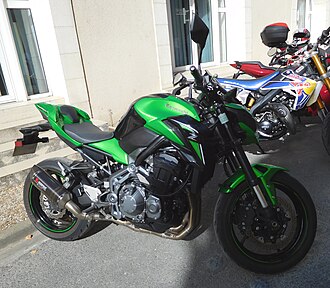
Kawasaki Z900: The Complete Guide to Kawasaki’s Legendary Supernaked Motorcycle
The Kawasaki Z900 has become one of the defining motorcycles in the modern naked bike segment, earning worldwide recognition for its exceptional balance of performance, comfort, aggressive styling, reliability, and everyday usability. Since its introduction in 2017, the Z900 has consistently ranked among the best-selling motorcycles in Kawasaki’s lineup, attracting riders ranging from experienced commuters to enthusiasts seeking thrilling weekend rides. Unlike pure supersport motorcycles that prioritize racetrack performance above everything else, the Z900 was engineered to deliver excitement in real-world riding situations while maintaining the comfort and practicality necessary for daily use. This carefully balanced philosophy has allowed the motorcycle to establish an outstanding reputation within the highly competitive middleweight and liter-class naked motorcycle market.
The motorcycle represents the modern evolution of Kawasaki’s legendary Z family, a lineage dating back to the revolutionary Z1 introduced in the early 1970s. Throughout the decades, Kawasaki has continually refined the concept of the naked performance motorcycle, combining powerful inline-four engines with upright ergonomics, responsive chassis design, and distinctive styling. The Z900 perfectly embodies these principles by offering exhilarating acceleration, precise handling, advanced electronics, and a muscular appearance while remaining approachable enough for riders who have developed beyond beginner motorcycles but do not necessarily seek the uncompromising nature of superbikes.
One of the reasons for the Z900’s lasting popularity is its versatility. During weekday commuting it behaves like a refined, comfortable standard motorcycle that is easy to ride through city traffic. On weekends it transforms into an exciting canyon carver capable of delivering remarkable performance on winding roads. Long-distance touring is equally achievable with appropriate accessories, while occasional track day participation remains entirely within the motorcycle’s capabilities. Few motorcycles manage to perform such a wide variety of tasks as successfully as the Kawasaki Z900, making it one of the most complete motorcycles available in its category.
The History of the Kawasaki Z900
The Kawasaki Z900 was officially introduced for the 2017 model year as the successor to the popular Z800. While the Z800 had earned widespread praise for its muscular styling and strong inline-four performance, Kawasaki recognized opportunities to improve nearly every aspect of the motorcycle. Engineers focused on reducing weight, increasing power, enhancing rider comfort, refining chassis dynamics, and introducing modern electronic rider aids that would improve both safety and riding enjoyment.
Rather than simply increasing engine displacement, Kawasaki developed an entirely new platform. The previous steel backbone frame gave way to a lightweight high-tensile steel trellis frame inspired by the company’s high-performance motorcycles. The engine increased to 948 cubic centimeters while becoming significantly lighter than its predecessor. Combined with revised suspension geometry and carefully optimized mass centralization, these changes dramatically improved agility without sacrificing high-speed stability.
The Z900 has continued evolving through multiple updates since its introduction. Later versions received full-color TFT instrumentation, smartphone connectivity, selectable riding modes, traction control, LED lighting, improved emissions compliance, and additional electronic features while preserving the motorcycle’s core identity. Despite these technological improvements, Kawasaki carefully maintained the engaging riding character that made the original Z900 such a commercial success.
Design Philosophy
Sugomi Styling Language
The Kawasaki Z900 follows Kawasaki’s distinctive Sugomi design philosophy, a styling concept intended to communicate controlled aggression, athletic strength, and dynamic energy even while the motorcycle is stationary. Every body panel contributes to this objective. The sharply sculpted fuel tank creates muscular proportions, while the compact tail section gives the motorcycle a forward-leaning appearance that suggests constant readiness for acceleration. Minimal bodywork exposes much of the engine and frame, emphasizing mechanical honesty rather than hiding engineering beneath unnecessary plastic panels.
The front of the motorcycle features an aggressive LED headlight assembly that has become one of the defining visual elements of the modern Z family. Angular radiator shrouds blend seamlessly into the fuel tank, while carefully integrated side panels direct attention toward the exposed inline-four engine. Even seemingly minor details such as the wheel design, engine covers, exhaust routing, and passenger seat contribute to the motorcycle’s cohesive appearance.
Unlike motorcycles whose styling rapidly follows changing design trends, the Z900 possesses a timeless quality because its appearance is fundamentally connected to its engineering. The exposed frame, visible engine, compact proportions, and muscular stance ensure that the motorcycle remains visually attractive even years after its original introduction.
Ergonomics and Rider Position
Although the Z900 projects an aggressive image, its ergonomics prioritize rider comfort without sacrificing precise control. The wide aluminum handlebars provide excellent leverage during low-speed maneuvering while allowing confident steering inputs during spirited riding. The seat is positioned at a moderate height that accommodates riders of various sizes, and the carefully positioned footpegs allow both comfortable commuting and confident cornering.
Compared with fully faired supersport motorcycles, the upright seating position dramatically reduces pressure on the wrists, shoulders, and lower back. This makes the motorcycle significantly more comfortable during extended journeys while maintaining excellent rider feedback through the chassis. Visibility in traffic is excellent, further enhancing confidence during urban commuting.
The 948cc Inline-Four Engine
The heart of the Kawasaki Z900 is its remarkable 948 cc liquid-cooled DOHC inline-four engine. Rather than deriving directly from Kawasaki’s supersport motorcycles, this engine was specifically developed for street riding. Engineers prioritized broad torque, immediate throttle response, smooth acceleration, and everyday rideability rather than concentrating exclusively on maximum horsepower figures at extremely high engine speeds.
The result is an engine that feels exceptionally flexible throughout the rev range. Low-speed operation remains smooth enough for city traffic, mid-range acceleration is impressively strong for overtaking slower vehicles, and high-rev performance continues delivering exhilarating acceleration for experienced riders. This broad spread of usable power distinguishes the Z900 from many motorcycles that require constant gear changes to remain within a narrow performance window.
Power Delivery
One of the Z900’s defining characteristics is its exceptionally linear power delivery. Opening the throttle produces predictable acceleration without sudden surges or abrupt transitions. This allows riders to confidently exploit the motorcycle’s performance while reducing unnecessary intimidation. Experienced enthusiasts appreciate the engine’s willingness to rev enthusiastically, while newer riders benefit from its forgiving low-speed behavior.
The intake sound further enhances the riding experience. As engine speed increases, the inline-four develops a distinctive induction roar that complements the refined exhaust note without becoming overwhelming during long rides. Combined with the smooth six-speed transmission and light clutch operation, the engine creates one of the most enjoyable powertrains available in the naked motorcycle segment.
Frame and Chassis
One of the most significant engineering improvements introduced with the Z900 was its lightweight trellis frame. Constructed from high-tensile steel, the frame provides exceptional rigidity while contributing to a substantial reduction in overall weight compared with the previous generation. Engineers carefully optimized frame stiffness to deliver responsive handling without compromising ride comfort on imperfect road surfaces.
Mass centralization plays an equally important role in the motorcycle’s handling characteristics. Heavy components including the engine, exhaust system, and fuel tank are positioned to minimize rotational inertia, allowing the motorcycle to change direction quickly while remaining stable during high-speed riding. Riders frequently comment that the Z900 feels considerably lighter than its specifications suggest once it begins moving.
Suspension System
Balanced Suspension Performance
The suspension system consists of an inverted front fork paired with Kawasaki’s horizontal back-link rear suspension. Both components were carefully tuned to provide an excellent compromise between comfort and sporty handling. Rather than creating an excessively stiff setup intended primarily for racetrack use, Kawasaki engineered the suspension to perform confidently across the wide variety of road conditions encountered during everyday riding.
Urban streets, highways, and winding mountain roads are all handled with impressive composure. The suspension effectively absorbs surface imperfections while maintaining sufficient support during aggressive cornering and hard braking. Adjustable rear preload allows riders to compensate for passengers or touring luggage, increasing the motorcycle’s versatility for different riding situations.
Braking Performance
The Kawasaki Z900 features a powerful braking system consisting of dual large-diameter front discs paired with a rear hydraulic disc. Radial-mounted front calipers provide excellent stopping performance while maintaining outstanding braking feel and modulation. Rather than delivering excessively aggressive initial bite, the system allows riders to apply braking force progressively and precisely.
Modern versions include advanced ABS calibrated specifically for sporty street riding. The system intervenes smoothly during low-traction conditions while remaining largely unobtrusive during normal operation. Together with the motorcycle’s stable chassis and predictable suspension, the braking system contributes significantly to rider confidence in both everyday commuting and spirited riding.
The Riding Experience
The true brilliance of the Kawasaki Z900 becomes evident once the motorcycle is ridden. Despite producing impressive performance figures, it never feels intimidating or unnecessarily demanding. Steering is neutral, throttle response is predictable, the engine is remarkably flexible, and the upright riding position allows riders to remain comfortable even after extended periods in the saddle.
Whether navigating congested urban traffic, accelerating confidently onto highways, carving through mountain roads, or simply enjoying relaxed weekend rides, the Z900 consistently demonstrates why it has become one of Kawasaki’s most successful motorcycles. It successfully combines the excitement expected from a powerful inline-four engine with the practicality required for everyday ownership, creating a remarkably complete riding experience that appeals to an exceptionally broad range of motorcyclists.
“`html id=”kz900p2″
Reliability and Long-Term Ownership
The Kawasaki Z900 has developed an excellent reputation for reliability, continuing Kawasaki’s long-standing tradition of producing durable and dependable inline-four motorcycles. The 948cc engine is engineered with a strong focus on longevity, smooth operation, and consistent performance rather than simply chasing maximum output. This approach allows the motorcycle to deliver exciting performance while maintaining the durability expected from a machine designed for everyday use. Many owners choose the Z900 precisely because it provides superbike-level excitement in a package that remains practical and dependable over many years of ownership.
The engine’s robust construction, efficient cooling system, and conservative internal design contribute significantly to its reliability. Unlike highly stressed racing-derived engines that require frequent attention, the Z900’s powerplant is designed to handle daily commuting, highway travel, weekend rides, and spirited acceleration without excessive maintenance demands. Properly serviced examples regularly accumulate high mileage while continuing to provide smooth power delivery and excellent mechanical performance.
Another advantage of the Z900 is its relatively simple mechanical layout. Although modern versions include advanced electronics such as traction control, riding modes, and smartphone connectivity, the fundamental motorcycle remains straightforward and durable. The proven inline-four engine architecture reduces complexity while delivering outstanding refinement, making the Z900 an attractive choice for riders seeking long-term ownership confidence.
Maintenance Requirements
Maintaining a Kawasaki Z900 is relatively uncomplicated when compared with many high-performance motorcycles. Regular oil and filter changes are essential for preserving engine health, particularly because the motorcycle’s performance encourages enthusiastic riding. High-quality engine oil and consistent servicing help maintain the smooth operation and reliability for which Kawasaki engines are known.
The chain drive requires regular inspection, cleaning, lubrication, and adjustment. Because the Z900 produces strong torque, proper chain maintenance is important for maintaining smooth acceleration and preventing premature wear of the chain and sprockets. Brake pads, brake fluid, tires, coolant, and air filters should also be checked according to recommended service intervals.
Valve clearance inspections are another important part of scheduled maintenance. Although modern Kawasaki engines are highly durable, maintaining correct valve clearances ensures optimal combustion efficiency, smooth operation, and long-term reliability. Riders who follow the recommended maintenance schedule can expect many years of trouble-free performance from their Z900.
Common Issues and Used Bike Considerations
The Kawasaki Z900 is generally considered a very reliable motorcycle, but buyers looking at used examples should still perform a careful inspection. Most potential issues are related to normal wear, previous owner modifications, or accident damage rather than inherent mechanical weaknesses. Checking maintenance records is one of the most important steps when evaluating a used motorcycle.
Common inspection points include the condition of the chain and sprockets, brake components, tires, suspension seals, steering bearings, and electrical systems. Because naked motorcycles are frequently used for urban riding, minor cosmetic damage from parking incidents or low-speed falls is relatively common. Such damage does not necessarily indicate a serious problem, but structural components should always be inspected carefully.
Many Z900 owners install aftermarket accessories such as exhaust systems, tail tidy kits, crash protection, and performance parts. Quality modifications can improve the motorcycle, but poorly installed accessories may create unnecessary problems. Buyers should inspect electrical connections, exhaust installation, and any changes from factory specifications before purchasing.
Fuel Economy and Running Costs
Despite its impressive performance, the Kawasaki Z900 remains reasonably economical to operate. The fuel-injected 948cc engine provides efficient combustion while delivering substantial power, allowing riders to enjoy strong acceleration without excessive fuel consumption during normal riding. Fuel economy naturally varies depending on riding style, but smooth throttle control and regular maintenance can produce very respectable results.
Insurance costs are generally moderate compared with fully faired supersport motorcycles of similar performance. The Z900’s classification as a naked street motorcycle often makes it more affordable to insure, especially for experienced riders. Replacement parts are also widely available due to the motorcycle’s popularity, reducing long-term ownership expenses.
Consumable components such as tires, brake pads, chains, sprockets, and filters are available from numerous manufacturers, allowing owners to choose between original-equipment replacements and performance-oriented alternatives. This flexibility helps keep maintenance costs manageable while allowing riders to customize the motorcycle according to their needs.
Touring Capability
Although the Kawasaki Z900 is primarily designed as a performance naked motorcycle, it possesses many qualities that make it suitable for touring. The comfortable upright riding position, smooth engine, stable chassis, and strong mid-range power allow riders to cover significant distances with confidence. With the addition of suitable accessories, the Z900 can transform into a capable long-distance travel machine.
Popular touring upgrades include taller windscreens, luggage systems, tank bags, heated grips, comfort seats, and phone or navigation mounts. These additions improve practicality without changing the motorcycle’s fundamental character. The strong engine performance is particularly beneficial during touring because overtaking and highway cruising require minimal effort.
The Z900’s manageable dimensions also provide advantages during travel. Unlike large touring motorcycles that can become difficult to maneuver in unfamiliar locations, the Z900 remains relatively easy to handle in cities, parking areas, and narrow roads. This combination of performance and practicality makes it appealing to riders who enjoy exploring without wanting the weight and complexity of a dedicated touring machine.
Technology and Electronic Features
Modern Rider Assistance Systems
Later versions of the Kawasaki Z900 introduced a range of electronic improvements designed to enhance safety and convenience while preserving the motorcycle’s engaging riding character. Features such as Kawasaki Traction Control (KTRC), selectable riding modes, and advanced ABS provide additional confidence in changing weather and road conditions.
Traction control allows riders to adjust intervention levels according to their preferences and riding environment. Lower settings permit more aggressive acceleration and rear-wheel movement, while higher settings provide additional assistance on slippery surfaces. Riding modes modify throttle response and electronic intervention, allowing the motorcycle to adapt to different situations.
Display and Connectivity
Modern Z900 models feature full-color TFT displays that provide clear information through an attractive and easy-to-read interface. Depending on model year and market, smartphone connectivity allows riders to access additional functions through Kawasaki’s dedicated applications, including ride information, maintenance reminders, and vehicle data.
These technological improvements enhance ownership convenience without overwhelming the riding experience. Kawasaki has maintained a careful balance between modern features and mechanical simplicity, ensuring that electronics support the rider rather than dominate the motorcycle’s character.
Customization and Aftermarket Support
The Kawasaki Z900 has one of the strongest aftermarket communities among modern naked motorcycles. Its popularity has encouraged manufacturers to produce a wide range of accessories designed to improve performance, comfort, protection, and appearance. This extensive support allows owners to personalize their motorcycles according to individual preferences.
Performance modifications commonly include aftermarket exhaust systems, high-flow air filters, ECU tuning, upgraded suspension components, premium brake pads, and braided brake lines. Touring-focused riders often add luggage solutions, windscreens, heated grips, and comfort accessories. Cosmetic upgrades such as custom mirrors, lighting systems, graphics, and carbon-style components are also extremely popular.
Protection accessories are particularly common because many owners use the Z900 for everyday riding. Frame sliders, engine covers, radiator guards, and axle protectors help reduce potential damage from accidental drops or road debris. The motorcycle’s flexible platform makes customization straightforward while preserving its original strengths.
Kawasaki Z900 Compared With Competitors
Kawasaki Z900 vs Yamaha MT-09
The Yamaha MT-09 is one of the Z900’s most significant competitors. Both motorcycles offer impressive performance, advanced technology, and aggressive styling, but their personalities differ considerably. The Yamaha’s three-cylinder engine delivers distinctive character and strong low-end torque, while the Kawasaki’s inline-four provides smoother power delivery and a more traditional high-revving feel.
Riders seeking maximum engine personality and lightweight agility may prefer the MT-09, while those looking for refined power delivery, stability, and four-cylinder smoothness often appreciate the Z900. Both motorcycles represent excellent choices in the performance naked category.
Kawasaki Z900 vs Honda CB1000R
The Honda CB1000R competes with the Z900 by offering premium styling, strong performance, and Honda’s reputation for refinement. The Honda generally emphasizes sophisticated design and smooth operation, while the Kawasaki focuses on aggressive styling, value, and engaging performance.
The Z900 often appeals to riders seeking maximum performance per dollar, while the CB1000R attracts those prioritizing premium finishes and upscale presentation. Both motorcycles demonstrate different interpretations of the modern naked bike concept.
Kawasaki Z900 vs Suzuki GSX-S950
The Suzuki GSX-S950 shares the philosophy of combining sportbike-derived performance with everyday usability. The Kawasaki generally offers stronger performance, a larger engine, and a more established reputation in the segment. The Suzuki provides an alternative for riders interested in a different approach to the modern naked motorcycle.
Buying a Used Kawasaki Z900
The Kawasaki Z900 is an excellent used motorcycle purchase because of its reliability, performance, and strong market reputation. Buyers should focus on maintenance history, overall condition, and evidence of responsible ownership. A motorcycle with complete service documentation is usually more valuable than an example with lower mileage but uncertain history.
Important inspection areas include the engine, transmission, clutch, chain, brakes, suspension, tires, frame, and electronics. A test ride should confirm smooth acceleration, accurate gear changes, stable handling, and proper braking performance. Because the Z900 platform is fundamentally strong, finding a carefully maintained example can provide years of enjoyable riding.
The Legacy of the Kawasaki Z900
The Kawasaki Z900 has become one of the most important motorcycles in the modern Z family. It successfully combines the heritage of Kawasaki’s legendary inline-four performance motorcycles with contemporary technology, aggressive styling, and everyday practicality. The motorcycle demonstrates that a high-performance machine does not need to sacrifice comfort or usability.
Its success has ensured the continuation of Kawasaki’s Z philosophy into the future. By offering strong performance, accessible handling, and dependable ownership, the Z900 represents exactly what many riders want from a modern naked motorcycle. It remains a benchmark in its class and a motorcycle that continues attracting enthusiasts around the world.
Conclusion
The Kawasaki Z900 is one of the most complete naked motorcycles available today. Its powerful 948cc inline-four engine, lightweight chassis, aggressive styling, modern electronics, and exceptional reliability create a package capable of satisfying an incredibly wide range of riders. It provides thrilling performance without becoming impractical, comfortable ergonomics without sacrificing excitement, and advanced technology without losing the mechanical character that defines Kawasaki motorcycles.
Whether used for daily commuting, weekend adventures, touring, or simply enjoying the freedom of motorcycling, the Z900 delivers an experience that few motorcycles can match. Its combination of performance, versatility, and personality ensures that it will remain one of Kawasaki’s most celebrated motorcycles for many years to come.
Kawasaki Z900 Technical Specifications
| Specification | Details |
|---|---|
| Model | Kawasaki Z900 |
| Production Years | 2017–Present |
| Engine Type | Liquid-cooled, 4-stroke, DOHC, inline-four |
| Engine Displacement | 948 cc |
| Bore × Stroke | 73.4 mm × 56.0 mm |
| Compression Ratio | 11.8:1 |
| Fuel System | Electronic fuel injection |
| Maximum Power | Approximately 125 hp (92.2 kW) |
| Maximum Torque | Approximately 98.6 Nm |
| Transmission | 6-speed manual |
| Clutch | Assist and slipper clutch |
| Final Drive | Chain |
| Frame | High-tensile steel trellis frame |
| Front Suspension | 41 mm inverted fork with adjustable settings |
| Rear Suspension | Horizontal back-link shock with preload adjustment |
| Front Brake | Dual 300 mm discs with radial calipers |
| Rear Brake | 250 mm disc |
| Front Tire | 120/70 ZR17 |
| Rear Tire | 180/55 ZR17 |
| Wheelbase | 1,450 mm |
| Seat Height | 820 mm |
| Fuel Tank Capacity | 17 liters |
| Curb Weight | Approximately 212 kg |
| Top Speed | Approximately 240 km/h |
| Electronics | Kawasaki Traction Control, riding modes, ABS, TFT display (model dependent) |
| Riding Character | Powerful, refined, aggressive, versatile supernaked motorcycle |
