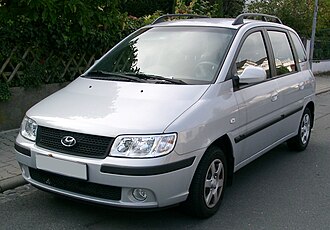
Hyundai Matrix as a Used Car: A Practical Guide to Buying This Compact MPV
The Hyundai Matrix is an unusual but interesting choice on the used car market. Produced between 2001 and 2010, this compact MPV was designed to combine the practicality of a small family van with the driving comfort and affordability of a hatchback. Although it never became one of Hyundai’s most famous models, the Matrix developed a loyal following among drivers who valued interior space, reliability, simple mechanics, and low running costs over image or sporty performance. Today, it represents an affordable option for buyers looking for a practical second-hand vehicle that can handle daily commuting, family duties, and longer journeys without demanding a large budget.
Unlike many modern vehicles that focus heavily on technology, complex electronics, and premium features, the Hyundai Matrix belongs to a simpler era of car design. Its main strengths are easy maintenance, good visibility, clever use of space, and relatively inexpensive repairs. For buyers who need a functional vehicle rather than a fashionable one, the Matrix can still make a lot of sense. However, like any used car, it has weaknesses that should be carefully considered before purchase, including age-related wear, rust issues, and differences in reliability between engines and equipment levels.
Hyundai Matrix: Design and Concept
A Compact MPV Built for Practicality
The Hyundai Matrix was created as a compact multi-purpose vehicle aimed primarily at families and practical drivers. Its tall body design allowed Hyundai engineers to provide a surprisingly spacious cabin while keeping the exterior dimensions relatively small. This made the Matrix easy to drive in cities, simple to park, and economical compared with larger family vehicles.
The design was developed with practicality as the main priority. The upright seating position gives passengers a better view of the road and creates a more comfortable entry and exit compared with traditional low hatchbacks. The high roofline also improves headroom, especially for rear passengers, making the Matrix feel larger inside than its exterior appearance suggests.
The styling of the Matrix has aged differently depending on personal taste. Some drivers appreciate its distinctive shape and functional character, while others may find its design less attractive compared with newer vehicles. It was never intended to be a luxury or performance model; instead, it focused on versatility and everyday usefulness.
Interior Space and Everyday Usability
One of the strongest reasons to consider a Hyundai Matrix as a used car is the interior layout. The cabin offers excellent space utilization, with plenty of storage compartments and flexible seating arrangements. Rear seats can be folded or adjusted, allowing owners to transport larger items that would not easily fit in a conventional compact car.
For families, the Matrix provides enough room for passengers and luggage during normal trips. The elevated seating position is also convenient for older passengers or anyone who prefers easier access. The dashboard layout is simple and functional, with controls that are easy to understand even for drivers who are not interested in modern automotive technology.
The quality of interior materials is average rather than luxurious. Hard plastics are common, and after many years of use some examples may show signs of wear, such as damaged trim, worn seat fabrics, or loose interior panels. However, the simple construction also means that many repairs can be performed without excessive expense.
Driving Experience and Comfort
How the Hyundai Matrix Drives
The Hyundai Matrix was not designed as a sporty vehicle, and its driving characteristics reflect its practical purpose. The suspension setup prioritizes comfort, making it suitable for normal city driving and relaxed highway journeys. Steering is light, visibility is excellent, and the car feels easy to control.
The tall body means that the Matrix is not especially suited to aggressive cornering. During faster driving, some body movement can be noticeable, but this is typical for compact MPVs. Drivers who understand its purpose will find it comfortable and predictable.
The biggest advantage of the Matrix is that it feels uncomplicated. It does not require special driving techniques, and many owners appreciate its straightforward nature. It is a car designed to perform everyday tasks rather than provide excitement.
Engine Options and Performance
The Hyundai Matrix was offered with several petrol and diesel engines depending on the market. Petrol versions generally include smaller engines aimed at affordability and simplicity, while diesel variants provide stronger low-speed torque and better fuel economy for drivers who travel longer distances.
The smaller petrol engines are adequate for urban use but can feel limited when the vehicle is fully loaded or driven on steep roads. The diesel engines are often preferred by drivers who regularly cover longer distances because they provide better pulling power and improved efficiency.
Performance figures are modest by modern standards. Acceleration is not particularly quick, but the Matrix delivers enough power for normal traffic conditions. Buyers should focus less on speed and more on selecting an engine that matches their driving habits.
Reliability and Common Problems
Is the Hyundai Matrix Reliable?
Reliability is one of the main reasons the Hyundai Matrix remains attractive on the used market. The mechanical design is relatively simple, and many examples have reached high mileage when properly maintained. Routine servicing, regular oil changes, and timely replacement of worn components are usually more important than the car’s age alone.
Because the Matrix is now an older vehicle, condition varies significantly between individual examples. A well-maintained car can be a very sensible purchase, while a neglected example may require immediate investment. The service history should always be checked before buying.
The availability of replacement parts is another advantage. Hyundai produced large numbers of vehicles using similar components, meaning many parts remain affordable and accessible. Independent repair shops are generally familiar with the technology, which helps keep maintenance costs under control.
Common Issues to Check Before Buying
Potential buyers should pay attention to several areas. Rust is one of the most important concerns, especially in regions where vehicles are exposed to winter salt. Areas around wheel arches, doors, sills, and the underside of the vehicle should be inspected carefully.
Suspension components may also require attention due to the age of many surviving examples. Worn shock absorbers, bushes, and other suspension parts can affect ride comfort and handling. These repairs are usually not extremely expensive but should be considered when negotiating the purchase price.
Electrical problems can appear in older vehicles as well. Issues such as faulty window switches, central locking problems, or dashboard-related faults are possible. A complete inspection of all equipment before purchase is recommended.
Diesel versions should receive special attention. Buyers should check the condition of the turbocharger, fuel system, and other diesel-specific components, as repairs can be more expensive than those on simpler petrol engines.
Running Costs and Ownership Experience
Fuel Economy
Fuel consumption depends heavily on the chosen engine and driving style. Smaller petrol engines are reasonable for city use, while diesel models typically offer better economy on longer journeys. Compared with larger family vehicles, the Matrix remains inexpensive to operate.
Its compact dimensions also help reduce ownership costs. Tires, brakes, insurance, and routine servicing are generally affordable compared with larger vehicles. This makes the Matrix attractive to drivers who need practicality without high monthly expenses.
Maintenance and Repairs
One of the biggest advantages of owning a Hyundai Matrix is its straightforward maintenance. Many garages can service the vehicle easily, and the lack of complicated modern systems reduces the risk of extremely expensive failures.
However, buyers should remember that a cheap purchase price does not eliminate the possibility of repair costs. A vehicle that has been poorly maintained may need significant work immediately after purchase. Spending more on a cleaner, better-maintained example is usually the smarter decision.
Hyundai Matrix as a Used Car: Advantages and Disadvantages
The Hyundai Matrix offers several qualities that remain valuable even today. Its spacious interior, practical design, affordable maintenance, and comfortable driving position make it a useful choice for many drivers. It is especially suitable for families, older drivers, and anyone who values functionality over style.
On the other hand, the vehicle’s age is its biggest disadvantage. Compared with newer cars, it lacks modern safety technology, advanced infotainment systems, and refined driving characteristics. Fuel efficiency and performance are also only average by current standards.
The buying decision should therefore depend on priorities. Someone searching for an inexpensive and practical vehicle may find the Matrix very appealing, while a buyer expecting modern comfort and technology may be disappointed.
What to Look for When Buying a Used Hyundai Matrix
A careful inspection is essential before purchase. Buyers should check the service history, confirm mileage, inspect the bodywork for corrosion, and test all electrical equipment. A test drive should include city streets, faster roads, and uneven surfaces to identify possible suspension or engine problems.
The condition of the clutch, gearbox, brakes, and cooling system should also be evaluated. If possible, having the vehicle inspected by a mechanic before purchase is a worthwhile investment.
The best Hyundai Matrix examples are usually those owned by people who maintained them regularly rather than those sold because of major mechanical problems. A clean, well-documented vehicle can provide many years of dependable service.
Final Verdict: Is the Hyundai Matrix Worth Buying?
The Hyundai Matrix is not a vehicle that attracts attention, but it is a car built around sensible priorities. As a used car, it offers excellent practicality, affordable ownership, and a simple design that is easy to live with. Its biggest strengths are space, reliability, and low operating costs.
However, buyers must remember that every Hyundai Matrix on the market is now an older vehicle. Condition matters more than mileage alone, and careful inspection is necessary before making a decision. Choosing a well-maintained example with a good service history can result in a very practical and economical purchase.
For drivers who need an affordable family car and do not require modern luxury features, the Hyundai Matrix remains a surprisingly capable used vehicle. It may not be the most fashionable choice, but it continues to prove that a practical design and reliable engineering can remain valuable long after a model leaves production.
Hyundai Matrix Technical Specifications Summary
| Specification | Details |
|---|---|
| Model | Hyundai Matrix |
| Production years | 2001–2010 |
| Vehicle type | Compact MPV |
| Body style | 5-door multi-purpose vehicle |
| Seating capacity | 5 passengers |
| Engine types | Petrol and diesel engines |
| Petrol engine range | Approximately 1.6–1.8 litres (market dependent) |
| Diesel engine range | Approximately 1.5–2.0 litres (market dependent) |
| Transmission options | 5-speed manual, 4-speed automatic (depending on version) |
| Drive type | Front-wheel drive |
| Length | Approximately 4.0 metres |
| Width | Approximately 1.7 metres |
| Height | Approximately 1.6 metres |
| Wheelbase | Approximately 2.6 metres |
| Fuel system | Petrol injection / diesel injection depending on engine |
| Main strengths | Interior space, practicality, low maintenance costs |
| Main weaknesses | Age-related wear, rust risk, limited modern features |
| Best suited for | Families, city driving, budget-conscious owners |
