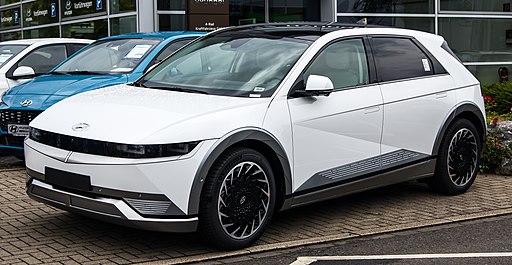
Hyundai Ioniq 5 as a Used Car: A Complete Guide for Buyers
The Hyundai Ioniq 5 represents one of the most important turning points in Hyundai’s history. Introduced as the first dedicated model under Hyundai’s electric Ioniq brand, it quickly gained attention for its futuristic design, impressive charging capabilities, spacious interior, and innovative approach to electric vehicle (EV) design. Unlike many early electric cars that were simply adapted versions of traditional petrol or diesel models, the Ioniq 5 was developed from the ground up as an EV, using Hyundai’s advanced E-GMP (Electric-Global Modular Platform) architecture.
As a used car, the Hyundai Ioniq 5 is becoming increasingly attractive for buyers who want modern electric technology without paying the full price of a new vehicle. It offers a combination of long driving range, excellent comfort, fast charging, and distinctive styling that separates it from many competitors. However, buying a used electric vehicle requires a different approach compared with purchasing a traditional combustion-engine car. Battery condition, software updates, charging habits, and warranty coverage are all important factors to consider.
For drivers looking for a practical and advanced electric family vehicle, the Ioniq 5 can be an excellent used-car choice. At the same time, potential owners should understand its strengths and weaknesses to ensure they select the right version and avoid unexpected costs.
Hyundai Ioniq 5: The Beginning of a New Electric Era
A Dedicated Electric Vehicle Platform
The Hyundai Ioniq 5 was launched in 2021 and marked a major change in Hyundai’s approach to electric mobility. Instead of modifying an existing petrol-powered platform, Hyundai built the car around its dedicated E-GMP electric architecture. This decision allowed engineers to create a vehicle with a longer wheelbase, a flat cabin floor, flexible interior packaging, and improved efficiency.
The result is a vehicle that feels much larger inside than its exterior dimensions suggest. The long wheelbase provides generous passenger space, especially for rear occupants, while the absence of a traditional engine compartment creates additional design freedom. The Ioniq 5 combines the footprint of a medium-sized hatchback with the interior practicality of a larger crossover.
Its retro-inspired styling, influenced by the classic Hyundai Pony, gives the car a unique appearance. Sharp lines, pixel-inspired lighting elements, and a minimalist body shape make the Ioniq 5 stand out in a market where many electric vehicles share similar aerodynamic designs. For many buyers, its appearance is one of the main reasons to choose it over more conventional alternatives.
Interior Quality and Everyday Practicality
Spacious Cabin and Innovative Design
One of the biggest advantages of the Hyundai Ioniq 5 as a used car is its interior space. The flat battery floor creates a comfortable open environment, while the long wheelbase provides excellent legroom for both front and rear passengers. The cabin feels more like a modern lounge than a traditional car interior, with a focus on simplicity and flexibility.
The rear seats can slide forward and backward in many versions, allowing owners to adjust the balance between passenger comfort and luggage capacity. The interior also includes numerous storage areas, making the Ioniq 5 practical for families and daily commuting. The absence of a large transmission tunnel improves the sense of space, particularly for rear passengers.
Material quality is generally good, with Hyundai focusing on a sustainable and modern cabin atmosphere. Soft-touch surfaces, digital displays, and a clean dashboard layout give the vehicle a premium feeling without reaching the price level of luxury electric models.
As a used vehicle, buyers should still inspect the interior carefully. Some early examples may show signs of wear on seats, trim pieces, or touch-sensitive controls. However, overall cabin durability is considered strong, especially when compared with many similarly priced electric vehicles.
Driving Experience and Performance
Comfort, Silence, and Electric Power
The Hyundai Ioniq 5 provides the type of driving experience many people expect from an electric vehicle: quiet, smooth, and effortless. The instant torque from the electric motor allows quick acceleration, while the low-mounted battery pack provides a stable center of gravity that improves handling.
Unlike some performance-focused EVs, the Ioniq 5 is primarily designed for comfort. The suspension is tuned to provide a relaxed ride, making it suitable for long-distance travel as well as everyday city driving. Road noise is well controlled, and the cabin remains calm even at highway speeds.
Different versions offer different performance levels. Rear-wheel-drive models generally provide a good balance between efficiency and power, while all-wheel-drive versions deliver stronger acceleration and improved traction in difficult conditions. For most drivers, the rear-wheel-drive variants provide more than enough performance for normal use.
Range and Charging Capability
Range is one of the most important considerations when buying any used electric vehicle. The Hyundai Ioniq 5 was offered with different battery sizes, most commonly around 58 kWh and 77.4 kWh depending on model year and market. The larger battery versions provide significantly greater range and are generally preferred by buyers who frequently travel longer distances.
One of the Ioniq 5’s strongest advantages is its 800-volt charging technology. When connected to a compatible high-power DC fast charger, it can recharge much faster than many competing electric vehicles. This capability makes long-distance travel more convenient and reduces the inconvenience of charging stops.
Actual range depends on factors such as temperature, driving style, speed, tire choice, and climate control usage. Like all electric vehicles, the Ioniq 5 typically achieves lower efficiency in cold weather, making battery heating systems and charging habits important considerations for owners living in colder regions.
Reliability and Common Issues
Is the Hyundai Ioniq 5 Reliable?
The Hyundai Ioniq 5 has generally received positive feedback for reliability, but as with any relatively new electric vehicle, there are specific areas buyers should examine. Electric motors typically require less maintenance than combustion engines because they contain fewer moving parts, meaning owners avoid many traditional repair concerns such as oil changes, timing belts, and exhaust system failures.
The high-voltage battery is one of the most important components to evaluate. Hyundai provides battery warranties in many markets, which can provide additional confidence for used buyers. Before purchasing, it is advisable to check the remaining warranty period and review any available battery health information.
Software is another important aspect of modern EV ownership. The Ioniq 5 relies heavily on electronic systems, and manufacturers regularly release updates to improve performance, charging behavior, and user experience. Ensuring that the vehicle has received all recommended updates is an important part of the buying process.
Common Problems to Check Before Buying
Early Hyundai Ioniq 5 models experienced some issues that buyers should be aware of. One commonly discussed area involves charging system behavior, including potential problems related to the integrated charging control unit on certain vehicles. Software updates and technical improvements have addressed many concerns, but a used buyer should confirm that all relevant repairs and updates have been completed.
Some owners have also reported minor issues involving infotainment systems, driver assistance features, or electronic controls. These problems are generally not related to the electric drivetrain itself but highlight the importance of testing all vehicle functions before purchase.
The 12-volt auxiliary battery should also be checked. Like many modern EVs, the Ioniq 5 still relies on a conventional 12-volt battery for various systems, and failures can cause unexpected electronic problems.
Ownership Costs and Maintenance
Running Costs Compared with Traditional Cars
One of the biggest advantages of owning a used Hyundai Ioniq 5 is the potential reduction in running costs. Electric vehicles generally require less routine maintenance because they do not need engine oil, spark plugs, fuel filters, or many other components associated with combustion engines.
Brake wear can also be lower because regenerative braking reduces the amount of work performed by traditional brakes. However, tires can be relatively expensive due to the vehicle’s weight and available performance levels. Owners should budget for high-quality tires designed to handle the characteristics of an electric vehicle.
Charging costs depend on electricity prices and charging habits. Home charging is usually the most convenient and economical option, while frequent use of public fast chargers may increase ownership expenses.
Depreciation and Used Market Value
Electric vehicles often experience significant depreciation, especially as new technology develops quickly. For used buyers, this can be an advantage because they can access advanced technology at a lower price than the original owner paid.
The Hyundai Ioniq 5 has maintained strong demand because of its distinctive design, practicality, and charging capability. However, prices vary depending on battery size, equipment level, mileage, and remaining warranty coverage.
A well-maintained example with a larger battery, complete service records, and updated software is likely to be the most desirable choice on the used market.
What to Look for When Buying a Used Hyundai Ioniq 5
Before purchasing a used Ioniq 5, buyers should inspect several important areas. Checking the battery warranty and confirming the vehicle’s service history should be among the first steps. A diagnostic scan can provide additional information about battery condition and possible electronic faults.
A test drive should include different driving conditions, including city traffic, highway speeds, and regenerative braking operation. Buyers should test the charging system if possible and confirm that all charging equipment functions correctly.
The condition of the tires, brakes, charging port, cameras, sensors, and infotainment system should also be examined. Because the Ioniq 5 includes many advanced features, repairing electronic components outside warranty can be expensive.
Final Verdict: Is the Hyundai Ioniq 5 Worth Buying Used?
The Hyundai Ioniq 5 is one of the most impressive used electric vehicles available today. It combines futuristic styling, excellent interior space, strong performance, fast charging capability, and low operating costs in a package that feels genuinely different from traditional cars.
Its biggest advantages are its dedicated EV platform, comfortable driving experience, and practical design. For buyers transitioning from a petrol or diesel vehicle, the Ioniq 5 offers a smooth introduction to electric ownership without sacrificing everyday usability.
However, buyers should approach the purchase carefully. Battery condition, software updates, warranty status, and charging history are more important than simply looking at mileage. A properly maintained example can provide many years of reliable service, while a neglected vehicle may create unnecessary complications.
For drivers who have access to convenient charging and want a modern electric vehicle with personality, the Hyundai Ioniq 5 is an excellent used-car option. It demonstrates how far electric vehicles have progressed and remains one of the most appealing choices in the growing second-hand EV market.
Hyundai Ioniq 5 Technical Specifications Summary
| Specification | Details |
|---|---|
| Model | Hyundai Ioniq 5 |
| Production years | 2021–present |
| Vehicle type | Electric crossover / hatchback |
| Platform | Hyundai E-GMP dedicated EV platform |
| Seating capacity | 5 passengers |
| Battery options | Approximately 58 kWh and 77.4 kWh (market dependent) |
| Electric motor options | Single motor rear-wheel drive or dual motor all-wheel drive |
| Drive type | Rear-wheel drive or all-wheel drive |
| Transmission | Single-speed reduction gear |
| Charging system | 800-volt ultra-fast charging capability |
| Maximum charging power | Up to approximately 350 kW (charger dependent) |
| Range | Approximately 300–500 km WLTP depending on version |
| Power output | Approximately 125–239 kW depending on version |
| Acceleration (0–100 km/h) | Approximately 5.1–8.5 seconds depending on version |
| Length | Approximately 4.64 metres |
| Width | Approximately 1.89 metres |
| Height | Approximately 1.60 metres |
| Wheelbase | Approximately 3.0 metres |
| Cargo capacity | Approximately 527 litres (expandable with seats folded) |
| Main strengths | Range, fast charging, interior space, comfort, design |
| Main weaknesses | Depreciation, electronic complexity, cold-weather range reduction |
| Best suited for | Families, commuters, EV buyers, long-distance drivers with charging access |
