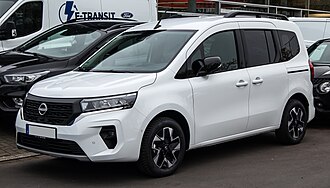
Is the Nissan Townstar a Good Used Car?
The Nissan Townstar is an interesting option on the used-car market for anyone looking for a compact commercial van or a practical passenger vehicle with plenty of interior space. Introduced as a modern replacement for the Nissan NV200, the Townstar combines relatively compact exterior dimensions with a surprisingly spacious interior, modern safety equipment and a choice of petrol and fully electric powertrains. It is designed to meet the needs of small businesses, tradespeople, delivery companies and families who need more carrying capacity than an ordinary passenger car can provide. Although it is still a relatively young model, used examples are gradually becoming more accessible, making it an increasingly interesting alternative to established small vans and MPVs.
One of the Townstar’s most important characteristics is its relationship with other vehicles in the Renault-Nissan-Mitsubishi alliance. The model shares its basic architecture and many mechanical components with the latest generation of the Renault Kangoo, while its wider technical family also includes the Mercedes-Benz Citan and T-Class. This shared development has allowed Nissan to offer a modern compact van with contemporary engines, efficient packaging and a comprehensive selection of comfort and safety features. For second-hand buyers, this relationship can be an advantage because many mechanical components are shared with vehicles that have a broader presence in the European market. However, it also means that buyers should understand the common technical characteristics of the platform rather than assuming that every component is unique to Nissan.
The Townstar is available in several configurations, including a commercial panel van and the passenger-oriented Townstar Combi. Depending on the body style and market, buyers can choose between a conventional turbocharged petrol engine and a fully electric version. The petrol model is generally the more flexible option for drivers who regularly travel longer distances or cannot rely on charging infrastructure, while the electric version can be particularly attractive for businesses operating within towns and cities. The passenger version also deserves attention because it combines the practicality of a small van with the comfort and versatility required for everyday family transport.
Nevertheless, buying a used Nissan Townstar requires careful consideration. The model has not been on the market for as long as competitors such as the Renault Kangoo or Volkswagen Caddy, so there is less long-term reliability information available. Its modern engines, electronic systems and electric powertrain also mean that the condition of individual components and the quality of previous maintenance should not be overlooked. In this guide, we examine the Townstar’s generations and versions, engines, transmission, electric technology, reliability, common inspection points, running costs and practical advantages and disadvantages to help you decide whether it is the right used vehicle for your needs.
Nissan Townstar Generations and Model Development
Unlike some long-established commercial vehicles, the Nissan Townstar has a relatively short production history. It was introduced in 2021, with the first vehicles reaching European customers around 2022. Consequently, buyers will not encounter several radically different generations on the second-hand market. Instead, the most important differences concern body configuration, equipment, powertrain, battery technology, wheelbase and model-year updates.
First Generation Nissan Townstar (2021 Onwards)
The first-generation Townstar was developed as a modern compact commercial vehicle with a strong emphasis on efficiency, practicality and everyday comfort. It replaced the NV200 in Nissan’s European light-commercial-vehicle range and introduced a more contemporary design, improved safety equipment and a choice of petrol and electric propulsion. Its exterior styling is relatively conventional for a small van, with a short front section, large side doors and a practical rear cargo area. The passenger-oriented Combi version has a more car-like appearance, making it suitable for private buyers who need additional interior space.
The vehicle was developed alongside the third-generation Renault Kangoo and shares much of its underlying engineering with that model. This is particularly relevant when researching spare parts, mechanical maintenance and servicing because some components and technical solutions are common across the two vehicles. The Townstar is also part of a broader family that includes the Mercedes-Benz Citan, although equipment, styling and certain technical details differ between manufacturers.
The first-generation Townstar is offered in different body configurations. The Van is designed primarily for commercial use, with a large enclosed cargo area, a protective bulkhead and practical loading doors. The Combi is intended for passenger transport and offers five seats, sliding rear doors and a flexible luggage compartment. Depending on the market, commercial customers may also encounter longer-wheelbase and crew-van configurations, which provide additional cargo capacity or a combination of passenger and load-carrying space.
The petrol version uses a modern turbocharged engine, while the electric model offers zero-emission driving at the tailpipe and is particularly suited to urban delivery operations. Both versions share the same basic vehicle concept, but their weight, payload, operating range and maintenance requirements are different. Buyers should therefore choose according to the type of work or everyday journeys the vehicle will perform rather than simply comparing purchase prices.
As a relatively recent model, the Townstar generally offers a more modern driving environment than many older used vans. Depending on trim level, equipment can include a touchscreen infotainment system, smartphone connectivity, reversing camera, parking sensors, automatic climate control, adaptive cruise control and various driver-assistance systems. However, not every feature is standard, so it is important to check the specification of the actual vehicle being considered.
Body Styles: Townstar Van or Townstar Combi?
One of the first decisions when choosing a used Townstar is deciding whether a commercial or passenger version is more suitable. Although both models share the same basic platform, their interiors, seating arrangements and intended uses are significantly different.
Nissan Townstar Van
The Nissan Townstar Van is primarily designed for tradespeople, delivery drivers, small businesses and companies that need a compact vehicle for transporting equipment or goods. Its relatively short overall length makes it easier to manoeuvre through narrow streets and park in urban environments than a larger medium-sized commercial van. At the same time, the cargo area offers enough space for everyday commercial tasks, including carrying tools, parcels, construction materials and business equipment.
The standard L1 version has a cargo volume of approximately 3.3 cubic metres, depending on specification and measurement method. The loading area is designed to accommodate standardised cargo, while the wide rear doors and sliding side door make loading and unloading easier. The space between the rear wheel arches is particularly important when transporting bulky objects, so buyers should check the actual internal dimensions if the vehicle will be used for a specific business purpose.
The longer L2 version provides additional cargo capacity and is particularly attractive to businesses that regularly transport longer or larger items. Depending on configuration, the load volume can reach approximately 4.3 cubic metres, with additional flexibility available through certain folding passenger-seat and bulkhead arrangements. This makes the Townstar more versatile than its compact exterior dimensions might initially suggest.
For second-hand buyers, the condition of the cargo compartment is particularly important. Commercial vans are frequently exposed to heavy use, and damaged flooring, scratched interior panels, bent loading edges and poorly repaired bodywork can indicate demanding previous working conditions. A vehicle with a higher mileage but a clean, professionally maintained cargo area may be a more sensible purchase than an apparently low-mileage van that has been used for heavy construction work.
Nissan Townstar Combi
The Townstar Combi is the passenger version of the model and is aimed at families, private users and businesses that need to transport people as well as luggage. Its layout combines the practical advantages of a compact van with a passenger-car-style interior. Sliding side doors make access easier in confined parking spaces, while the elevated seating position provides good visibility in everyday traffic.
The Combi offers five seats and a spacious luggage compartment. Nissan quotes a boot capacity of approximately 775 litres below the luggage cover in the petrol version, although the exact figure depends on the measuring method and specification. Folding the rear seats increases the available carrying capacity considerably, making the vehicle useful for transporting bicycles, camping equipment, furniture and other bulky objects.
The rear passenger area is one of the Townstar Combi’s biggest strengths. The relatively tall roof and boxy body shape create a generous feeling of space, while the sliding doors are particularly convenient for families with children. Installing child seats and helping passengers enter or leave the vehicle can be easier than in a conventional hatchback or estate car.
However, buyers should remember that the Townstar Combi still has the character of a practical passenger van rather than a conventional luxury MPV. The interior materials are selected with durability and functionality in mind, and road noise, ride comfort and handling may not match those of a similarly priced passenger car. Its main appeal is the combination of space, versatility and everyday usability.
Engines: Which Nissan Townstar Powertrain Is the Best Choice?
The Townstar’s engine range is relatively straightforward compared with that of many larger commercial vehicles. European buyers mainly encounter a 1.3-litre turbocharged petrol engine and a fully electric powertrain. There is no conventional diesel engine in the main European Townstar range, which is an important difference from older Nissan NV200 models and several competing vans.
1.3 DIG-T Turbocharged Petrol Engine
The 1.3 DIG-T is the conventional combustion-engine option and is one of the most important powertrains to consider when buying a used Nissan Townstar. It is a turbocharged four-cylinder petrol engine developed within the Renault-Nissan-Mercedes technical partnership and used in various vehicles across the alliance. In the Townstar, it provides approximately 130 PS, offering sufficient performance for a compact van or passenger vehicle under normal driving conditions.
The engine delivers useful torque at relatively low engine speeds, which is important when accelerating with passengers or carrying commercial loads. It is generally more refined than an older naturally aspirated petrol engine and provides a reasonable balance between performance and everyday usability. For drivers who regularly travel outside cities, it is also more convenient than an electric vehicle because it can be refuelled quickly and does not depend on charging infrastructure.
The 1.3 DIG-T is not a diesel substitute in terms of fuel consumption, particularly when the Townstar is heavily loaded or driven at motorway speeds. Its turbocharged construction also means that regular oil changes and correct maintenance are essential. Buyers should look for evidence of consistent servicing, use of the correct engine oil and compliance with the manufacturer’s maintenance schedule.
During an inspection, pay attention to the engine’s starting behaviour, idle quality, acceleration and temperature stability. Any unusual turbocharger noises, hesitation, warning lights or visible fluid leaks should be investigated. These symptoms do not automatically mean that the engine is seriously damaged, but they should not be ignored when evaluating a used vehicle.
For private owners and small businesses with mixed driving patterns, the petrol Townstar is likely to be the most versatile option. It is suitable for urban trips, regional journeys and occasional motorway use without the need to plan charging stops. However, businesses covering very high annual mileage should calculate fuel expenses carefully before choosing a petrol vehicle.
Nissan Townstar Electric
The fully electric Townstar is an interesting alternative for drivers and companies whose daily journeys are relatively predictable. It uses an electric motor powered by a high-voltage battery and offers smooth, quiet acceleration without a conventional combustion engine. In everyday city driving, the electric version can feel particularly responsive because maximum torque is available almost immediately.
The European electric Townstar uses a battery with a nominal capacity of approximately 45 kWh and an electric motor producing around 90 kW, equivalent to approximately 122 PS. Its official WLTP driving range is dependent on the body style, specification and model year, with figures around 285 kilometres commonly quoted for selected versions. Real-world range can be considerably lower in cold weather, at motorway speeds or when the vehicle is carrying a heavy load.
The electric version is particularly attractive for urban delivery companies, maintenance businesses and private users who can charge the vehicle at home or at their workplace. Regenerative braking helps recover energy during deceleration, and the absence of a conventional gearbox makes driving relatively simple. It also eliminates many maintenance items associated with petrol engines, including engine oil, spark plugs and exhaust components.
Nevertheless, the electric Townstar should not be purchased without considering battery condition and charging requirements. A used example needs to be checked for battery health, charging performance, software updates and any recorded faults in the high-voltage system. Buyers should also establish whether the vehicle has been regularly fast-charged, how it has been stored and whether its previous operating environment involved extreme temperatures.
The electric Townstar is not automatically the cheaper option for every owner. Its running costs can be attractive when charging is carried out at home or at a business premises, but public rapid charging may be considerably more expensive. In addition, a vehicle that regularly covers long motorway distances may require more charging stops than a petrol version. The best choice therefore depends on the relationship between daily mileage, charging access, electricity prices and the vehicle’s expected workload.
Transmission and Driving Characteristics
The transmission arrangement differs between the petrol and electric versions. The petrol Townstar is available with manual and automatic transmission options, depending on market, model year and specification. The electric version uses a single-speed reduction transmission, which eliminates conventional gear changes and contributes to its smooth driving character.
Manual Transmission
The manual gearbox is a familiar solution for drivers who prefer a conventional transmission and want to maintain direct control over engine speed. It is generally straightforward to operate and can be appropriate for commercial users who want a vehicle that feels familiar when switching from an older van.
When buying a used manual Townstar, the clutch should be checked carefully. Commercial vehicles often spend considerable time in stop-and-go traffic, and repeated heavy loading or poor driving habits can increase clutch wear. During the test drive, the clutch should engage smoothly without slipping, juddering or producing unusual noises.
The gearbox should also select all gears without excessive resistance. Pay attention to noises during acceleration and deceleration, particularly if the vehicle has covered a high mileage or has spent much of its life carrying heavy loads. Any persistent mechanical noise should be investigated before purchase.
Automatic Transmission
Selected petrol versions are available with an automatic transmission, which can be particularly convenient for urban driving. An automatic gearbox reduces driver workload in traffic and may be attractive to businesses whose employees spend much of their working day in congested areas.
The condition of an automatic transmission should be assessed through a thorough test drive and, where appropriate, diagnostic inspection. The vehicle should engage drive and reverse without excessive delay, accelerate smoothly and change ratios without unusual juddering or noises. Buyers should also check the applicable maintenance requirements and request any available service documentation.
Because the exact transmission specification can vary, it is important to identify the gearbox fitted to the individual vehicle rather than relying on general descriptions of the Townstar model range.
Driving Comfort and Road Behaviour
The Townstar is designed to combine commercial practicality with reasonable comfort. Its relatively compact dimensions make it easy to drive through towns and cities, while the elevated seating position offers good visibility. The steering is generally light enough for manoeuvring, and the vehicle’s shape makes it relatively easy to judge its exterior dimensions.
On longer journeys, the petrol version provides conventional driving characteristics, while the electric version offers a quieter experience and smooth acceleration. The suspension is designed to accommodate the demands of a commercial platform, so ride comfort can vary depending on whether the vehicle is empty or carrying a load. A passenger Combi may feel different from a panel van because of differences in weight distribution, equipment and suspension calibration.
The Townstar is not intended to offer sports-car handling. Its tall body creates more noticeable body movement through corners than a low passenger car, and the steering prioritises ease of use rather than feedback. For everyday transport, however, its road behaviour is generally well suited to its intended role.
Reliability: How Dependable Is the Used Nissan Townstar?
The Nissan Townstar is still a relatively young model, which means there is less long-term reliability information available than for established commercial vehicles such as the Renault Kangoo, Volkswagen Caddy or older Nissan NV200. It would therefore be misleading to claim that the Townstar has a definitive record of either exceptional reliability or widespread mechanical failures.
Its shared technical architecture with the Renault Kangoo provides useful background when researching mechanical components and maintenance, but it does not guarantee that every vehicle will have identical reliability characteristics. Different engines, equipment levels, software versions and usage patterns can all influence the likelihood of faults.
One of the most important considerations is the way the vehicle has been used. A petrol Townstar that has spent most of its life transporting light loads on regional roads may have experienced less mechanical stress than a commercial van used for intensive urban deliveries. Similarly, an electric version used within a predictable operating range may have a very different history from one that has regularly been charged and discharged under demanding conditions.
Buyers should focus on maintenance records, accident history, previous commercial use and the condition of the vehicle’s main systems. A professional inspection is particularly worthwhile because modern electronic systems can store fault information that is not visible during a normal test drive.
Potential Petrol Engine Problems
The 1.3 DIG-T petrol engine is a modern turbocharged unit, so correct lubrication and regular servicing are particularly important. Buyers should check for oil leaks, unusual engine noises, unstable idling and warning messages. A neglected engine may also show signs of poor running or inconsistent acceleration.
The turbocharger and associated intake components should be checked for unusual noises and signs of damage. Cooling-system leaks, faulty sensors and ignition-related issues are also sensible inspection points, although these should be treated as general checks rather than confirmed widespread Townstar defects.
It is also important to examine the vehicle’s service intervals. An engine that has been operated for long periods with old or unsuitable oil may be at greater risk of premature wear. Evidence of regular oil and filter changes is therefore more valuable than a service book containing only occasional basic inspections.
Potential Electric Powertrain Problems
The electric Townstar has fewer conventional mechanical components than the petrol version, but it introduces a different set of potential ownership risks. The battery, electric motor, inverter, charging system and high-voltage components need to operate correctly, and repairs can require specialist equipment.
Battery degradation is one of the most important considerations when buying a used electric Townstar. A reduction in usable battery capacity gradually reduces driving range, which can affect the vehicle’s suitability for commercial work. Buyers should request a battery-health assessment or available diagnostic report rather than relying solely on the estimated range displayed on the dashboard.
Charging should be tested using the available charging equipment. Check that the vehicle accepts AC charging and, where supported, DC rapid charging without interruptions or warning messages. The charging port should also be inspected for physical damage, corrosion or signs of careless use.
The electric motor should operate quietly and smoothly. Unusual noises, vibration, overheating warnings or inconsistent power delivery deserve professional investigation. Buyers should also confirm whether any high-voltage battery warranty remains valid and what conditions apply to it.
Suspension, Brakes and Steering
The Townstar’s suspension and braking components are exposed to considerable use, especially in commercial applications. Repeated loading, driving over potholes and frequent braking in urban traffic can accelerate wear. During an inspection, check the shock absorbers, springs, suspension bushes, stabiliser links and wheel bearings.
Listen for knocking sounds when driving over uneven roads and pay attention to vibrations through the steering wheel. Uneven tyre wear may indicate incorrect alignment, worn suspension parts or a history of operating with inappropriate tyre pressures.
The braking system should be inspected for disc corrosion, uneven pad wear and signs of overheating. On electric versions, regenerative braking can reduce the use of conventional friction brakes in certain driving conditions, which may lead to corrosion or uneven wear if the brakes are not used regularly enough.
Electronic Equipment and Software
Modern Townstar models can be equipped with a wide range of electronic systems, including infotainment, parking assistance, cameras, automatic climate control and advanced driver-assistance features. Although these technologies improve convenience and safety, they also create additional components that should be checked before purchase.
Test the touchscreen, smartphone connectivity, navigation, reversing camera, parking sensors and all available driving modes. Check that warning lights disappear after starting the vehicle and that no unexplained messages remain on the instrument display. If the vehicle has adaptive cruise control, emergency braking assistance or lane-support systems, make sure they are operating correctly.
Software updates can also be important, particularly on newer vehicles and electric versions. A Nissan dealer or suitably equipped independent specialist can check whether relevant updates or outstanding technical campaigns apply to the vehicle.
Fuel Consumption and Running Costs
Running costs are a major factor when choosing between a petrol and electric Townstar. Both versions have advantages, but their financial suitability depends heavily on annual mileage, vehicle usage, energy prices and the availability of charging facilities.
Petrol Townstar Running Costs
The 1.3 DIG-T petrol engine provides good everyday performance, but consumption will depend on the weight carried, driving style, road conditions and average speed. Urban delivery work, frequent acceleration and driving with a full load can increase fuel consumption considerably compared with steady regional or motorway driving.
The petrol version requires regular engine-oil and filter changes, spark plug maintenance and inspections of the cooling and intake systems. Tyres, brakes, suspension components and other conventional service items also need attention. Commercial vehicles may require more frequent maintenance than privately owned passenger versions because of their operating conditions.
For buyers who do not have access to convenient charging, the petrol Townstar is generally the more straightforward option. It can refuel quickly and is suitable for unpredictable journeys, although the cost of petrol can become significant for businesses with high annual mileage.
Electric Townstar Running Costs
The electric Townstar can be economical to operate when charging is carried out at home or at a business premises using reasonably priced electricity. Electric motors are mechanically simpler than combustion engines, and the vehicle does not require conventional engine servicing involving oil changes, spark plugs or exhaust components.
However, electricity consumption is influenced by temperature, speed, load and driving conditions. Cold weather can reduce range because energy is needed to heat the cabin and maintain battery temperature. Motorway driving also tends to consume more energy than slower urban journeys, meaning that the official WLTP range should not be treated as a guaranteed real-world figure.
Battery condition and charging habits should also be included in the overall financial calculation. A used electric Townstar may be an excellent purchase for a business with a fixed daily route, but it may be less suitable for a company that regularly travels long distances without predictable charging opportunities.
Other Ownership Expenses
Regardless of powertrain, the Townstar requires expenditure on tyres, brakes, suspension, insurance, road tax and scheduled inspections. Commercial users should also consider the costs of vehicle downtime, because an unexpected repair can affect business operations and customer commitments.
The availability and price of spare parts are important factors. The Townstar shares a number of components with other alliance vehicles, which can be useful when sourcing parts, although buyers should always confirm compatibility using the vehicle identification number. Body panels, manufacturer-specific electronic components and certain electric-powertrain parts may have different availability and prices.
What to Check Before Buying a Used Nissan Townstar
Because the Townstar is often used as a commercial vehicle, its previous working conditions can be just as important as its mileage. A van that has spent several years carrying heavy equipment, making frequent delivery stops or operating on poorly maintained roads may have experienced considerably more wear than a privately owned Combi used mainly for family journeys. A thorough inspection should therefore cover the mechanical condition, bodywork, interior, cargo area, electronics and service history.
Service History and Previous Ownership
Start by checking the vehicle’s service documentation and establishing whether maintenance has been carried out at the recommended intervals. The petrol engine requires evidence of regular oil and filter changes, while the electric version should have records of scheduled inspections and any relevant battery or charging-system checks. Ask whether the vehicle has been serviced by an authorised Nissan dealer or an independent workshop familiar with the shared Renault-Nissan platform.
It is also worth establishing whether the Townstar was previously owned by a private individual, a small business or a large fleet operator. Fleet vehicles are not necessarily a bad purchase because they may have received regular professional maintenance, but their usage can be intensive. Delivery vans, for example, may have accumulated substantial wear on their brakes, clutch, suspension and sliding-door mechanisms even if the recorded mileage appears relatively modest. Check invoices, inspection records and previous ownership information wherever possible.
Bodywork and Signs of Commercial Use
Inspect the exterior carefully, paying particular attention to the front bumper, bonnet, rear doors, sliding-door tracks, wheel arches and lower sections of the body. Scratches and minor dents are relatively common on commercial vehicles, but poorly repaired damage can indicate a previous accident or careless use. Uneven panel gaps, differences in paint colour and signs of overspray should be investigated.
The sliding doors deserve special attention because they are used frequently and contain several moving components. They should open and close smoothly without excessive effort, rattling or resistance. Check the door handles, locks, hinges, rollers and rubber seals. The rear doors should also operate correctly and seal properly against rainwater.
On the passenger Combi, inspect the condition of the bumpers, upholstery, door trims and luggage compartment. Worn seats and damaged interior panels can provide clues about the vehicle’s previous use. A well-maintained example should not necessarily look brand new, but there should be no signs of serious neglect.
Inspecting the Cargo Area
The cargo compartment is one of the most important areas to inspect on a used Townstar Van. Look for damaged flooring, bent metal panels, poorly installed shelving, missing protective covers and signs of water entering through the rear or side doors. If the van has been used by a tradesperson, check whether heavy equipment has caused damage to the floor or wheel-arch covers.
It is also important to inspect the bulkhead separating the cabin from the cargo compartment. It should be securely mounted and free from serious damage. Poorly installed modifications can compromise safety and may require additional work to return the vehicle to its original condition.
For buyers intending to use the Townstar for a specific business, measure the load compartment rather than relying exclusively on advertised cargo volume. Internal dimensions, door-opening width and the position of the wheel arches can determine whether particular tools, machines or packages will fit.
Engine and Transmission Inspection
On petrol models, insist on starting the engine from cold if possible. The engine should start promptly, idle consistently and accelerate without hesitation. Check for abnormal noises, smoke, fluid leaks and warning lights. During the test drive, pay attention to the turbocharger’s response and the smoothness of acceleration.
If the vehicle has a manual gearbox, test the clutch and every gear. If it has an automatic transmission, check engagement, acceleration and operation at different speeds. Any persistent vibration, slipping, hesitation or unusual mechanical noise should be investigated by a specialist.
A diagnostic scan is particularly useful on modern vehicles because it can reveal stored faults that may not be visible on the dashboard. Do not rely solely on the fact that no warning lights are illuminated.
Battery and Charging System Inspection
The electric Townstar needs a different inspection approach. The most important element is the high-voltage battery, whose remaining usable capacity has a direct effect on driving range. Ask for a battery-health report where available and compare the vehicle’s diagnostic information with its age and mileage.
Check the charging port for damage and test the charging process if possible. Confirm that the supplied charging cables are present and that the vehicle charges correctly using compatible equipment. It is also worth checking the operation of the heating and air-conditioning systems because these can have a noticeable influence on electric-vehicle range.
A specialist should inspect the high-voltage system and confirm whether the battery warranty remains valid. Warranty duration and conditions can vary by market, model year and vehicle history, so buyers should obtain confirmation directly from Nissan or the relevant warranty documentation rather than assuming that every used example has identical coverage.
Tyres, Brakes and Suspension
Commercial vans can place considerable demands on tyres and suspension components. Check the tyres for uneven wear, sidewall damage and correct load ratings. A Townstar used for carrying heavy equipment should have tyres appropriate for its permitted axle loads and operating conditions.
During the test drive, listen for knocking from the suspension and check whether the steering remains stable over uneven surfaces. The vehicle should not pull noticeably to one side under normal driving or braking. Inspect the shock absorbers, springs, bushes, wheel bearings and brake discs for signs of wear.
On electric versions, also check the conventional braking system carefully. Regenerative braking can reduce the frequency with which friction brakes are used, but this does not eliminate the need for regular inspection and maintenance.
Advantages and Disadvantages of the Nissan Townstar as a Used Car
The Townstar has several qualities that make it attractive on the second-hand market, but it is not the ideal choice for every driver or business. Its strengths are closely connected with its compact dimensions, practical interior and modern powertrain options, while its disadvantages mainly concern purchase price, limited long-term reliability data and the compromises associated with a small commercial-vehicle platform.
Main Advantages
-
Practical dimensions: The Townstar is relatively easy to manoeuvre in urban areas while still offering useful cargo capacity.
-
Spacious interior: Both the Van and Combi provide a practical layout with good use of available space.
-
Petrol and electric options: Buyers can choose between a conventional combustion engine and a fully electric powertrain.
-
Modern equipment: Depending on specification, the vehicle can offer touchscreen infotainment, smartphone connectivity, parking assistance and driver-support systems.
-
Sliding side doors: These make access easier in narrow parking spaces and are particularly useful for families and delivery businesses.
-
Shared technical components: Its relationship with the Renault Kangoo and wider alliance models can be helpful when researching servicing and compatible mechanical components.
-
Passenger versatility: The Combi combines five-seat transport with a large, flexible luggage compartment.
-
Electric urban operation: The electric version is particularly suitable for predictable city routes and businesses with access to private charging.
Main Disadvantages
-
Limited long-term reliability data: The Townstar is still relatively new, so its long-term durability is not as well established as that of older competitors.
-
Petrol fuel consumption: The 1.3-litre turbocharged engine may consume more fuel than a comparable diesel van, particularly under heavy loads.
-
Electric range limitations: The EV version may not suit businesses with frequent long-distance journeys.
-
Battery-related considerations: Used electric models require careful assessment of battery health and charging performance.
-
Commercial-vehicle comfort: The ride and cabin refinement may not satisfy drivers expecting the comfort of a conventional passenger car.
-
Purchase price: Relatively young used examples can still be expensive compared with older compact vans.
-
Specification differences: Equipment varies significantly between trim levels, markets and model years.
-
Potential repair costs: Modern electronics, turbocharging and high-voltage components can require specialist diagnosis and repairs.
Nissan Townstar Compared with Its Main Competitors
The used Nissan Townstar competes in a popular segment of compact vans and passenger-oriented commercial vehicles. Its most direct alternative is the Renault Kangoo, but buyers may also consider the Mercedes-Benz Citan, Volkswagen Caddy, Ford Transit Connect and Peugeot Partner. Each model offers a slightly different balance of comfort, practicality, price and technology.
Nissan Townstar vs Renault Kangoo
The Renault Kangoo is probably the closest alternative because the two models share much of their underlying technical architecture. Their engines, platform components and general design philosophy are closely related, although the exterior appearance, interior details, equipment and manufacturer-specific features differ.
The Kangoo has a longer history in the European compact-van market, which means that buyers can find a wider variety of used examples from different generations. The Townstar, on the other hand, may appeal to customers who prefer Nissan’s styling, dealer network or warranty arrangements. When comparing the two, the condition, specification and service history of individual vehicles should matter more than the badge on the front.
Nissan Townstar vs Mercedes-Benz Citan
The Mercedes-Benz Citan shares important technical foundations with the Townstar and Kangoo but offers its own styling, equipment and brand positioning. It can be attractive to buyers who prefer the Mercedes-Benz interior design or want access to the manufacturer’s commercial-vehicle network.
However, a used Citan may carry a higher purchase price, depending on its age and specification. The Townstar can therefore offer an interesting alternative for buyers who want a similar underlying vehicle concept without necessarily paying extra for the Mercedes-Benz badge.
Nissan Townstar vs Volkswagen Caddy
The Volkswagen Caddy is one of the most established competitors in this category. It has a strong presence on the European used market and is available in several body styles and powertrain configurations. Its reputation, broad dealer network and practical interior make it a serious alternative.
The Townstar’s main advantage is its modern petrol and electric powertrain choice, while the Caddy offers a broader range of established configurations depending on generation and market. Buyers should compare maintenance costs, service history and actual cargo requirements before making a decision.
Nissan Townstar vs Ford Transit Connect
The Ford Transit Connect has traditionally been popular with small businesses because of its practical cargo area and useful driving characteristics. It is a strong competitor for tradespeople and delivery operators who need a compact van with a functional interior.
The Townstar is particularly interesting for those who want a newer platform and the choice of electric operation. However, the Ford may offer more suitable options for certain commercial applications, depending on the model year, body length and payload requirement.
Nissan Townstar vs Peugeot Partner
The Peugeot Partner is another important competitor, especially for businesses that need a compact van for everyday deliveries. It is also available in electric form in selected generations, making it relevant when comparing operating costs and urban usability.
The choice between the Partner and Townstar should be based on the condition of the individual vehicle, battery or engine condition, cargo dimensions and the availability of suitable servicing. Both models can be useful tools for small businesses, but neither should be purchased without checking its previous working conditions.
Which Used Nissan Townstar Should You Buy?
The ideal Townstar depends primarily on how the vehicle will be used. A private buyer looking for a practical family vehicle has different requirements from a tradesperson transporting tools every day or a delivery company operating within a city.
For most buyers who want a flexible all-round vehicle, the petrol Townstar Combi is a sensible starting point. It combines a conventional refuelling system with a spacious passenger cabin and a practical luggage area. It is suitable for mixed driving, family holidays and occasional transport of bulky objects. Its lack of diesel complexity can also be an advantage for drivers who regularly undertake short journeys, although fuel consumption should be considered.
For tradespeople and small businesses, the petrol Townstar Van is a practical option if the vehicle will be used for a mixture of urban and regional work. Its compact dimensions make it convenient for city driving, while the cargo compartment provides sufficient space for many everyday commercial applications. Buyers who frequently transport longer or larger items should investigate the L2 version.
The electric Townstar is potentially the best choice for companies with fixed routes, predictable daily mileage and access to affordable charging. It can be particularly effective for local deliveries, maintenance services and urban operations where quiet driving and zero tailpipe emissions are useful. However, it should not be chosen solely because of its electric motor. Battery health, actual driving range and charging access must all be evaluated carefully.
For high-mileage businesses, the most sensible approach is to calculate the total cost of ownership rather than focusing only on the initial purchase price. A petrol van may be cheaper to acquire, but its fuel expenses can accumulate over time. An electric version may have lower energy and routine maintenance costs, but its financial advantages depend on electricity prices, charging infrastructure and the nature of the work.
Final Verdict: Is the Nissan Townstar Worth Buying?
The Nissan Townstar is a promising choice on the used-car market, particularly for buyers who need a modern compact van with practical dimensions, a spacious interior and relatively contemporary technology. It is suitable for small businesses, tradespeople, delivery companies and families who need more interior space than a conventional passenger car can offer. Its availability with petrol and electric powertrains also makes it more versatile than many older commercial vehicles.
The petrol version is likely to be the safer all-round choice for buyers who need flexibility and regularly undertake longer journeys. Its 1.3 DIG-T engine offers useful performance, and the conventional refuelling system makes it suitable for unpredictable travel schedules. The electric Townstar, meanwhile, can be an attractive option for businesses with predictable urban routes and convenient charging facilities. Its quiet operation, smooth acceleration and potentially lower energy costs are important advantages.
The biggest consideration is that the Townstar is still relatively new, so there is not yet as much long-term reliability information as there is for some established competitors. Buyers should not assume that every example will be trouble-free simply because it has covered relatively few kilometres. Commercial usage, maintenance quality, accident history and the condition of individual mechanical or electrical components all matter.
Before buying, check the service history, bodywork, sliding doors, suspension, brakes and electronic equipment. On petrol versions, pay particular attention to engine maintenance and transmission operation. On electric models, request a battery-health assessment and test the charging system. A professional pre-purchase inspection is particularly worthwhile if the vehicle will be used for commercial purposes.
Ultimately, the Nissan Townstar deserves consideration as a used vehicle. It combines compact exterior dimensions with impressive practicality, offers a useful selection of equipment and provides buyers with a choice between conventional petrol power and electric driving. A carefully selected example with a documented history can be a sensible long-term purchase, provided that its configuration matches the owner’s actual requirements.
Nissan Townstar: Summary of Technical Specifications
The following table summarises the main technical characteristics of the European Nissan Townstar. Specifications can vary according to model year, body style, trim level and market. The figures below are representative rather than universal.
| Technical specification | Townstar Petrol Van | Townstar Electric Van | Townstar Combi Petrol |
|---|---|---|---|
| Production | 2021 onwards | 2021 onwards | 2021 onwards |
| Body type | Commercial van | Electric commercial van | Passenger van |
| Engine / motor | 1.3 DIG-T turbo petrol | Electric motor | 1.3 DIG-T turbo petrol |
| Number of cylinders | 4 | — | 4 |
| Engine displacement | 1,332 cc | — | 1,332 cc |
| Maximum power | Approx. 130 PS | Approx. 122 PS | Approx. 130 PS |
| Maximum torque | Approx. 240 Nm | Approx. 245 Nm | Approx. 240 Nm |
| Battery capacity | — | Approx. 45 kWh | — |
| Transmission | Manual / automatic, depending on version | Single-speed reduction gear | Manual / automatic, depending on version |
| Drivetrain | Front-wheel drive | Front-wheel drive | Front-wheel drive |
| Seating capacity | 2 or 3, depending on version | 2 or 3, depending on version | 5 |
| Length (L1) | 4,486 mm | 4,486 mm | 4,486 mm |
| Length (L2) | 4,910 mm | 4,910 mm | — |
| Width (excluding mirrors) | 1,860 mm | 1,860 mm | 1,860 mm |
| Width (including mirrors) | 2,159 mm | 2,159 mm | 2,159 mm |
| Wheelbase (L1) | 2,716 mm | 2,716 mm | 2,716 mm |
| Wheelbase (L2) | 3,100 mm | 3,100 mm | — |
| Cargo volume (L1) | Approx. 3.3 m³ | Approx. 3.3 m³ | Approx. 775 litres |
| Cargo volume (L2) | Approx. 4.3 m³ | Approx. 4.3 m³ | — |
| Maximum towing capacity (braked) | Up to 1,500 kg | Up to 1,500 kg, depending on version | Up to 1,500 kg |
| Maximum towing capacity (unbraked) | Up to 750 kg | Up to 750 kg | Up to 750 kg |
| Electric driving range | — | Up to approximately 285 km WLTP, depending on version | — |
Sources for technical reference: Nissan’s official Townstar technical specifications and dimensions. Figures are indicative; individual homologated specifications should be checked against the vehicle documentation.
