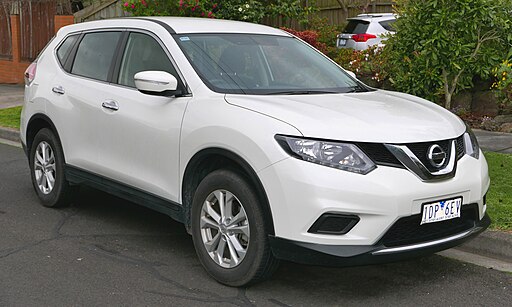
Is the Nissan X-Trail a Good Used Car?
The Nissan X-Trail is one of the most recognisable names in the family SUV and crossover segment. Since its introduction, it has built a reputation as a practical, spacious and versatile vehicle that combines the comfort of a passenger car with some of the capabilities traditionally associated with off-road vehicles. Its relatively high driving position, generous interior space, large boot and availability of four-wheel drive have made it an attractive choice for families, people who regularly travel long distances and drivers who occasionally venture beyond paved roads. On the used-car market, the X-Trail is particularly interesting because it offers a combination of practicality, equipment and driving comfort that can be difficult to find at the same price in some competing SUVs.
However, buying a used Nissan X-Trail requires more than simply checking its mileage, appearance and service history. The model has been produced across several generations, with considerable differences in engine technology, transmissions, equipment, fuel consumption and reliability. Older versions have a more traditional SUV character, while newer generations are more focused on comfort, road handling, safety technology and everyday family use. Some engines are generally regarded as durable when properly maintained, whereas certain diesel versions, continuously variable transmissions and emissions-control components deserve particular attention. The condition of an individual vehicle is therefore often more important than the reputation of the model as a whole.
So, is the Nissan X-Trail a sensible second-hand purchase? In many cases, yes. It can be an excellent family vehicle, especially for buyers who need plenty of space, a comfortable suspension setup and the option of four-wheel drive. Nevertheless, choosing the right generation and engine is essential. This guide examines the different generations, available powertrains, driving characteristics, reliability, common faults, maintenance costs and the most important points to inspect before buying a used Nissan X-Trail.
Nissan X-Trail Generations: Which Used Model Should You Choose?
The Nissan X-Trail has evolved significantly since the first generation appeared in the early 2000s. Although the basic concept has remained relatively consistent, the vehicle has gradually become more sophisticated, comfortable and technologically advanced. Understanding the differences between generations is particularly important when comparing used examples because two X-Trails registered only a few years apart can have substantially different mechanical designs and equipment.
First Generation Nissan X-Trail (T30, 2001–2007)
The first-generation Nissan X-Trail, internally designated T30, introduced the model as a practical compact SUV with a relatively boxy body, good visibility and a straightforward interior. Its styling was less rounded than that of many modern crossovers, and its proportions gave it a distinctive appearance. The vehicle was designed to appeal to drivers who wanted something more versatile than a conventional hatchback or estate car without moving into the size and running costs of a large traditional off-roader.
The T30 was available with petrol and diesel engines, depending on the market. Petrol versions included naturally aspirated engines, while the diesel range included the popular 2.2-litre diesel unit in several configurations. Four-wheel-drive versions used an electronically controlled system that allowed the driver to select between two-wheel drive, automatic four-wheel drive and a more restrictive lock mode for demanding conditions. This arrangement made the X-Trail useful on snow-covered roads, muddy tracks and gravel surfaces, although it was never intended to replace a dedicated off-road vehicle with a low-range gearbox.
One of the main advantages of the first generation is its relatively simple design compared with newer SUVs. The cabin is practical, the driving position is commanding and the vehicle has a robust appearance. The rear seats provide useful passenger space, while the boot is suitable for family luggage and everyday shopping. The dashboard design is unusual because the main instrument cluster is positioned centrally in some versions, which may take a little getting used to but contributes to the model’s distinctive character.
The biggest disadvantage of the T30 today is its age. Even the newest examples are now old vehicles, so corrosion, worn suspension components, neglected maintenance and ageing electrical equipment are increasingly important concerns. Diesel versions should be inspected carefully for turbocharger condition, fuel-system problems and evidence of poor servicing. Buyers should also check the four-wheel-drive system, clutch, gearbox and underbody. A well-maintained first-generation X-Trail can still be useful, but finding one in genuinely good condition is becoming more difficult.
Second Generation Nissan X-Trail (T31, 2007–2013)
The second-generation X-Trail, known as the T31, retained the practical SUV character of its predecessor but introduced a more modern design, a more refined interior and improved comfort. It remained relatively upright and boxy, which helped preserve good visibility and interior space. Compared with the first generation, the T31 feels more mature on the road, with better sound insulation, more comfortable seats and a generally more modern driving environment.
The engine range varied by country and model year. Common European options included petrol engines such as the 2.0-litre and 2.5-litre units, as well as diesel engines including the 2.0 dCi and, in certain markets and later versions, the 1.6 dCi. The diesel models became particularly popular because they offered strong low-speed torque and reasonable fuel consumption for a vehicle of this size. Depending on specification, buyers could choose between manual and automatic transmissions, including Nissan’s continuously variable transmission on selected petrol models.
The T31 is often an appealing compromise for second-hand buyers because it is newer than the T30 while retaining a relatively conventional SUV design. Its cabin is spacious, the boot is generous and the vehicle is comfortable enough for motorway journeys. Four-wheel drive is available on selected versions, and the electronic control system can be useful when driving on slippery surfaces. The suspension is designed primarily for comfort rather than aggressive off-road driving, making the X-Trail suitable for everyday commuting and family holidays.
Nevertheless, the T31 has several areas that deserve attention. Diesel versions can develop problems involving the diesel particulate filter, exhaust gas recirculation system, turbocharger and associated sensors, particularly when used mainly for short urban journeys. Some versions are also fitted with a dual-mass flywheel, which can become expensive to replace when it begins to wear. The continuously variable transmission should be checked carefully because neglected fluid changes or internal wear can result in expensive repairs. Corrosion, suspension wear and electrical faults should also be considered, particularly on older examples with high mileage.
For many buyers, the T31 represents one of the most attractive used X-Trail generations. It offers a good balance of space, comfort, equipment and purchase price, provided that the vehicle has been maintained correctly. A complete service history, evidence of transmission maintenance where applicable and a satisfactory inspection of the underbody are particularly important.
Third Generation Nissan X-Trail (T32, 2013–2022)
The third-generation Nissan X-Trail, designated T32, represented a major change in the model’s design philosophy. The vehicle became more rounded, more aerodynamic and visually closer to a modern family crossover. It also shared important elements of its platform and development philosophy with the Nissan Qashqai, although the X-Trail remained larger and offered a more spacious interior. This generation was designed for families looking for comfort, practicality and modern technology rather than a traditional-looking compact SUV.
The T32 introduced a more sophisticated cabin, improved infotainment options, additional driver-assistance systems and a greater emphasis on passenger comfort. Depending on the market and specification, it was available with five or seven seats, making it particularly attractive to larger families. The third row is relatively compact and is best suited to children or occasional use, but its presence increases the vehicle’s versatility. With the third row folded or removed from use, the boot offers useful luggage capacity.
European engine options included petrol and diesel units, with the 1.6 dCi becoming a common choice in many markets. Later versions also introduced the 1.7 dCi diesel and the 1.3 DIG-T petrol engine in selected configurations. Other engines were available in certain countries. Manual transmissions and Xtronic continuously variable automatic transmissions were offered depending on engine and drivetrain. Four-wheel drive was also available, although not every version was equipped with it.
On the road, the T32 is more comfortable and refined than earlier generations. The suspension is tuned for family use, steering is light and the higher seating position gives the driver a good view of surrounding traffic. On motorways, the vehicle is generally stable and comfortable, while the cabin offers sufficient space for passengers and luggage. However, the X-Trail is not particularly sporty, and its relatively large body can be noticeable when driving through narrow streets or parking in confined spaces.
The main concern when buying a used T32 is the complexity of some engine and transmission combinations. Diesel versions need to be assessed for DPF condition, EGR operation, turbocharger health and the overall condition of the emissions system. The Xtronic transmission deserves special attention, as it can become expensive to repair if it has been neglected or subjected to excessive stress. Buyers should also inspect the suspension, electronic equipment, air-conditioning system and operation of the four-wheel-drive system.
A carefully maintained T32 can be an excellent family SUV and is likely to be the most attractive generation for buyers who want a relatively modern vehicle without paying for the newest model. However, a lower purchase price should not be the only deciding factor. A vehicle with a documented service history, regular oil changes and evidence of appropriate transmission maintenance is generally a safer purchase than a newer example with incomplete records.
Fourth Generation Nissan X-Trail (T33, 2021/2022 Onwards)
The fourth-generation X-Trail, internally known as the T33, introduced a substantially more modern approach to the model. It features a more angular exterior design, a significantly updated interior and a greater emphasis on electrified powertrains and advanced driver-assistance technology. In Europe, the model became closely associated with Nissan’s e-POWER system, which uses a petrol engine primarily to generate electricity while an electric motor drives the wheels. Selected versions also offer the e-4ORCE electric all-wheel-drive system.
The T33 is more technologically advanced than its predecessors, with a more sophisticated infotainment system, digital displays, improved connectivity and a broader selection of safety features. Depending on market and specification, it is available with five or seven seats. The cabin is designed to offer a more premium impression, and passenger comfort is a major part of its appeal. The e-POWER system provides electric-motor driving characteristics without requiring the owner to plug the vehicle into an external charging point.
For used-car buyers, the fourth generation is an interesting option, although its relatively recent introduction means that it is generally more expensive than older X-Trail models. Its more complicated electrical and hybrid systems also make it important to check software updates, service documentation, battery-related information and the operation of the entire powertrain. As with any relatively new model, long-term reliability conclusions should be made cautiously because there is less accumulated high-mileage experience than with the older generations.
The T33 is best suited to buyers who want a modern family SUV with contemporary technology, good everyday comfort and the convenience of an electrified powertrain. Those looking for the lowest possible purchase price or the simplest mechanical construction will probably find the T31 or T32 more suitable.
Engines: Which Nissan X-Trail Powertrain Is the Best Choice?
Engine selection is one of the most important decisions when purchasing a used Nissan X-Trail. The available engines vary considerably depending on generation, market and year of manufacture. A diesel engine can be an excellent choice for drivers who regularly cover long distances, while a petrol engine may be more suitable for shorter journeys and predominantly urban driving. The right choice depends on annual mileage, driving conditions, maintenance history and the expected cost of ownership.
Petrol Engines
Petrol-powered X-Trail models are worth considering for drivers who do not cover particularly high annual mileage. Naturally aspirated petrol engines in older generations can offer relatively straightforward mechanical construction, although fuel consumption is generally higher than that of comparable diesel versions. The 2.0-litre and 2.5-litre petrol engines available in selected T30 and T31 models provide reasonable performance for everyday driving, but they are not especially economical when the vehicle is fully loaded or driven mainly in city traffic.
The later 1.3 DIG-T petrol engine available in selected T32 models provides a more modern alternative, with turbocharging and direct fuel injection designed to improve efficiency and performance. However, its more sophisticated construction means that servicing quality and correct engine-oil specification remain important. Buyers should check for smooth operation, abnormal noises, warning lights and evidence of regular oil changes.
One advantage of petrol engines is that they generally do not have the same diesel particulate filter and diesel fuel-system requirements as diesel versions. This can make them more suitable for drivers who regularly undertake short journeys. Nevertheless, petrol engines are not maintenance-free, and issues involving ignition components, sensors, cooling systems and transmission systems can still occur.
Diesel Engines
Diesel engines have traditionally been among the most popular choices in the Nissan X-Trail range, particularly in Europe. Their strong torque makes them well suited to a relatively large SUV, especially when carrying passengers, luggage or towing a trailer. Common diesel options include the 2.2 dCi in the first generation, the 2.0 dCi and 1.6 dCi in the second generation, and the 1.6 dCi and 1.7 dCi in selected third-generation models.
For drivers who regularly travel on motorways and cover substantial distances, a diesel X-Trail can offer an attractive combination of performance and fuel economy. The engine generally provides strong pulling power at low and medium engine speeds, reducing the need for frequent gear changes. On longer journeys, diesel models can be particularly comfortable and economical for a vehicle of this size.
The disadvantage is that modern diesel engines have more complex emissions-control systems. The diesel particulate filter needs suitable operating conditions to regenerate, while the EGR valve and associated components can become contaminated over time. Short journeys, frequent cold starts and prolonged low-speed driving can increase the risk of problems. Turbochargers, injectors and high-pressure fuel systems can also require expensive repairs if maintenance has been neglected.
A used diesel X-Trail should therefore be purchased only after considering its previous usage. A car with relatively high motorway mileage and a complete service history may be a better choice than a lower-mileage vehicle that has spent most of its life making short urban journeys. Mileage alone does not reveal how hard an engine has been used or how well it has been maintained.
Nissan e-POWER and Hybrid Technology
The newer X-Trail introduces a different approach through Nissan’s e-POWER technology. Unlike a conventional hybrid that can mechanically combine petrol-engine and electric-motor power to drive the wheels, the e-POWER system uses the petrol engine primarily as an electricity generator, with an electric motor providing the driving force. This creates a driving experience that is closer to that of an electric vehicle, particularly in terms of smooth acceleration and immediate response.
The system is attractive because it does not require external charging. Drivers can refuel at a conventional petrol station while benefiting from electric-motor driving characteristics. In suitable conditions, the system can offer a smooth and efficient driving experience, especially in urban and mixed driving.
However, buyers should remember that e-POWER is more complex than a conventional petrol engine. The vehicle contains additional electrical components and a high-voltage battery, so specialist diagnostics and correct maintenance are important. A used example should have a complete service history and should be checked by a technician familiar with Nissan’s electrified powertrains.
Transmission and Four-Wheel Drive: What Should Buyers Know?
The Nissan X-Trail has been offered with different transmissions depending on generation and engine. Manual gearboxes are available on many versions, while automatic options include continuously variable transmissions marketed under the Xtronic name. The choice of transmission has a significant effect on driving comfort, maintenance requirements and potential repair costs.
Manual Gearboxes
Manual versions are often attractive to buyers who want a relatively conventional mechanical setup and more direct control over the vehicle. The gearboxes generally provide straightforward operation, although the condition of the clutch and dual-mass flywheel should be checked on relevant diesel models. Signs of wear include slipping under acceleration, vibration when pulling away, rattling noises at idle and difficulty selecting gears.
A clutch replacement can be expensive, especially when the dual-mass flywheel also requires attention. During a test drive, the clutch should engage smoothly and the gearbox should operate without excessive noise or resistance. Any unusual vibration or metallic noise should be investigated before purchase.
Xtronic CVT Automatic Transmission
The Xtronic continuously variable transmission is designed to provide smooth acceleration without conventional fixed gear changes. It can make the X-Trail comfortable in urban traffic and during steady motorway driving. However, CVT transmissions are sensitive to maintenance quality and correct fluid specification.
When inspecting a used automatic X-Trail, pay attention to hesitation when moving away, juddering, unusual whining noises, inconsistent acceleration and warning messages. The vehicle should be tested both when cold and after the transmission has warmed up. Buyers should request documentation showing whether the transmission fluid has been changed according to the applicable maintenance requirements.
A neglected CVT can become a major financial risk because internal repairs or complete replacement may be costly. This does not mean that every Xtronic-equipped X-Trail is problematic, but it does mean that service documentation and a specialist inspection are particularly important.
Is Four-Wheel Drive Worth Having?
One of the X-Trail’s traditional selling points is the availability of four-wheel drive. Depending on the generation, Nissan offered electronically controlled systems that can distribute torque between the front and rear axles when additional traction is required. In normal conditions, some systems operate primarily in front-wheel drive to reduce fuel consumption, while the automatic mode can engage rear-wheel assistance when necessary.
Four-wheel drive is useful on snowy roads, wet grass, muddy tracks, gravel surfaces and steep access roads. It can improve traction when pulling away and provide additional confidence in difficult weather. However, it does not turn the X-Trail into a dedicated off-road vehicle. Ground clearance, tyre choice, approach angles and the absence of a conventional low-range gearbox limit its ability in severe terrain.
The additional mechanical components also introduce more items that need inspection. Buyers should check the operation of the selected drive modes, look for warning lights and inspect the differential and drivetrain for leaks or unusual noises. Tyres should ideally be of the same type and have similar tread depths because significant differences in rolling circumference can place additional stress on some four-wheel-drive systems.
Reliability: How Dependable Is a Used Nissan X-Trail?
The reliability of a used Nissan X-Trail depends heavily on its generation, engine, transmission, maintenance history and previous operating conditions. It would be inaccurate to describe the entire model range as either exceptionally reliable or inherently problematic. Many owners enjoy years of dependable service, while neglected examples can become expensive to maintain because of the vehicle’s size, diesel technology and optional four-wheel-drive equipment.
The older generations have relatively conventional mechanical designs, but age introduces its own problems. Rubber components deteriorate, suspension parts wear out, electrical connections become unreliable and corrosion can develop in areas that are difficult to inspect without lifting the vehicle. Even a mechanically sound older X-Trail may require investment in brakes, tyres, suspension bushes, exhaust components and other age-related items.
Newer versions benefit from improved comfort, safety and efficiency, but they also contain more electronics and more sophisticated powertrains. Diesel particulate filters, turbocharging, electronic sensors, continuously variable transmissions and hybrid systems all require appropriate maintenance. When these components fail, repair costs can be considerably higher than those associated with basic servicing.
The best way to reduce the risk is to buy based on condition and documentation rather than reputation alone. A vehicle with a consistent maintenance record, sensible previous use and a satisfactory independent inspection is generally a better proposition than a cheaper example with unexplained gaps in its history.
Common Diesel Engine Problems
Diesel versions should be checked for signs of DPF blockage, EGR contamination, turbocharger wear and fuel-system problems. The DPF is particularly important because it requires suitable driving conditions to regenerate. If the vehicle has mainly been used for short journeys, regeneration may be interrupted repeatedly, potentially causing warning lights, increased fuel consumption or reduced engine performance.
The EGR system can accumulate deposits over time, affecting engine operation and emissions. A faulty EGR valve may cause rough running, hesitation, reduced performance or warning lights. Turbocharger problems can present themselves through abnormal whistling, excessive smoke, oil consumption or a noticeable loss of power. However, these symptoms can have multiple causes, so a proper diagnostic assessment is preferable to guessing based on a test drive.
Transmission Problems
Transmission condition deserves particular attention, especially on vehicles fitted with Xtronic CVT gearboxes. A smooth, consistent driving experience is expected, and any juddering, slipping sensation, unusual noises or delayed engagement should be investigated. Maintenance records should confirm that the correct transmission fluid has been used and that servicing has not been ignored.
Manual models are generally simpler in this respect, but clutch and flywheel wear can still result in significant costs. A used vehicle that has regularly towed heavy loads or been driven extensively in stop-and-go traffic may have experienced greater clutch wear than one used mainly for long-distance journeys.
Suspension, Steering and Brakes
Because the X-Trail is a relatively heavy SUV, suspension and braking components are subject to considerable loads. Worn shock absorbers, springs, bushes, stabiliser links and wheel bearings can produce knocking noises, vibration, poor stability or uneven tyre wear. These issues are not unique to Nissan, but they should be considered when evaluating an older or high-mileage vehicle.
During a test drive, the vehicle should travel in a straight line without excessive steering correction. The suspension should absorb ordinary road imperfections without repeated bouncing or loud knocking. Braking should be progressive and stable, with no strong vibration through the steering wheel or brake pedal.
Electrical and Electronic Faults
Modern X-Trail models contain numerous electronic systems, including parking sensors, cameras, infotainment equipment, climate controls and driver-assistance features. Faults may involve sensors, wiring, switches, control modules or simply ageing batteries and poor electrical connections.
Before buying, test every major electrical function rather than assuming that a working dashboard means the whole vehicle is in good condition. Check the air conditioning, windows, central locking, mirrors, parking assistance, cameras, navigation and all available driving modes. Warning lights should be investigated with suitable diagnostic equipment, even if they disappear after restarting the vehicle.
Driving Experience: Comfort, Handling and Practicality
The Nissan X-Trail is designed primarily as a comfortable family SUV rather than a sporty vehicle. Its high seating position gives the driver a commanding view of the road, while the relatively large windows in older generations contribute to good visibility. The cabin is generally spacious, and the suspension is tuned to absorb everyday road imperfections rather than deliver sharp cornering responses.
On motorways, the X-Trail is comfortable and stable, making it suitable for family holidays and longer journeys. Diesel engines provide useful torque for overtaking and carrying passengers, while petrol and e-POWER versions offer different performance characteristics depending on the generation. Road and wind noise vary according to model year, tyres and specification, but newer generations are generally more refined than the older T30 and T31.
In urban conditions, the X-Trail’s dimensions can be less convenient than those of a smaller crossover. Parking spaces, narrow streets and tight multi-storey car parks may require more attention. Rear parking sensors, reversing cameras and surround-view systems, where fitted, can make everyday manoeuvring much easier. The relatively high driving position remains a major advantage for drivers who prefer an elevated view of traffic.
The vehicle’s off-road abilities should be understood realistically. Four-wheel-drive versions can handle moderate unpaved routes and slippery conditions, but the X-Trail is not designed for extreme off-roading. Drivers who regularly travel on rough tracks should pay attention to ground clearance, underbody protection, tyre choice and the condition of the drivetrain.
Interior Space, Boot Capacity and Family Practicality
Practicality is one of the strongest reasons to consider the Nissan X-Trail as a used car. The cabin is designed to accommodate families, and the rear seats generally provide useful legroom and headroom. The large doors make entering and leaving the vehicle relatively easy, while the elevated seating position can be convenient for passengers who dislike getting into low passenger cars.
Boot capacity depends on generation, seating configuration and whether the vehicle has five or seven seats. Five-seat versions generally offer more luggage space, while seven-seat models sacrifice some boot capacity when the third row is in use. The third row is best regarded as occasional seating, especially for children, rather than a full replacement for the main rear seats.
The boot opening is wide and the loading area is generally practical for suitcases, shopping, sports equipment and family luggage. Folding the rear seats increases versatility, allowing the X-Trail to transport larger items that would be difficult to fit into a conventional hatchback. Some versions also feature adjustable luggage floors and additional storage compartments.
Interior storage is another useful feature. Depending on generation and trim level, the cabin includes door pockets, cup holders, centre-console storage and compartments for smaller personal items. Families should nevertheless inspect the actual vehicle rather than relying only on specification sheets, because equipment and storage arrangements vary between versions.
Fuel Consumption and Running Costs
Running costs are an important consideration when buying a used SUV. The Nissan X-Trail is larger and heavier than a typical family hatchback, so fuel consumption, tyre replacement and routine servicing can be higher. The exact cost depends on engine choice, transmission, drivetrain, driving style and the condition of the vehicle.
Diesel versions are generally attractive for drivers who regularly cover long distances. They can deliver relatively good fuel economy for a vehicle of this size, particularly on motorways and open roads. However, the savings achieved through lower fuel consumption may be offset if the vehicle develops problems with its DPF, EGR valve, turbocharger or fuel system. A diesel X-Trail used mainly for short journeys may therefore be a poor financial choice.
Petrol versions are often more suitable for lower annual mileage and urban use, although naturally aspirated engines can consume considerably more fuel in city traffic. The newer e-POWER system offers a different balance, with an electric motor driving the wheels and a petrol engine generating electricity. Its real-world efficiency depends on speed, temperature, terrain and driving conditions.
Other ownership costs include insurance, road tax, tyres, brakes, suspension repairs and scheduled servicing. Four-wheel-drive versions may require additional drivetrain maintenance, while automatic models need appropriate transmission servicing. Before purchasing, it is sensible to obtain insurance quotations and compare the prices of commonly required parts, particularly if considering an older vehicle with a complex engine or transmission.
What to Check Before Buying a Used Nissan X-Trail
A careful inspection is essential when purchasing any used X-Trail. The vehicle should be checked both visually and mechanically, ideally by an independent workshop familiar with Nissan models. A test drive alone is not enough to identify every potential problem, especially when dealing with diesel emissions systems, CVT transmissions and electronically controlled four-wheel-drive components.
Service History and Mileage
Start by checking the service book, invoices and available digital maintenance records. Regular oil changes are particularly important for turbocharged engines, while diesel models should have evidence of appropriate servicing and emissions-system maintenance. On automatic vehicles, ask for documentation relating to transmission-fluid changes where applicable.
Mileage should be considered alongside the vehicle’s overall condition. A high-mileage car that has been serviced consistently and used mainly for motorway journeys may be a better purchase than a low-mileage example with poor maintenance and frequent cold starts. Check whether the mileage is consistent across available records, inspection documents and previous ownership information.
Bodywork and Corrosion
Inspect the vehicle in good daylight and look carefully at the body panels, wheel arches, door edges, sills, tailgate and underside. Uneven panel gaps, differences in paint colour and overspray may indicate previous accident repairs. Older generations should receive particular attention underneath, where corrosion can develop around structural areas, suspension mounting points and brake lines.
It is also important to check the condition of the windscreen, lights, mirrors and seals. Water leaks can cause interior damage and electrical problems, so inspect carpets, the boot floor and areas around the sunroof if fitted.
Engine and Cooling System
Start the engine from cold if possible. It should start without excessive cranking, settle into a stable idle and produce no persistent abnormal noises. Look for excessive smoke, coolant leaks, oil leaks and signs of overheating. Check the condition of the coolant and engine oil, but remember that clean fluids alone do not guarantee that an engine has been maintained correctly.
During the test drive, the engine should accelerate smoothly without unexpected hesitation, excessive vibration or warning lights. Diesel models should be checked for DPF and EGR-related faults, while petrol models should be assessed for smooth running and correct operation of the ignition and fuel systems.
Transmission and Drivetrain
Test the gearbox carefully. Manual transmissions should select gears without excessive resistance, and the clutch should not slip under acceleration. Automatic versions should move away smoothly and respond consistently to throttle input. Any unusual noises, vibrations or delays should be investigated.
If the vehicle has four-wheel drive, confirm that the system operates correctly and that no warning lights are present. Listen for noises from the rear differential and inspect the underside for leaks. A specialist diagnostic scan can help identify faults that are not immediately apparent during an ordinary test drive.
Electronics and Equipment
Test every available electronic feature, including air conditioning, heating, infotainment, electric windows, central locking, mirrors, parking sensors and cameras. If the vehicle has adaptive cruise control, lane-assistance equipment or other driver-support systems, check that they are functioning correctly and that there are no relevant warning messages.
Do not ignore intermittent electrical problems. A feature that works only occasionally may indicate a wiring, sensor or control-module fault, and diagnosing such issues can take time.
Which Nissan X-Trail Is the Best Used-Car Choice?
There is no single ideal X-Trail for every buyer because the best version depends on budget, annual mileage, driving conditions and expectations. However, some general recommendations can help narrow the search.
For buyers on a limited budget who want a traditional SUV, a well-maintained T31 can be an attractive option. It provides a spacious cabin, practical boot, comfortable ride and the availability of four-wheel drive. A good example with documented maintenance is likely to offer a sensible balance between purchase price and everyday usefulness.
For families who want a newer design, improved safety equipment and more modern interior features, the T32 is often the most logical choice. It offers the advantages of a modern crossover while retaining the X-Trail’s characteristic space and practicality. Buyers should pay particular attention to the engine and transmission combination, as well as the condition of diesel emissions systems.
The T33 is the best option for drivers who want modern technology and an electrified driving experience, particularly through the e-POWER system. Its higher purchase price may be justified by the newer design, comfort and equipment, but buyers should be aware that its long-term ownership history is less established than that of previous generations.
The first-generation T30 is best suited to enthusiasts or buyers who need an inexpensive, practical vehicle and are prepared to accept the age-related maintenance requirements. Its traditional design and relatively straightforward character can be appealing, but finding a corrosion-free and well-maintained example should be the priority.
Nissan X-Trail Compared with Its Main Competitors
The used Nissan X-Trail competes with several popular SUVs, including the Toyota RAV4, Honda CR-V, Hyundai Tucson, Kia Sportage, Mitsubishi Outlander and Volkswagen Tiguan. Each model has different strengths, so the most suitable choice depends on what the buyer values most.
The Toyota RAV4 is often considered by buyers who prioritise reliability, particularly when comparing petrol and hybrid versions. The Honda CR-V is another strong alternative, with a spacious interior and a reputation for family-friendly practicality. Both can be excellent choices, although their used prices may be higher in certain markets.
The Hyundai Tucson and Kia Sportage offer modern styling, generous equipment and a wide range of engines. Depending on age and specification, they can provide good value for money. The Volkswagen Tiguan is attractive to drivers who prefer a more conventional European driving experience and a high-quality cabin, although maintenance costs can vary significantly with engine and transmission choice.
The Mitsubishi Outlander is worth considering for buyers interested in a larger family SUV or plug-in hybrid technology. However, its dimensions and powertrain options differ from those of the X-Trail, so a direct comparison should take account of intended use.
The Nissan X-Trail’s main advantages are its spacious interior, available seven-seat configuration, comfortable ride and optional four-wheel drive. Its weaknesses include the potential repair costs associated with certain diesel engines and automatic transmissions. The best decision is therefore not necessarily to choose the model with the strongest reputation, but to find the individual vehicle with the best combination of condition, maintenance records, equipment and price.
Final Verdict: Should You Buy a Used Nissan X-Trail?
The Nissan X-Trail can be a very good used-car purchase for drivers who need a spacious, comfortable and versatile SUV. It is particularly suitable for families, people who regularly travel long distances and buyers who value a high driving position, practical luggage space and the availability of four-wheel drive. Across its generations, the model has developed from a relatively straightforward compact SUV into a modern family crossover with increasingly sophisticated equipment and powertrains.
The most important factor is choosing the right version. The T31 can offer an appealing balance of purchase price and practicality, while the T32 is often the most suitable option for buyers seeking a more modern family vehicle. The T33 is worth considering for those who want newer technology and e-POWER electrification, although it usually requires a larger budget. The T30 can still make sense as an inexpensive purchase, but its age means that condition and corrosion are particularly important.
Potential buyers should pay close attention to diesel emissions systems, turbochargers, clutch and flywheel wear, Xtronic CVT transmissions and four-wheel-drive components. These are not guaranteed failures, but they are areas where neglected maintenance can lead to expensive repairs. A comprehensive inspection, diagnostic check and review of the service history are therefore essential.
Ultimately, the Nissan X-Trail is worth considering if you want a practical used SUV that can handle family life, holidays, motorway journeys and occasional trips onto rougher roads. A well-maintained example can provide many years of useful service, while a poorly maintained one can quickly become an expensive mistake. Choose carefully, focus on documented maintenance rather than mileage alone and make sure that the engine, transmission and equipment suit your everyday driving requirements.
