Powering the Škoda Scala: Everything you need to know about its car battery
The Škoda Scala in the gasoline version uses car batteries with a capacity of 60 – 70 Ah, and the diesel variants then use batteries with the same capacity.
The Škoda Scala is a compact car that has made a name for itself by blending style, practicality, and technology. Like any modern vehicle, it relies on a crucial component to keep its electrical systems running smoothly – the car battery. In this article, we will explore everything you need to know about the Škoda Scala’s car battery.
Battery Basics: The Škoda Scala typically comes equipped with a 12-volt lead-acid battery, which is the most common type found in conventional combustion engine vehicles. This battery is responsible for powering the car’s electrical systems, including the lights, infotainment system, air conditioning, and more. It also plays a critical role in starting the engine when you turn the key or press the ignition button.
Battery Maintenance: Maintaining your Škoda Scala’s car battery is essential to ensure trouble-free operation. Regular inspections can help identify any issues early on. Look for signs of corrosion on the battery terminals and ensure they are clean and tightly connected. Additionally, keeping the battery and its surroundings clean can prevent debris and grime from causing damage or drainage.
Battery Lifespan: The lifespan of a car battery can vary, but on average, a lead-acid battery like the one in the Škoda Scala is expected to last around 3 to 5 years. However, this can be influenced by factors such as climate, driving habits, and overall maintenance. In extreme temperatures, particularly cold winters or scorching summers, the battery may have a shorter life. It’s important to monitor the battery’s performance and replace it when necessary to avoid unexpected breakdowns.
Battery replacement
When it’s time to replace the car battery in your Škoda Scala, it’s advisable to choose a high-quality battery from a reputable manufacturer. Ensuring that the replacement battery matches the specifications of the original one is crucial for seamless integration. If you’re unsure about the replacement process, it’s best to consult a professional mechanic who can safely install the new battery.
Conclusion: The car battery in your Škoda Scala is a vital component that keeps your vehicle’s electrical systems running smoothly. Regular maintenance and monitoring of the battery’s health can help prevent unexpected issues and ensure your Scala remains reliable and ready to hit the road. Whether you’re driving in urban areas or exploring the open road, a well-maintained battery is a key to a trouble-free driving experience in your Škoda Scala.
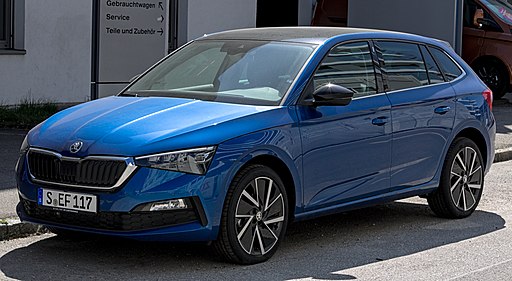
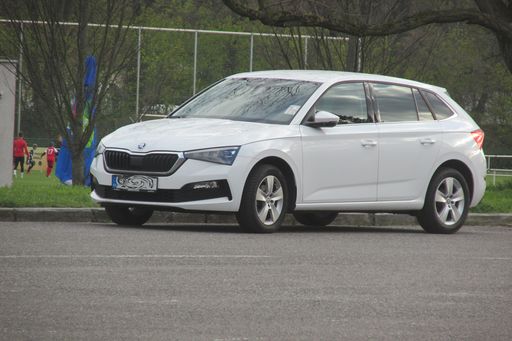
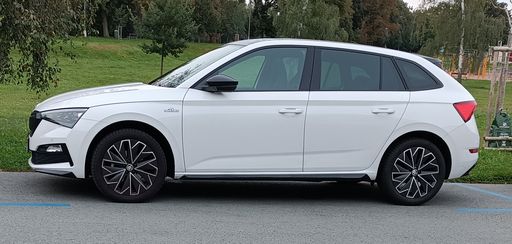
Škoda Scala photo gallery
The Škoda Scala is a compact hatchback that was first introduced in 2018. It’s positioned between the Škoda Fabia and Škoda Octavia, offering a practical and spacious option in the compact segment. Below is an overview of the technical specifications for the Škoda Scala:
Škoda Scala – Technical Data Overview
Dimensions
Length: 4,362 mm (171.7 in)
Width: 1,793 mm (70.6 in)
Height: 1,471 mm (57.9 in)
Wheelbase: 2,649 mm (104.3 in)
Ground clearance: 143 mm (5.6 in)
Boot capacity:
Standard: 467 liters
Rear seats folded: 1,410 liters
Curb weight: 1,150–1,250 kg, depending on the engine and trim
Engine Options
1.0 TSI Petrol (3-cylinder)
Engine displacement: 999 cc (1.0L)
Power output: 95 PS (70 kW) or 115 PS (85 kW)
Torque: 175 Nm (95 PS) / 200 Nm (115 PS)
Transmission:
5-speed manual (95 PS)
6-speed manual (115 PS)
7-speed DSG automatic (optional for 115 PS)
Fuel economy (combined): 5.0–5.5 L/100 km (WLTP)
Top speed:
188 km/h (95 PS)
201 km/h (115 PS)
0-100 km/h:
10.9 seconds (95 PS)
9.8 seconds (115 PS)
1.5 TSI Petrol (4-cylinder)
Engine displacement: 1,498 cc (1.5L)
Power output: 150 PS (110 kW)
Torque: 250 Nm
Transmission:
6-speed manual
7-speed DSG automatic
Fuel economy (combined): 5.5–6.0 L/100 km (WLTP)
Top speed: 219 km/h
0-100 km/h: 8.2 seconds
1.6 TDI Diesel (4-cylinder)
Engine displacement: 1,598 cc (1.6L)
Power output: 115 PS (85 kW)
Torque: 250 Nm
Transmission:
6-speed manual
7-speed DSG automatic
Fuel economy (combined): 4.2–5.0 L/100 km (WLTP)
Top speed: 201 km/h
0-100 km/h: 10.1 seconds
1.0 G-TEC CNG (Compressed Natural Gas)
Engine displacement: 999 cc (1.0L)
Power output: 90 PS (66 kW)
Torque: 160 Nm
Transmission: 6-speed manual
Fuel economy (CNG combined): 5.2–5.4 kg/100 km (WLTP)
Top speed: 180 km/h
0-100 km/h: 12.4 seconds
Transmission Options
Manual: 5-speed or 6-speed (depending on engine choice)
Automatic: 7-speed DSG (Direct-Shift Gearbox) available for most engine variants.
Fuel Economy & CO2 Emissions (WLTP)
1.0 TSI Petrol: 5.0–5.5 L/100 km (115–126 g/km CO2)
1.5 TSI Petrol: 5.5–6.0 L/100 km (124–135 g/km CO2)
1.6 TDI Diesel: 4.2–5.0 L/100 km (108–117 g/km CO2)
1.0 G-TEC CNG: 5.2–5.4 kg/100 km (91–96 g/km CO2)
Performance & Handling
Suspension:
Front: MacPherson strut with torsion bar
Rear: Torsion-beam rear axle
Steering: Electrically assisted power steering (progressive steering optional)
Brakes: Disc brakes on all wheels (front ventilated, rear solid)
Drive: Front-wheel drive (FWD)
Technology & Features
Infotainment: Options include a touchscreen infotainment system with sizes ranging from 6.5 inches to 9.2 inches, with features like:
Apple CarPlay / Android Auto
Navigation system
Wireless charging (optional)
Virtual Cockpit (10.25-inch digital driver display available)