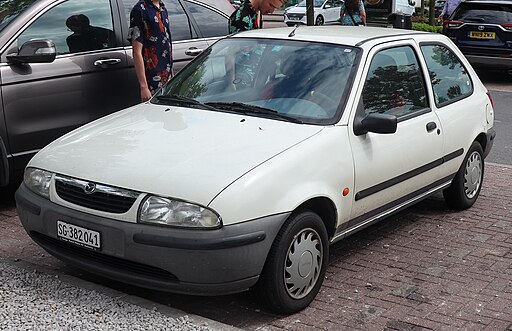
Mazda 121 faults
Below is an overview of some commonly reported faults and issues with the Mazda 121. As with any vehicle, not every Mazda 121 will exhibit these problems, and many owners have experienced reliable service with proper maintenance.
1. Engine and Cooling System
- Engine Misfires and Rough Running:
Some owners have reported instances of engine misfires or rough running, which can sometimes be linked to wear in ignition components or sensor malfunctions. Regular maintenance, including timely spark plug and sensor replacements, can help mitigate these issues. - Cooling System Concerns:
There have been occasional reports of overheating, which may be due to a faulty thermostat or a degraded radiator. Maintaining proper coolant levels and addressing any signs of leaks early can prevent potential engine damage.
2. Transmission and Clutch Issues
- Gear Shifting Difficulties:
In some cases, owners have experienced issues with gear shifting—particularly in manual transmission variants. This may manifest as difficulty engaging gears or a slightly rough clutch operation, which could be attributed to wear in the clutch assembly or linkage components. - Clutch Wear:
Premature wear of the clutch, especially in vehicles that have seen heavy city driving, is a common concern. Regular inspection of the clutch system can help avoid unexpected failures.
3. Electrical System and Dashboard Components
- Instrument Cluster and Sensor Glitches:
A number of Mazda 121 owners have noted intermittent faults with the dashboard indicators. These issues can include inaccurate fuel or temperature readings, which are often traced back to sensor malfunctions or aging wiring. - Central Locking and Power Accessories:
There have been occasional reports of issues with central locking systems and power windows, where electrical faults or worn wiring can lead to intermittent operation.
4. Suspension and Steering
- Suspension Wear:
Premature wear in suspension components, such as bushings and shock absorbers, has been reported. This wear can result in a less comfortable ride and can affect handling, particularly on uneven roads. - Steering Response:
Some drivers have mentioned that over time, the steering can feel less responsive. This may be a result of worn components in the steering system or alignment issues that develop with age.
5. Rust and Corrosion
- Body and Underbody Rust:
Especially in regions with harsh winters or high road salt usage, some Mazda 121 models have been prone to developing rust on the underbody, wheel arches, or door sills. Regular inspections and timely treatment of any rust spots are recommended to preserve the vehicle’s integrity.
6. Interior Build Quality
- Cabin Rattles and Wear:
Owners have occasionally noted rattling noises from interior panels or dashboard components, particularly as the vehicle ages. Additionally, wear on interior plastics and trim elements can detract from the overall cabin quality, although these issues are generally cosmetic.
Final Considerations:
While these faults have been reported by some Mazda 121 owners, many issues can be minimized with diligent maintenance and timely repairs. Prospective buyers of a used Mazda 121 should conduct a thorough pre-purchase inspection, review the vehicle’s service history, and be prepared for routine upkeep. With careful attention, a Mazda 121 can continue to provide a reliable and economical driving experience.
Mazda 121 as a used car
The Mazda 121 offers an appealing option in the used car market, combining economical performance with the reliability and practicality that Mazda is known for. While not the flashiest vehicle in its segment, the Mazda 121’s compact dimensions, fuel efficiency, and straightforward design have made it a favorite among drivers seeking a no-nonsense transportation solution.
Practical Design and Compact Appeal
The Mazda 121 features a compact and efficient design that is perfect for urban environments. Its small footprint makes parking and navigating tight city streets a breeze, while its simple yet functional exterior design continues to hold its own in a competitive market. Inside, the cabin is designed with ergonomics in mind; although the materials may be more utilitarian than luxurious, they provide all the necessary comfort for daily commuting. The thoughtful layout ensures that controls are easy to reach, which enhances the overall driving experience.
Performance and Efficiency
Under the hood, the Mazda 121 is built to deliver reliable performance with an emphasis on fuel economy. Ideal for daily commuting, its engine offers a balance of modest power and efficient fuel consumption. This makes it a practical choice for drivers looking to minimize running costs. While it may not offer the sporty thrills of some newer models, its steady performance is well-suited for everyday driving, ensuring that trips around town or longer journeys remain economical.
Reliability and Common Considerations
For buyers in the used car market, reliability is paramount. The Mazda 121 has a reputation for dependability, but like any aging vehicle, there are certain areas that warrant careful inspection:
- Engine and Cooling: Some owners have noted occasional rough running or misfires. While these issues are not widespread, it is wise to check the maintenance records and have a trusted mechanic assess the engine and cooling system for any potential problems.
- Transmission and Clutch: Particularly in manual variants, potential concerns such as gear shifting difficulties or premature clutch wear have been reported. These can often be resolved with routine maintenance, but prospective buyers should pay close attention to the condition of these components.
- Electrical Components: A few Mazda 121 models have exhibited minor glitches with dashboard sensors or central locking systems. While these electrical issues are generally not severe, verifying that all systems function correctly is an important step during the pre-purchase inspection.
- Suspension and Steering: Over time, wear on suspension components and steering mechanisms can develop, leading to less refined handling. A comprehensive inspection can help ensure that these systems are in good working order.
- Rust and Interior Wear: In regions prone to harsh weather, rust can be an issue on older models. Additionally, interior wear—such as rattling or worn trim—can be expected with age. Buyers should inspect the bodywork and interior condition to ensure there are no major concerns.
Ownership Experience and Value
The appeal of the Mazda 121 as a used car lies in its low running costs and the overall simplicity of ownership. Its fuel-efficient engine and relatively low maintenance requirements make it an economical choice for first-time buyers or those seeking a dependable commuter car. Additionally, the straightforward design means that repairs and routine maintenance are generally uncomplicated and affordable.
Final Thoughts
Overall, the Mazda 121 remains a viable option in the used car market for those who value reliability, efficiency, and practicality. While there are certain issues to be mindful of—such as potential engine or electrical quirks—a well-maintained Mazda 121 can provide years of dependable service. Prospective buyers are encouraged to thoroughly review service histories and have the vehicle inspected by a knowledgeable mechanic before purchase. With the right care, the Mazda 121 continues to offer a balanced package that meets the needs of cost-conscious drivers without sacrificing the confidence and ease of ownership that Mazda is known for.
