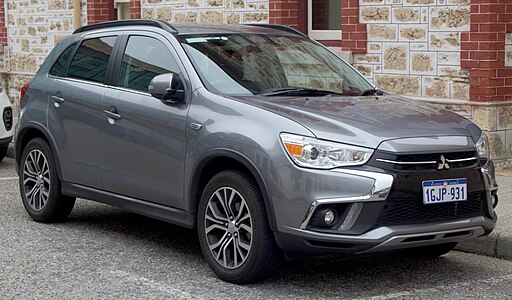
Mitsubishi ASX faults
Mitsubishi ASX: Navigating Common Faults with a Critical Eye
The Mitsubishi ASX has long been heralded as a practical and affordable compact crossover with a respectable performance record. Yet, like every vehicle that’s seen real-world mileage, the ASX comes with its share of quirks that potential owners should know about. In this review, I’ll dive into the most-reported faults—from transmission hiccups to rust issues—and provide insights that help you decide if this car is the right fit for your lifestyle.
1. Transmission Troubles
One of the most commonly reported challenges involves the transmission. Numerous ASX owners have noted shuddering during acceleration, jerky gear shifts, and even moments when the transmission seems to “slip” unexpectedly. In some cases, these symptoms can be linked to issues like improper machining of the transfer case shield and ATF (automatic transmission fluid) leak problems. Regular transmission fluid checks and adherence to servicing schedules can often mitigate these concerns. Moreover, several recall notices have addressed these faults, ensuring that a proactive service center check might prevent costly repairs later on.
2. Engine and Cooling System Concerns
Engine issues in the ASX have also drawn attention. Some drivers report rough idling, hard starts, and even occasional stalling or overheating. Such symptoms might arise from a deteriorated cooling system, worn-out gaskets or seals, and fuel system irregularities. An engine that overworks itself or leaks oil not only affects performance but can lead to more expensive maintenance if overlooked. Routine engine service—such as regular oil changes and cooling system flushes—remains key to keeping these issues at bay.
3. Rust, Corrosion, and Underbody Wear
Rust is another area where the ASX has received its share of criticism. It isn’t uncommon to find issues like rust under the boot switch and along the vehicle’s underbody. Some models even show signs of exhaust corrosion or peeling anti-rust coatings. These problems, while cosmetic at first, can affect the longevity of the car if they compromise structural integrity over time. In regions with harsh winter conditions or high road salt usage, regular inspections and protective washes are advised to keep rust at bay.
4. Brake and Suspension Anomalies
Reliable braking is paramount, and here too the ASX has had moments of concern. Several owners have mentioned that the park brakes sometimes struggle to hold—often due to issues with rear calipers that may show signs of rust or wear. In addition, rattling or squeaking noises from the suspension or interior trim prompt a closer look at the materials used. While these faults might seem minor at first, they can escalate if left unchecked. Prompt maintenance and, if necessary, recall check-ups are prudent measures for safeguarding your safety and the car’s performance.
5. Interior Quality and Electrical Glitches
Though the ASX is generally well-regarded for offering good value, its interior isn’t without fault. The use of thin paintwork and extensive plastic in the dashboard and trim elements can result in premature wear and an overall less luxurious feel as the vehicle ages. Some owners have also reported intermittent electrical glitches, affecting systems like the infotainment unit and GPS. While these issues rarely impede the functional aspects of the vehicle, they may affect the overall driving experience. Considering these, investing in protective accessories and timely repairs can enhance long-term satisfaction.
Quick Reference Table of Common Faults
| Fault | Description | Likely Causes | Recommendations |
|---|---|---|---|
| Transmission Issues | Shuddering, jerky gear shifts, occasional slipping during acceleration | Faulty transfer case machining, ATF leaks | Regular fluid checks, service center inspections, and addressing recall issues promptly |
| Engine Problems | Rough idling, hard starting, overheating, and unexpected stalling | Cooling system wear, oil leaks from degraded gaskets, fuel issues | Regular maintenance including oil changes, coolant flushes, and timely professional diagnostics |
| Rust & Corrosion | Rust under the boot switch, underbody rust, exhaust corrosion, peeling coatings | Exposure to road salt, subpar protective coatings | Frequent washing, protective treatments, and prompt rust removal |
| Brake & Suspension Issues | Park brakes not holding, rear caliper wear, rattling, and squeaky suspension components | Corrosion, material fatigue, and design limitations | Routine brake work, use of OEM parts during repairs, and keeping an eye on suspension performance |
| Interior & Electrical Glitches | Thin dashboard materials and intermittent infotainment/electronic hiccups | Material degradation, high UV exposure, software glitches | Use of interior protectors, software updates, and warranty checks |
The Verdict: Weighing the Pros and Cons
The Mitsubishi ASX remains a compelling choice for those seeking a budget-friendly, versatile crossover SUV. Its common faults—while noteworthy—often only emerge with prolonged use or in particularly harsh environments. With regular maintenance and adherence to service recalls, many issues can be contained before they harm the overall performance or safety of the vehicle.
If you’re considering the ASX, it might be worth reviewing the service history and ensuring that any recall-related repairs have been completed. In many instances, a well-maintained ASX can provide reliable service for many years, while its faults serve as reminders that no car is entirely free from the tests of time and environment.
Mitsubishi ASX as a used car
The Mitsubishi ASX has earned its reputation as a rugged and capable compact crossover that appeals to budget-conscious buyers in the used car market. Combining modern design cues, dependable performance, and a competitive set of features, the ASX stands out as an attractive offer—provided you understand its technical specifications and common issues. In this article, we will review the Mitsubishi ASX from a used car perspective with a detailed technical breakdown as well as insights into maintenance, safety, and overall value.
Overview of the Mitsubishi ASX
The Mitsubishi ASX, known in some markets as the RVR or Outlander Sport, is designed to blend urban agility with a dose of off-road capability. It slots into the competitive compact SUV category and has evolved over the years with incremental improvements. Whether you’re looking for an economical daily driver or a versatile vehicle for weekend adventures, the ASX offers a compelling mix of solid performance and modern amenities.
Highlights for Used Car Buyers
- Affordability: Competitive pricing in the used car market makes the ASX an attractive option.
- Versatility: Compact dimensions combined with a higher driving position provide great maneuverability in city traffic and confidence on rural roads.
- Reliability: With routine maintenance, the ASX can offer a long ownership cycle, though it is important to check service history for any recurring faults.
Key Technical Specifications
A prospective buyer will benefit from understanding the engine options, drivetrain, and other performance-related aspects. The following sections break down the key technical specifications of the Mitsubishi ASX.
Engine Options
The Mitsubishi ASX has been available with a range of engine configurations, depending on year and market. Common options include:
- Petrol Engines:
- A 2.0-liter naturally aspirated engine is one popular option in many markets. It provides a balanced mix of power and efficiency, generating around 150–160 horsepower.
- Some models offer a 2.4-liter variant which channels slightly more power, aimed at delivering a bit more punch during acceleration.
- Diesel Engines:
- In markets favoring diesel, a 1.8 or 2.2-liter turbocharged diesel engine has been available. These engines prioritize fuel economy and low-end torque, making them ideal for long-distance driving and urban commuting alike.
The engine layout typically follows a front-engine, front-wheel-drive setup, though some variants include all-wheel-drive options for better traction in inclement weather.
Transmission and Drivetrain
The performance and driving dynamics of the Mitsubishi ASX are largely influenced by its transmission choices:
- Manual Transmission:
- Many base models come equipped with a 5-speed manual gearbox, appealing to those who prefer a more engaged driving experience.
- Automatic Transmission:
- An increasingly common option in later models is the continuously variable transmission (CVT), which optimizes fuel consumption and provides smoother shifts.
- Drivetrain Options:
- While the majority of ASX models are front-wheel-drive, select variants have an all-wheel-drive system, enhancing stability and control on various terrains.
Chassis, Suspension, and Dimensions
The design of the chassis and suspension system is engineered to blend on-road comfort with off-road readiness:
- Chassis Construction:
- The ASX utilizes a unibody design that emphasizes lightweight construction for improved fuel efficiency and responsiveness.
- Suspension Setup:
- Front Suspension: MacPherson struts support the front end, balancing cost-effective performance with comfort.
- Rear Suspension: A multi-link or torsion beam setup (depending on the model year) underpins the rear, ensuring stability and controlled ride quality, even on bumpy roads.
- Dimensions (Approximate):
- Length: 4,300–4,400 mm
- Width: 1,750–1,780 mm
- Height: 1,600–1,640 mm
- Wheelbase: 2,640–2,670 mm
These dimensions let the ASX maintain a compact profile while offering ample interior space for passengers and cargo.
Fuel Efficiency and Emissions
Fuel efficiency is a vital consideration in the used car segment, and the Mitsubishi ASX generally scores well:
- Economy Figures:
- The petrol variants typically offer around 7–8 liters per 100 km in combined cycle tests.
- Diesel variants can achieve markedly lower consumption figures, sometimes dipping below 6 liters per 100 km, depending on driving conditions.
- Emissions:
- Depending on the engine and market-specific emissions standards, the ASX has evolved to meet stricter environmental norms, though older models may lag behind current Euro standards.
Interior Features and Technology
Inside, the Mitsubishi ASX aims to deliver functionality with straightforward design:
- Infotainment System:
- Models generally come with a touchscreen interface that supports Bluetooth connectivity, USB ports, and smartphone integration (often via Android Auto or Apple CarPlay in newer models).
- Comfort and Storage:
- Seating configurations for up to five occupants and a flexible cargo area make the interior adaptable to varying needs. The placement of controls and ergonomics is designed for ease of use.
- Instrumentation:
- Digital displays and multifunction clocks provide essential driving information in a clear, compartmentalized manner.
Performance and Driving Experience
Even in the used car market, the driving experience is a major selling point for the Mitsubishi ASX. Here’s what you can typically expect:
Handling and Ride Quality
- On-road Dynamics:
- The ASX’s suspension is tuned to deliver a balanced ride. While it might not rival premium crossovers for sheer refinement, its handling is sufficiently composed for everyday driving. The compact size and responsive steering add to its urban appeal.
- Off-road Capability:
- With available all-wheel drive, an ASX can navigate rougher terrain with confidence. Although not a true off-roader, it offers a higher ground clearance compared to sedans and hatchbacks, making it a practical choice for varied weather conditions and light off-road excursions.
Noise, Vibration, and Harshness (NVH)
- Cabin Insulation:
- Earlier models may exhibit higher cabin noise levels, especially at highway speeds, though improvements in insulation have been observed in later iterations.
- Engine and Road Noise:
- The relatively simple engine design keeps mechanical noise at bay, but some road noise can be perceptible on less insulated surfaces—a common trade-off in compact crossovers.
Common Issues in the Used ASX Market
When considering a used Mitsubishi ASX, it is essential to be aware of common issues that have been reported:
Transmission and Fluid Concerns
- Symptom:
- Some drivers report irregular gear shifts or slight transmission hesitation.
- Potential Cause:
- This may stem from transmission fluid degradation or issues with the transfer case in AWD models.
- Maintenance Tip:
- Regular fluid checks and scheduled service intervals help mitigate problems before they escalate.
Engine and Cooling System
- Symptom:
- Rough idling or occasional overheating.
- Potential Cause:
- Deteriorating seals, gaskets, or a less effective cooling system can be the culprits.
- Maintenance Tip:
- Consistent maintenance routines, including periodic coolant flushes, are key in prolonging the engine’s health.
Rust and Corrosion
- Symptom:
- Rust spots, particularly in areas prone to road salt exposure.
- Potential Cause:
- Environmental factors and minor lapses in protective undercoating can lead to localized corrosion.
- Maintenance Tip:
- Regular undercarriage washes and rust-proofing treatments can stave off premature deterioration, especially in harsh climates.
Ownership and Maintenance Considerations
Choosing a used Mitsubishi ASX entails not only evaluating its technical merits but also understanding the overall ownership experience.
Warranty and Service History
- Service Documentation:
- A well-documented service history is crucial. Look for records that indicate routine maintenance and any recall-related fixes.
- Warranty Options:
- Some later models might still be covered under extended warranty plans, which can provide peace of mind regarding future repairs.
Parts Availability and Cost
- Spare Parts:
- Mitsubishi’s parts are generally available at affordable prices, reducing long-term repair costs.
- Repair Costs:
- Most common issues, such as minor transmission adjustments or rust remediation, tend to be moderately priced if addressed promptly.
Comparing Residual Values
- Depreciation Trends:
- Compared to other vehicles in the compact crossover segment, the ASX holds its value fairly well, particularly in markets where affordability is a key consideration.
- Market Competition:
- It competes with other crossover models, so a thorough comparison of mileage, condition, and the extent of repairs is advisable during the buying process.
Safety and Reliability
Safety is a cornerstone of any vehicle purchase, and Mitsubishi has incorporated several features to enhance driver and passenger protection:
Safety Features
- Airbags and Restraints:
- The ASX typically includes front, side, and curtain airbags along with safety belts equipped with pre-tensioners and load limiters.
- Electronic Stability Control (ESC):
- This system helps in maintaining vehicle stability during sudden maneuvers, which is particularly useful in urban driving scenarios.
- Optional Driver Aids:
- Depending on the model year, you might find additional features such as lane departure warning systems and rear-view cameras.
Crash Test and Reliability Ratings
- Crash Test Performance:
- Various independent assessments have rated the ASX favorably, particularly in terms of structural integrity and occupant safety.
- Reliability Reports:
- With regular upkeep and timely servicing, the ASX has a reputation for dependable performance over the long term, though buyers should watch for the aforementioned common faults.
Final Thoughts: Is a Used Mitsubishi ASX Right for You?
The Mitsubishi ASX, whether admired for its design or evaluated for its technical prowess, remains a strong contender in the used crossover market. Its blend of practical space, versatile drivetrain options, and manageable maintenance needs makes it an enticing proposition—especially for those who value a balance between affordability and functionality.
For buyers, a careful inspection and review of the vehicle’s service history will help ensure that any potential issues have been addressed, allowing you to confidently drive away in a dependable used ASX. It’s a reminder that even a vehicle with minor quirks can evolve into a reliable partner with the right level of care and attention.
